
Have you ever faced the terrifying moment when your dogs suddenly start fighting? You want to stop the chaos fast, and the idea of using a shock collar might have crossed your mind.
But will a shock collar actually stop a dog fight, or could it make things worse? If you care deeply about your furry friends and want to keep them safe, it’s crucial to understand how these devices work—and whether they are the right solution for your situation.
Keep reading to discover what experts say, what you need to watch out for, and the best ways to protect your dogs when tempers flare.
How Shock Collars Work
Understanding how shock collars work is essential before deciding if they can stop a dog fight. These devices deliver an electric stimulus intended to deter unwanted behavior. But how exactly do they operate, and what options do you have when choosing one?
Mechanism Of Action
Shock collars deliver a mild electric pulse to your dog’s neck through metal contact points. This sensation is designed to get your dog’s attention immediately. The goal is to interrupt aggressive behavior before it escalates.
Think about the last time you tried to stop your dog from lunging at another dog. A sudden distraction, like a beep or vibration, might work better than a harsh shock. Shock collars use the electric stimulus as a more immediate and often stronger interruption.
Types Of Shock Collars
Shock collars come in various forms, each suited to different training needs:
- Basic Shock Collars:Provide only an electric stimulus when activated.
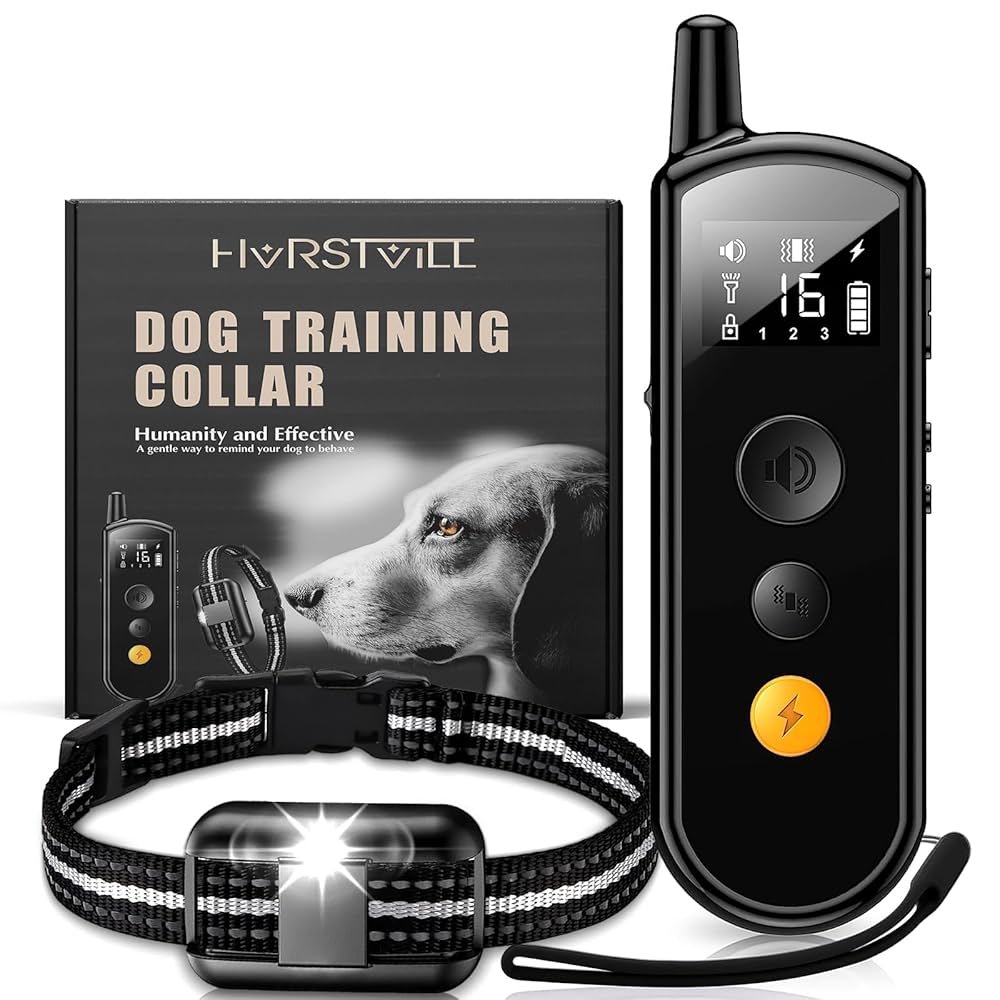
- Remote-Controlled Collars:Allow you to trigger the shock manually from a distance.
- Automatic Collars:Detect barking or movement and deliver the stimulus automatically.
- Combination Collars:Include vibration, beep, and shock options to customize your dog’s response.
Choosing the right type depends on your dog’s behavior and your training style. Would a remote control give you better timing and control during a dog fight?
Intensity Levels And Controls
Most shock collars offer adjustable intensity levels. This lets you set the strength of the electric pulse from very mild to stronger shocks. Starting low and increasing only if needed helps avoid causing unnecessary pain.
Controls vary by model but usually include buttons or dials to change intensity and switch between stimulus modes. Some advanced collars even allow you to track your dog’s response and adjust settings accordingly.
Have you considered how the right intensity could prevent a fight without hurting your dog? Finding that balance is key to effective and humane training.

Credit: eileenanddogs.com
Effectiveness In Stopping Fights
Stopping a dog fight quickly is crucial for the safety of both dogs involved. Shock collars are often considered as a tool to intervene, but how effective are they really? Understanding their impact on immediate reactions and long-term behavior is key before deciding to use one.
Immediate Reactions
Shock collars can produce an instant response when a dog is engaged in a fight. The sudden discomfort may distract the dog and cause it to break away from the other dog.
However, the reaction is not always predictable. Some dogs might become more aggressive or confused, while others might freeze or run away. It’s important to observe your dog’s unique response before relying on a collar in tense situations.
Long-term Behavior Changes
Using a shock collar regularly might teach your dog to associate fights with unpleasant sensations. Over time, this could reduce aggressive encounters if your dog links the shock to negative consequences.
Still, this depends heavily on consistent training alongside the collar. Without proper guidance, your dog might develop fear or anxiety instead, which can worsen behavior rather than improve it.
Limitations And Challenges
Shock collars don’t address the root causes of fights, such as fear, territorial behavior, or poor socialization. They offer a quick fix but don’t replace the need for training and behavior modification.
- Risk of escalating aggression if the dog feels threatened by the shock
- Possible harm to your dog’s trust and bond with you
- Not effective if the dog is highly stimulated or focused on the fight
Have you considered what might trigger your dog’s aggression? Tackling those triggers can often be more effective than relying solely on a shock collar to stop fights.
Risks Of Using Shock Collars
Shock collars may seem like a quick fix to stop dog fights. The risks attached to their use, though, are serious. Understanding these risks helps owners make safer choices for their pets.
Physical Harm
Shock collars deliver electric pulses to a dog's neck. These pulses can cause burns or injuries. Some dogs have skin reactions or wounds from the collar. The sudden shock may cause muscle spasms or pain. Dogs with health problems face higher risks of serious harm.
Emotional Stress
Electric shocks create fear and anxiety in dogs. Dogs may not understand why they get shocked. This confusion can lead to stress and worry. Stress affects a dog’s overall health and happiness. Fearful dogs may hide or avoid people and other pets.
Aggression Escalation
Shock collars can increase a dog’s aggression instead of stopping it. Dogs may become defensive or more hostile. Pain from the shock may trigger biting or growling. Aggressive behavior can worsen with repeated shocks. This makes fights more dangerous and harder to control.

Credit: www.calmshops.co.uk
Alternatives To Shock Collars
Shock collars often spark debate when it comes to managing dog fights. Many dog owners wonder if they are the quick fix they seem to be. However, there are safer and more effective alternatives that focus on understanding and changing behavior without causing fear or pain.
Positive Reinforcement Training
Positive reinforcement rewards your dog for good behavior instead of punishing bad actions. This method builds trust and encourages your dog to repeat calm and friendly behavior. You can use treats, praise, or toys to reward your dog when they respond appropriately during tense situations.
Think about a time when your dog hesitated before reacting aggressively. Rewarding that hesitation can teach them that staying calm gets them something they want. This approach creates a strong bond and lasting behavior change without stress.
Behavioral Modification Techniques
Changing your dog’s behavior takes time and patience. Techniques like desensitization and counter-conditioning help your dog associate triggers with positive experiences instead of fear or aggression.
For example, if your dog fights when meeting new dogs, start with controlled, calm introductions at a distance. Gradually decrease the distance while rewarding calm behavior. This step-by-step process can reshape your dog's reactions over time.
Professional Intervention
Sometimes, you need extra help. Certified dog trainers or animal behaviorists have the experience and tools to address aggression safely and effectively. They can create a personalized plan that fits your dog's specific needs.
Would you try to fix a broken appliance without the right tools? Similarly, professional guidance can prevent mistakes that might worsen fights. Investing in expert help can save you and your dog from ongoing stress and danger.
Safe Use Guidelines
Using a shock collar to stop a dog fight requires careful attention to safety. Without proper use, it can harm your dog or worsen aggressive behavior. Following safe use guidelines helps protect your pet and increases the chance of success.
Proper Introduction
Introduce the shock collar gradually to your dog. Let your dog wear the collar without activating it for a few days. This helps them get used to the feeling and reduces anxiety.
Start using the collar in low-stress situations. Observe how your dog reacts to the mild stimulation. Avoid jumping straight to using it during a fight or aggressive moment.
Monitoring Responses
Watch your dog closely when the collar is active. Look for signs of fear, confusion, or aggression that may increase. If your dog shows distress, stop using the collar immediately.
Adjust the intensity to the lowest effective level. Too strong a shock can cause more harm than good. Keep a journal of your dog’s reactions to track progress and setbacks.
When To Seek Help
If your dog fights continue despite using the collar, it’s time to get professional help. Aggression can have deep causes that need expert evaluation. A certified dog trainer or behaviorist can offer personalized guidance.
Never rely solely on a shock collar to solve serious aggression. Ask yourself: Is this tool helping my dog feel safer, or just scaring them? Your dog’s well-being is the priority.

Credit: www.amazon.ca
Frequently Asked Questions
Can A Shock Collar Stop Dog Fights Immediately?
A shock collar may interrupt a fight temporarily, but it doesn’t address the root cause. Proper training and behavior modification are essential for long-term success.
Are Shock Collars Safe For Controlling Aggressive Dogs?
When used correctly, shock collars can be safe. However, misuse can cause fear or anxiety, worsening aggression. Professional guidance is recommended.
What Alternatives Exist To Shock Collars For Dog Fights?
Positive reinforcement training, behavior modification, and professional help are effective alternatives. These methods focus on reducing aggression without causing harm.
How Effective Are Shock Collars In Preventing Dog Fights?
Shock collars might reduce fights in some cases but are not foolproof. Effectiveness varies based on dog temperament and owner consistency.
Conclusion
A shock collar might stop a dog fight. But it isn't always best. Dogs may react with fear or aggression. Training with positive methods can help more. Teach your dog to stay calm. Practice obedience commands regularly. Consult a professional for advice.
They can provide better solutions. Safety should always come first. Protect your dog and others. Understand the risks and benefits. Make informed decisions. Your dog's well-being depends on it.