How often should you give your dog a bath? It’s a question every pet owner wonders about.
You want your furry friend to be clean and happy, but bathing too much can dry out their skin. On the other hand, not bathing enough might leave them smelly or itchy. Finding the right balance is key to keeping your dog healthy and comfortable.
You’ll discover simple tips and expert advice to help you decide the perfect bath schedule for your dog. Keep reading—you’ll soon know exactly how to care for your pet’s coat the right way.
Bathing Frequency Factors
How often you should bathe your dog depends on several important factors. These factors affect your dog’s skin health, coat condition, and overall comfort. Understanding them helps you avoid overbathing or underbathing, both of which can cause problems.
Breed And Coat Type
Different breeds have very different needs when it comes to bathing. Dogs with oily coats, like Basset Hounds, may need baths more often to keep their skin fresh. On the other hand, breeds with dry or double coats, such as Siberian Huskies, require less frequent baths to prevent drying out their skin.
Long-haired dogs may also need more regular grooming and occasional baths to avoid mats and tangles. Have you noticed how your dog’s fur reacts after a bath? That can tell you a lot about their ideal bathing schedule.
Activity Level
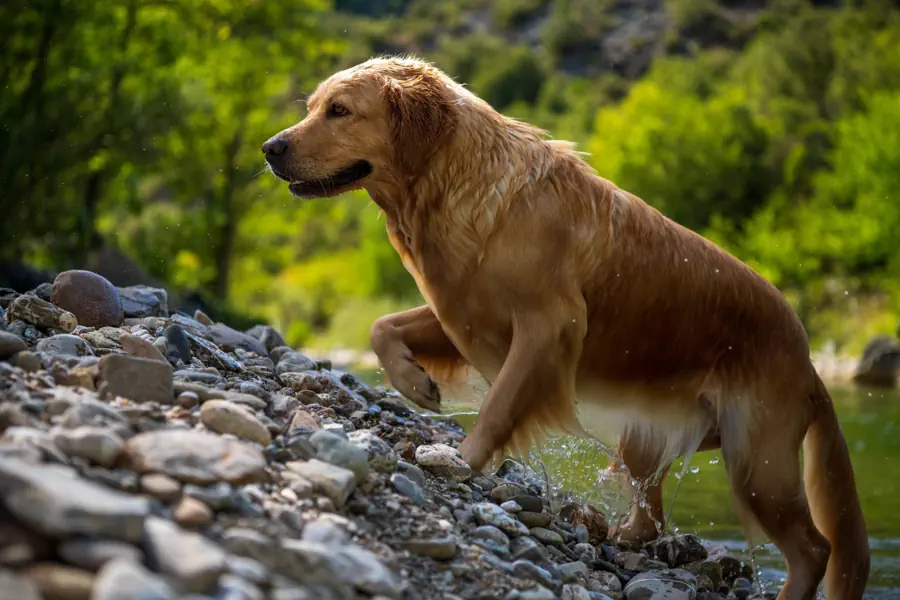
Your dog’s daily activities influence how often they need a bath. If your dog loves rolling in the dirt or swimming in lakes, they might need baths more frequently to remove grime and potential irritants. Conversely, a mostly indoor dog with low activity might stay cleaner longer.
Think about your dog’s routine—are they outdoor explorers or couch companions? Adjusting bath frequency based on activity can keep them cleaner without overdoing it.
Skin Conditions
Dogs with skin allergies, infections, or sensitivities require special attention. Bathing too often with harsh shampoos can worsen these conditions, while medicated baths prescribed by your vet can help treat them. Always follow your vet’s advice on bathing frequency if your dog has skin issues.
Have you seen your dog scratching more after baths? That’s a sign you may need to change the shampoo or reduce bath frequency to protect their skin barrier.
Environmental Exposure
Where your dog spends most of their time affects how dirty they get. Dogs living in dusty or muddy environments will naturally need baths more often. If your dog is exposed to allergens like pollen or flea treatments, rinsing them off can provide relief and prevent irritation.
Consider the weather, too—hot, humid climates might require more baths, while cold weather calls for fewer to avoid drying out the skin. How often your dog gets dirty outside is a big clue to their bathing schedule.
Recommended Bathing Schedules
Finding the right bathing schedule for your dog can make a big difference in their health and happiness. Different dogs have different needs based on their coat type, age, and lifestyle. Understanding these differences helps you avoid overbathing or underbathing, both of which can cause skin problems.
Short-haired Dogs
Short-haired dogs usually need fewer baths than their long-haired friends. Their coats don't trap dirt as easily, so bathing every 6 to 8 weeks often works well. If your dog loves outdoor play or gets smelly, you might need to bathe more frequently, but try not to wash too often to keep their skin oils balanced.
Long-haired Dogs
Long-haired dogs require more regular grooming and baths to prevent mats and tangles. Bathing every 4 to 6 weeks helps keep their coat clean and manageable. If your dog has a very thick or double coat, brushing between baths is just as important to avoid skin irritation.
Puppies
Puppies have delicate skin that can dry out quickly, so avoid frequent baths. Usually, once a month is enough unless they get into something messy. Use a gentle puppy shampoo and remember that early baths help them get used to the process, making future grooming easier for both of you.
Senior Dogs
Older dogs might have more sensitive skin or health issues affecting their bathing needs. Bathing every 4 to 6 weeks is generally safe, but watch for signs of dry skin or discomfort. If your senior dog has arthritis, consider waterless shampoos or gentle wipes to keep them clean without stressing their joints.
Signs Your Dog Needs A Bath
Knowing when your dog needs a bath can save you from unnecessary scrubbing or missing out on essential grooming. Dogs don’t always tell you directly when they’re dirty or uncomfortable, so watching for clear signs helps keep them fresh and healthy. Let’s look at some key signals your dog is ready for a bath.
Odor Indicators
One of the most obvious signs is a noticeable smell. If your dog starts to give off a strong, unpleasant odor, it’s time to wash them. This smell can come from dirt, oils, or even skin infections that need attention.
Ever noticed your dog smelling fine one day and then suddenly like a wet dog or something stronger? That’s your cue to act. Don’t wait until the smell becomes overwhelming for you or others around.
Visible Dirt And Grime
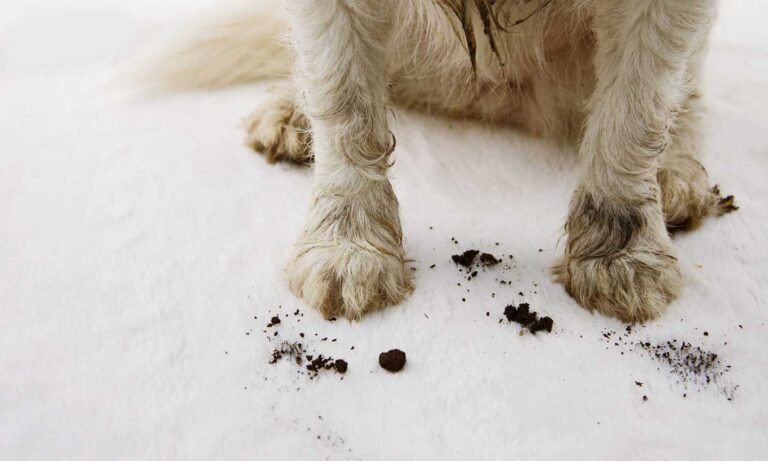
Check your dog’s coat closely. If you see mud, dust, or any kind of dirt stuck to their fur, a bath is in order. This is especially true if they’ve been playing outside or rolling in the grass.
Sometimes, dirt can hide in places like behind the ears or under the tail. Take a moment to inspect these spots regularly. Keeping your dog visibly clean helps prevent skin irritations and keeps your home cleaner too.
Excessive Scratching
If your dog is scratching more than usual, it might mean their skin is itchy or irritated. Dirt, allergens, or oils trapped in the fur can cause discomfort and lead to scratching.
Watch for signs like redness, flakes, or hot spots on the skin. A bath with the right shampoo can soothe itching and remove irritants, giving your dog relief and you peace of mind.

Credit: www.scenthound.com
Choosing The Right Shampoo
Choosing the right shampoo for your dog is important for their skin and coat health. Not all shampoos suit every dog. Some dogs have sensitive skin or allergies. Others may need special care for skin conditions.
Picking the correct shampoo helps keep your dog clean without causing irritation. It also supports a shiny, healthy coat. Different shampoos serve different needs, so understanding your options is key.
Hypoallergenic Options
Hypoallergenic shampoos reduce the risk of skin reactions. They avoid harsh chemicals and fragrances. These shampoos are gentle and safe for dogs with sensitive skin. Use them if your dog scratches or shows redness after baths.
Medicated Shampoos
Medicated shampoos treat specific skin problems. They help with infections, itching, and dandruff. Always follow your vet’s advice when using these shampoos. These are not for regular use but for short-term treatment.
Natural Ingredients
Shampoos with natural ingredients are mild and nourishing. They often contain aloe, oatmeal, or coconut oil. These ingredients soothe the skin and add moisture. Natural shampoos work well for routine baths and gentle care.
Bathing Tips For Stress-free Experience
Bathing your dog can be a calm and positive experience. The right approach helps your dog feel safe and relaxed. Small steps prepare both you and your dog for a smooth bath time.
Preparing Your Dog
Start by brushing your dog to remove loose fur and dirt. Choose a quiet place free from distractions. Gather all bath supplies before you begin. Use treats to reward good behavior. Speak softly to keep your dog calm.
Water Temperature
Use lukewarm water to avoid discomfort. Water that is too hot or cold can scare your dog. Test the water on your wrist before bathing. Keep water level low for small dogs. Wet your dog slowly to help them adjust.
Drying Techniques
Pat your dog dry with a soft towel. Avoid rubbing, which can tangle fur or irritate skin. Use a blow dryer on low heat and speed if your dog allows. Keep the dryer moving to prevent hot spots. Let your dog shake off excess water outdoors if possible.
Alternatives To Frequent Bathing
Bathing your dog too often can strip away natural oils, leading to dry skin and irritation. Luckily, you don’t have to rely on full baths to keep your furry friend clean and comfortable. There are several effective alternatives that can help maintain your dog’s hygiene without the stress of frequent washing.
Spot Cleaning
Spot cleaning targets dirty or smelly areas without wetting your entire dog. Use a damp cloth or pet-safe wipes to gently clean paws, face, or any other soiled spots. This approach is quick and reduces the need for a full bath, especially after outdoor adventures.
Have you noticed how a simple paw wipe can instantly freshen up your dog after a muddy walk? It’s a small step that makes a big difference.
Dry Shampoo
Dry shampoo is a fantastic tool for freshening up your dog between baths. These powders or sprays absorb excess oils and odors, leaving the coat looking clean and smelling better. Choose a formula designed specifically for pets to avoid skin irritation.
Applying dry shampoo can be as easy as sprinkling it over your dog’s coat and brushing it through. Would you try this to save time and keep your dog comfortable?
Regular Brushing
Brushing your dog regularly helps remove dirt, loose hair, and debris from the coat. It distributes natural oils evenly, which promotes a shiny and healthy coat. Plus, it’s a bonding moment you both can enjoy.
Think about how a good brushing session keeps your dog looking great without a bath. Could this be the simplest way to maintain cleanliness in your routine?
Potential Risks Of Overbathing
Bathing your dog too often can cause problems. It may seem like a good idea to keep your pet clean, but too many baths can harm their skin and coat. Understanding the risks helps you avoid these issues and keep your dog healthy.
Skin Irritation
Frequent baths can dry out your dog's skin. This dryness leads to itching and redness. Skin irritation makes your dog uncomfortable and can cause them to scratch a lot. Scratching may lead to wounds or infections.
Stripped Natural Oils
Your dog's skin produces natural oils that protect and moisturize. Too many baths wash away these oils. Without natural oils, the coat looks dull and feels rough. These oils also protect your dog from bacteria and dirt.
Increased Sensitivity
Overbathing can make your dog's skin sensitive. Sensitive skin reacts badly to shampoos and the environment. This can cause rashes and allergic reactions. Sensitive skin is harder to care for and needs gentle treatment.
Credit: www.diamondpet.com
Credit: www.mygoldenretrieverpuppies.com
Frequently Asked Questions
How Often Should You Bathe A Dog?
Most dogs need a bath every 4 to 6 weeks. Frequency depends on breed, activity level, and skin condition. Overbathing can dry their skin, while underbathing may cause odor or dirt buildup. Adjust bathing frequency based on your dog's specific needs and lifestyle.
Can Frequent Baths Harm My Dog's Skin?
Yes, frequent baths can strip natural oils, causing dry, irritated skin. Use a gentle, dog-specific shampoo and avoid overbathing. Consult your vet if your dog’s skin becomes flaky, itchy, or red after bathing to prevent long-term damage and maintain skin health.
What Factors Influence Dog Bathing Frequency?
Factors include breed coat type, activity level, skin health, and environment. Dogs with oily coats may need more frequent baths, while others with dry skin require fewer. Outdoor dogs may need baths more often due to dirt and allergens. Tailor bathing to your dog’s lifestyle.
Is It Okay To Bathe Dogs Monthly?
Bathing dogs monthly is generally safe for most breeds. It helps maintain cleanliness and control odors without damaging their skin. Some dogs with specific skin conditions might need different routines. Always use appropriate shampoo and consult your vet for personalized advice.
Conclusion
Regular baths keep your dog clean and healthy. Every dog's bathing needs differ. Consider their breed, coat, and lifestyle. Always use dog-friendly shampoos. Overbathing can strip natural oils from their skin. Monitor your dog's skin and coat condition. Adjust bath frequency based on their activity level.
Consult a vet for specific advice. Bathing strengthens your bond with your pet. It also makes them smell pleasant. A happy, clean dog means a happy home. Keep your furry friend refreshed and comfortable. Enjoy bath time as a fun bonding experience.
Your dog will appreciate the care and attention.