If you have a dog, you know how tricky it can be when that strong gland smell gets on your furniture. It’s not just unpleasant—it can linger and make your whole room feel off.
You want your home to smell fresh and clean, but getting rid of that stubborn odor feels impossible. What if you could tackle the problem quickly and effectively, without harsh chemicals or endless scrubbing? Keep reading, because you’ll discover simple, proven ways to remove that dog gland smell from your furniture—so your space smells great again and your dog stays happy too.

Credit: pethealthpros.com
Sources Of Dog Gland Smell
Understanding the sources of dog gland smell helps in removing the odor effectively. The smell often comes from specific dog glands. These glands release oils that carry a strong scent. The scent can stick to furniture, causing a lasting odor. Knowing where the smell originates guides proper cleaning and prevention.
What Causes The Odor
Dogs have two small glands near their tail. These are called anal glands. They release a smelly fluid when dogs feel stressed or scared. Sometimes, the glands leak or get full, causing a strong odor. The fluid contains bacteria and oils that create the bad smell.
Dogs may also rub their bottoms on furniture or floors. This spreads the gland fluid onto surfaces. The odor sticks to fabrics and wood, making it hard to remove. The smell is stronger if the glands are infected or impacted.
Common Furniture Targets
Furniture that dogs like to rest on often holds the gland smell. Sofas and chairs with fabric covers are common spots. The soft material absorbs the oils and bacteria. Dog beds and cushions can also trap the odor inside the stuffing.
Wooden furniture may absorb less fluid but still hold the smell. Carpets and rugs near the furniture can carry the scent too. Even blankets and throws used by dogs can trap the gland smell.
- Sofas and armchairs
- Dog beds and cushions
- Wooden chairs and tables
- Carpets and area rugs
- Blankets and throws

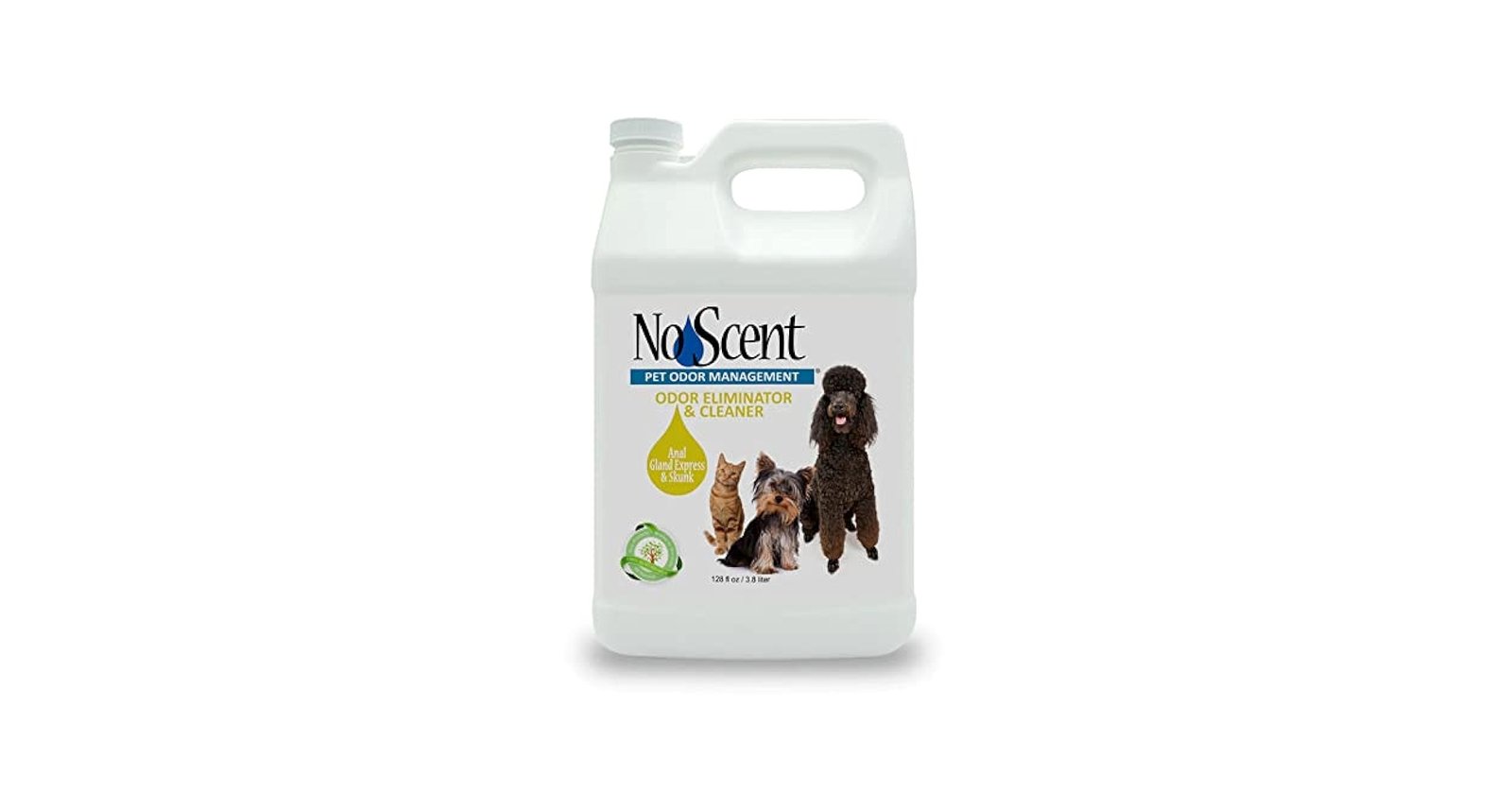
Credit: www.amazon.com
Immediate Cleaning Steps
Act quickly to reduce the gland smell on your furniture. The faster you clean, the less the odor sets in. Immediate action stops stains from becoming permanent. Follow simple steps to remove excess fluids and treat the area properly. This approach saves your furniture and keeps your home fresh.
Blotting And Removing Excess
Start by blotting the affected area gently with a clean cloth. Avoid rubbing as it pushes the smell deeper. Use paper towels or absorbent fabric to soak up as much fluid as possible. Press down firmly but carefully to lift the liquid. Repeat until the cloth comes away mostly dry. This step reduces the amount of odor-causing material left behind.
Choosing The Right Cleaning Products
Select cleaning products that break down organic odors. Enzyme cleaners work well to neutralize gland secretions. Test the product on a small, hidden spot first. Use a spray bottle for even application on furniture surfaces. Avoid harsh chemicals that may damage fabric or wood. Follow the instructions on the label for best results. Proper cleaners help remove the smell instead of masking it.
Deep Cleaning Techniques
Deep cleaning is essential to remove dog gland smell from furniture. Surface cleaning often leaves odors behind. Penetrating deep into the fabric or material removes trapped scents. It also helps prevent your dog from marking the same spot again.
Choosing the right cleaning technique can make a big difference. Use products and solutions that break down odor-causing molecules effectively. This section covers two reliable approaches to deep clean your furniture and eliminate gland smell.
Using Enzyme Cleaners
Enzyme cleaners are designed to break down organic stains and odors. These cleaners contain natural enzymes that digest proteins causing the smell. They work well on gland secretions and other pet messes.
- Test the cleaner on a small fabric area first.
- Apply the enzyme cleaner generously to the affected spot.
- Let it sit for 10 to 15 minutes to activate enzymes.
- Blot the area with a clean cloth to absorb excess liquid.
- Allow the furniture to air dry completely.
Using enzyme cleaners regularly keeps furniture fresh and odor-free. They are safe for most fabrics and pets.
Homemade Cleaning Solutions
Simple household ingredients can create effective cleaning solutions. They break down odors without harsh chemicals. These options are budget-friendly and easy to prepare.
- Vinegar and Water:Mix equal parts white vinegar and water. Spray on the smelly spot and blot after 10 minutes.
- Baking Soda Paste:Combine baking soda with water to form a paste. Apply to the stain, let dry, then vacuum.
- Hydrogen Peroxide and Dish Soap:Mix 1 cup hydrogen peroxide with 1 teaspoon dish soap. Dab gently on the area and rinse after 15 minutes.
Test homemade solutions on hidden areas before full use. These natural cleaners help neutralize odors effectively.
Preventing Future Odors
Preventing future odors from your dog’s gland secretions on furniture is key to maintaining a fresh and comfortable living space. Once you’ve cleaned the current smell, staying proactive helps avoid repeat problems. This means focusing on your dog's care and habits to keep those unwanted scents away for good.
Regular Grooming And Hygiene
Keeping your dog clean plays a big role in controlling gland odors. Regular baths help wash away any secretions before they have a chance to soak into furniture or fabrics.
Don’t forget to check and express your dog’s anal glands if needed. Some dogs need help from a vet or groomer to keep these glands from becoming full or leaking, which causes strong smells.
Also, brushing your dog often reduces dirt and oils that can carry odor. How often you groom depends on your dog's breed and lifestyle, but aiming for at least once a week is a good start.
Training To Avoid Furniture
Teaching your dog to stay off furniture is a practical way to stop gland smells from settling in. You can train your dog with clear boundaries and positive reinforcement.
Try providing a cozy bed or designated spot that your dog loves. Reward them when they choose their own space instead of the couch or chair.
If your dog already marks furniture, clean the area thoroughly and use deterrents like pet-safe sprays or covers. Consistency is key here—do you find your dog responds better to rewards or gentle corrections?
When To Seek Professional Help
Sometimes, no matter how many cleaning products you try or how often you scrub, the gland smell on your furniture just won’t go away. That’s when it’s smart to think about getting professional help. Knowing when to make this call can save you time, effort, and frustration.
Persistent Odor Issues
If the smell lingers after multiple cleaning attempts, it’s a clear sign the odor has penetrated deep into the fabric or padding. Regular household cleaners might not reach these hidden areas, allowing the smell to come back.
Have you noticed the smell returns a few days after cleaning? This often means the source is still inside the furniture, not just on the surface. Ignoring persistent odors can lead to unpleasant experiences for you and your guests.
Professional Cleaning Services
Professional cleaners have specialized equipment and solutions designed to tackle tough pet odors. They can extract smells trapped deep within cushions and fabrics, something typical home cleaning tools can’t always do.
Many services offer odor-neutralizing treatments that don’t just mask smells but eliminate them at the source. Hiring professionals can also protect your furniture’s material from damage caused by harsh chemicals or excessive scrubbing.
Think about how much time and effort you’ve spent trying to fix the problem yourself. Could a professional service save you more hassle and actually deliver lasting results?

Credit: www.amazon.com
Frequently Asked Questions
How Do I Remove Dog Gland Smell From Furniture?
Use an enzymatic cleaner specifically for pet odors. Spray the affected area and let it sit for 10 minutes. Blot with a clean cloth and repeat if needed. Avoid harsh chemicals as they can damage fabric and worsen the smell.
What Household Items Help Eliminate Dog Gland Odor?
White vinegar and baking soda are effective natural remedies. Mix vinegar with water to spray on the stain. Sprinkle baking soda on dry fabric, leave for a few hours, then vacuum. These neutralize odors without harsh chemicals.
Why Does Dog Gland Smell Linger On Furniture?
Dog gland secretions contain strong oils and bacteria, causing persistent odors. Fabric absorbs these oils deeply, making smells hard to remove. Regular cleaning and odor-neutralizing products help prevent buildup and lingering smells.
Can Professional Cleaning Remove Dog Gland Smells Completely?
Yes, professional upholstery cleaning uses specialized solutions to break down oils and bacteria. They deep clean fabrics, removing embedded odors effectively. Consider professional help for stubborn or large stains to restore furniture freshness.
Conclusion
Eliminating dog gland smell from furniture can be a simple task. Regular cleaning and proper ventilation help maintain freshness. Use pet-friendly cleaners for safety. Consistency is key. Wipe the affected areas thoroughly. Baking soda is a great odor neutralizer. Sprinkle it on the furniture, then vacuum.
A clean home means a happy pet and owner. Keep your living space fresh and welcoming. Follow these steps to ensure a pleasant environment for all. Your furniture will thank you! Enjoy a smell-free home with your furry friend.