Is your dog peeing in their kennel and leaving you frustrated? You’re not alone.
Many dog owners struggle with this problem, but the good news is, it’s something you can fix. Imagine coming home to a clean, fresh-smelling kennel every day. You’ll discover simple, effective steps to help your dog stop peeing in their kennel for good.
Keep reading, because the solution is easier than you think—and your dog will thank you for it.

Credit: www.amazon.ca
Reasons Dogs Pee In Kennels
Understanding why your dog pees in the kennel is key to fixing the problem. Dogs don’t just pee there out of defiance; there are real reasons behind this behavior. Identifying these causes helps you address the root and create a calm, clean space for your pet.
Stress And Anxiety
Dogs often pee in their kennels when they feel stressed or anxious. Changes in routine, loud noises, or separation from you can trigger this reaction. Have you noticed your dog panting, whining, or pacing before accidents? These signs often point to anxiety.
Stress makes it hard for dogs to hold their bladder. Try calming techniques like gentle music, pheromone sprays, or spending more time together. Your dog’s kennel should feel like a safe retreat, not a punishment zone.
Medical Issues
Sometimes, peeing in the kennel signals a health problem. Urinary tract infections, bladder stones, or even diabetes can cause sudden accidents. If your dog’s peeing habits change abruptly, a vet visit is essential.
Ignoring medical issues can worsen the problem. Your dog can’t control their bladder if something is physically wrong. Have you checked for signs like frequent licking or blood in the urine? These clues tell you it’s time to see a professional.
Lack Of Proper Training
Without clear guidance, dogs might not understand where it’s okay to pee. Puppies especially need consistent crate training to learn that kennels are not bathrooms. Did you introduce the kennel gradually and reward your dog for staying clean?
Training involves routine bathroom breaks before kennel time. Also, make sure the kennel is the right size—too big and your dog might use one corner as a bathroom. Consistency and patience in training make a big difference in stopping unwanted peeing.

Credit: visapoint.travel
Preparing The Kennel
Preparing the kennel properly helps your dog feel safe and reduces accidents. A well-prepared space encourages good habits and comfort. The kennel should feel like a cozy den, not a place for punishment.
Choosing The Right Size
Select a kennel big enough for your dog to stand and turn around. Too large a kennel may invite your dog to pee in one corner. A snug but comfortable fit helps your dog hold its bladder longer. Measure your dog’s length and height before buying the kennel.
Creating A Comfortable Space
Make the kennel inviting with soft lighting and good ventilation. Avoid placing the kennel in noisy or busy areas. Keep it quiet and calm to reduce stress. Clean the kennel regularly to prevent odors and discomfort. A peaceful space makes your dog want to stay inside.
Using Appropriate Bedding
Choose bedding that absorbs moisture and dries quickly. Avoid materials that hold smells or stay wet. Wash bedding often to keep it fresh and clean. Soft bedding encourages your dog to lie down and relax. Remove any wet or soiled bedding immediately to prevent accidents.
Establishing A Routine
Establishing a routine helps your dog understand when and where to relieve itself. Dogs thrive on consistency. A steady schedule reduces accidents in the kennel. It builds good bathroom habits. Start by setting clear times for bathroom breaks, meals, and exercise. This approach teaches your dog to wait before entering the kennel and keeps the space clean.
Regular Bathroom Breaks
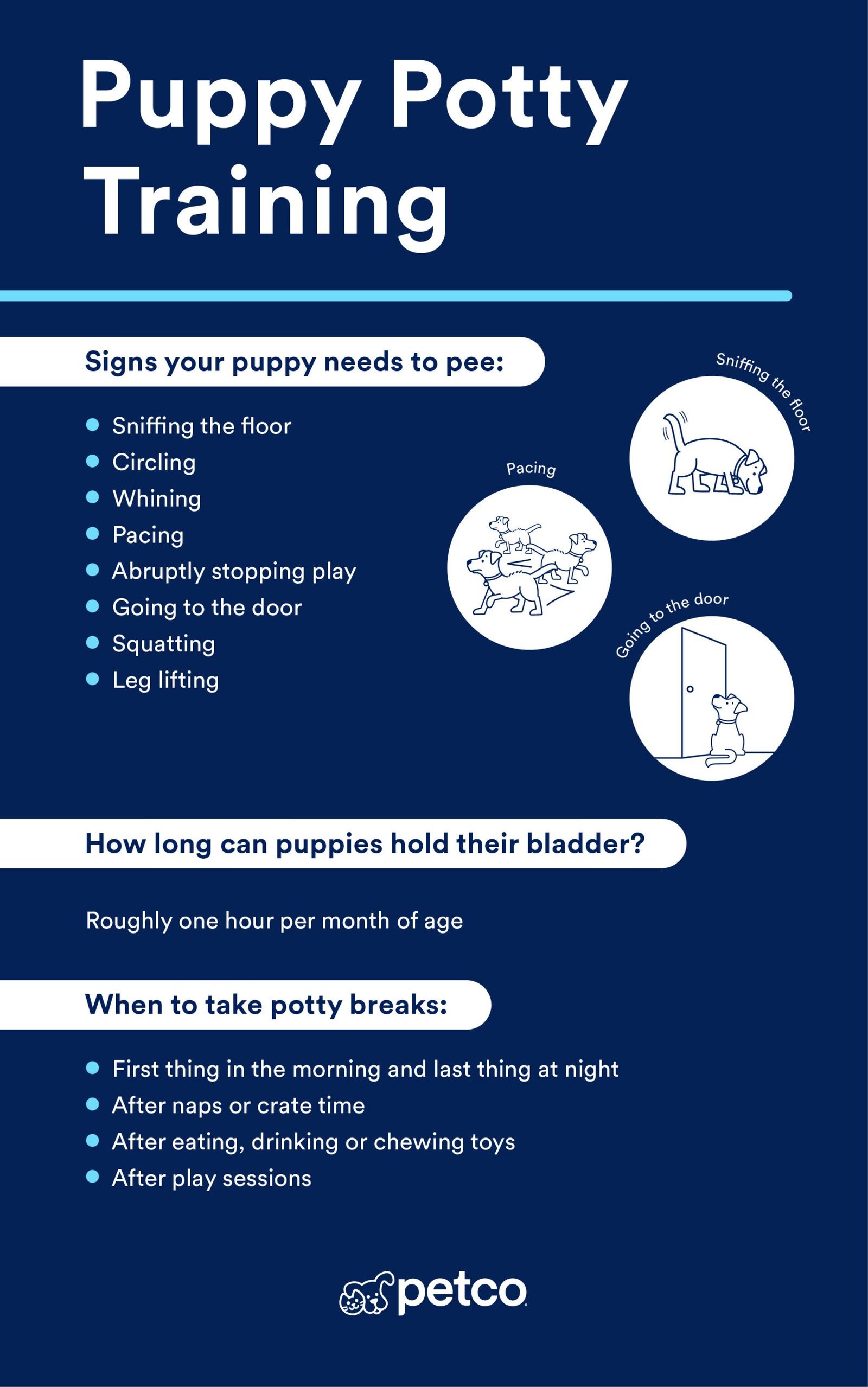
Take your dog outside often, especially before kennel time. Puppies and older dogs need more frequent breaks. Schedule bathroom stops every two to three hours. Use the same spot each time to create a strong habit. Praise your dog after it pees outside. This positive feedback encourages proper behavior and helps avoid accidents in the kennel.
Consistent Feeding Schedule
Feed your dog at the same times daily. Consistency controls digestion and bathroom timing. Avoid feeding right before kennel time. A predictable feeding schedule helps you know when your dog will need to pee. This control lowers the chance of accidents inside the kennel. Stick to measured portions to prevent overeating and sudden bathroom urges.
Exercise Before Kenneling
Give your dog exercise before placing it in the kennel. Playtime or a short walk helps empty the bladder. Physical activity also reduces stress and restlessness. A tired dog is less likely to pee in the kennel. Exercise helps your dog relax and settle down comfortably inside the space.
Training Techniques To Prevent Kennel Peeing
Training your dog to stop peeing in the kennel takes patience and the right approach. Focus on techniques that build trust and clear communication between you and your pet. These training methods help your dog feel comfortable and understand what behavior you expect inside the kennel.
Positive Reinforcement
Reward your dog immediately when they avoid peeing in the kennel. Use treats, praise, or a favorite toy to reinforce good behavior. Dogs learn faster when they connect positive feelings with their actions.
Try catching your dog just after they leave the kennel dry, then give a reward. This way, they link staying clean with something enjoyable. Have you noticed your dog responding more to treats than to commands?
Crate Conditioning
Make the kennel a safe and pleasant space. Add cozy bedding and toys to encourage your dog to spend time there willingly. Avoid making it a place of punishment.
Take small steps to increase the time your dog spends in the kennel. Start with short periods and gradually extend them. This helps your dog associate the kennel with comfort, reducing anxiety that can lead to accidents.
Using Commands Effectively
Teach your dog clear commands like "Go potty" before kennel time. Use these commands consistently to signal when it’s time to relieve themselves outside. This builds a routine your dog can follow.
Practice these commands during walks or playtime so your dog understands them well. Have you tried pairing commands with specific actions to make training clearer?
Managing Accidents
Accidents in the kennel can be frustrating, but managing them properly is key to helping your dog learn better habits. How you handle these incidents affects your dog's future behavior and comfort. Let’s focus on practical steps that keep both your dog and kennel clean while encouraging positive changes.
Cleaning With Enzyme Cleaners
Using an enzyme cleaner is essential after your dog pees in the kennel. Unlike regular cleaners, enzyme formulas break down urine molecules completely, removing the smell that might attract your dog to pee in the same spot again.
Make sure you soak the area thoroughly and allow it to dry fully. Skipping this step could mean your dog keeps returning to that spot, thinking it’s okay to go there. Have you noticed how some cleaners mask odors instead of eliminating them? Enzyme cleaners do the actual work.
Avoiding Punishment
It’s tempting to scold your dog when you find an accident, but punishment often makes the problem worse. Dogs don’t connect past accidents with current scolding, so they might become fearful or confused instead of learning what you want.
Instead, stay calm and focus on redirecting your dog’s behavior. Ask yourself: How would you respond if you were in their paws? Patience and understanding build trust and make training more effective.
Redirecting Behavior
Redirecting your dog’s behavior means guiding them to pee outside the kennel instead. Watch for signs like sniffing or circling and take your dog out immediately. Praise and reward them when they go in the right place.
Try setting a consistent schedule for bathroom breaks to reduce accidents. Have you tried creating a special command or cue for potty time? This can help your dog understand exactly what you expect.

Credit: www.reddit.com
When To Consult A Veterinarian
Knowing when to consult a veterinarian is key to solving your dog's kennel peeing. Sometimes, peeing inside the kennel signals health problems or stress. Ignoring these signs may cause more issues for your dog. A vet can find the root cause and offer the right help.
Signs Of Urinary Tract Infection
- Frequent urination or accidents in the kennel
- Straining or discomfort while peeing
- Blood in the urine
- Strong or unusual urine smell
- Licking the genital area often
- Signs of pain or distress
These signs suggest a urinary tract infection. A vet can diagnose and treat this quickly.
Behavioral Concerns
- Sudden change in peeing habits
- Signs of anxiety or stress in the kennel
- Excessive barking or whining
- Refusal to enter the kennel
- Destructive behavior around the kennel
Behavioral problems may cause kennel accidents. A vet can help identify stress or anxiety and suggest solutions.
Medication Options
Some health or behavioral issues need medication. A vet can prescribe antibiotics for infections or calming medications for anxiety. Never give your dog medicine without vet advice. Proper medication helps stop kennel peeing and improves your dog's well-being.
Frequently Asked Questions
How Can I Stop My Dog Peeing In The Kennel?
To stop kennel peeing, ensure the dog’s bladder is empty before kennel time. Use positive reinforcement for dry stays. Keep the kennel clean and comfortable. Gradually increase kennel time to build trust and reduce anxiety.
Why Does My Dog Pee In The Kennel?
Dogs may pee in kennels due to anxiety, lack of bathroom breaks, or medical issues. Kennels too large can encourage peeing in one corner. Stress or incomplete house training can also cause this behavior.
How Often Should I Let My Dog Out Of The Kennel?
Let your dog out every 3 to 4 hours to prevent accidents. Puppies and senior dogs need more frequent breaks. Regular potty breaks help maintain bladder health and reinforce good kennel behavior.
Can Kennel Training Prevent My Dog From Peeing Inside?
Yes, consistent kennel training teaches dogs to hold their bladder. Use a properly sized kennel and reward clean behavior. Establish a routine with regular potty breaks outside the kennel.
Conclusion
Training your dog can be challenging, but patience helps. Stick to a routine. Consistency is key. Praise your dog for good behavior. Use positive reinforcement. Clean the kennel regularly. Remove any lingering scents. Consult a vet if problems persist. They can offer advice.
Invest time in understanding your dog's needs. A happy dog makes a happy owner. Remember, each dog is unique. They respond differently. Be patient and kind. Your efforts will pay off. Enjoy the journey with your furry friend. Make it a learning experience for both.