Is your dog pooping in their kennel, leaving you frustrated and unsure what to do next? You’re not alone, and the good news is, you can teach your dog to stop this behavior.
Imagine a clean kennel where your dog feels safe and comfortable, and you don’t have to worry about messes anymore. You’ll discover simple, effective steps that really work. Keep reading to find out how to create a kennel environment your dog respects and loves.

Credit: www.yahoo.com
Reasons Dogs Poop In Kennels
Understanding why dogs poop in their kennels helps solve the problem faster. Dogs use kennels as their safe space. When they poop there, it signals an issue. This behavior often points to stress, training gaps, health problems, or kennel size. Identifying the cause leads to better solutions and a happier pet.
Stress And Anxiety
Stress makes dogs feel unsafe. Loud noises, new environments, or being alone can cause anxiety. Dogs may poop in kennels to show distress. They do not want to soil their space but feel overwhelmed. Reducing stress helps stop this behavior.
Lack Of Proper Training
Dogs need clear rules about where to poop. Without training, they may see the kennel as a bathroom. Puppies especially need guidance to learn good habits. Consistent training teaches dogs to wait for outdoor breaks. This avoids accidents inside the kennel.
Health Issues
Illness can cause sudden accidents. Digestive problems or infections may make dogs lose control. Older dogs might have trouble holding it. Watch for symptoms like diarrhea or discomfort. A vet visit can rule out health causes.
Inadequate Kennel Size
Kennels that are too big or too small cause problems. A large kennel allows dogs to separate sleeping and bathroom areas. Too small makes dogs feel trapped and stressed. The right size helps dogs keep their space clean.
Preparing The Kennel
Preparing the kennel properly helps prevent your dog from pooping inside it. A well-prepared kennel feels safe and inviting. It encourages your dog to see it as a resting place, not a bathroom. Attention to size, comfort, and bedding plays a key role in this process.
Choosing The Right Kennel Size
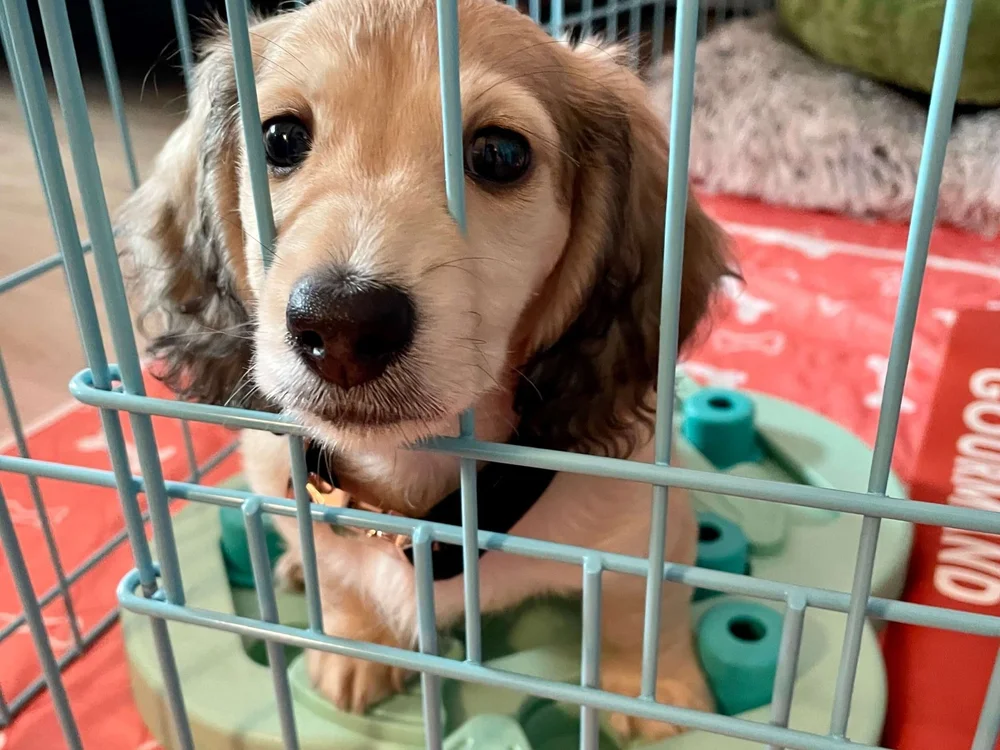
Select a kennel that fits your dog’s size comfortably. It should be big enough for your dog to stand, turn, and lie down easily. Avoid kennels that are too large. Too much space may lead your dog to use one corner for pooping. The perfect kennel size promotes good habits and comfort.
Creating A Comfortable Environment
Make the kennel cozy and inviting. Keep it in a quiet area with low traffic. Dogs prefer calm spaces for rest. Add soft lighting or cover the kennel partially to reduce stress. A calm environment helps your dog relax and avoid accidents.
Using Proper Bedding
Choose soft, washable bedding for your dog’s kennel. Avoid materials that are too rough or hard. Bedding should be clean and dry at all times. Soiled bedding encourages your dog to relieve itself there. Change and wash bedding regularly to maintain freshness and hygiene.
Training Techniques
Training your dog to stop pooping in the kennel requires consistent effort and patience. The right techniques help your dog understand where it’s appropriate to relieve itself. Let’s look at some effective training strategies that can make a real difference in your dog’s behavior.
Establishing A Routine
Dogs thrive on routine. Set specific times for feeding, potty breaks, and playtime every day. This predictability helps your dog know when to expect bathroom breaks, reducing accidents in the kennel.
Take your dog outside first thing in the morning, after meals, and before bedtime. Consistency in timing trains your dog’s internal clock and bladder control. Have you noticed how your dog’s behavior improves when you stick to a schedule?
Positive Reinforcement
Reward your dog immediately after they eliminate outside. Use treats, praise, or a favorite toy to celebrate the right behavior. Positive reinforcement creates a clear connection between good actions and rewards.
Ignore accidents inside the kennel instead of punishing. Focus on catching your dog in the act of going outside and praising that. This approach encourages your dog to repeat the behavior you want.
Crate Training Basics
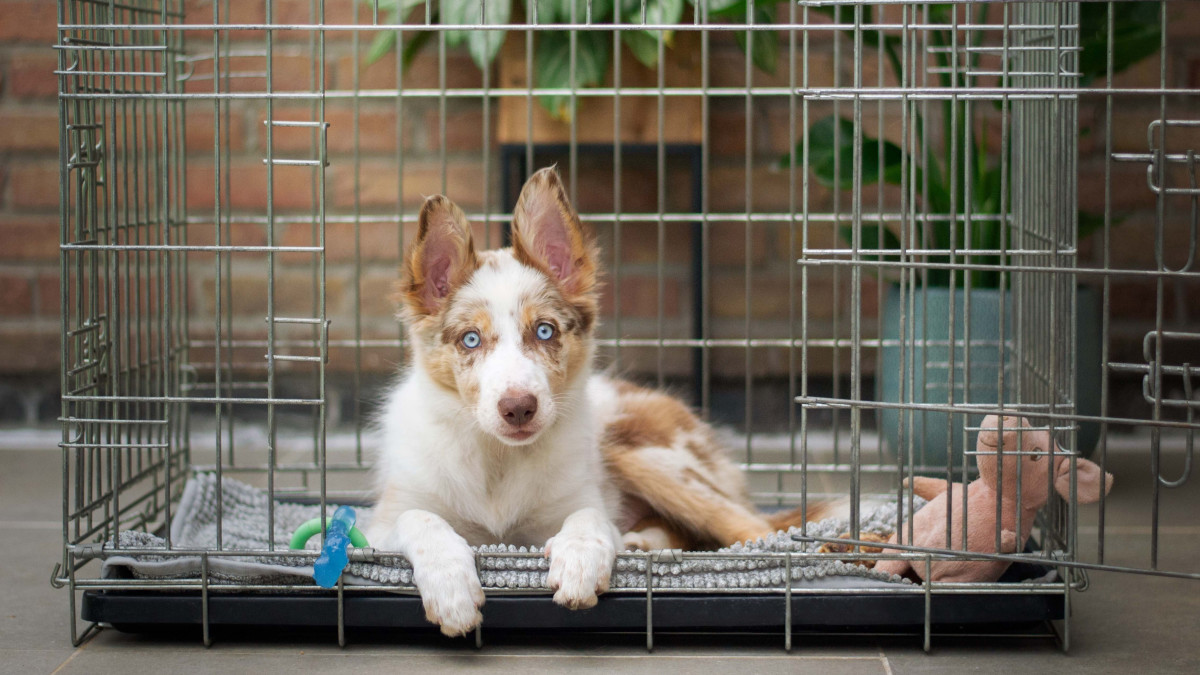
The kennel should feel like a safe, comfortable space—not a bathroom. Make it cozy with blankets and toys, and keep it clean. Dogs naturally avoid soiling their sleeping area, which helps discourage pooping inside.
Start by limiting the time your dog spends in the kennel, gradually increasing it as they get comfortable. If your dog is left too long, they might have no choice but to eliminate inside. Do you monitor how long your dog stays in the kennel?
Avoiding Punishment
Punishing your dog for accidents can create fear and anxiety, worsening the problem. Instead, focus on guiding your dog gently toward the correct behavior. Remember, dogs don’t understand punishment after the fact—they only connect it to the moment.
Use calm corrections and redirect your dog to the appropriate spot. Patience and kindness build trust and encourage learning. What positive changes have you seen when you avoid harsh discipline?
Managing Bathroom Breaks
Managing bathroom breaks is key to teaching your dog to avoid pooping in the kennel. Dogs thrive on routine, and consistent potty times create a clear schedule. Recognizing when your dog needs to go helps prevent accidents. Using outdoor training areas encourages proper habits and keeps your dog comfortable.
Scheduled Potty Times
Set regular times for bathroom breaks throughout the day. Take your dog outside after waking up, after meals, and before bedtime. Consistent timing helps your dog understand when to expect a chance to relieve itself. Keep the schedule steady to build good habits fast.
Recognizing Signs For Bathroom Needs
Watch your dog closely for signs it needs to go out. Sniffing around, pacing, or whining may mean it is time for a bathroom break. Respond quickly to these signals to avoid accidents in the kennel. Learning your dog’s cues strengthens trust and communication.
Using Outdoor Training Areas
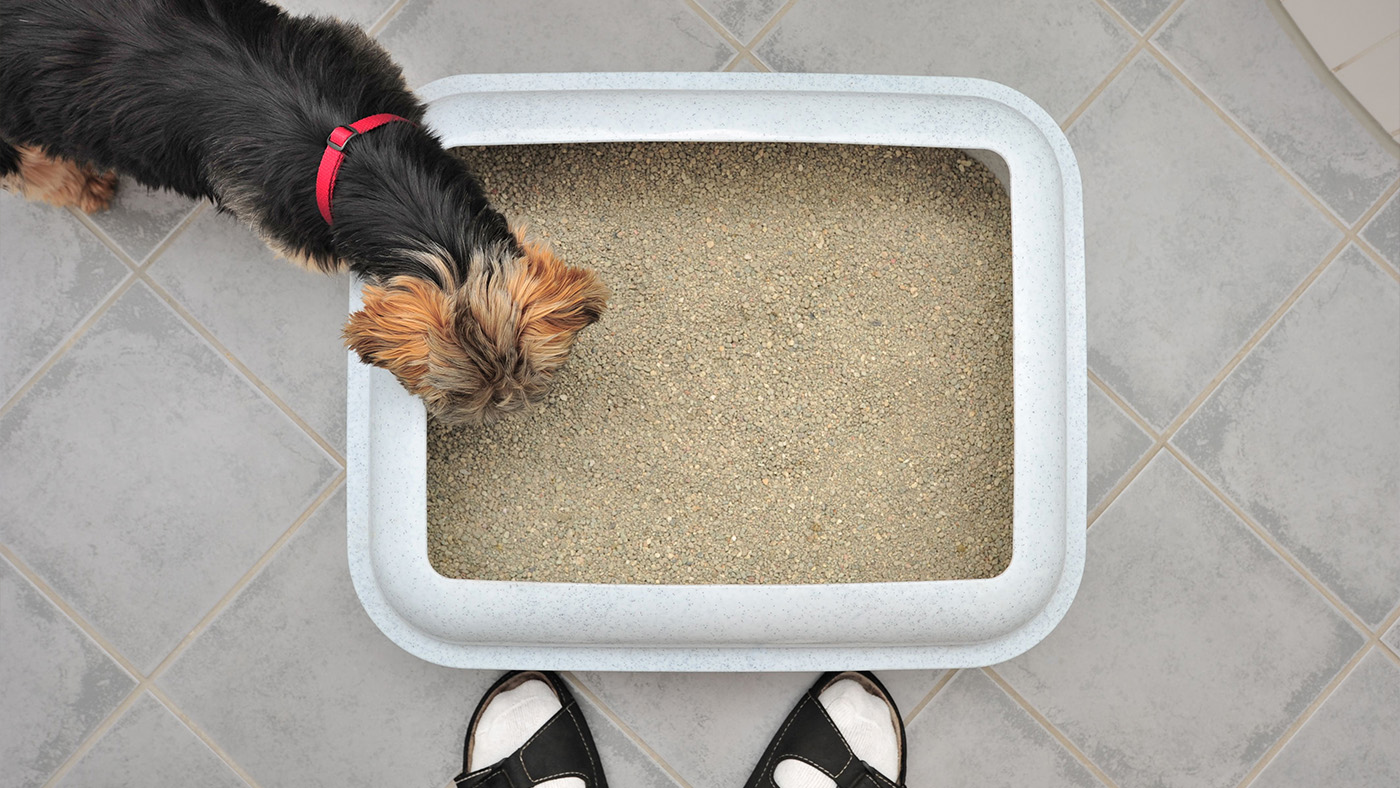
Choose a specific spot outside for your dog to use as a bathroom area. This helps your dog associate that spot with going potty. Take your dog to the same place every time. Praise and reward your dog after it goes in the right spot. This positive reinforcement encourages good behavior.
Addressing Behavioral Issues
When your dog poops in their kennel, it often signals more than just a lack of house training. Behavioral issues can play a big role in this unwanted habit. Understanding and addressing these underlying causes can help you create a calmer, more comfortable space for your pet.
Reducing Anxiety And Stress
Stress is a major reason dogs soil their kennels. Your dog might feel trapped or nervous, especially if the kennel is new or used as a punishment.
Try making the kennel a positive place by adding soft bedding and favorite toys. Spend time near the kennel, speaking calmly and offering treats. You might also leave a piece of your clothing inside to comfort your dog with your scent.
Have you noticed if your dog’s accidents happen when you’re away? This could be a sign of separation anxiety needing gentle attention.
Increasing Exercise And Playtime
Dogs that don’t get enough physical activity may hold their bladder and bowels less effectively. Lack of exercise also leads to boredom, which can cause stress and accidents.
Make sure your dog gets regular walks and play sessions. Interactive games like fetch or tug-of-war can burn energy and reduce stress, making kennel time easier for your dog.
Think about how active your dog is daily. Could more movement prevent kennel accidents?
Consulting A Professional Trainer
If you’ve tried everything and your dog still poops in the kennel, a professional trainer can help. Trainers observe behaviors you might miss and suggest tailored solutions.
Look for trainers who use positive reinforcement and understand anxiety-related behaviors. They can teach you techniques to help your dog feel safe and relaxed in the kennel.
Would expert guidance give you the tools to finally solve this frustrating issue?
Credit: pethelpful.com
Cleaning And Maintenance
Keeping your dog's kennel clean is key to stopping them from pooping inside. A clean space makes your dog feel comfortable and less likely to soil the area. Regular cleaning also keeps bad smells away and helps your dog learn where to go outside.
Focus on thorough cleaning and removing odors. This creates a fresh environment and discourages your dog from repeating bad habits.
Effective Cleaning Methods
- Remove all bedding and toys before cleaning.
- Use warm water and mild soap to scrub the kennel floor and walls.
- Rinse well to remove soap residue that may irritate your dog.
- Dry the kennel completely with towels or let it air dry.
- Wash bedding separately in hot water to kill bacteria.
- Clean the kennel at least once a day if your dog uses it often.
Removing Odors To Prevent Repeated Soiling
- Use enzyme-based cleaners to break down urine and feces odors.
- Avoid ammonia-based cleaners as they smell like urine to dogs.
- Sprinkle baking soda on the kennel floor to absorb smells.
- Let fresh air into the kennel by opening doors or windows.
- Place charcoal or odor-absorbing bags near the kennel.
- Clean accidents immediately to stop your dog from returning to the spot.
When To Seek Veterinary Help
Sometimes, a dog pooping in the kennel signals a health issue. Knowing when to seek veterinary help can prevent bigger problems. Watch for signs that your dog may need a vet’s care. Persistent accidents, changes in behavior, or signs of pain should not be ignored.
Identifying Medical Causes
Health problems often cause kennel accidents. Digestive issues like diarrhea or constipation can make control hard. Parasites, infections, or food allergies may upset your dog’s stomach. Some dogs have urinary tract infections or mobility problems. These conditions affect their ability to hold waste. Watch for symptoms such as:
- Frequent accidents in the kennel
- Visible discomfort or straining
- Loss of appetite or vomiting
- Sudden changes in energy or mood
- Unusual odor or color of stool
Spotting these signs early helps with quick diagnosis. A vet can run tests to find the exact cause.
Treatment Options
Treatment depends on the medical issue found. Vets may prescribe medication for infections or parasites. Special diets can soothe sensitive stomachs or allergies. In some cases, therapy helps improve muscle control. Hydration and rest are important for recovery. Follow the vet’s instructions carefully to help your dog heal.
Early treatment reduces stress for your dog and family. It also improves potty training success in the kennel. Never ignore ongoing problems; professional care is the best choice.
Credit: www.petsradar.com
Frequently Asked Questions
How To Stop My Dog From Pooping In The Kennel?
Clean the kennel regularly and use positive reinforcement. Take your dog outside frequently. Ensure the kennel is the right size and comfortable.
Why Does My Dog Poop In The Kennel Repeatedly?
Dogs may poop in the kennel due to stress, anxiety, or improper training. It can also be caused by health issues or lack of bathroom breaks.
Can Crate Size Affect My Dog’s Bathroom Habits?
Yes, a kennel too large allows space for pooping inside. The crate should be just big enough to stand and lie down comfortably.
How Can I Train My Dog To Avoid Pooping In The Kennel?
Use consistent potty breaks, reward good behavior, and avoid punishment. Keep a regular schedule and make the kennel a positive space.
Conclusion
Training your dog requires patience and consistency. Keep routines simple and clear. Reward good behavior with treats or praise. Maintain a regular feeding schedule. Clean the kennel thoroughly to remove any scent. Ensure your dog gets enough exercise daily. Monitor their health for any issues.
Use positive reinforcement techniques wisely. Remember, every dog learns at their own pace. Stay patient and supportive. With time, your dog will learn. Celebrate small victories along the way. Building trust is key to success. Your effort will pay off.
Enjoy a cleaner, happier space for you and your dog.