Is your dog constantly climbing over the fence? It can be frustrating and worrying to keep your furry friend safe while protecting your property.
You want a solution that works without causing stress for you or your pet. You’ll discover simple and effective ways to stop your dog from climbing the fence. By the end, you’ll have practical tips that you can start using right away to keep your dog secure and happy.
Let’s dive in and find the best approach for you and your dog.

Credit: www.therulybully.com
Why Dogs Climb Fences
Dogs climb fences for many reasons. Understanding these reasons helps stop the behavior. Dogs use climbing to satisfy their needs and instincts. Some dogs seek freedom, others chase excitement. Knowing why a dog climbs a fence is the first step in solving the problem.
Common Reasons For Fence Climbing
- Curiosity about surroundings beyond the yard
- Desire to chase animals or people
- Separation anxiety or boredom
- Seeking attention from owners or others
- Escape from discomfort or fear inside the yard
- Lack of exercise or mental stimulation
- Territorial instincts or guarding behavior
Behavioral Triggers To Watch
- Restlessness or pacing near the fence
- Increased barking or howling at the fence line
- Digging or scratching at the fence base
- Sudden attempts to jump when people approach
- Watching or reacting to animals outside the yard
- Signs of stress or anxiety when left alone
- Changes in daily routine or environment
Assessing Your Fence And Yard
Before stopping your dog from climbing the fence, check your fence and yard closely. Understanding the fence’s features and what draws your dog outside can help. This insight guides you to fix the problem effectively.
Fence Height And Material
Fence height is key. A short fence makes climbing easy for many dogs. Check if your fence is tall enough to keep your dog safe inside. Most dogs need a fence at least six feet high to prevent climbing.
Fence material matters too. Smooth surfaces like metal or vinyl are harder to climb. Wood fences with gaps or rough textures give dogs places to grip and climb. Look for weak spots, loose boards, or gaps your dog might use.
Yard Environment And Attractions
Your yard’s layout can encourage fence climbing. Trees, furniture, or stacked items near the fence help dogs climb. Remove or move these objects away from the fence line.
Dogs climb fences out of curiosity or to chase animals outside. Look for sights or sounds that excite your dog. Birds, squirrels, or neighborhood pets can tempt your dog to escape.
Notice if your dog climbs when bored or lonely. Adding toys and spending more time outside may reduce this urge. A well-stimulated dog is less likely to risk climbing the fence.
Training Techniques To Prevent Climbing
Training your dog to stop climbing the fence requires patience and clear communication. Consistent training helps your dog understand the rules. Focus on teaching commands, rewarding good behavior, and providing proper outlets for energy. These techniques reduce the urge to escape or climb.
Basic Obedience Commands
Start with simple commands like "sit," "stay," and "come." These build a foundation of control. Use short training sessions to keep your dog engaged. Practice commands near the fence to create strong associations. Clear commands help your dog listen and obey in tempting situations.
Positive Reinforcement Methods
Reward your dog for staying away from the fence. Use treats, praise, or toys to encourage good behavior. Never punish your dog for climbing. Instead, redirect and reward calm actions. Positive reinforcement builds trust and motivates your dog to repeat the right behavior.
Redirecting Energy With Activities
Provide plenty of exercise to reduce boredom and restlessness. Walks, playtime, and interactive toys keep your dog busy. Mental challenges like puzzle feeders also help. A tired dog is less likely to climb the fence. Redirect energy into fun, safe activities instead.

Credit: www.reddit.com
Physical Barriers And Modifications
Physical barriers and modifications are some of the most effective ways to stop your dog from climbing a fence. These solutions focus on making it physically harder or less appealing for your dog to scale the barrier. They often require an upfront investment but can save you from constant supervision and worry.
Adding Fence Toppers And Extensions
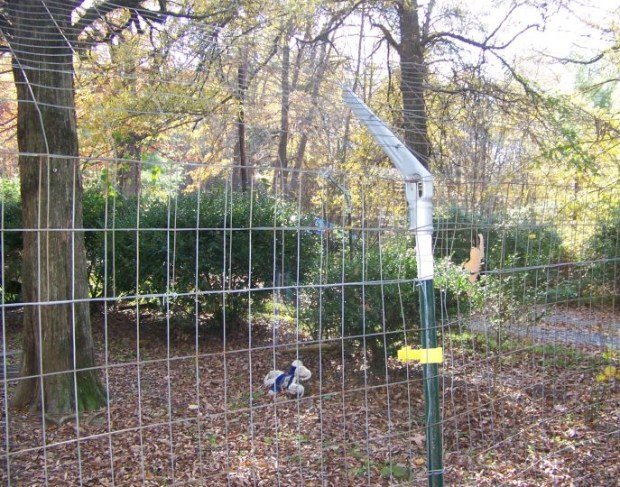
Fence toppers and extensions increase the height of your fence, creating a more formidable obstacle for your dog. You can add angled toppers that lean inward or outward, making it tricky for your dog to get a grip or balance. Materials like lattice panels or mesh extensions work well and can be customized to fit your fence style.
Have you noticed your dog’s favorite climbing spots? Focus your additions there for the best results. Sometimes, just an extra foot or two can make all the difference.
Using Anti-climb Paint Or Materials
Anti-climb paint is a non-toxic, slippery coating that discourages dogs from grabbing onto fence surfaces. It feels strange to the touch, so your dog quickly learns to avoid climbing. This paint can be applied to wood, metal, or concrete fences.
Besides paint, you can use materials like smooth metal sheets or plastic panels to cover rough surfaces. These create a slick surface that’s difficult for paws to grip.
Installing Roll Bars Or Coyote Rollers
Roll bars or coyote rollers are rotating bars installed at the top of your fence. When your dog tries to climb over, the bars spin under their paws, causing them to lose traction and stop climbing. This solution is especially useful for dogs that are strong jumpers or climbers.
They can be a bit tricky to install but are highly effective. Would you be willing to try a mechanical deterrent if it meant less stress and more peace of mind?
Environmental Enrichment And Exercise
Dogs climb fences for many reasons. Boredom and excess energy are common causes. Giving dogs enough exercise and mental stimulation helps reduce this behavior. A well-exercised dog feels calmer and less likely to escape.
Providing environmental enrichment keeps dogs busy and happy. This means creating activities that challenge their mind and body. Enrichment also reduces stress and destructive habits. Below are ways to use exercise and enrichment to stop fence climbing.
Daily Walks And Playtime
Regular walks burn off energy and satisfy a dog’s need to explore. Walks help dogs release excitement and anxiety. Playtime with your dog strengthens your bond and keeps them active.
- Take your dog for walks at least once a day.
- Play fetch, tug-of-war, or other favorite games in the yard.
- Try running or hiking for extra exercise.
- Change walking routes to keep things interesting.
Consistent exercise reduces the urge to climb fences. Dogs that tire out are less likely to look for ways to escape.
Interactive Toys And Mental Stimulation
Interactive toys keep your dog’s brain busy. Mental challenges help prevent boredom and fence climbing. Use toys that require problem-solving or treat rewards.
- Offer puzzle feeders that hide treats.
- Use chew toys that last and engage your dog.
- Try scent games like hiding treats around the yard.
- Rotate toys regularly to maintain interest.
Mental stimulation tires the mind like exercise tires the body. A mentally tired dog stays calmer and avoids destructive behaviors.
When To Seek Professional Help
Sometimes, stopping a dog from climbing a fence requires expert help. Signs such as repeated attempts, anxiety, or aggression show it is time to seek professional advice. Experts can understand your dog's behavior better and guide you with the right solutions. Acting early can prevent injuries and stress for both you and your dog.
Working With Trainers Or Behaviorists
Professional trainers and behaviorists study animal actions closely. They can find reasons behind fence climbing. Trainers teach dogs new, safe habits. Behaviorists work on deeper issues like anxiety or fear. Both offer personalized plans for your dog's needs. Training sessions help your dog learn boundaries clearly. Consistent guidance supports lasting behavior change.
Considering Veterinarian Advice
Veterinarians check your dog's health for clues. Medical problems may cause restlessness or escape attempts. Pain or discomfort might push dogs to climb fences. Vets can suggest treatments or medication. They also advise on exercise and diet adjustments. A healthy dog feels calmer and less likely to escape. Regular health checks are vital for behavior management.

Credit: www.therulybully.com
Frequently Asked Questions
How Can I Prevent My Dog From Climbing Fences?
Ensure your fence is tall enough and solid. Use deterrents like anti-climb strips or motion-activated sprinklers. Provide plenty of exercise and mental stimulation to reduce escape attempts.
What Fence Height Stops Dogs From Climbing?
A fence at least 6 feet high usually prevents most dogs from climbing. Some agile breeds may need taller fences or extra barriers like angled extensions.
Are There Training Methods To Stop Fence Climbing?
Yes, consistent training using commands like “stay” and positive reinforcement helps. Redirect your dog’s attention and reward good behavior to discourage climbing.
Can Fence Modifications Reduce Dog Climbing?
Adding smooth panels, anti-climb paint, or a fence roller can deter climbing. These modifications make it harder for dogs to get a grip or jump over.
Conclusion
Stopping a dog from climbing a fence can seem tough. But it's doable. Start by understanding why your dog climbs. Then, make your fence more secure. Use barriers or deterrents. Train your dog with patience and consistency. Provide plenty of exercise and mental stimulation.
These steps will help keep your dog safe and your fence intact. A little effort goes a long way. Happy training!