You've noticed it again. Your dog is sitting there, seemingly chewing on nothing.
It's puzzling, isn't it? This strange behavior can leave you wondering what's going on inside your furry friend's mind. You're not alone in this curiosity. Many dog owners have observed their pets engaging in this odd habit. Could it be a sign of something more serious, or is it just one of those quirky dog behaviors?
Understanding the reasons behind this can bring you peace of mind and ensure your dog's health and happiness. Stay with us, and we'll uncover the mysteries behind why your dog might be chewing with nothing in her mouth. You'll be surprised at what you discover!
Signs Of Mouth Chewing Behavior
Noticing your dog chewing with nothing in her mouth can be puzzling and a bit concerning. Understanding the signs of this unusual mouth chewing behavior helps you figure out what your dog might be trying to tell you. Paying attention to these signals is the first step in addressing any underlying issues.
Common Chewing Gestures
Your dog may move her jaw as if she is chewing, but you don’t see anything between her teeth. This can include:
- Repeated lip licking or smacking sounds
- Opening and closing her mouth slowly without biting down
- Chewing motions directed at the air or her paws
Have you noticed your dog chewing in the same spot or after certain activities? These gestures might be more than just a quirky habit—they could signal discomfort or stress.
Frequency And Duration Patterns
How often and how long your dog engages in this chewing behavior matters a lot. If it happens occasionally after eating or playing, it might be normal. But if your dog chews her mouth motionlessly for long stretches or very frequently throughout the day, it’s worth paying attention to.
Think about your dog’s daily routine. Does this behavior increase during stressful moments like loud noises or when left alone? Tracking the patterns can help you and your vet identify possible causes and find solutions faster.
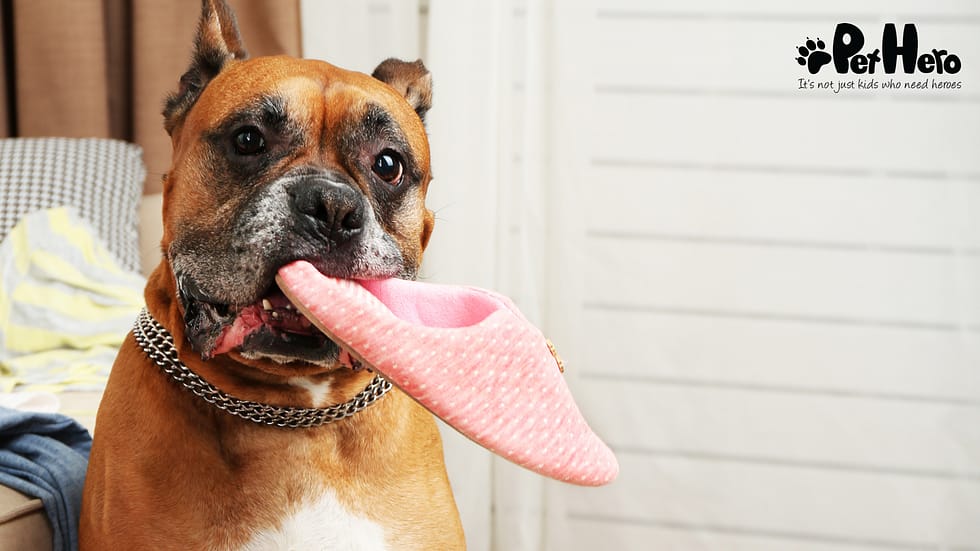
Credit: pethero.co.za
Physical Causes Behind Mouth Chewing
Dogs chewing with nothing in their mouths can be puzzling. Physical causes often trigger this strange behavior. Understanding these causes helps in addressing your dog’s discomfort. Some common physical reasons include dental problems, oral pain, and digestive issues.
Dental Problems
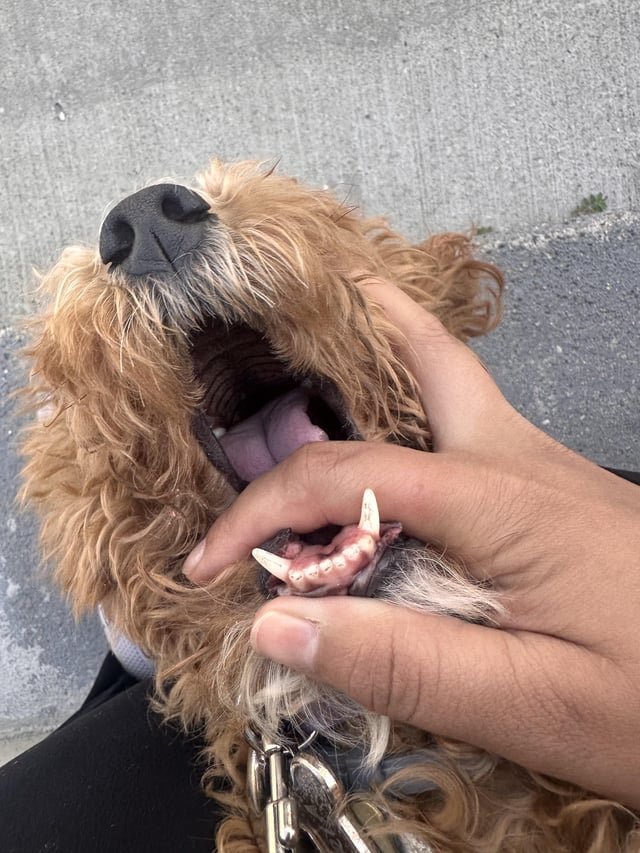
Dental issues can make dogs chew without holding anything. Problems like broken teeth, tartar buildup, or gum disease cause irritation. Dogs try to relieve this discomfort by chewing air. Regular dental checkups can prevent worsening problems.
Oral Pain Or Discomfort
Oral pain may come from injuries or infections inside the mouth. Dogs may chew repeatedly to soothe the pain. Mouth sores or foreign objects stuck in the gums can cause this. Watch for signs like drooling or pawing at the mouth.
Nausea And Digestive Issues
Nausea often makes dogs chew or lick the air. Digestive problems like upset stomach or acid reflux can trigger this. Chewing motion may help them cope with nausea sensations. A vet visit can identify and treat these issues.
Emotional Triggers For Empty Mouth Chewing
Dogs may chew with nothing in their mouths due to emotional reasons. This behavior often signals feelings they cannot express otherwise. Understanding these triggers helps improve your dog's well-being and your bond.
Anxiety And Stress
Stress can cause dogs to chew without anything in their mouths. It acts as a calming mechanism for them. Changes in environment or routine often trigger this behavior. Separation from owners or loud noises can increase anxiety levels. Chewing helps release nervous energy and soothe feelings.
Boredom And Lack Of Stimulation
Dogs need mental and physical activity daily. Without enough stimulation, they turn to chewing as a way to entertain themselves. Empty mouth chewing is a sign your dog feels understimulated. Providing toys, walks, and playtime reduces boredom. It channels their energy into positive actions.
Attention-seeking Behavior
Sometimes dogs chew to get your attention. They learn this action often leads to interaction. Even negative attention can reinforce this habit. Consistent training helps teach them other ways to seek attention. Reward calm behavior and ignore unwanted chewing episodes.
Neurological Factors Influencing Chewing
Neurological issues can play a surprising role in why your dog chews even when there’s nothing in her mouth. These factors affect the brain’s control over behavior, sometimes causing repetitive or unusual actions. Understanding these influences helps you respond in ways that improve your dog's comfort and health.
Compulsive Disorders
Compulsive disorders in dogs often look like repetitive chewing without any object involved. This behavior can be a sign that your dog is feeling anxious or stressed but doesn’t know how to express it. Have you noticed if your dog starts chewing more during certain situations, like when you're away or during loud noises?
Addressing compulsive chewing might mean creating a calm environment or consulting a vet about behavioral therapies. Sometimes, providing more mental stimulation and physical exercise can reduce these compulsive habits effectively.
Seizure Activity
Chewing motions without anything in the mouth can sometimes be a subtle sign of seizure activity. Not all seizures look dramatic; some cause repetitive mouth movements that might be mistaken for normal chewing. If your dog suddenly starts this behavior and it’s paired with other symptoms like twitching or confusion, it’s important to get a neurological exam.
Early diagnosis can make a big difference in managing seizures. Would you be able to observe and record these episodes to share with your vet? This kind of information helps pinpoint the exact cause and tailor treatments.
Brain Injury Or Disease
Injuries or diseases affecting the brain can disrupt normal chewing behavior. If your dog had a recent head injury or shows other changes like unsteady walking or altered personality, chewing with nothing in her mouth might be connected. This behavior could indicate that her brain is struggling to control normal muscle movements.
Veterinary care is crucial here. Imaging tests and neurological assessments can reveal if a brain injury or disease is behind the chewing. Have you noticed any other unusual signs that might suggest your dog needs a thorough neurological check?
Environmental And Lifestyle Influences
Environmental and lifestyle factors play a big role in why dogs chew without anything in their mouths. Changes around them or in their daily habits can cause this odd behavior. Understanding these influences helps to address the root cause and improve your dog's well-being.
Changes In Routine
Dogs thrive on consistency. A sudden change in their daily schedule can cause stress or anxiety. Moving to a new home, a change in the owner's work hours, or a new family member can unsettle your dog. This anxiety may lead to chewing behaviors as a way to cope.
Even small shifts like a new walking route or feeding time can confuse your dog. The uncertainty makes them restless, and chewing might offer some comfort.
Lack Of Exercise
Dogs need regular physical activity to stay happy and healthy. Without enough exercise, they can become bored or frustrated. This lack of stimulation often leads to chewing as a way to release pent-up energy.
Active breeds especially need daily walks and playtime. When their energy is not used properly, they look for other outlets, like chewing on air or nothing at all.
Diet And Hydration Impact
What your dog eats and drinks affects their behavior. Poor nutrition or dehydration can cause discomfort or restlessness. Sometimes, chewing without anything in the mouth signals these issues.
Make sure your dog has a balanced diet rich in nutrients. Fresh water should always be available to keep them hydrated and comfortable.
When To Consult A Veterinarian
Watching your dog chew with nothing in her mouth can be worrying. This behavior may signal discomfort or health issues. Knowing when to consult a veterinarian is important to ensure your pet’s well-being. Early attention can prevent serious problems and bring relief to your dog.
Identifying Warning Signs
Observe your dog’s behavior closely. Look for signs like:
- Excessive chewing without any object
- Restlessness or agitation
- Loss of appetite
- Drooling or pawing at the mouth
- Visible swelling or redness in the mouth
- Changes in normal activities or mood
These signs suggest discomfort or pain. They require prompt veterinary evaluation.
Diagnostic Approaches
The veterinarian will perform a thorough physical exam. They may check teeth, gums, and oral tissues. X-rays or blood tests can help identify underlying issues. Sometimes, behavioral causes need assessment. Accurate diagnosis guides effective treatment plans.
Treatment Options
Treatment depends on the cause. It might include:
- Medication for pain or infection
- Dental cleaning or tooth extraction
- Behavioral therapy for anxiety or stress
- Special diet or supplements
- Regular follow-ups to monitor progress
Proper care helps your dog stop chewing unnecessarily and feel better.
Tips To Manage And Reduce Mouth Chewing
Managing and reducing mouth chewing in dogs requires consistent effort and attention. This behavior often signals boredom, anxiety, or a need for stimulation. Offering the right support can help your dog feel calmer and more satisfied. Below are effective ways to manage this habit and improve your dog’s overall well-being.
Providing Mental Stimulation
Dogs need mental challenges to stay happy. Puzzle toys and treat dispensers engage their brain and reduce chewing out of boredom. Training sessions with new commands or tricks keep their mind active. Rotate toys regularly to maintain interest. Mental exercises tire your dog in a healthy way.
Improving Physical Activity
Exercise helps release excess energy that leads to chewing. Daily walks, playtime, and running sessions keep your dog physically fit. Hiking or swimming adds variety and excitement. Active dogs tend to chew less because they feel more relaxed. Tailor activity levels to your dog’s age and breed.
Using Calming Techniques
Stress often triggers mouth chewing. Calming methods help your dog feel secure and peaceful. Gentle massages, soft music, or pheromone diffusers create a soothing environment. Create a quiet space for your dog to retreat and relax. Consistent routines lower anxiety and reduce unwanted chewing.

Credit: www.reddit.com

Credit: www.reddit.com
Frequently Asked Questions
Why Does My Dog Chew With Nothing In Her Mouth?
Dogs may chew air due to anxiety, boredom, or stress. This behavior can also be a sign of dental discomfort or neurological issues. Observing your dog's environment and behavior helps identify triggers and find solutions.
Is Air Chewing In Dogs A Sign Of Anxiety?
Yes, air chewing often indicates anxiety or stress in dogs. It may occur during separation or unfamiliar situations. Providing comfort, exercise, and mental stimulation can reduce this behavior.
Can Boredom Cause My Dog To Chew With Nothing?
Boredom is a common cause of air chewing in dogs. Lack of physical and mental activities leads dogs to seek stimulation. Regular exercise and interactive toys help prevent this behavior.
Should I Be Worried If My Dog Chews Air Frequently?
Frequent air chewing might signal health issues like dental pain or neurological problems. Consult a veterinarian if the behavior persists or worsens to ensure proper diagnosis and treatment.
Conclusion
Dogs chewing with nothing in their mouth can seem strange. It often shows they feel bored or anxious. Sometimes, they just explore the world around them. Watching your dog closely helps you understand their needs better. Giving toys or more playtime can reduce this behavior.
Always be patient and gentle when guiding your dog. Small changes can make a big difference in their happiness. Remember, chewing is a natural way dogs express themselves. Stay calm and caring to keep your dog healthy and content.