Watching your puppy grow is an exciting journey filled with joy, play, and a few chewed-up shoes. However, as your puppy matures, a crucial question arises: when do you stop giving your dog puppy food?
Feeding your furry friend the right diet is essential for their health and development. Switching too early or too late can lead to nutritional imbalances. You'll discover the signs that your puppy is ready for adult dog food, ensuring they receive the best nutrition at every stage.
Stick around to learn how to make this transition smoothly and effectively, and keep your pup thriving!
Puppy Food Basics
Understanding the basics of puppy food is essential if you want your dog to grow healthy and strong. Puppy food is specifically designed to meet the unique needs of growing dogs. Knowing why it matters and what key nutrients it contains can help you decide when to switch to adult dog food.
Why Puppy Food Matters
Puppies have different nutritional needs than adult dogs. Their bodies are developing quickly, and they need more calories and nutrients to support this rapid growth. Feeding your puppy the right food helps build a strong immune system and healthy bones.
Think about your own diet during growth phases—would you eat the same foods as an adult? Probably not. The same idea applies to puppies. Using adult dog food too early can leave your puppy without the nutrients they need.
Key Nutrients In Puppy Food
Puppy food includes higher amounts of protein and fat than adult dog food. These nutrients provide energy and help build muscles. You’ll also find extra vitamins and minerals like calcium and DHA, which support bone growth and brain development.
- Protein:Builds strong muscles and tissues.
- Fat:Provides energy and supports healthy skin and coat.
- Calcium and Phosphorus:Crucial for strong bones and teeth.
- DHA:Supports brain and eye development.
- Vitamins and Minerals:Boost overall health and immunity.
Have you noticed how your puppy’s energy levels and growth change with different foods? Choosing puppy food ensures they get the right balance of these nutrients every day.

Credit: zignature.com
Signs To Switch
Knowing the right time to stop feeding puppy food is important for your dog's health. Puppy food has more nutrients to support growth. As your dog grows, its needs change. Watch for clear signs that show it's time to switch to adult food. These signs help you keep your dog healthy and strong.
Age Milestones
Most dogs switch from puppy to adult food between 9 and 12 months old. Small breeds may switch earlier, around 9 months. Large breeds often need puppy food longer, up to 12 or 18 months. Age gives a good guide but is not the only factor to check.
Weight And Size Indicators
When your dog reaches about 80% of its adult weight, it may be time to change. Growth slows down, and calorie needs drop. Watch your dog’s size and weight carefully. If growth stops or slows, adult food is usually better.
Behavioral Changes
Your dog’s behavior can also show readiness to switch foods. Less energy for play or more calmness is common. If your dog seems less hungry or finishes meals faster, these are signs. A healthy adult dog eats less than a growing puppy.
Choosing Adult Dog Food
Choosing adult dog food is a key step after your puppy grows. The right food supports your dog's health and energy. It meets their changing needs as they grow from puppies to adults.
Adult dog food has different nutrients and ingredients than puppy food. Feeding the correct type helps keep your dog strong and happy. Picking the right food can be simple with the right knowledge.
Nutritional Differences
Adult dog food has fewer calories than puppy food. Puppies need more energy to grow fast. Adults need balanced nutrients to maintain weight and health.
Adult food usually has less fat and more fiber. This helps with digestion and weight control. Protein levels stay high to keep muscles strong. Vitamins and minerals adjust to support adult needs.
Types Of Adult Dog Food
- Dry kibble:Easy to store and good for teeth.
- Wet food:More moisture, tasty and easy to chew.
- Raw or fresh food:Less processed, closer to natural diet.
- Specialty diets:For sensitive stomachs or allergies.
Each type suits different dogs. Consider your dog’s preferences and health when choosing.
Consulting Your Vet
Your vet knows your dog’s health best. They can suggest the right food type and brand. Vets help if your dog has special needs or health issues.
Ask about portion sizes and feeding schedules. Vets provide advice to avoid sudden changes in diet. Their guidance keeps your dog healthy and happy.
Transitioning Tips
Transitioning your dog from puppy food to adult food requires care and patience. Sudden changes can upset their stomach or cause refusal to eat. Follow these tips to make the switch smooth and safe for your furry friend.
Gradual Food Changes
Start by mixing a small amount of adult food with puppy food. Increase the adult food portion slowly over 7 to 10 days. This helps your dog’s digestive system adapt. Watch for any signs of dislike or discomfort. Gradual change reduces stress and encourages acceptance of the new food.
Monitoring Digestive Health
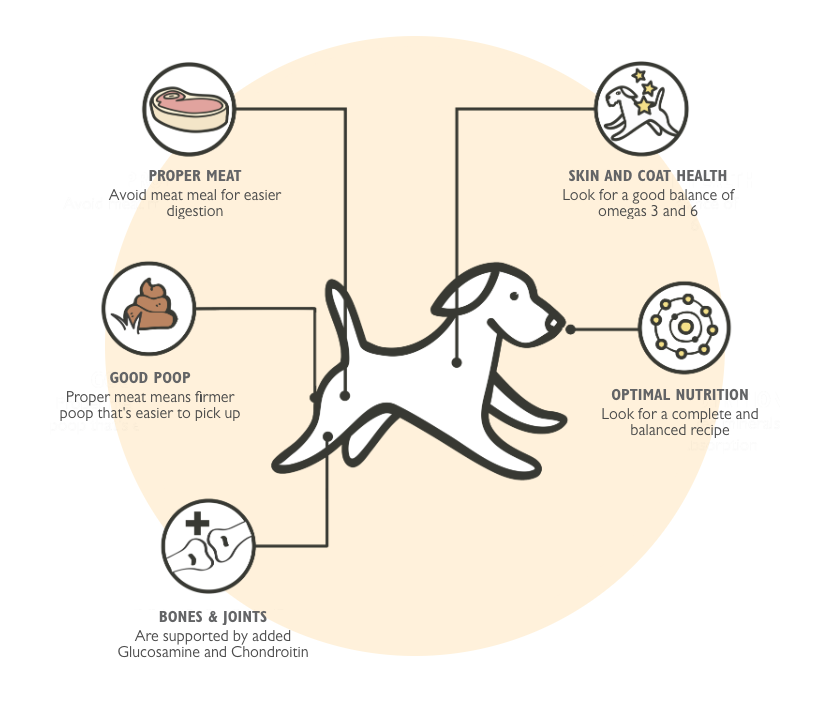
Check your dog’s stool for changes after food shifts. Soft stools or diarrhea can mean the transition is too fast. A healthy digestive system shows firm, regular stools. If problems persist, slow down the food change. Keep your vet informed about any ongoing digestive issues.
Adjusting Portion Sizes
Adult dogs need different calories than puppies. Reduce portion sizes as you switch to adult food. Follow the feeding guidelines on the food package. Adjust portions based on your dog’s weight and activity level. Feeding the right amount keeps your dog healthy and prevents weight gain.
Common Mistakes To Avoid
Feeding your dog the right food at the right time is crucial for healthy growth. Many pet owners make common mistakes that can affect their puppy’s development. Avoiding these errors helps ensure your dog grows strong and happy. Understanding these mistakes keeps your pet’s diet on track.
Switching Too Early
Changing from puppy food to adult food too soon can cause nutrition gaps. Puppies need extra nutrients for their bones and muscles. Early switching may lead to weak growth or digestive problems. Watch your puppy’s age and size before changing food. Consult your vet for the best timing.
Ignoring Breed Differences
Not all dogs grow at the same speed. Small breeds mature faster than large breeds. Large breeds need puppy food longer to support slow growth. Treating all puppies the same can cause health issues. Check breed-specific guidelines to feed your dog properly.
Overfeeding Risks
Giving too much food, even if it is puppy food, can harm your dog. Overfeeding may cause obesity and joint problems. It can also upset digestion and energy levels. Follow feeding instructions and adjust portions as your puppy grows. Keep your dog’s weight in a healthy range.

Credit: pupford.com
Special Cases
Some puppies need special care when switching from puppy food to adult food. Their breed size and health conditions affect the right time to change their diet. Understanding these special cases helps keep your dog healthy and growing well.
Large Breed Puppies
Large breed puppies grow fast but need controlled nutrition. They stay on puppy food longer than small breeds. Usually, they switch between 12 to 18 months old. This helps prevent joint and bone problems. Their food has less calories but more nutrients for slow, steady growth.
Small Breed Puppies
Small breed puppies mature quicker than large breeds. Most stop puppy food by 9 to 12 months old. They need energy-rich food to support their fast metabolism. Switching too late may cause weight gain or digestive issues. Watch their weight and energy levels closely during the change.
Puppies With Health Issues
Puppies with health problems need special diets and care. Your vet will guide the right time to stop puppy food. Some might need puppy food longer to build strength. Others may require special formulas for allergies or digestion. Always follow your vet’s advice to keep your pup safe.

Credit: www.lilyskitchen.co.uk
Frequently Asked Questions
When Should I Stop Feeding My Dog Puppy Food?
You should stop feeding puppy food when your dog reaches about 80% of their expected adult size. This usually happens between 9 to 12 months for small breeds, and up to 18-24 months for larger breeds. Switching too early or late can affect their growth and nutrition.
How Do I Know My Puppy Is Ready For Adult Food?
Signs include steady weight gain, slowed growth, and maturity in behavior. Your vet can confirm readiness during regular check-ups. Transitioning gradually over 7-10 days helps avoid digestive upset. Adult dog food meets the nutritional needs of a fully grown dog.
Can I Mix Puppy And Adult Dog Food During Transition?
Yes, mixing puppy and adult food during transition is recommended. Start with 75% puppy food and 25% adult food. Gradually increase adult food over 7-10 days. This method helps your dog’s digestive system adjust smoothly and reduces the risk of stomach upset.
What Happens If I Feed Puppy Food Too Long?
Feeding puppy food too long can cause weight gain and nutrient imbalance. Puppy food is richer in calories and nutrients meant for growth. Adult dogs need a balanced diet to maintain healthy weight and avoid obesity-related health issues.
Conclusion
Puppy food supports your dog’s growth and energy needs. Most dogs switch to adult food between 9 and 12 months. Watch their size, activity, and breed to decide the right time. Talk to your vet for tailored advice. Changing food gradually helps your dog adjust well.
Feeding the right food keeps your dog healthy and happy. Keep an eye on your dog’s health as they grow. Healthy meals build a strong, active adult dog. Trust your dog’s needs and instincts during this change.