
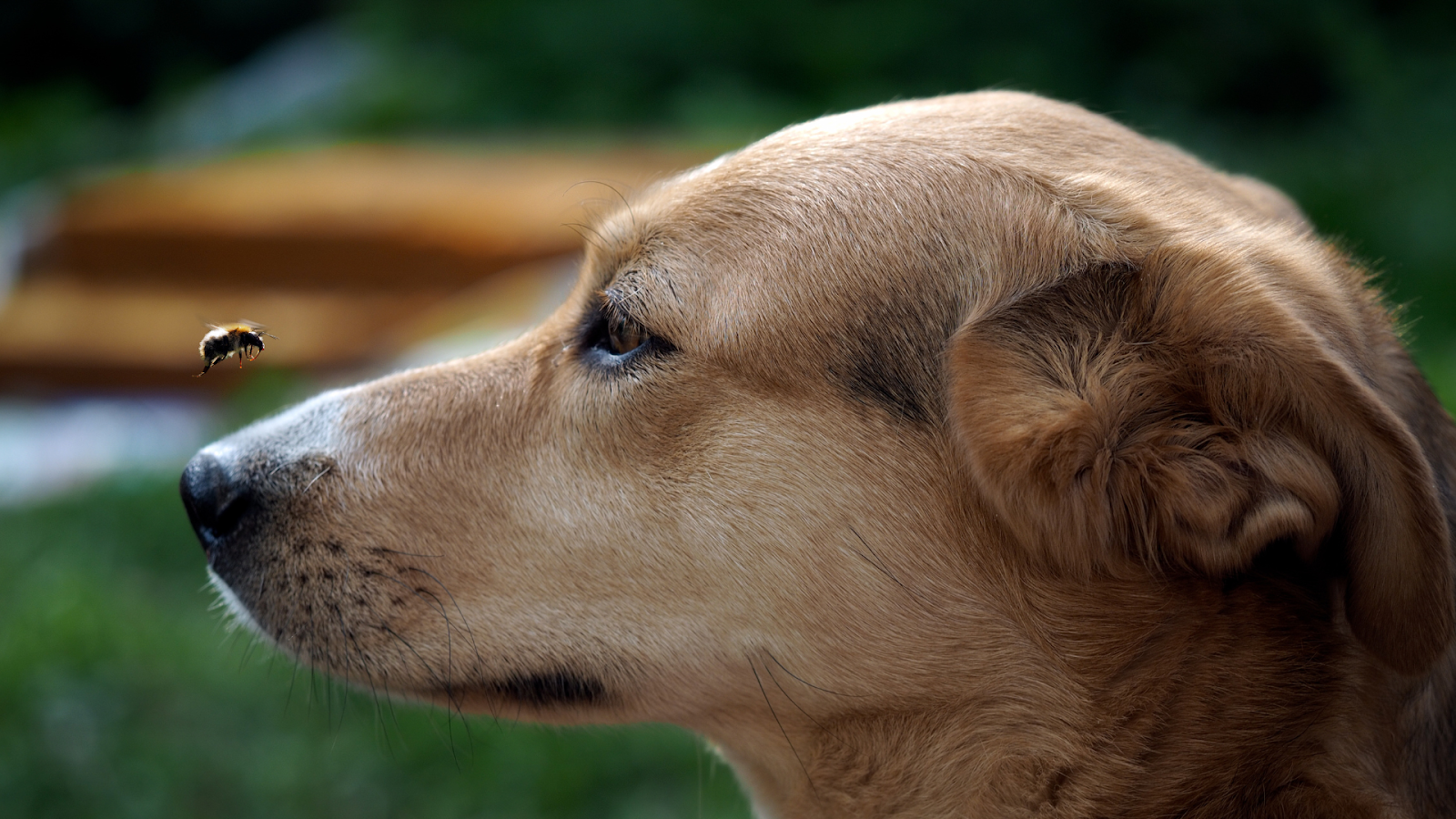
Imagine this: you and your furry friend are enjoying a sunny afternoon in the garden. Suddenly, your dog yelps and starts pawing at their face or paw.
A bee sting! Panic sets in, but you’re not alone. You can handle this. Knowing how to treat a bee sting for a dog can make all the difference in keeping your pet safe and comfortable. Your loyal companion relies on you for help and comfort in moments like these.
This guide will walk you through each step, ensuring that you feel confident and prepared. Keep reading to discover simple yet effective ways to treat your dog after a bee sting, ensuring their swift return to their joyful, tail-wagging self.
Signs Of A Bee Sting In Dogs
Spotting a bee sting on your dog quickly can make all the difference in how fast they recover. Dogs can't tell us when they're in pain, so you need to watch for signs that show something is wrong. Understanding these signs helps you act fast and keep your furry friend comfortable.
Common Symptoms
After a bee sting, your dog might show several noticeable symptoms. Swelling is usually the first thing you’ll see, especially around the face, ears, or paws. The sting area may also turn red and feel warm to the touch.
Your dog might lick or bite the sting site repeatedly, trying to soothe the irritation. Watch for limping if the sting is on a paw. Some dogs become restless or whine more than usual because of the discomfort.
Other symptoms include:
- Small bumps or hives on the skin
- Excessive drooling
- Rapid breathing or panting
- Shaking or trembling
Remember, every dog reacts differently. Some may show only mild symptoms, while others may seem very distressed.
When To Seek Vet Help
Knowing when to call the vet can save your dog’s life. If you notice your dog has trouble breathing or swelling spreads rapidly beyond the sting site, seek immediate veterinary care.
Also, watch for signs of an allergic reaction, such as:
- Vomiting or diarrhea
- Weakness or collapse
- Pale gums or excessive drooling
If your dog has multiple stings or a history of allergies, don’t wait to get professional help. Have you ever seen your dog react unusually to a sting? Acting fast can prevent serious complications.
Credit: www.undertheweatherpet.com
Immediate Actions After A Sting
Act quickly after a dog gets stung by a bee. Immediate care lowers pain and swelling. It also helps prevent infection and serious reactions. Knowing what to do right away is important for your dog's health.
Removing The Stinger Safely
Check the sting site for a stinger. Use a flat object like a credit card to gently scrape it out. Avoid using tweezers or pinching. Squeezing can release more venom into your dog's skin. Remove the stinger as soon as possible to reduce discomfort.
Cleaning The Affected Area
Clean the sting spot with mild soap and cool water. This removes dirt and bacteria. Pat the area dry with a clean cloth. Avoid rubbing, which can irritate the skin. Keeping the site clean helps prevent infection and speeds healing.
Home Remedies For Bee Stings
Dealing with a bee sting on your dog can be stressful, but some simple home remedies can bring quick relief. These treatments can reduce swelling, soothe pain, and prevent infection without the need for immediate vet visits. Let’s look at easy ways you can help your furry friend feel better right away.
Cold Compress Application
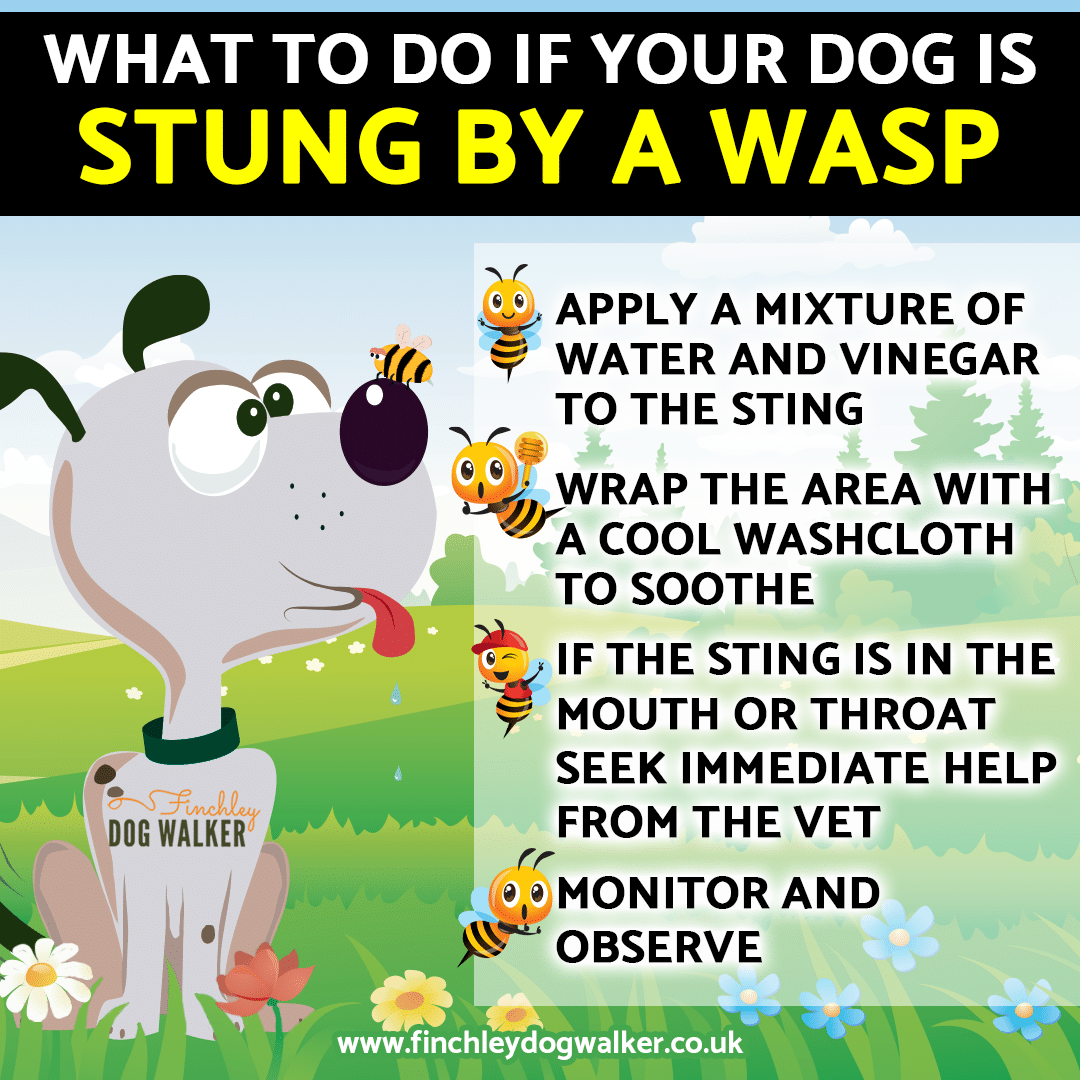
Applying a cold compress is one of the fastest ways to reduce swelling and numb the pain. Wrap some ice cubes in a clean cloth and gently press it on the sting site for about 10 minutes. Repeat this every hour if your dog allows it, but always watch for any signs of discomfort.
Have you noticed how even a brief chill can calm your dog’s agitation? This simple trick often works wonders in calming inflammation and stopping the sting from getting worse.
Using Baking Soda Paste
Baking soda can neutralize the acidic venom from the sting and ease itching. Mix a small amount of baking soda with water to create a thick paste, then apply it directly to the sting area. Leave it on for 10 to 15 minutes before gently rinsing it off with cool water.
This remedy helped my dog stop scratching a sting within minutes. It’s safe, inexpensive, and something you probably already have in your kitchen. Remember not to let your dog lick the paste off to avoid irritation.
Aloe Vera Benefits
Aloe vera is a natural healer with anti-inflammatory and cooling properties. If you have an aloe plant, break off a leaf and apply the fresh gel to the sting spot. The soothing gel reduces redness and promotes faster skin healing.
Many dog owners find aloe vera especially helpful for sensitive skin. Just be sure your dog doesn’t ingest large amounts, and always use pure aloe vera without added chemicals or fragrances.

Credit: gethoneycure.com
Over-the-counter Treatments
Over-the-counter treatments can be a quick and effective way to ease your dog's discomfort from a bee sting. These options often help reduce swelling, itching, and pain right at home. Before using any product, make sure to check the ingredients and confirm it’s safe for dogs, as some human medications can be harmful.
Antihistamines For Dogs
Antihistamines like diphenhydramine (Benadryl) are commonly used to manage allergic reactions in dogs. They help reduce itching and swelling caused by the sting. However, the correct dosage depends on your dog’s weight, so consult your vet or follow instructions carefully.
Have you noticed your dog scratching or licking the sting site excessively? Antihistamines can calm this irritation, but watch for side effects like drowsiness or dry mouth. If symptoms worsen or your dog shows signs of a severe allergic reaction, seek veterinary care immediately.
Topical Ointments
Applying a soothing cream or ointment can provide fast relief to the sting area. Products containing hydrocortisone or aloe vera help reduce inflammation and calm the skin. Be sure the ointment is free from harmful chemicals and safe for pets.
After applying, prevent your dog from licking the ointment off by using an Elizabethan collar if needed. You might find some natural options, like chamomile or calendula creams, are gentle and effective for sensitive skin. What ointment works best for your dog’s specific sting reaction?
Preventing Future Bee Stings
Preventing future bee stings is just as important as treating one. It helps keep your dog safe and avoids the stress and discomfort that come with stings. Taking simple steps can reduce the chances of your dog running into bees again.
Avoiding Bee-infested Areas
Look closely at where your dog plays and walks. Bees often gather around flowering plants, fruit trees, and trash bins. Avoid parks or gardens with lots of blooming flowers during peak bee activity times, usually mid-morning to afternoon.
Be cautious near beehives or places where bees swarm. If you notice bees frequently buzzing in a spot, steer clear. Even if your dog is curious, their natural instinct to sniff can lead to a painful sting.
Training And Supervision Tips
Teaching your dog to respond to commands like “leave it” or “come” can be a lifesaver. These commands help you pull your dog away quickly if they approach bees. Practice these commands often in different environments to make sure your dog listens every time.
Keep a close eye on your dog during outdoor activities. Supervision allows you to spot bee activity early and intervene. Have treats ready to reward your dog for staying calm and following your commands around bees.
When To Visit The Veterinarian
Knowing when to visit the veterinarian after your dog gets stung by a bee can make a huge difference in how quickly and effectively your pet recovers. Some bee stings cause mild discomfort, but others can trigger severe reactions that need immediate medical attention. Paying close attention to your dog’s behavior and physical symptoms will help you decide if a vet visit is necessary.
Signs Of Allergic Reaction
Watch for symptoms like swelling beyond the sting site, especially around the face, eyes, or throat. Difficulty breathing or rapid panting can indicate a serious allergic reaction. Other warning signs include:
- Excessive drooling or vomiting
- Weakness or collapse
- Hives or red, itchy patches on the skin
- Unusual lethargy or confusion
If your dog shows any of these signs, don’t wait. Allergic reactions can escalate quickly and become life-threatening.
Emergency Care Procedures
If you notice severe symptoms, call your vet or an emergency animal clinic immediately. While you prepare to get professional help, try to keep your dog calm and still. This helps slow the spread of venom in their body.
Remove the stinger if you see it—using a flat object like a credit card rather than tweezers, to avoid squeezing more venom into the skin. Applying a cold compress can reduce swelling and pain. Avoid giving your dog any human medications unless directed by your vet.
Have you ever faced a situation where quick action saved your dog’s life? Being ready and knowing the signs can make you that kind of hero for your furry friend.
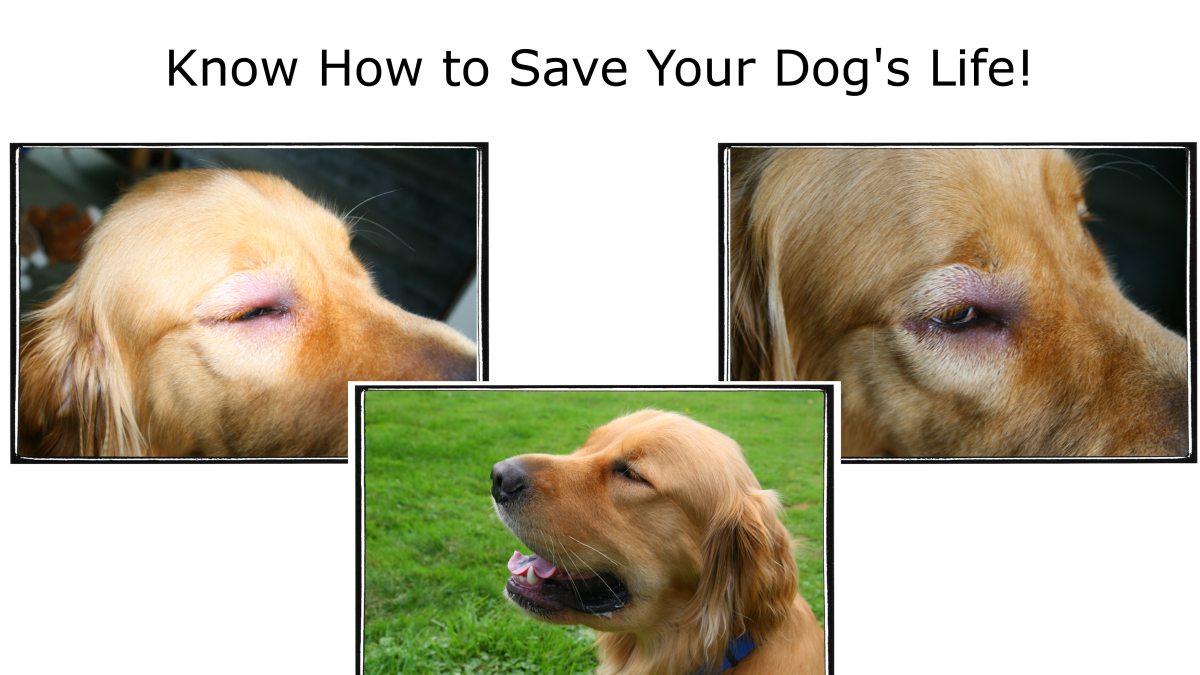
Credit: pethelpful.com
Frequently Asked Questions
How Do I Remove A Bee Sting From My Dog?
Gently scrape the sting out using a flat object like a credit card. Avoid squeezing to prevent more venom release. Clean the area with mild soap and water immediately.
What Are The Signs Of A Bee Sting In Dogs?
Look for swelling, redness, pain, and excessive licking. Dogs may also show signs of itching, limping, or difficulty breathing in severe cases.
When Should I See A Vet For A Bee Sting?
Seek veterinary care if your dog shows severe swelling, difficulty breathing, vomiting, or weakness. Immediate help is crucial for allergic reactions or multiple stings.
How Can I Reduce Swelling From A Dog’s Bee Sting?
Apply a cold compress to the affected area for 10 minutes. This helps reduce pain and swelling. Repeat every few hours as needed.
Conclusion
Treating a bee sting on your dog quickly helps reduce pain and swelling. Remove the stinger gently to stop more venom. Clean the area with mild soap and water. Use a cold pack to ease discomfort. Watch your dog closely for signs of allergic reaction.
Call your vet if symptoms worsen or breathing changes. Keeping calm and acting fast protects your furry friend. Simple care steps make a big difference in recovery. Your dog will feel better soon with proper treatment.