Is your furry friend getting enough protein in their diet? You may not realize it, but protein is a vital component that keeps your dog healthy and full of energy.
Just like humans, dogs need a balanced diet to thrive, and protein plays a big role in building strong muscles, maintaining a shiny coat, and boosting their immune system. But with so many options out there, you might be wondering, "What foods are high in protein for dogs?
" You'll discover the top protein-rich foods that can make a world of difference in your dog's well-being. Whether you're considering a new diet or just want to give your pet a nutritious boost, we've got you covered. Stay with us to learn how to give your dog the best possible nutrition and ensure they live a long, happy, and active life.
Benefits Of Protein For Dogs
Protein plays a crucial role in your dog's overall health. It supports various bodily functions that keep your furry friend active and thriving. Understanding these benefits can help you choose the right protein-rich foods for your dog’s diet.
Role In Muscle Development
Protein provides the building blocks for muscle growth and repair. If your dog is active or recovering from an injury, protein helps rebuild muscle tissue efficiently. Ever noticed how your dog seems more energetic after a high-protein meal? That’s muscle health at work.
Impact On Energy Levels
Proteins supply essential amino acids that your dog’s body converts into energy. Unlike carbs, protein offers a steady energy release, which keeps your dog lively throughout the day. Have you seen how some dogs stay playful longer after eating protein-packed meals?
Support For Immune Health
Your dog’s immune system relies on protein to produce antibodies and other immune cells. Adequate protein intake strengthens their defense against infections and illnesses. Think about it—when your dog feels under the weather, boosting protein can often support quicker recovery.
Animal-based Protein Sources
Animal-based protein sources provide essential nutrients for dogs. These proteins support muscle growth, repair, and overall health. Dogs naturally thrive on meats, which contain amino acids vital for their well-being. Including a variety of animal proteins can ensure a balanced diet.
Chicken And Turkey
Chicken and turkey are lean meats rich in protein. They offer important vitamins like B6 and niacin. These poultry options are easy to digest and widely available. Feeding cooked chicken or turkey helps maintain strong muscles.
Beef And Lamb
Beef and lamb provide high-quality protein and iron. They contain essential fatty acids that support skin and coat health. These red meats are calorie-dense, making them good for active dogs. Always cook them thoroughly to avoid bacteria.
Fish Varieties
Fish such as salmon, sardines, and mackerel deliver protein and omega-3 fatty acids. Omega-3s reduce inflammation and improve brain function. Fish is gentle on the stomach and can diversify your dog’s diet. Avoid fish with high mercury levels.
Eggs And Dairy
Eggs are a complete protein source, packed with amino acids. They also contain vitamins A and D, which support vision and bone health. Dairy products like plain yogurt and cheese offer protein and calcium. Introduce dairy slowly to prevent digestive upset.
Plant-based Protein Options
Plant-based protein options offer a good alternative to meat for dogs. These foods provide essential amino acids that support muscle growth and overall health. They also add variety to your dog's diet and can be easier to digest for some pets.
Not all plant proteins are complete on their own, so combining different sources can help meet your dog's nutritional needs. Always introduce new foods gradually to avoid stomach upset.
Legumes And Beans
Legumes like lentils, chickpeas, and peas are rich in protein and fiber. Beans such as black beans and kidney beans also offer high protein content. These foods support digestion and help maintain healthy energy levels.
- Cook thoroughly to improve digestibility.
- Serve in small amounts to avoid gas or bloating.
- Do not add salt, spices, or seasonings.
Quinoa And Grains
Quinoa is a complete protein, containing all nine essential amino acids. Brown rice, oats, and barley add extra protein and fiber. These grains provide steady energy and help keep your dog full longer.
- Cook grains fully before serving.
- Mix with other protein sources for balance.
- Use plain, without added oils or seasonings.
Peanut Butter And Nuts
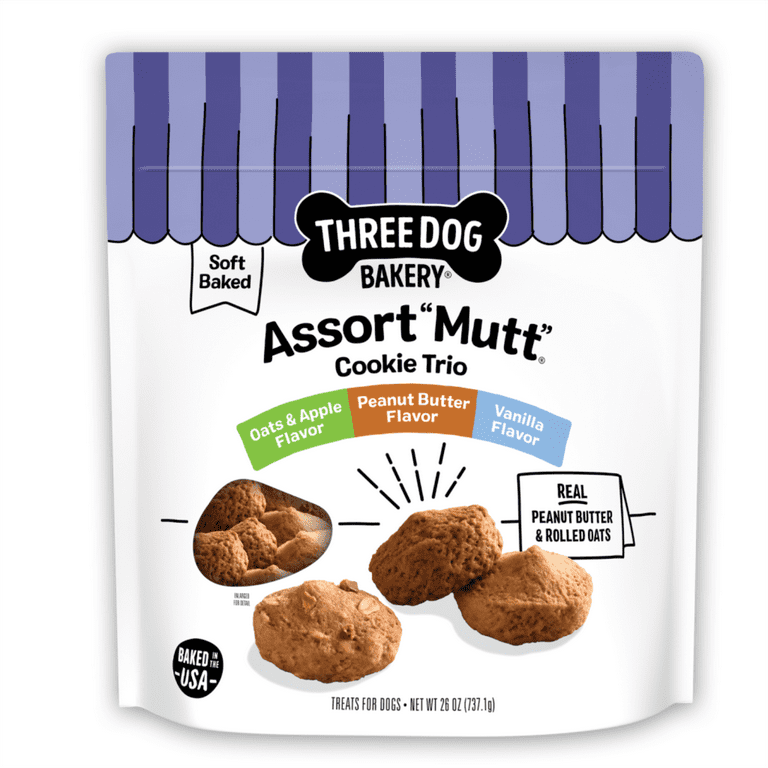
Peanut butter is a tasty protein source many dogs enjoy. Nuts like almonds and cashews contain protein and healthy fats. Use these foods sparingly due to their high fat content.
- Choose unsalted, unsweetened peanut butter.
- Avoid macadamia nuts, toxic to dogs.
- Offer small amounts to prevent weight gain.
Credit: www.purina.com
Commercial High-protein Dog Foods
Commercial high-protein dog foods offer many options for pet owners. These foods are designed to support muscle health and energy levels. Protein content varies by brand and type. Choosing the right product depends on your dog's needs and preferences.
Dry Kibble Choices
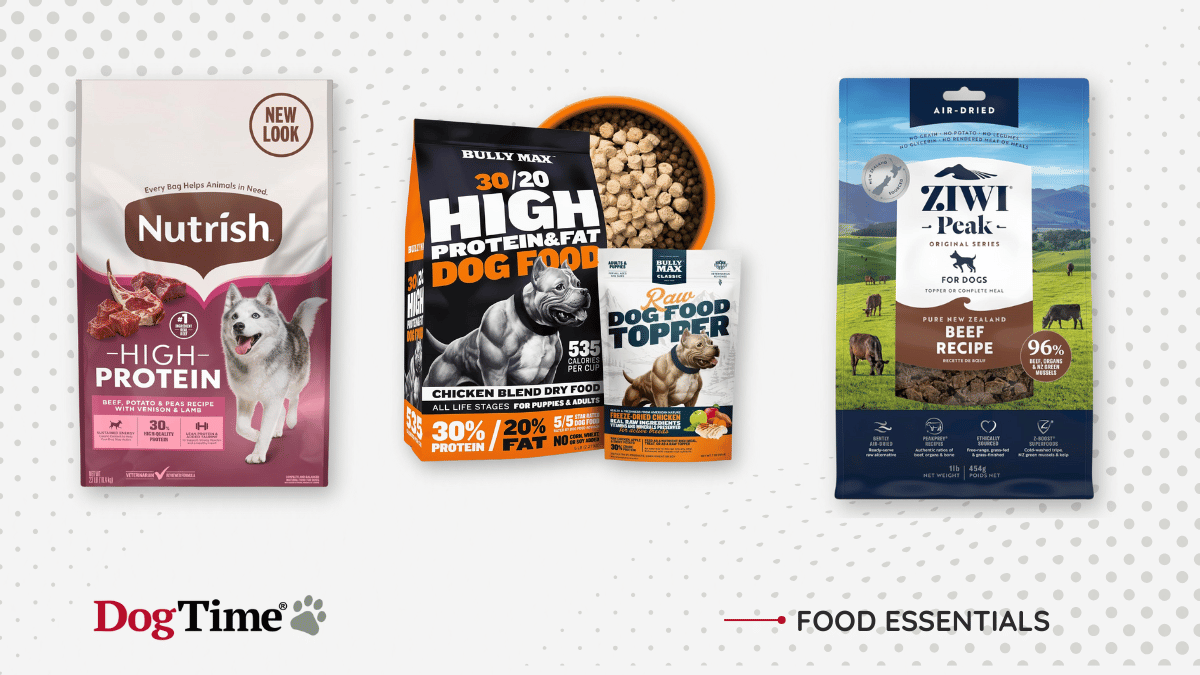
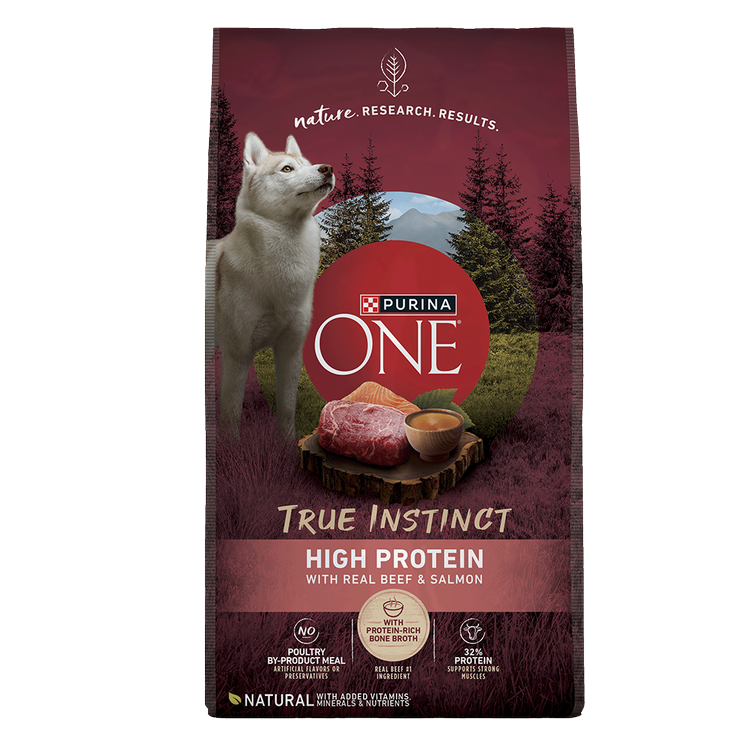
Dry kibble is a popular form of high-protein dog food. It is easy to store and serve. Many brands use real meat as the main ingredient. Some formulas include chicken, beef, or lamb. Look for products with at least 25% protein on the label. Kibble often contains added vitamins and minerals for balanced nutrition.
Wet Food Varieties
Wet dog food usually has higher moisture and protein content. It appeals to dogs that prefer softer textures. Wet options often include chunks of meat or gravy. Protein levels can range from 8% to over 12%. This type supports hydration and is gentle on sensitive stomachs.
Raw And Freeze-dried Options
Raw and freeze-dried foods aim to mimic a natural diet. They contain minimally processed meats and organs. Freeze-dried meals preserve nutrients without refrigeration. Raw diets provide high protein and essential amino acids. These options suit dogs with specific dietary needs or allergies.
Protein Needs By Dog Type
Understanding the protein needs of your dog depends a lot on their type and lifestyle. Different dogs require different amounts of protein to stay healthy and energetic. Paying attention to these needs helps you choose the right foods that support their growth, activity, and overall wellbeing.
Puppies Vs Adult Dogs
Puppies need more protein than adult dogs because they are growing rapidly. Their bodies use protein to build strong muscles, bones, and organs. Feeding your puppy high-protein foods like chicken, eggs, or specially formulated puppy kibble supports their development.
Adult dogs require protein to maintain muscle mass and repair tissues. They don’t need as much as puppies, but quality matters. Too little protein can lead to weakness, while too much can strain their kidneys if they have health issues.
Active Vs Sedentary Dogs
Active dogs, such as working dogs or those who exercise daily, burn more calories and need more protein to fuel their muscles. Protein-rich foods like lean beef, fish, or cottage cheese help them recover and stay strong.
Sedentary dogs have lower protein needs. Overfeeding protein can cause weight gain or digestive troubles. If your dog spends most of the day resting, focus on balanced meals with moderate protein and plenty of fiber.
Senior Dog Requirements
Senior dogs often face muscle loss and reduced metabolism. They benefit from protein that is easy to digest and supports joint health. Foods with moderate protein, like turkey or salmon, combined with supplements like glucosamine, can improve their quality of life.
Have you noticed changes in your dog’s energy or muscle tone? Adjusting their protein intake could make a big difference in how they feel every day.

Credit: dogtime.com
Safe Feeding Tips
Feeding dogs high-protein foods requires care and attention. Safe feeding ensures dogs get nutrients without harm. Understanding safe feeding tips helps avoid health risks and supports their well-being.
Avoiding Allergens
Some dogs have food allergies or sensitivities. Common allergens include beef, dairy, and chicken. Watch for signs like itching, swelling, or upset stomach. Introduce new proteins slowly and one at a time. Consult a vet if allergies appear. Choose hypoallergenic or novel protein sources if needed.
Balanced Diet Considerations
Protein is vital but must balance with fats, carbs, and fiber. Too much protein can strain kidneys. Include vegetables and grains for fiber and vitamins. Use commercial dog foods as a base, then add protein supplements. Variety helps dogs get all essential nutrients. Tailor diet to age, size, and activity level.
Portion Control
Overfeeding protein can cause weight gain or digestive issues. Measure portions based on dog’s weight and energy needs. Divide daily protein into two or more meals. Avoid giving large amounts of protein treats. Monitor dog’s weight and adjust portions as needed. Proper portions support healthy muscles and energy.
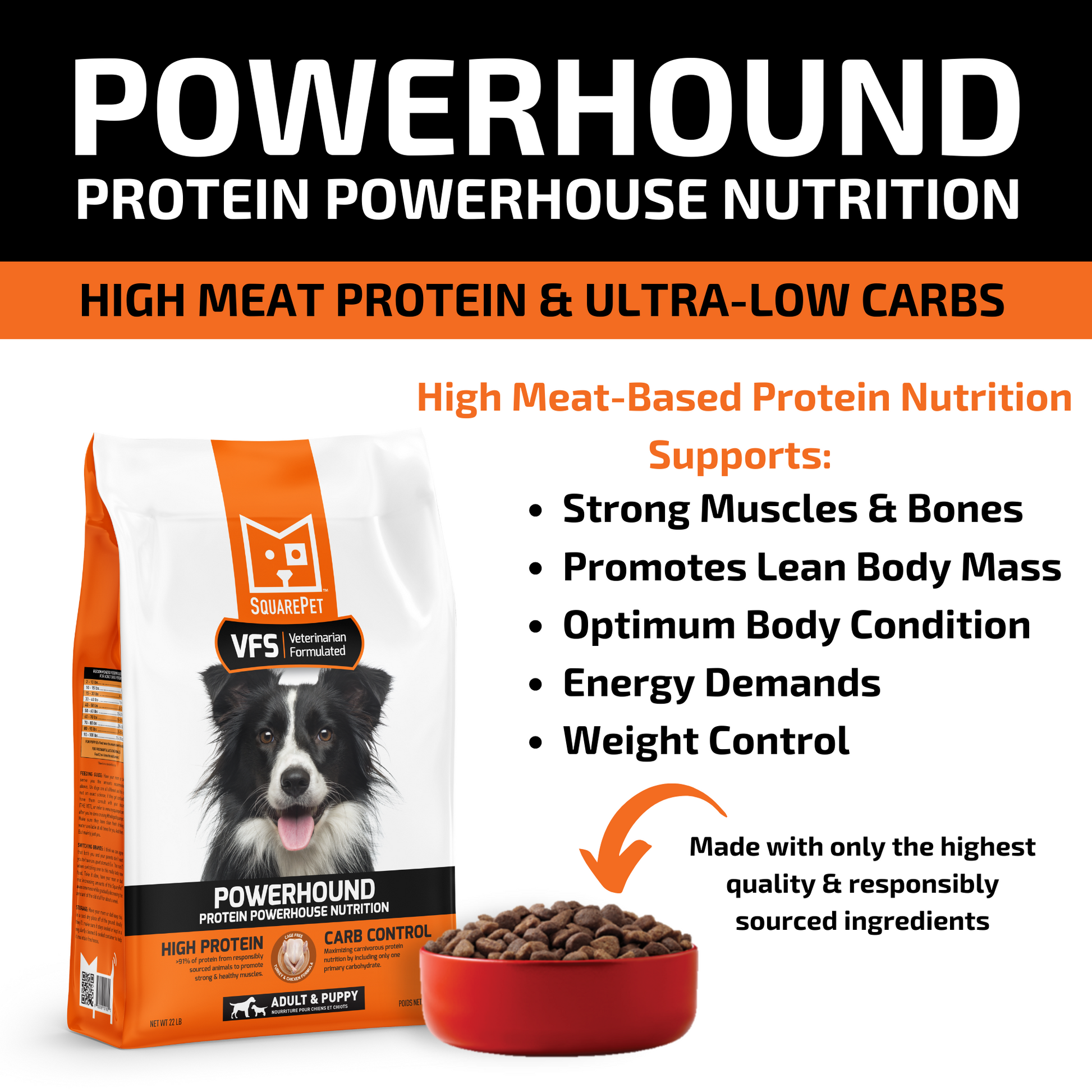
Credit: mysquarepet.com
Frequently Asked Questions
What Are The Best High-protein Foods For Dogs?
Chicken, turkey, beef, and fish are excellent high-protein foods for dogs. These meats provide essential amino acids needed for muscle growth and repair. Always cook the meat thoroughly and remove bones to ensure safety.
Can Dogs Eat Eggs For Protein?
Yes, eggs are a great source of protein for dogs. They contain essential amino acids and are easy to digest. Serve eggs cooked, without seasoning, to avoid any digestive issues.
Are Plant-based Proteins Good For Dogs?
Plant-based proteins like lentils and chickpeas can supplement dogs' diets. However, they are less complete than animal proteins. Always balance with high-quality meat sources for optimal nutrition.
How Much Protein Does A Dog Need Daily?
Dogs need about 18-25% protein in their daily diet, depending on age and activity. Puppies and active dogs require higher protein levels for growth and energy.
Conclusion
Protein helps dogs stay healthy and strong. Foods like chicken, fish, and eggs provide good protein. These choices support your dog’s muscles and energy. Always give balanced meals with enough protein. Fresh, natural food keeps dogs happy and active. Choose protein sources that your dog enjoys and digests well.
Feeding the right protein helps your pet live a long, healthy life. Keep learning about your dog’s needs to give the best care. Small changes make a big difference in your dog’s health.