Have you ever given your dog a fresh bath, only to notice that unpleasant smell creeping back just two days later? It’s frustrating, right?
You wonder, "Why does my dog smell so soon after a bath? " You’re not alone. Many dog owners face this mystery and want to know what’s really going on beneath that furry coat. You’ll discover the surprising reasons behind your dog’s quick return to that familiar odor—and what you can do to keep your furry friend smelling fresh for longer.
Keep reading to unlock the secrets to a truly clean, happy dog!
Common Causes Of Dog Odor
Dogs often develop odors a few days after a bath. Understanding common causes of dog odor helps to manage this issue effectively. Several natural and environmental factors contribute to the smell. Some are normal, while others might need attention.
Skin Oils And Natural Scents
Dogs produce natural oils that protect their skin and coat. These oils can build up and cause a distinct smell. Each dog has its own unique scent, which varies by breed and health. Bathing removes some oils, but they return quickly. This natural scent is not harmful but may be noticeable.
Bacterial And Yeast Growth
Warm, moist skin is a perfect place for bacteria and yeast to grow. These microbes can cause a strong, unpleasant odor. Certain breeds and dogs with skin conditions are more prone to this. Regular cleaning helps, but overbathing can irritate skin and worsen the problem. Sometimes a vet visit is needed to control infections.
Environmental Factors
Dogs pick up odors from their surroundings. Rolling in grass, dirt, or other animals affects their smell. Wet weather and humidity make the odor stronger. Outdoor activities bring in dust and pollen, which cling to fur. Regular brushing and wiping paws can reduce these smells.

Credit: www.chewy.com
Bathing Techniques That Affect Smell
Bathing your dog is not just about cleaning. The way you bathe affects how long the fresh smell lasts. Small changes in your bathing routine can make a big difference. Understanding the right techniques helps keep your dog smelling nice for days.
Choosing The Right Shampoo
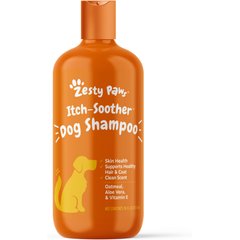
Pick a shampoo made for dogs, not humans. Dog shampoos balance the skin’s pH to avoid irritation. Some shampoos have strong scents that fade quickly. Look for shampoos with natural ingredients for a lasting fresh smell. Avoid harsh chemicals that dry out your dog’s skin. Healthy skin means less odor over time.
Rinsing Thoroughly
Rinsing well removes all shampoo from your dog’s fur. Leftover shampoo causes skin irritation and bad smell. Use warm water and rinse until the water runs clear. Pay attention to hard-to-reach areas like under the legs and belly. Proper rinsing helps prevent itchiness and keeps your dog smelling clean longer.
Drying Methods
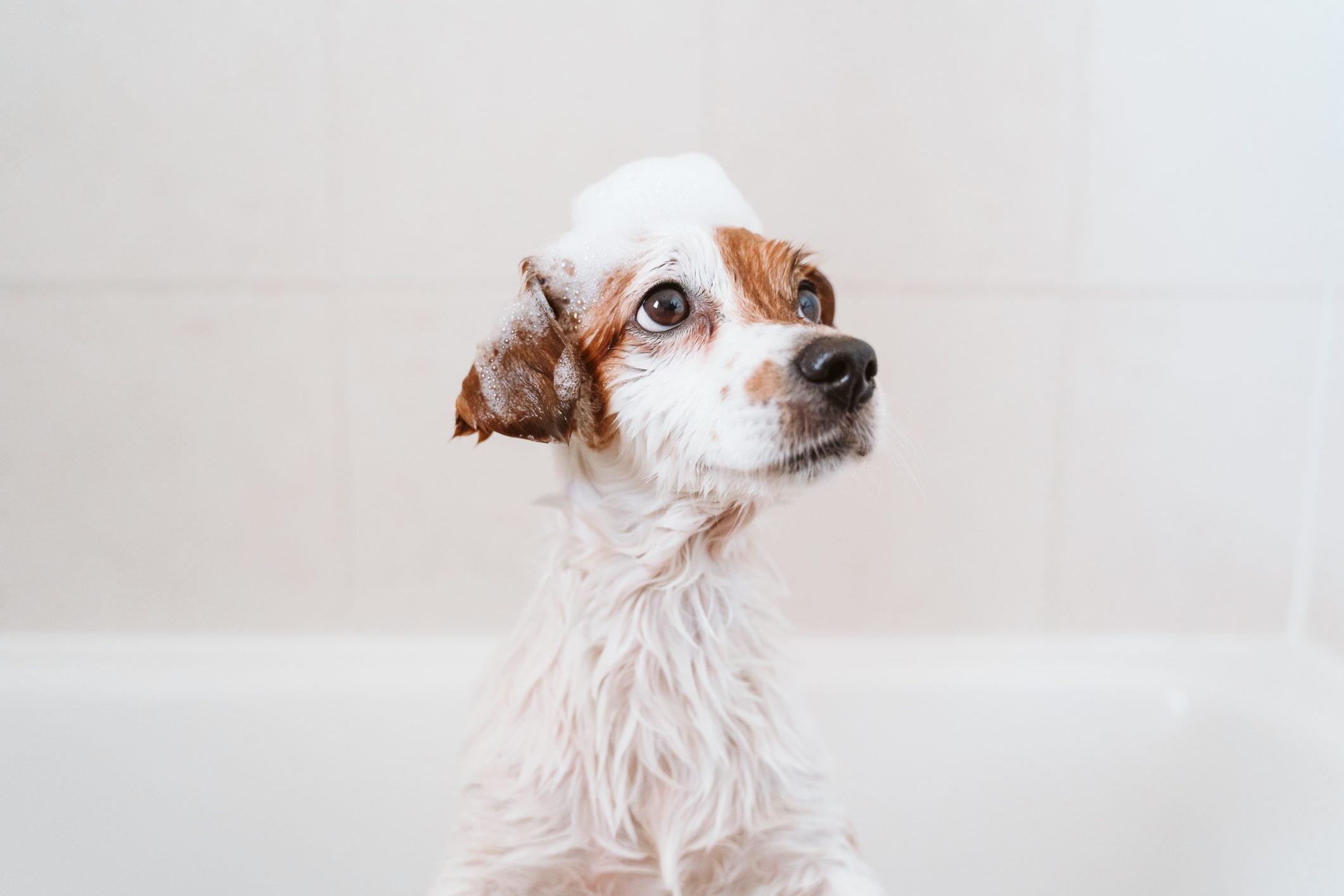
Dry your dog completely after a bath. Damp fur traps bacteria and causes odor quickly. Use a towel to remove most water, then a blow dryer on low heat if your dog allows. Avoid letting your dog stay wet for long. Dry fur reduces the chance of smell returning soon after a bath.
Health Issues Linked To Odor
Unpleasant odor from your dog soon after a bath may signal health issues. Odor often points to problems beneath the surface. Identifying these concerns can help keep your dog healthy and fresh.
Skin Infections
Bacterial or fungal infections cause strong smells. These infections make the skin oily, flaky, or red. The odor comes from germs multiplying on the skin. Baths may not remove this smell fully. Treatment from a vet is often needed.
Allergies And Irritations
Allergies can cause your dog's skin to itch and smell bad. Irritated skin produces oils and odors as a response. Common allergens include pollen, dust, and certain foods. Managing allergies reduces odor and discomfort. Regular vet check-ups help identify triggers early.
Ear Infections
Ear infections create a foul, musty smell. Moisture trapped in the ear canal encourages bacteria and yeast growth. Dogs with floppy ears are more prone to these infections. Signs include scratching, head shaking, and odor. Cleaning and vet care can clear infections and stop odor.
Diet And Its Impact On Smell
Your dog's diet plays a bigger role in their smell than you might expect. What your dog eats affects the oils in their skin, their digestive health, and even the way their coat smells after a bath. Paying attention to diet can help you tackle that lingering odor issue effectively.
Food Quality And Ingredients
High-quality food with natural ingredients can reduce unpleasant odors. Foods rich in omega-3 and omega-6 fatty acids promote a healthy, shiny coat and balanced skin oils. On the other hand, cheap fillers and artificial additives may cause skin irritation and stronger odors.
Have you noticed your dog’s smell worsening after switching brands? That could be due to ingredients like by-products or excessive grains. Opt for foods with named proteins (like chicken or beef) and minimal fillers to keep your dog’s skin and coat healthier.
Hydration Levels
Proper hydration affects your dog’s skin and coat condition. When dogs are dehydrated, their skin can become dry and flaky, which might trap dirt and bacteria, causing a bad smell even after a bath.
Encourage your dog to drink water regularly. You can add a little broth or provide water-rich foods like cucumbers or watermelon (in moderation) to boost hydration. Have you checked if your dog drinks enough water daily?
Tips To Keep Your Dog Smelling Fresh
Keeping your dog smelling fresh goes beyond just giving them a bath. You need a consistent plan that fits your dog’s unique needs and lifestyle. Small changes in your grooming habits can make a big difference in how long that clean scent lasts.
Regular Grooming Routines
Brushing your dog regularly removes dirt, loose fur, and oils that cause odor. It also helps distribute natural oils evenly, which keeps their coat healthy and less prone to smelling bad.
Try to groom your dog at least a few times a week, especially if they have longer fur or spend a lot of time outside. Even a quick daily brush session can stop bad smells before they start.
Proper Bathing Frequency
Bathing your dog too often can strip their skin of natural oils, leading to dryness and more odor. On the other hand, bathing too rarely lets dirt and bacteria build up, causing that unpleasant smell just days after a wash.
Most dogs do well with a bath every 3 to 4 weeks, but consider their activity level and coat type. If your dog loves rolling in the grass or mud, you might need to adjust this schedule to keep odors at bay.
Using Natural Deodorizers
Natural deodorizers like baking soda or apple cider vinegar sprays can help keep your dog smelling fresh between baths. These options are gentle on your dog’s skin and avoid harsh chemicals that might cause irritation.
You can sprinkle a little baking soda on their coat, let it sit for a few minutes, then brush it out. Or mix diluted apple cider vinegar in a spray bottle and lightly mist your dog’s fur for a quick freshen-up.
Credit: www.familyhandyman.com
Credit: www.chewy.com
Frequently Asked Questions
Why Does My Dog Smell After Just Two Days?
Dogs can develop odors quickly due to skin oils, dirt, and bacteria buildup. Their natural oils help protect skin but can trap dirt and cause smells soon after bathing.
Can Dog Skin Infections Cause Bad Odor Post-bath?
Yes, skin infections like yeast or bacterial infections produce strong odors. They often worsen after baths if not treated properly, leading to persistent dog smell.
How Often Should I Bathe My Dog To Prevent Odor?
Bathing frequency depends on breed, activity, and skin condition. Usually, once every 3-4 weeks is ideal to maintain cleanliness without stripping natural oils.
Does Diet Affect My Dog’s Post-bath Smell?
Yes, diet impacts skin health and odor. Poor nutrition can cause skin problems and stronger smells, while a balanced diet promotes healthy skin and a fresher scent.
Conclusion
Dogs can start to smell soon after a bath for many reasons. Oils and dirt still stay in their fur. Their skin might be dry or have infections. Sometimes, the shampoo doesn’t remove all the odor. Regular brushing and proper drying help a lot.
Also, check your dog’s diet and health. Keeping your dog clean is a continuous task. Knowing why the smell returns helps you care better. A fresh-smelling dog means a happy and healthy pet.