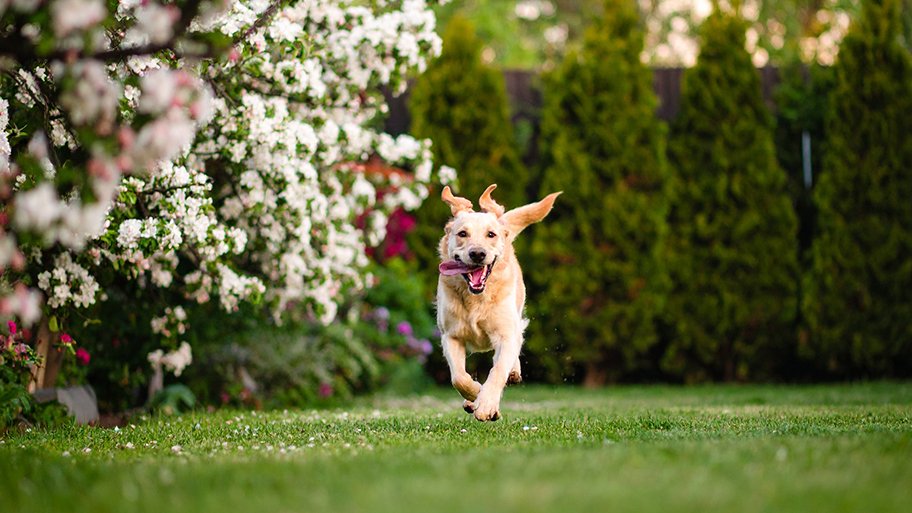
When your female dog is in heat, you want to make sure she stays healthy and comfortable. What you feed her during this time can make a big difference in how she feels and how well she handles the changes in her body.
You might be wondering if her diet should change or if there are special foods that can help. You'll discover simple and effective feeding tips to keep your dog strong, happy, and well-nourished while she’s in heat. Keep reading to learn exactly what to offer your furry friend during this important time.
Nutritional Needs During Heat
Understanding your female dog's nutritional needs during her heat cycle is crucial for her health and comfort. Hormonal changes can affect her appetite and energy levels, so adjusting her diet helps support her body through this time. Let’s look at how you can meet these changing needs effectively.
Increased Caloric Requirements
Dogs in heat often burn more energy due to hormonal shifts and physical changes. You might notice your dog seems hungrier or more restless. Increasing her calorie intake slightly ensures she has enough energy without causing unnecessary weight gain.
Try adding nutrient-dense snacks like boiled eggs or small amounts of cooked chicken. These options provide calories and protein without filling her up too much. How do you balance between feeding enough and avoiding overfeeding during this phase?
Balanced Macronutrients
Your dog’s diet should have the right mix of proteins, fats, and carbohydrates. Protein supports tissue repair and hormone production, while fats provide concentrated energy. Carbs offer quick energy but should come from quality sources.
- Increase high-quality protein like lean meats or fish.
- Include healthy fats such as fish oil or flaxseed oil.
- Use complex carbs like sweet potatoes or brown rice.
Pay attention to how your dog responds to these changes. If she seems sluggish or uncomfortable, a tweak in macronutrient ratios might help.
Hydration Importance
Heat cycles can make your dog more prone to dehydration, especially if she’s more active or panting. Fresh, clean water must be available at all times. You can also offer water-rich foods like cucumbers or watermelon slices for added hydration.
Have you noticed changes in your dog’s water intake during heat? Encouraging her to drink enough can prevent urinary issues and help her feel better overall.

Credit: www.amazon.ca
Best Food Choices
Choosing the best food for a female dog in heat supports her health and comfort. Proper nutrition helps her body manage energy and hormonal changes. Focus on foods that nourish without causing digestive upset. Quality ingredients ensure she stays strong and balanced during this time.
High-quality Proteins
Proteins are vital for tissue repair and energy. Select meats like chicken, turkey, or fish. These provide essential amino acids needed for body functions. Avoid low-quality protein sources or fillers. A diet rich in good protein keeps muscles healthy and supports immune health.
Healthy Fats
Fats supply energy and help hormone production. Include sources like fish oil, flaxseed, or chicken fat. These fats contain omega-3 and omega-6 fatty acids. They reduce inflammation and improve skin and coat condition. Healthy fats also aid brain function and overall vitality.
Essential Vitamins And Minerals
Vitamins and minerals keep all body systems running well. Offer foods with balanced amounts of calcium, iron, zinc, and vitamins A, E, and B-complex. These nutrients support blood health, bone strength, and immune defense. A well-rounded diet meets these needs naturally.
Foods To Avoid
Knowing what not to feed your female dog during her heat cycle is just as important as choosing the right foods. Certain ingredients and treats can upset her delicate system or even cause serious health problems. Let’s look at some foods you should keep far away from her during this time.
Toxic Ingredients
Some common ingredients can be harmful or even deadly to dogs. Chocolate, grapes, raisins, onions, garlic, and xylitol are notorious offenders. Even small amounts can cause vomiting, diarrhea, or worse.
Have you ever accidentally given your dog a treat with one of these ingredients? It’s scary how quickly things can go wrong. Always check labels and avoid homemade snacks that might include these toxic items.
Excessive Treats
It’s tempting to spoil your dog with extra treats when she’s in heat, but too many can cause digestive upset. Overfeeding treats can lead to diarrhea and weight gain, making her feel uncomfortable.
Try to limit treats to small portions and choose healthy options like plain cooked chicken or baby carrots. Your dog’s body is already working hard, so don’t add unnecessary stress with too many extras.
Human Food Risks
Feeding your dog human food might seem like a kind gesture, but many foods contain ingredients that don’t agree with dogs. Fatty, spicy, or salty foods can cause stomach upset or even pancreatitis.
Have you noticed your dog’s reaction after tasting something from your plate? If she shows signs of discomfort, it’s a sign to stick to dog-safe meals. Keep her diet simple and focused on what’s best for her health during this sensitive period.

Credit: www.youtube.com
Feeding Schedule Adjustments
Adjusting your female dog's feeding schedule during her heat cycle is crucial for her comfort and health. Hormonal changes can affect her appetite and energy levels, so you may need to change how often and how much you feed her. Paying close attention to these changes helps you support her through this sensitive time.
Meal Frequency
Your dog might prefer smaller, more frequent meals instead of her usual feeding routine. Splitting her daily food into three or four smaller portions can prevent discomfort and keep her energy steady. Have you noticed your dog begging for food more often or turning away from a full bowl? This is a clear sign to adjust meal times.
Portion Control
Even though your dog may want to eat more, avoid overfeeding to prevent weight gain or digestive upset. Measure her food carefully and stick to recommended portions based on her weight and activity level. If she seems less active during heat, cutting back slightly can help maintain a healthy weight.
Monitoring Appetite Changes
Keep a close eye on how much your dog eats day by day. A sudden drop or spike in appetite can indicate discomfort or health issues. Note any changes in behavior around feeding times—this helps you catch problems early and adjust her diet accordingly.
Supplements For Female Dogs In Heat
Feeding a female dog in heat requires extra care, especially when it comes to supplements. These can support her body through hormonal changes and help maintain her overall health. Adding the right supplements can make a noticeable difference in her comfort and recovery.
Omega Fatty Acids
Omega fatty acids, like those found in fish oil, are great for skin and coat health. During heat, your dog’s skin might become more sensitive or dry. Omega fatty acids help reduce inflammation and keep her coat shiny.
They also support brain function and mood, which can fluctuate during this time. You might notice your dog feeling calmer with a regular dose of omega supplements. Have you ever seen how a simple fish oil capsule can brighten her overall well-being?
Probiotics
Probiotics boost your dog’s digestive health by balancing good bacteria in her gut. Heat cycles can sometimes upset digestion, leading to mild stomach issues. Giving probiotics can ease digestion and improve nutrient absorption.
These supplements also strengthen the immune system, making it easier for your dog to handle any stress from hormonal changes. If your dog has ever had loose stools during heat, probiotics could be the gentle fix she needs.
Multivitamins
Multivitamins fill in nutritional gaps that might occur when your dog’s appetite changes. Heat can make some dogs eat less or become picky, so vitamins ensure she still gets essential nutrients. Look for multivitamins with added iron and B vitamins to support energy and blood health.
Choosing a high-quality multivitamin tailored for dogs helps maintain her strength and stamina. Think about how a daily vitamin routine could keep her feeling balanced during this challenging phase.
Signs Of Nutritional Deficiency
Signs of nutritional deficiency in a female dog in heat can be subtle but important. These signs help identify if her diet lacks essential nutrients. Observing changes in behavior, coat condition, and energy levels reveals much about her health. Timely detection can prevent serious issues and improve her well-being.
Behavioral Changes
A lack of key nutrients often causes unusual behavior. She may become more irritable or restless. Some dogs show signs of anxiety or withdrawal. Changes in appetite are common too. Sudden disinterest in food or overeating can signal deficiencies. Paying attention to these shifts helps catch problems early.
Coat And Skin Health
Her coat may lose shine and become dull. Skin might appear dry, flaky, or irritated. Hair loss in patches can also occur. These symptoms indicate a shortage of vitamins or fatty acids. Proper nutrition supports healthy skin and a glossy coat. Regular checks keep her coat in top condition.
Energy Levels
Low energy or unusual tiredness suggests poor nutrition. She might sleep more and show less interest in play. Weakness or slow movements can develop. A well-balanced diet fuels her activity and stamina. Monitoring energy changes ensures she stays lively and healthy.
Consulting A Veterinarian
Consulting a veterinarian is essential when feeding a female dog in heat. Each dog has unique needs that affect her diet during this time. Professional guidance helps ensure her health and comfort.
Personalized Diet Plans
Veterinarians create diet plans tailored to your dog's health and lifestyle. They consider age, weight, breed, and activity level. These plans balance nutrients to support energy and hormone changes. A proper diet can reduce stress and maintain overall well-being.
Health Monitoring
Regular vet check-ups help track your dog's health during her heat cycle. Vets watch for signs of illness or nutritional gaps. They may recommend supplements or diet adjustments. Early detection of problems can prevent serious health issues.
When To Seek Professional Advice
- Loss of appetite or sudden weight changes
- Unusual behavior or signs of discomfort
- Digestive problems like vomiting or diarrhea
- Prolonged bleeding or swelling
Contact a vet immediately if any of these occur. Timely advice ensures your dog stays healthy and comfortable.
Credit: www.petindiaonline.com
Frequently Asked Questions
What Is The Best Diet For A Female Dog In Heat?
A balanced diet rich in protein and essential nutrients supports energy and hormone balance during heat. Include high-quality dog food with added vitamins and minerals for optimal health.
Should I Change My Dog's Food When She Is In Heat?
Yes, adjusting her diet to include more protein and fluids helps manage energy needs and hydration. Avoid heavy or fatty foods that may cause discomfort.
How Much Water Should A Female Dog In Heat Drink?
Ensure your dog drinks plenty of fresh water daily to stay hydrated. Heat cycles can increase thirst and fluid loss, so monitor water intake closely.
Can Supplements Help A Female Dog During Her Heat Cycle?
Supplements like omega-3 fatty acids and antioxidants can support skin health and reduce inflammation. Consult your vet before adding any supplements to her diet.
Conclusion
Feeding a female dog in heat requires careful attention. Prioritize balanced nutrition and hydration. Fresh water is crucial. A diet rich in proteins supports energy needs. Include vegetables for essential vitamins. Avoid fatty or spicy foods. They may upset her stomach.
Smaller, frequent meals can be helpful. Observe her behavior and adjust as needed. Consult your vet for specific advice. Each dog is unique, with individual dietary needs. Providing the right nutrition ensures her comfort and well-being. Your care makes a big difference in her health.