
Are you thinking about keeping your dog safe and secure in your yard? An electric fence might be the perfect solution, but you’re probably wondering, “How much does an electric fence for a dog cost?” Knowing the price upfront can help you plan your budget and choose the best option for your furry friend.
You’ll discover the real costs involved, what affects the price, and how to get the most value for your money. Keep reading to find out everything you need to make the right choice for your dog’s safety and your peace of mind.
Types Of Electric Fences
Electric fences come in different types to fit various needs and spaces. Each type offers unique features and installation methods. Understanding these options helps in choosing the right fence for your dog’s safety and your budget.
In-ground Systems
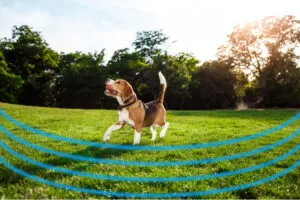
In-ground systems use a buried wire around the yard’s perimeter. The wire sends a mild electric signal to a collar worn by your dog. When your dog nears the boundary, the collar gives a warning beep. If your dog continues, a harmless static correction follows. These systems require digging and careful installation. They provide a reliable boundary and work well for large yards.
Wireless Systems
Wireless systems create a circular boundary using a central transmitter. The transmitter sends signals to the collar within a set radius. No wires are needed, making installation quick and easy. These systems are ideal for small to medium yards. The boundary size adjusts by changing the transmitter’s power. Wireless fences work well for temporary or rental homes.
Portable Options
Portable electric fences use lightweight, movable stakes and wires. You set up the boundary anywhere, perfect for travel or temporary use. These fences often combine wired and wireless features. They give flexibility to create safe spaces for your dog outdoors. Portable options suit camping, trips, or short-term training needs.
Cost Factors To Consider
Understanding the cost factors helps you plan your electric fence budget better. Various elements influence the final price. Knowing these details can prevent surprises and guide smart choices.
Fence Size And Coverage
The size of the area you want to fence affects the cost directly. Larger yards require more materials and labor. Small yards or specific zones cost less to secure. Measuring your space accurately saves money and ensures proper coverage.
Quality Of Materials
Material quality impacts durability and price. Higher-quality wires and posts last longer and resist weather better. Cheaper materials may break or wear out quickly, leading to extra expenses. Choose materials that balance cost and longevity for best value.
Installation Expenses
Installation costs vary based on complexity and location. DIY installation saves money but takes time and effort. Hiring professionals adds to the cost but guarantees correct setup. Terrain and obstacles like trees or slopes also affect installation fees.
Additional Features
Extra features increase the price but improve functionality. Examples include remote controls, adjustable voltage, or warning signs. Some systems offer smartphone apps for monitoring. Decide which features are essential for your dog's safety and your convenience.
Average Price Ranges
Understanding the average price ranges for an electric fence for your dog helps you plan your budget effectively. Costs vary widely depending on whether you choose a DIY kit, professional installation, or need to factor in ongoing maintenance. Knowing these differences upfront can save you from unexpected expenses and ensure your dog’s safety without breaking the bank.
Diy Kits
DIY electric fence kits typically range from $100 to $300. These kits include everything you need: boundary wire, a transmitter, and a collar receiver. If you enjoy hands-on projects, installing it yourself can save a lot of money.
Keep in mind, the price depends on the size of your property and the quality of the components. For example, a kit for a small yard costs less than one covering several acres. Have you checked if you have the right tools and time to handle installation?
Professional Installation
Hiring a professional to install your electric fence usually costs between $500 and $1,500, sometimes more for larger or complex properties. The pros bring experience, ensuring your fence works correctly and meets safety standards.
While it’s pricier, professional installation can prevent costly mistakes. You get peace of mind knowing the job is done right. Consider whether you prefer saving time or saving money when making your choice.
Maintenance Costs
Maintenance for an electric dog fence is often overlooked but crucial. Expect to spend about $50 to $200 annuallyon battery replacements, wire repairs, and collar upgrades.
Regular checks keep your fence functioning and your dog safe. Think about whether you’re ready to commit to this ongoing responsibility or if a low-maintenance option suits you better.
Credit: freedomfencect-ny.com
Budget-friendly Tips
Saving money on an electric fence for your dog is possible with smart choices. Small decisions add up to big savings. Focus on essentials and avoid overspending.
Choosing The Right System
Select a system that fits your dog’s size and yard. Avoid expensive features you don’t need. Basic systems often protect pets well. Check power options; battery-powered units cost less to install.
Buying In Bulk Or Sales
Buy fence components during sales or clearance events. Some stores offer discounts on kits or parts. Buying multiple items together can lower costs. Watch for seasonal deals to save more.
Using Existing Fencing
Use current fences to support the electric system. It reduces the need for extra materials. Attach wires to wood or metal fences. This approach cuts installation time and expenses.
Regular Maintenance
Keep the fence clean and check wires often. Fix small issues quickly to avoid costly repairs. Replace batteries and parts as needed. Proper care extends the fence’s life and saves money.
Safety And Legal Considerations
Installing an electric fence for your dog requires careful thought about safety and legal rules. These fences help keep pets safe but must follow local laws. Understanding these rules protects your dog and avoids fines or legal trouble.
Local Regulations
Each area has different laws about electric fences. Some places may ban or restrict their use. Check with local authorities before installing a fence. Knowing the rules helps avoid penalties and ensures your fence is legal.
Pet Safety Measures
Electric fences must be safe for pets. Use low-voltage systems designed for dogs. Avoid strong shocks that can hurt your dog. Regularly inspect the fence for damage or wear. Teach your dog how to respond to the fence signals. Safety is the top priority to protect your pet's well-being.
Signage Requirements
Many areas require signs near electric fences. These signs warn visitors about the fence’s presence. Use clear and visible signs to prevent accidents. Place signs at all entry points and along the fence line. Proper signage helps inform neighbors and guests about the fence.

Credit: www.ebay.ca
Comparing Alternatives
Choosing the right fence for your dog depends on many factors. Cost, safety, and ease of installation matter. Understanding different options helps you pick what fits your needs and budget.
Traditional Fencing
Traditional fences include wood, chain-link, and metal options. Prices vary by material and size. Wood fences usually cost between $15 and $30 per foot. Chain-link fences are cheaper, around $10 to $20 per foot. These fences provide a physical barrier that dogs can see and feel.
Installation can be complex and might need professional help. Maintenance is also a factor; wood can rot, metal can rust. However, traditional fences do not require training your dog to stay inside.
Invisible Fence Brands
Invisible fences use a wire buried underground or wireless signals. Popular brands like PetSafe and SportDOG offer reliable products. The system includes a collar and a boundary transmitter. Prices usually range from $200 to $1,200 depending on the brand and yard size.
These fences require dog training to work well. They are less visible and keep the yard open. Some owners prefer invisible fences for aesthetic reasons or space limits.
Other Containment Options
Other options include wireless pet containment systems and portable fences. Wireless systems are easy to set up, costing around $100 to $300. Portable fences are good for temporary use and cost between $50 and $200.
Some owners use leash training or tie-outs as low-cost solutions. Each alternative offers different levels of freedom and control for your dog.

Credit: www.amazon.com
Frequently Asked Questions
How Much Does An Electric Dog Fence Typically Cost?
Electric dog fences usually cost between $200 and $1,200. The price depends on the fence size, brand, and features like wireless or wired options.
What Factors Affect The Cost Of An Electric Dog Fence?
Fence size, type (wired or wireless), brand, and additional features affect cost. Installation and extra collars also impact the total price.
Are Wireless Electric Fences More Expensive Than Wired Ones?
Wireless fences often cost less upfront but cover smaller areas. Wired fences are pricier but offer larger coverage and stronger signals.
Can I Install An Electric Dog Fence Myself?
Yes, many electric fences come with DIY kits and instructions. Proper installation ensures effectiveness and safety for your dog.
Conclusion
Choosing the right electric fence for your dog depends on your budget and needs. Basic systems cost less but cover smaller areas. More advanced fences offer extra features and wider coverage but cost more. Installation and maintenance add to the total price.
Think about your dog’s size and behavior too. A good fence keeps your pet safe and happy. Spend wisely to get the best value. Safe boundaries mean peace of mind for you and freedom for your dog. Simple, effective, and worth considering.