Putting a harness on your dog might seem tricky at first, but it doesn’t have to be. If you’ve ever struggled with getting your furry friend ready for a walk, you’re not alone.
The right way to put on a harness keeps your dog comfortable and safe, and it makes your time outside much more enjoyable. You’ll discover simple, step-by-step tips that anyone can follow. By the end, you’ll know exactly how to fit a harness on your dog quickly and with less stress—for both of you.
Keep reading to make every walk easier and more fun!
Credit: waudog.com
Choosing The Right Harness
Choosing the right harness for your dog is important for safety and comfort. A well-fitted harness helps control your dog without causing pain. It also prevents pulling and reduces strain on the neck. Picking the correct harness depends on your dog's size, behavior, and activity level.
Types Of Dog Harnesses
There are several types of harnesses designed for different needs:
- Back-clip harness:The leash attaches at the back. Good for small or calm dogs.
- Front-clip harness:The leash attaches at the chest. Helps reduce pulling during walks.
- Dual-clip harness:Offers both front and back leash attachments. Versatile for training and everyday use.
- Step-in harness:Easy to put on. Your dog steps into the harness, then you secure it on the back.
Measuring Your Dog
Correct measurements ensure a comfortable fit. Use a soft tape measure to check your dog’s size. Measure around the widest part of the chest, just behind the front legs. Also measure the neck where the collar normally sits. Compare these measurements to the harness size chart before buying. A harness too tight can hurt. Too loose can let your dog slip out.
Material And Comfort
Choose harnesses made of soft, breathable materials. Padded straps prevent chafing on your dog’s skin. Lightweight fabrics avoid overheating. Avoid harnesses with rough edges or stiff parts. Check for adjustable straps to get a snug fit. Durable materials last longer and handle pulling better. A comfortable harness makes walks pleasant for both you and your dog.
Preparing Your Dog
Getting your dog ready for a harness is more than just slipping it on. It’s about making sure your dog feels comfortable and trusts the new gear. Preparing your dog properly can turn a tricky experience into a smooth, even enjoyable routine for both of you.
Introducing The Harness
Start by letting your dog see and sniff the harness. Place it near their favorite spot or toys so it becomes a familiar object. This simple step helps reduce fear and curiosity at the same time.
Try holding the harness without putting it on at first. Let your dog get used to the feel of it in your hands. This builds confidence and sets the stage for the next steps.
Calming Techniques
If your dog seems nervous, use calming techniques to ease their anxiety. Gentle petting and a soft voice can make a big difference. Sometimes, a short play session right before can help burn off excess energy.
Consider using a quiet space free from distractions. This helps your dog focus on the new experience without feeling overwhelmed. Have patience and watch for signs your dog is ready to move forward.
Positive Reinforcement
Reward your dog every time they show calm behavior around the harness. Treats, praise, or a favorite toy can motivate them to cooperate. Positive reinforcement creates a strong, happy association with the harness.
Try giving a treat immediately after your dog allows you to touch or place the harness near them. This quick reward helps your dog link the harness with something good. Over time, this encourages your dog to willingly wear the harness.
Putting The Harness On
Putting a harness on a dog might seem tricky at first. It needs patience and a calm approach. The right technique helps your dog feel safe and relaxed. Here is how to do it step by step.
Positioning The Harness
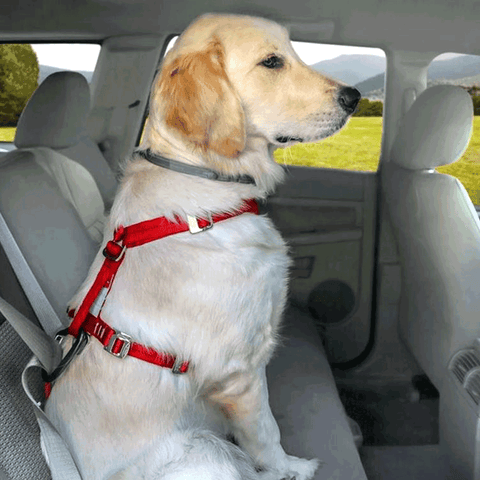
Start by holding the harness so the straps hang down naturally. Place the harness over your dog’s head. The front loop should sit on the chest. Make sure the D-ring for the leash is on the dog’s back. This position helps distribute pressure evenly.
Securing The Straps
Next, bring the side straps around your dog's body. Clip or fasten the buckles firmly but gently. Check that all clips are locked in place. Avoid twisting the straps. Proper securing keeps the harness from slipping off.
Adjusting For Comfort
Adjust the straps to fit snugly but not tight. You should fit two fingers between the harness and your dog’s body. This space allows movement and breathing. Watch your dog for signs of discomfort. If your dog resists, loosen the straps slightly.

Credit: www.cnn.com
Checking The Fit
Checking the fit of a dog harness is essential to ensure your pet stays comfortable and safe during walks. A harness that fits well prevents discomfort and allows your dog to move naturally. Taking the time to check the fit carefully can save you from future hassles and keep your furry friend happy.
Ensuring Proper Tightness
You want the harness snug but not tight. A good rule is to fit two fingers between the harness and your dog's body. If you can’t slide two fingers comfortably, the harness is too tight and might restrict breathing or cause irritation.
On the other hand, if the harness is too loose, your dog could slip out. Check all straps, especially around the chest and neck, to make sure they are secure but not choking your dog.
Avoiding Chafing And Pinching
Look closely at how the harness rests on your dog’s skin. Is there any redness or rubbing, especially where the straps meet? Chafing often happens when the harness edges are rough or if the harness moves too much during walks.
Adjust the straps so that the harness sits flat without bunching up. Smooth materials and padding can help, but the fit is the main factor in preventing pinching and discomfort.
Testing Mobility
Watch your dog walk, run, and even sit while wearing the harness. Does your dog move freely without pulling or awkward shifts? The harness should allow natural movement without restricting shoulders or legs.
Try a short walk indoors first. If your dog hesitates or seems stiff, the harness may need adjusting. Would you want to wear something that limits your movement? Your dog feels the same way.
Common Mistakes To Avoid
Putting a harness on your dog might seem straightforward, but many pet owners make common mistakes that can cause discomfort or reduce control. Avoiding these pitfalls ensures your dog stays safe and happy during walks. Let’s look at some key errors you should watch out for.
Wrong Size Issues
Choosing the wrong size harness is a frequent problem. If it's too tight, your dog may feel restricted and uncomfortable. Too loose, and it could slip off or cause chafing.
Measure your dog’s chest and neck carefully before buying. Remember, sizes can vary between brands, so don’t rely solely on labels. Have you ever struggled with a harness that just wouldn’t stay put? That’s often because of sizing issues.
Incorrect Strap Placement
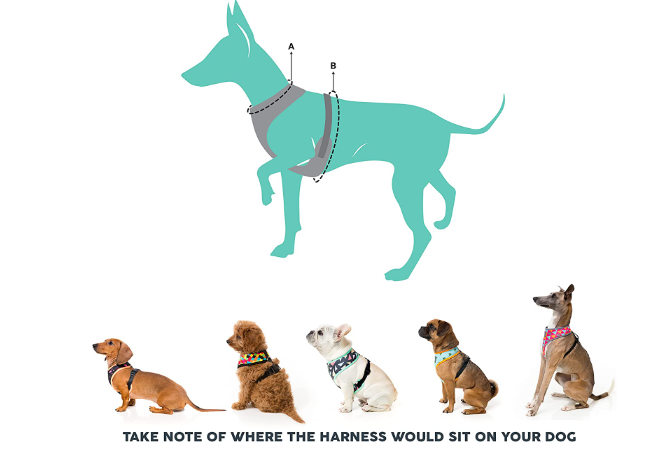
Straps placed in the wrong spots can hurt your dog or limit their movement. The harness should sit snugly around the chest and shoulders without pressing on the throat. Straps too high or low can cause rubbing or restrict breathing.
Check that all straps lie flat and adjust them so they don’t twist. Watch your dog move after putting on the harness—if they seem awkward, the fit might be off. Have you noticed your dog pulling more because the harness feels uncomfortable?
Ignoring Dog’s Behavior
Your dog’s reactions tell you a lot about how the harness fits. Some dogs resist at first, but ongoing signs of distress should not be ignored. Scratching, biting, or trying to escape the harness means it’s time to reassess.
Take your dog’s comfort seriously and adjust or change the harness if needed. Patience helps, but so does paying attention to what your dog is telling you. How often do you check your dog’s comfort during walks?
Tips For First-time Users
Getting your dog comfortable with a harness can feel tricky at first. The key is patience and smart strategies. Here are some practical tips that can help you and your dog adjust smoothly to this new experience.
Short Practice Sessions
Keep the initial harness sessions brief. Let your dog wear the harness for just a few minutes at a time while indoors. This prevents overwhelm and builds positive associations.
Try putting the harness on before meal times or playtime to connect it with good things. You’ll notice your dog starts to accept it without fuss. Have you tried timing these sessions to your dog’s calm moments?
Rewarding Your Dog
Use treats, praise, or a favorite toy to reward your dog every time the harness goes on. This turns the experience into a positive event.
Be consistent with rewards, especially at the beginning. If your dog resists, pause and reward any small progress. This approach helped me with a stubborn pup who quickly learned that the harness meant fun was near.
Gradual Adjustment Period
Don’t rush wearing the harness for long walks right away. Let your dog wear it during quiet times at home first. Increase duration day by day as comfort grows.
Watch your dog’s body language closely. If you see signs of stress, slow down. Giving your dog control over the pace can make all the difference in how well they adapt.
Credit: medium.com
Frequently Asked Questions
How Do You Put A Harness On A Dog Safely?
Place the harness on your dog’s back, then slip legs through the openings. Secure the buckles and adjust straps for a snug fit. Ensure it’s not too tight or loose to keep your dog comfortable and safe.
What Is The Correct Way To Fit A Dog Harness?
Measure your dog's chest and neck before fitting. Adjust the harness straps so you can fit two fingers between the harness and skin. A proper fit prevents chafing and slipping during walks.
Can A Dog Harness Prevent Pulling Effectively?
Yes, harnesses with front clip attachments can reduce pulling. They redirect your dog’s motion, discouraging forward lunging. Proper training combined with a well-fitted harness improves walking behavior.
How Do I Choose The Right Harness For My Dog?
Consider your dog’s size, breed, and activity level. Look for adjustable, padded harnesses made from durable materials. Ensure the harness suits your walking style and your dog’s comfort.
Conclusion
Putting a harness on your dog is simple and safe. Start by choosing the right size and style for your pet. Slip the harness over the head, then secure it around the chest. Check the fit by ensuring two fingers can slip under the straps.
Adjust as needed to keep your dog comfortable. A properly fitted harness can make walks more enjoyable for both you and your dog. Practice and patience will help you become more confident. Soon, it will be a natural part of your routine.
Happy walking!