Are you tired of your dog tugging and pulling every time you try to take a walk? Walking your dog should be a relaxing and enjoyable experience for both of you, not a constant struggle.
Learning how to teach your dog to walk on a leash without pulling can make a huge difference in your daily routine. Imagine strolling calmly through the park, feeling the bond between you and your furry friend grow stronger with every step.
You’ll discover simple, effective techniques that anyone can use to transform your walks from stressful to smooth. Keep reading, and you’ll soon enjoy peaceful walks with your dog like never before.

Credit: www.nonstopdogwear.com
Choosing The Right Leash And Collar
Choosing the right leash and collar is a key part of teaching your dog to walk without pulling. The right tools can make walks more enjoyable and training more effective. If your dog feels comfortable and you have good control, leash training becomes much easier.
Types Of Leashes
Leashes come in several styles, each offering different benefits for training. Standard nylon or leather leashes provide good control and are durable. You might find a 4 to 6-foot leash ideal because it keeps your dog close without feeling restrictive.
Retractable leashes give your dog more freedom but can encourage pulling if not used carefully. Chain leashes are heavy and usually not recommended for training. Think about your dog’s size and behavior before picking one.
- Standard leash:Great for most dogs and training sessions.
- Retractable leash:Use only if your dog listens well.
- Martingale leash:Helps control dogs that pull without choking.
I remember switching to a shorter, sturdy leash for my own dog, and it instantly improved our walks. The control it gave me helped stop pulling faster than before.
Selecting A Comfortable Collar
Your dog’s collar should fit well and feel comfortable at all times. A collar that’s too tight causes discomfort, while one that’s too loose can slip off. Check that you can fit two fingers between the collar and your dog’s neck.
There are different collar types: flat collars, martingale collars, and harnesses. Flat collars work for everyday use but may not stop pulling. Martingale collars tighten slightly without choking, making them good for training.
Harnesses can reduce neck strain and give you better control, especially for strong pullers. However, some dogs pull harder when wearing a harness, so watch your dog’s reaction closely.
- Flat collar:Suitable for identification and casual walks.
- Martingale collar:Ideal for dogs prone to slipping out.
- Harness:Good for reducing neck pressure and controlling pullers.
Consider your dog’s comfort first. A well-chosen collar can prevent injuries and make leash training a positive experience for both of you.

Credit: www.amazon.ca
Preparing Your Dog For Leash Training
Preparing your dog for leash training sets the foundation for good walking habits. This stage helps your dog feel calm and confident with the leash. It also makes outdoor walks more enjoyable and less stressful. Start training in a quiet, familiar space for best results. Patience and positive experience are key to success.
Introducing The Leash Indoors
Begin by letting your dog see and touch the leash inside your home. Let them sniff and explore it without pressure. Clip the leash to your dog’s collar or harness for short periods. Walk around slowly, allowing your dog to get used to the feeling. Keep these sessions brief and relaxed to avoid stress.
Building Positive Associations
Make the leash a source of good things. Use treats, praise, and gentle petting when your dog interacts with the leash. Play games or offer favorite toys while the leash is on. This helps your dog link the leash with fun and rewards. Repeat often to strengthen this positive connection.
Basic Commands To Reinforce
Teaching your dog to walk on a leash without pulling is easier when you reinforce some basic commands. These commands help your dog understand what you expect and make walks more enjoyable for both of you. Focus on commands that control your dog’s movement and attention during the walk.
Teaching 'heel' And 'stop'
The 'heel' command keeps your dog walking closely by your side instead of pulling ahead. Start by holding a treat near your leg to encourage your dog to stay close. Reward your dog each time they walk beside you calmly.
Use short practice sessions in quiet places before trying more distracting environments. If your dog begins to pull, say “stop” firmly and stand still. This teaches your dog that pulling ends the walk, encouraging better leash manners.
Using 'come' And 'sit' Effectively
'Come' is a powerful command to regain your dog’s attention if they get distracted or pull. Practice calling your dog from short distances and reward them with treats or praise when they respond quickly. This builds a positive connection with returning to you.
The 'sit' command helps calm your dog during walks, especially when excitement causes pulling. Ask your dog to sit when approaching distractions or before crossing streets. This pause allows you to regain control and reduces pulling impulses.
Step-by-step Leash Training Techniques
Teaching your dog to walk on a leash without pulling takes patience and clear communication. Using step-by-step techniques can help you guide your dog gently into good leash manners. Let’s break down practical ways you can make leash walking enjoyable and stress-free for both of you.
Starting With Short Walks
Begin training with short walks in a quiet area where distractions are minimal. This helps your dog focus on you instead of the environment. Keep these sessions around 5 to 10 minutes to build positive associations with leash walking.
Short walks also let you spot early signs of pulling and correct them quickly. Have you noticed how your dog reacts differently when the walk is calm? Use this to your advantage by reinforcing good behavior early on.
Using Treats And Rewards
Carry small, tasty treats to reward your dog for walking calmly by your side. Positive reinforcement teaches your dog that staying close means something good happens. Offer treats frequently at first, then gradually reduce the frequency as your dog improves.
Try to time the treats immediately after your dog walks without pulling to make the connection clear. You might be surprised how fast your dog learns when good behavior brings instant rewards. What kinds of treats does your dog find most motivating?
Stopping When Pulling Occurs
One effective way to discourage pulling is to stop walking whenever your dog pulls on the leash. Stand still and wait calmly until your dog relaxes the leash tension. This shows your dog that pulling doesn't get them where they want to go.
Once your dog stops pulling and the leash is loose, resume walking. This teaches your dog that walking nicely is the only way forward. It can be tempting to keep moving, but patience here pays off in better leash manners.
Common Challenges And Solutions
Teaching your dog to walk calmly on a leash takes patience and practice. Challenges often arise that test your consistency. Understanding common problems helps you stay calm and find the right solutions. This section covers two major challenges: excitement and distractions, and stubborn pullers. Both need different approaches to help your dog learn better leash manners.
Dealing With Excitement And Distractions
Dogs feel excited by new sights, smells, and sounds during walks. This excitement causes pulling and sudden lunges. The key is to keep your dog focused on you.
- Use treats or a favorite toy to get your dog’s attention.
- Stop walking if your dog pulls. Wait until the leash is slack.
- Practice walking in a quiet place first to reduce distractions.
- Gradually introduce busier areas as your dog improves.
- Give praise and rewards for calm walking near distractions.
Consistent training helps your dog learn that staying close means fun and treats. Patience is important because distractions trigger natural instincts.
Handling Stubborn Pullers
Some dogs pull on the leash out of habit or stubbornness. They ignore commands and keep pulling forward. To manage this, you must be firm and clear.
- Use a no-pull harness or head halter to control pulling safely.
- Stop walking immediately when your dog pulls hard.
- Change direction and walk the other way to show you lead.
- Practice short, frequent training sessions to build good habits.
- Reward your dog only when walking politely by your side.
Stubborn pullers need extra patience and consistency. Avoid yanking the leash, which can cause fear or injury. Gentle, steady training yields the best results.

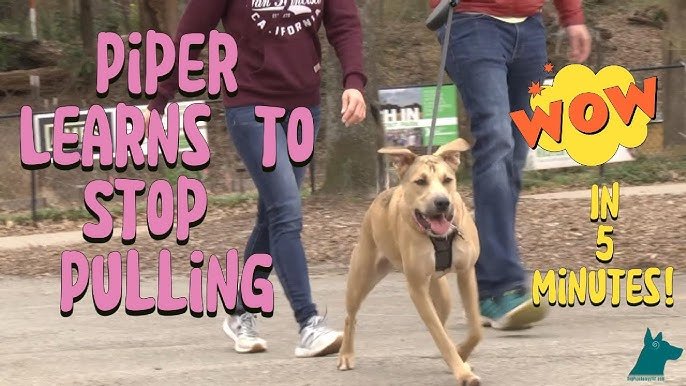
Credit: www.youtube.com
Maintaining Good Leash Habits
Maintaining good leash habits is key to ensuring your walks remain enjoyable and stress-free for both you and your dog. It’s not just about teaching your dog to stop pulling but about building a lasting routine that encourages calm and focused walking. Think of leash training as an ongoing process that needs your patience and attention to detail.
Consistent Practice
Consistency is what turns good leash behavior from a one-time trick into a lifelong habit. Make sure you practice leash walking regularly, even if just for a few minutes each day. This helps your dog understand that calm walking is expected every time you head out.
If your dog starts pulling, pause and wait for them to relax before moving forward again. This teaches them that pulling won’t get them anywhere faster. Have you noticed how your dog reacts when you stop moving? Use that moment to reset the pace and reward calmness with gentle praise or treats.
Gradually Increasing Walk Duration
Start with short walks to keep your dog’s attention focused and prevent overwhelm. As your dog gets better at walking calmly, slowly add more time and distance. This gradual increase helps your dog build endurance and stay engaged without feeling frustrated.
Try breaking longer walks into smaller sections with brief breaks for sniffing or quick play. This keeps your dog motivated and less likely to pull out of excitement or impatience. Have you thought about how your dog’s energy level changes during your walks? Adjusting walk length based on their behavior can make a big difference.
Frequently Asked Questions
How Long Does It Take To Train Leash Walking?
Training leash walking usually takes a few weeks. Consistent daily practice and positive reinforcement speed up learning. Patience and short, regular sessions help your dog adapt and reduce pulling effectively.
What Tools Help Teach Leash Walking?
A well-fitted harness or head collar helps control pulling. Use a standard leash for better communication. Treats and clickers encourage good behavior and make training more effective and enjoyable.
How To Stop My Dog From Pulling On Leash?
Stop walking when your dog pulls. Wait until the leash is slack. Reward your dog when walking calmly beside you. Consistency and patience are key to teaching good leash manners.
Can Puppies Learn Leash Walking Easily?
Yes, puppies learn leash walking quickly. Start early with short, positive sessions. Use treats and praise to encourage gentle walking. Early training sets a strong foundation for good behavior.
Conclusion
Teaching your dog to walk on a leash takes patience. Consistency is key. Always reward good behavior with treats or praise. Short training sessions work best. Keep them fun and positive. Practice regularly to see progress. Avoid pulling the leash yourself.
Stay calm and assertive during walks. Use simple commands like "heel" or "stop. " With time, your dog will learn to walk nicely. Enjoy your peaceful walks together. Happy training!