Is your old dog losing weight, and you’re not sure what to feed them? It can be worrying to see your loyal friend getting thinner and weaker.
You want to help, but finding the right food isn’t always easy. What if the wrong diet makes things worse? You’ll discover simple, effective ways to nourish your aging dog. You’ll learn what foods can boost their strength and keep them healthy.
Keep reading to find the best feeding tips that can make a real difference in your dog’s life.
Signs Of Weight Loss In Senior Dogs
Noticing weight loss in an older dog can be worrying. Senior dogs often lose weight due to various reasons. Spotting the signs early helps address the problem quickly. Weight loss in older dogs is not always obvious at first. Look closely at their body shape and eating habits. A healthy senior dog should have a stable weight and clear muscle tone.
Changes in appetite, less energy, or a thinner frame might signal weight loss. Check if the ribs or spine become more visible. These signs show the dog may be losing weight. Keep track of your dog’s weight regularly. This helps catch weight loss before it gets serious.
Common Causes Of Weight Loss
- Dental problems that make eating painful
- Digestive issues affecting nutrient absorption
- Chronic diseases like kidney or liver problems
- Parasites that steal nutrients
- Stress or anxiety reducing appetite
- Changes in metabolism due to aging
Health Risks Linked To Weight Loss
- Weakened immune system, causing infections
- Muscle loss leading to reduced mobility
- Organ failure from untreated underlying disease
- Low energy and poor quality of life
- Increased risk of falls and injuries
Nutritional Needs For Aging Dogs
As your dog grows older, their nutritional needs change significantly. Aging dogs often lose weight due to changes in metabolism, dental health, or underlying health issues. Understanding these shifts helps you provide the right diet to keep your furry friend healthy and energetic.
Key Nutrients For Older Dogs
Your aging dog needs specific nutrients to support their body and maintain weight. Protein is vital for preserving muscle mass, but choose easily digestible sources like chicken or fish. Omega-3 fatty acids help reduce inflammation and support brain function; adding fish oil supplements can be a good idea.
Fiber also plays a role in digestion and can prevent constipation, common in older dogs. Vitamins like E and C boost the immune system, while minerals such as calcium and phosphorus keep bones strong. Have you checked if your dog's food contains these essential nutrients?
Adjusting Calorie Intake
Older dogs usually require fewer calories, but if your dog is losing weight, you need to balance this carefully. Increase calorie intake with nutrient-dense foods rather than just feeding more volume. Adding healthy fats like flaxseed oil or cooked eggs can boost calories without making your dog feel too full.
Smaller, more frequent meals can also help with digestion and appetite. Watch your dog's weight closely and adjust portions based on their energy levels and body condition. Are you ready to tweak your dog's diet to meet their changing needs?
Best Foods For Weight Gain
Helping your aging dog gain weight safely means choosing foods that provide the right balance of nutrients. Not all calories are equal, especially for senior dogs who may have sensitive stomachs or decreased appetites. The best foods for weight gain focus on quality protein, healthy fats, and easy digestion to support your dog's overall health and energy.
High-quality Protein Sources
Protein is essential for maintaining muscle mass in older dogs. Choose lean meats like chicken, turkey, or fish, which offer strong nutritional value without excess fat. Eggs and cottage cheese are also excellent, gentle options that many dogs enjoy.
You might notice your dog perk up when you add a bit of cooked chicken to their meal. That’s because high-quality protein can improve strength and vitality, encouraging a healthier weight. Have you tried rotating different protein sources to see which your dog prefers?
Healthy Fats To Boost Calories
Fats provide a concentrated source of calories, which is great for dogs that need to gain weight. Adding small amounts of olive oil, fish oil, or flaxseed oil can increase calorie intake without increasing food volume. These fats also support coat health and reduce inflammation.
Be cautious not to overdo fats, as too much can upset digestion. Start with a teaspoon mixed into their food and watch for any changes. Have you experimented with fat additions to find what works best for your dog's palate and health?
Easily Digestible Ingredients
Seniors often have weaker digestion, so foods that are easy on the stomach are key. Ingredients like sweet potatoes, pumpkin, and white rice provide gentle fiber and energy without causing discomfort. These carbs also help bind the meal together, making it more appealing.
Some dogs respond well to homemade meals combining these ingredients with proteins and fats. Have you noticed if your dog prefers wet food or a softer texture when eating? Adjusting the texture can make a big difference in encouraging them to eat more.
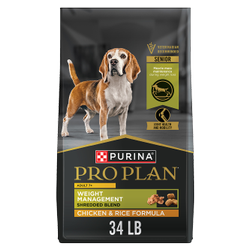
Credit: www.purina.com
Feeding Strategies To Encourage Eating
Encouraging an older dog that is losing weight to eat can be challenging but crucial for their health. Adjusting how and what you feed your dog can make a big difference. Small changes in feeding strategies often lead to better appetite and improved energy levels.
Meal Frequency And Portion Control
Older dogs may benefit from smaller, more frequent meals rather than one or two large ones. Splitting their daily food intake into three or four portions can prevent them from feeling overwhelmed by a big meal.
Try offering food at consistent times to create a routine that your dog can anticipate. Watch their reaction carefully and adjust portions if you notice leftovers or signs of hunger. Have you noticed your dog eating better with more frequent meals?
Enhancing Flavor And Palatability
Sometimes, older dogs lose interest in food because it doesn’t smell or taste appealing anymore. Warming up the food slightly can help release aromas that attract your dog’s attention.
You can also add a bit of low-sodium broth or mix in a small amount of wet food to dry kibble. These tweaks often make meals more enticing and easier to chew. What simple changes have you tried to make mealtime more exciting for your dog?
Supplements To Support Weight Gain
Supplements can play a crucial role in helping your old dog regain weight safely and healthily. While adjusting their diet is important, adding the right supplements can improve nutrient absorption, boost appetite, and support overall wellness. Let’s look at a few key supplements that might make a real difference for your furry friend.
Omega-3 Fatty Acids
Omega-3 fatty acids, found in fish oil or flaxseed oil, can reduce inflammation and improve your dog's skin and coat condition. These fats also support brain and joint health, which can be especially helpful for older dogs struggling with mobility or cognitive issues.
Adding a small amount of omega-3 supplements to your dog’s meals might encourage them to eat more comfortably. Have you noticed your dog’s coat becoming dull or their joints stiff? Omega-3s could be part of the solution.
Vitamins And Minerals
Older dogs often need extra vitamins and minerals to fill nutritional gaps that come with age. Vitamins like B-complex can boost energy levels, while minerals such as zinc and iron help maintain muscle mass and immune function.
Be cautious with dosages—too much of certain vitamins can harm your dog. A balanced supplement designed specifically for senior dogs is a safer bet than random over-the-counter vitamins. What vitamins do you currently offer your dog, and have you checked if they meet their changing needs?
Probiotics And Digestive Aids
Digestive health is key when your dog is losing weight. Probiotics help balance gut bacteria, improving digestion and nutrient absorption, which can lead to better weight gain.
Consider probiotic supplements or foods with natural probiotics like plain yogurt. Digestive enzymes might also help if your dog has trouble breaking down food. Have you noticed digestive issues like diarrhea or constipation? Targeting gut health could be your next step.
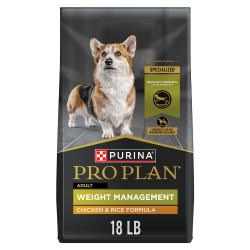
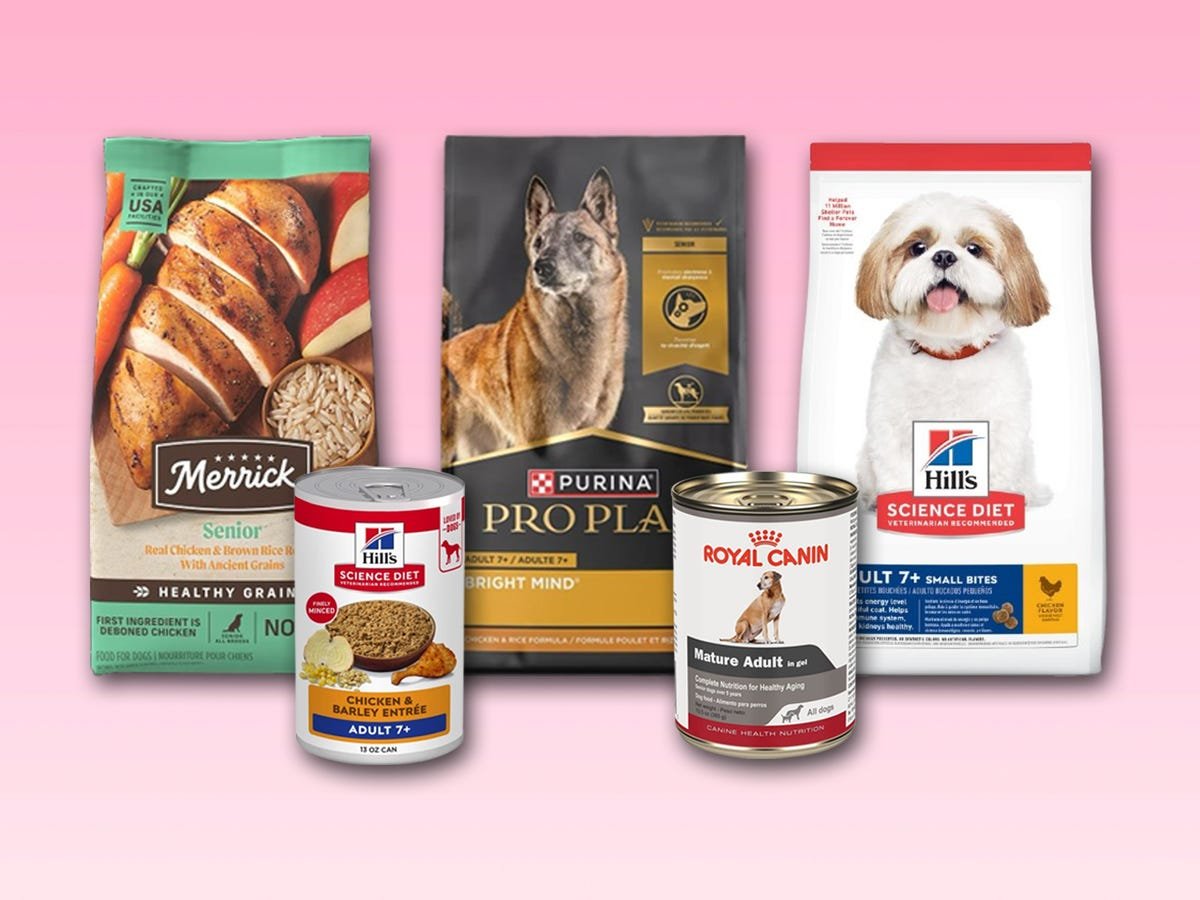
Credit: www.purina.com
When To Consult A Veterinarian
Recognizing when to consult a veterinarian is crucial for an old dog losing weight. Weight loss can signal many health problems. Early veterinary advice helps catch issues before they worsen. It also guides proper care and feeding adjustments. Never ignore sudden or severe changes in your dog's weight or behavior.
Signs That Need Immediate Attention
- Rapid or unexplained weight loss
- Loss of appetite for more than two days
- Vomiting or diarrhea lasting over 24 hours
- Excessive thirst or urination
- Weakness, limping, or trouble walking
- Sudden changes in behavior or mood
- Visible lumps or swelling
- Difficulty breathing or coughing
Diagnostic Tests For Weight Loss
The veterinarian may perform several tests to find the cause.
- Blood tests to check organ function and infections
- Urine analysis to detect kidney issues
- Fecal exams to rule out parasites
- X-rays or ultrasounds for internal organ evaluation
- Thyroid function tests for hormonal imbalances
- Biopsy or fine needle aspiration if tumors are suspected

Credit: www.amazon.com
Frequently Asked Questions
What Are The Best Foods For An Old Dog Losing Weight?
High-quality protein, easily digestible carbs, and healthy fats help maintain weight. Include lean meats, brown rice, and fish oil to support energy and muscle mass.
How Can I Increase My Senior Dog's Appetite?
Warm the food slightly and add tasty toppers like broth or cooked veggies. Feeding smaller, frequent meals can also stimulate appetite in older dogs.
Should I Change My Dog's Diet If They're Losing Weight?
Yes, consult a vet to adjust calorie intake and nutrients. Older dogs may need nutrient-dense food tailored to their health condition.
Can Supplements Help An Old Dog Regain Weight?
Certain supplements like omega-3 fatty acids and probiotics can improve digestion and coat health, indirectly aiding weight gain when combined with proper diet.
Conclusion
Helping your old dog maintain a healthy weight is crucial. Choose nutritious foods that are easy to digest. Consider options like lean meats and soft vegetables. Small, frequent meals can help prevent weight loss. Always provide fresh water. Regular vet visits ensure your dog stays healthy.
Monitor your dog's weight and adjust food as needed. Love and care matter most. A well-fed dog stays happy and active. Stay patient and attentive to your dog's needs. Your effort makes a difference in their golden years.