If you’re a dog owner, you’ve probably wondered, “How long should my dog be in a kennel?” It’s a tricky question because you want what’s best for your furry friend. Too little time, and they might feel restless or unsafe.
Too much time, and they could get anxious or lonely. Finding the right balance is key to keeping your dog happy and healthy. You’ll discover simple, practical answers that will help you make the best choice for your dog’s well-being.
Keep reading—you’ll want to know these important tips before your next kennel visit.

Credit: www.care.com
Ideal Kennel Duration
Finding the ideal kennel duration for your dog can be tricky. Too short, and your pet might not get the rest or safety they need. Too long, and they could feel lonely or anxious. Understanding what works best depends on several key factors.
Factors Influencing Kennel Time
Think about your dog's daily routine and energy level before deciding on kennel time. Dogs with high energy might get restless if confined for too long. On the other hand, a calm dog may appreciate longer kennel periods as a cozy retreat.
Your schedule also plays a role. If you’re away for several hours, your dog shouldn’t be locked up without breaks for bathroom needs and exercise. A good rule is to avoid kennel times exceeding 4 to 6 hours for most dogs during the day.
Have you noticed how your dog behaves after kennel time? Signs of stress, like whining or chewing, indicate the duration might be too long. Adjusting kennel time based on these cues helps maintain your dog's well-being.
Age And Breed Considerations
Puppies need shorter kennel durations because they have limited bladder control and require frequent social interaction. A young puppy might only handle 30 minutes to 2 hours comfortably.
Older dogs might tolerate longer kennel time but could have health issues that require more frequent breaks. Pay attention to their specific needs and adjust accordingly.
Breed matters too. Large breeds often need more space and frequent movement, while smaller breeds might feel secure in a kennel for longer periods. For example, a Border Collie may struggle with extended kennel time, while a Bulldog might rest peacefully.
What’s your dog’s breed and age telling you about their kennel needs? Observing these factors closely ensures your pet stays happy and healthy during kennel time.
Health And Safety Guidelines
Keeping a dog in a kennel requires careful attention to health and safety. Proper care ensures the dog stays comfortable and avoids health problems. Kenneling should never harm a dog’s physical or mental state. Understanding the signs of stress and maintaining a clean space are vital steps. These guidelines help protect your dog's well-being during kennel time.
Signs Of Stress In Dogs
Dogs show stress in many ways. Watch for:
- Excessive barking or whining
- Pacing or restlessness
- Drooling or panting heavily
- Attempting to escape the kennel
- Lack of appetite or refusal to eat
- Destructive behaviors like chewing
Noticing these signs early can prevent serious issues. A stressed dog needs breaks and comfort.
Maintaining Proper Ventilation And Cleanliness
Good airflow reduces odors and keeps air fresh. Always provide enough space for air to move freely. Avoid overcrowding the kennel.
Clean the kennel daily. Remove waste and wet bedding to stop bacteria growth. Use pet-safe cleaners to keep surfaces safe. Fresh water should be available at all times.
A clean and well-ventilated kennel helps keep dogs healthy and happy.
Maximizing Comfort In The Kennel
Maximizing comfort in the kennel helps your dog feel safe and relaxed. A cozy kennel reduces stress and encourages good behavior. Comfort depends on the kennel size and the items inside. Both must suit your dog’s needs perfectly.
Choosing The Right Kennel Size
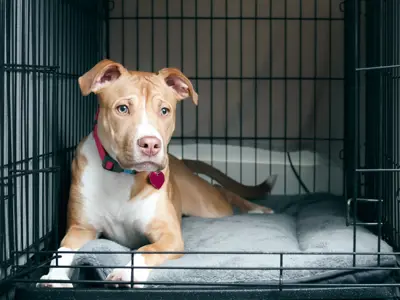
Select a kennel big enough for your dog to stand, turn, and lie down. Too small feels cramped and causes discomfort. Too large may make the dog feel insecure. Measure your dog’s height and length before buying. Make sure the kennel allows easy movement without extra space that feels empty.
Adding Comfort Items
Soft bedding makes the kennel inviting and warm. Use washable blankets or pet beds that fit the kennel size. Add familiar toys to keep your dog entertained and calm. A chew toy helps relieve anxiety and boredom. Place a water bowl to keep your dog hydrated. Avoid food bowls that spill easily. Keep the kennel clean by removing dirt and hair daily.
Exercise And Socialization Needs
Exercise and socialization are key for a dog’s health and happiness. Dogs need time to move and play every day. Kennel time should not replace these activities. Without enough exercise, dogs may feel bored or stressed. Social interaction helps dogs stay friendly and confident. Balancing kennel time with activity keeps dogs well-rounded and calm.
Balancing Kennel Time With Activity
A dog should not stay in a kennel for more than a few hours at once. Break kennel time into shorter periods. Let the dog out for walks, play, and bathroom breaks often. Exercise helps release energy and keeps muscles strong. A tired dog rests better and behaves well after kennel time.
- Take the dog for a walk before and after kennel time
- Play fetch or tug to burn energy
- Give toys to keep the dog busy inside the kennel
- Watch for signs of restlessness or anxiety
Social Interaction Tips
Dogs need contact with people and other dogs. Kenneling should not isolate them. Spend time petting and talking to the dog daily. Arrange playdates or visits to dog parks if possible. Social time helps dogs learn manners and reduces fear.
- Use calm voices and gentle touches during interaction
- Introduce new dogs slowly and in safe settings
- Observe body language to prevent stress or aggression
- Include training sessions to build trust and obedience
Training For Kennel Acceptance
Training a dog to accept a kennel is key for a stress-free experience. Dogs need time to feel safe and calm inside their kennel. This training helps them see the kennel as a cozy, happy space. Patience and gentle steps make all the difference.
Gradual Acclimation Techniques
Start by placing the kennel in a quiet room. Leave the door open so your dog can explore freely. Put soft bedding and favorite toys inside to make it inviting. Let your dog enter and exit at will without pressure. Offer treats near the entrance to build positive feelings.
Slowly increase the time your dog spends inside the kennel. Begin with just a few minutes, then add more time each day. Stay close at first to provide comfort. Avoid forcing your dog inside or shutting the door suddenly. Keep the experience calm and relaxed.
Positive Reinforcement Strategies
Use treats and praise whenever your dog goes near or enters the kennel. Reward calm behavior to encourage your dog to stay inside happily. Speak softly and use a happy tone to create trust.
- Give small treats as your dog approaches the kennel.
- Offer a special chew toy only inside the kennel.
- Use a cue word like “kennel” paired with treats.
- Stay patient and consistent with rewards.
Positive reinforcement builds a strong connection between the kennel and good feelings. This approach reduces fear and helps your dog relax inside the kennel for longer periods.

Credit: www.petperspective.com.au
When Extended Kenneling Is Necessary
Extended kenneling becomes necessary in certain situations where dogs need more time away from home. These periods require special care to ensure the dog’s comfort and well-being. Understanding the reasons for longer stays helps owners prepare better and choose the right environment for their pets.
Travel And Boarding Situations
Many pet owners use kennels during trips or vacations. Dogs may stay in a kennel for several days or weeks while owners are away. Boarding facilities provide safe spaces with daily care, exercise, and social interaction. It is important to select kennels with good reputations and clean environments. Proper preparation, such as bringing familiar toys or blankets, can reduce stress for the dog.
Emergency And Medical Cases
Extended kenneling is necessary during emergencies or medical treatments. Dogs recovering from surgery or illness may need to stay in a controlled space for monitoring. Veterinary boarding or specialized kennels offer medical supervision. This environment helps prevent injury and allows staff to provide timely care. Owners should communicate with staff about their dog’s needs and routines to ensure smooth recovery.
Credit: www.ottawahumane.ca
Frequently Asked Questions
How Long Can A Dog Stay In A Kennel Daily?
Dogs should not stay in a kennel for more than 4-6 hours daily. Prolonged confinement can cause stress and physical discomfort. Puppies and elderly dogs need even shorter periods. Always ensure the kennel is comfortable and provide regular breaks for exercise and bathroom needs.
Is Overnight Kennel Stay Safe For Dogs?
Yes, overnight kennel stays are generally safe if the kennel is comfortable and secure. Ensure your dog has enough space, water, and proper ventilation. Avoid leaving dogs overnight frequently to prevent anxiety and stress. Monitor your dog’s behavior to ensure they adapt well.
Can Puppies Tolerate Kennel Time Like Adult Dogs?
Puppies need shorter kennel times than adult dogs, ideally 1-2 hours initially. Gradually increase their time as they get used to it. Extended kennel stays may cause anxiety and physical issues. Always provide comfort, toys, and frequent breaks for puppies in kennels.
What Are Signs A Dog Is Stressed In A Kennel?
Signs of kennel stress include excessive barking, whining, pacing, drooling, and destructive behavior. Some dogs may refuse to eat or show signs of anxiety. If these behaviors appear, reduce kennel time and increase interaction and exercise to help your dog feel secure.
Conclusion
Finding the right kennel time for your dog is crucial. Consider their comfort and happiness. Dogs need exercise, social interaction, and rest. Long kennel hours can affect their mood. Shorter stays help maintain their well-being. Balance is key. Make sure they feel safe and loved.
Pay attention to their behavior. Happy dogs are healthy dogs. Regular breaks from the kennel are important. Always prioritize their needs. Your dog's happiness depends on your care. Keep these tips in mind. They'll ensure your furry friend remains joyful and healthy.