Are you worried about what your furry friend is chewing on? Choosing the right chew bone for your dog isn't just about keeping them entertained—it's about ensuring their safety and health.
You might wonder, "What is a safe chew bone for dogs? " With so many options out there, it can be overwhelming to decide what's best for your beloved pet. But don't worry, you're not alone. We will guide you through the essentials of selecting a chew bone that keeps your dog happy, healthy, and safe.
By the end, you'll feel confident in making the best choice for your canine companion. Keep reading to discover the secrets to keeping those tails wagging without worry!
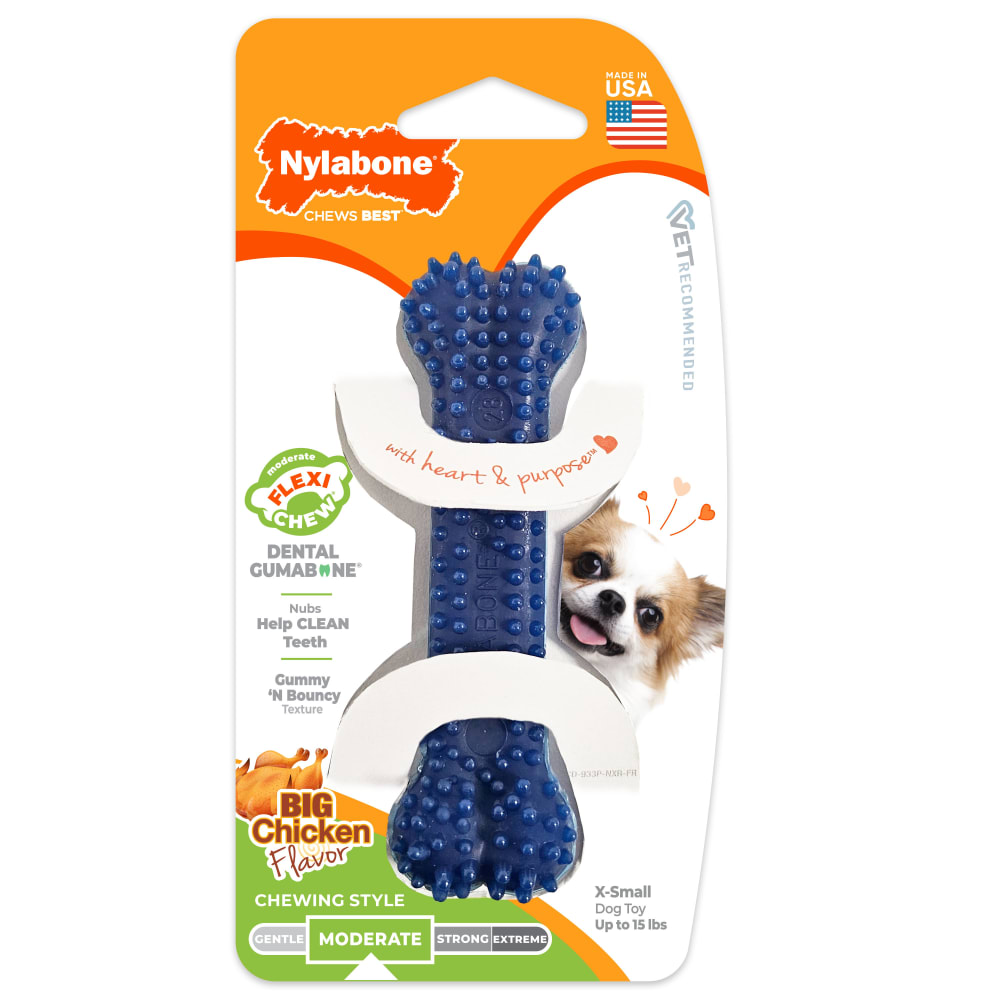
Credit: www.nylabone.com
Benefits Of Chew Bones
Chew bones offer many benefits for dogs beyond just keeping them busy. They help maintain a dog’s health and well-being in simple, natural ways. Safe chew bones support dental care, mental activity, and positive behavior. These benefits improve your dog's daily life and happiness.
Dental Health Improvements
Chewing on bones helps remove plaque and tartar from teeth. This reduces bad breath and lowers the risk of gum disease. Regular chewing strengthens jaws and keeps teeth clean. It is a natural way to support oral hygiene.
Mental Stimulation
Chew bones engage a dog's mind by providing a focused activity. This helps prevent boredom and reduces stress. Dogs use problem-solving skills while chewing, which keeps their brain active. Mental stimulation supports a happy and healthy dog.
Behavioral Benefits
Chewing on bones can reduce destructive behaviors like chewing furniture. It gives dogs a safe outlet for their natural chewing instincts. This helps them stay calm and less anxious. Proper chewing habits improve overall behavior and obedience.
Types Of Safe Chew Bones
Safe chew bones come in different types to suit your dog's needs. Each type offers unique benefits and safety features. Choosing the right kind helps keep your dog happy and healthy. Understanding these types can guide you in picking the best option.
Natural Bones
Natural bones are real animal bones cleaned and prepared for dogs. They provide a satisfying chewing experience and help clean teeth. Choose raw, untreated bones to avoid harmful bacteria. Avoid cooked bones because they can splinter and hurt dogs. Always supervise your dog with natural bones to prevent choking.
Synthetic Chew Toys
Synthetic chew toys are made from durable materials like rubber or nylon. These toys are designed to last long and resist breaking. They come in various shapes and sizes for different dog breeds. Synthetic toys help reduce boredom and provide safe chewing options. Look for non-toxic materials to keep your dog safe.
Edible Chews
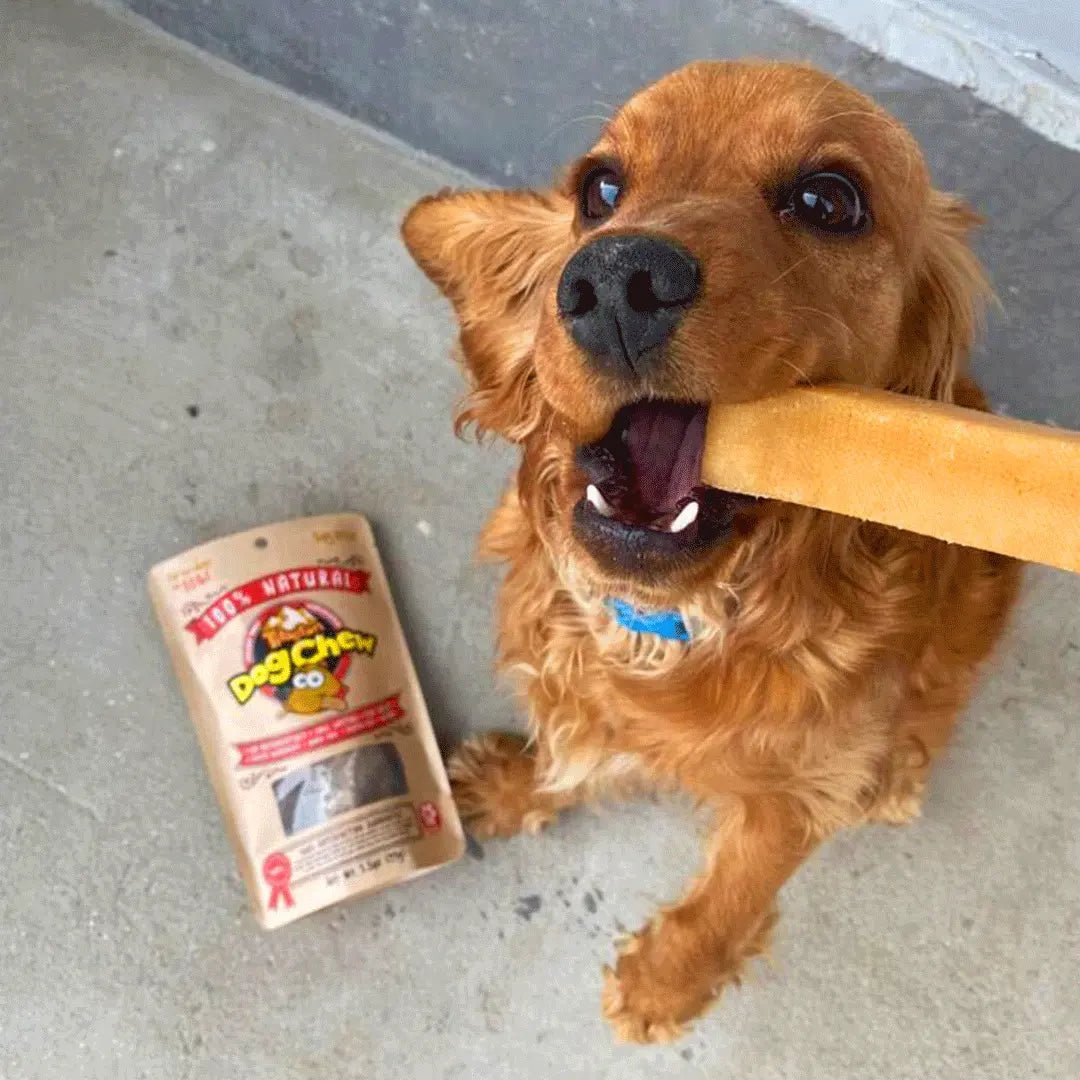
Edible chews are treats made specifically for chewing and digestion. They come in flavors dogs love and often contain nutrients. These chews dissolve or break down safely inside the mouth. Edible options include rawhide alternatives, bully sticks, and dental chews. Always check ingredients to avoid allergens or harmful additives.
Materials To Avoid
Choosing a safe chew bone for dogs means knowing which materials to avoid. Some materials can harm your dog’s health or cause accidents. Unsafe chew bones may contain harmful chemicals, break into sharp pieces, or block your dog’s airway. Understanding these risks helps protect your furry friend.
Toxic Ingredients
Some chew bones contain harmful chemicals like lead or artificial dyes. These toxins can cause vomiting, diarrhea, or worse. Avoid bones made with unknown or suspicious ingredients. Always check labels for safe, natural materials.
Choking Hazards
Small parts or brittle bones can break into pieces your dog might swallow. These pieces can block the throat or digestive tract. Avoid chew bones that are too small or easily crumble. Choose larger, durable options to reduce choking risks.
Bones That Splinter
Real cooked bones often splinter into sharp shards. These shards can injure your dog’s mouth, throat, or stomach. Avoid giving cooked bones or bones that break apart easily. Raw, specially designed chew bones are safer alternatives.

Credit: k9connoisseur.com
Top Healthy Chew Bone Picks
Choosing the right chew bone for your dog can make a big difference in their health and happiness. Healthy chew bones support dental care, satisfy natural chewing instincts, and keep your dog engaged for longer periods. Below are some top picks that you can trust to be both safe and beneficial for your furry friend.
Raw Beef Bones
Raw beef bones are a favorite among many dog owners because they offer natural nutrients and help clean teeth. They are less likely to splinter compared to cooked bones, reducing the risk of injury. Always supervise your dog while chewing and choose appropriately sized bones to avoid choking hazards.
Bully Sticks
Bully sticks come from beef muscle and are fully digestible, making them a safe option for most dogs. They provide a long-lasting chew that helps reduce plaque and tartar buildup. Keep an eye on portions, as bully sticks can be high in calories.
Antler Chews
Antler chews are durable and packed with minerals like calcium and phosphorus. They don’t splinter easily, which lowers the risk of cuts or blockages. However, they can be quite hard, so they may not be suitable for puppies or dogs with sensitive teeth.
Rubber Chew Toys
Rubber chew toys offer a safe, non-edible alternative that can withstand aggressive chewing. Many are designed to clean teeth and massage gums as your dog chews. Look for toys made from non-toxic, durable rubber and replace them when they show signs of wear.
Choosing The Right Chew Bone
Choosing the right chew bone for your dog is more important than many pet owners realize. The wrong size or type can lead to choking hazards or digestive issues. Making an informed choice ensures your furry friend enjoys safe, satisfying chewing that supports their health and happiness.
Size And Breed Considerations
Dogs come in all shapes and sizes, so their chew bones should match. A large breed dog needs a sturdy, bigger bone that won’t break easily, while small breeds require smaller, gentler options. Giving a tiny dog a huge bone might overwhelm them, while a large dog can easily crush a small bone, risking sharp fragments.
Think about your dog’s chewing style too. Some breeds, like Bulldogs or Pit Bulls, are aggressive chewers and need bones made from durable materials. Less intense chewers can handle softer options without trouble.
Age And Health Factors
Puppies and senior dogs have different needs from adult dogs. Puppies’ teeth are still developing, so hard bones can damage their gums or emerging teeth. Soft or specially designed puppy chew bones help ease teething discomfort safely.
Older dogs may have dental issues or weaker jaws, requiring gentler options to avoid pain. If your dog has allergies or digestive problems, pick hypoallergenic or easily digestible bones to prevent complications. Have you noticed changes in your dog’s chewing habits that might hint at health issues?
Supervision Tips
Always watch your dog when they’re enjoying a chew bone. Even the safest bones can pose risks if chewed too aggressively or swallowed in large chunks. Supervision lets you step in if pieces break off or your dog seems to struggle.
Set time limits for chewing sessions to prevent overuse injuries or excessive wear on teeth. And remember, no matter how safe a bone seems, it’s better to be cautious than regretful. How closely do you watch your dog when they chew?

Credit: www.walmart.ca
Maintaining Chew Bone Safety
Maintaining chew bone safety is key to keeping dogs happy and healthy. Chew bones help with dental health and reduce boredom. Safe use depends on regular care and attention from pet owners.
Checking the chew bone often prevents accidents. Clean bones keep germs away. Knowing when to replace a chew bone protects your dog from harm.
Regular Inspection
Look at the chew bone every day. Check for cracks, sharp edges, or pieces breaking off. Broken parts can choke your dog or hurt its mouth. Remove the bone if it looks damaged or worn out.
Proper Cleaning
Wash the chew bone with warm water and mild soap. Rinse it well to remove all soap. Do this weekly or more if the bone is dirty. Clean bones stop bacteria from growing and keep your dog safe.
Replacement Guidelines
Replace chew bones regularly to avoid risks. Natural bones may last a few weeks. Synthetic ones can last longer but watch for wear. Always buy bones suitable for your dog’s size and chewing strength.
Frequently Asked Questions
What Materials Make A Safe Chew Bone For Dogs?
Safe chew bones are made from natural, non-toxic materials like nylon, rubber, and compressed vegetable matter. Avoid bones that splinter or are too hard to prevent choking or tooth damage. Always choose products labeled specifically as safe for dogs.
How Do Safe Chew Bones Benefit My Dog's Health?
Safe chew bones promote dental health by reducing plaque and tartar buildup. They also help satisfy your dog's natural chewing instincts and reduce anxiety. Regular chewing can improve jaw strength and keep your dog entertained.
Can Puppies Chew The Same Bones As Adult Dogs?
Puppies need softer, smaller chew bones designed for their developing teeth. Adult dog bones can be too hard and may damage puppy teeth. Always choose age-appropriate chew toys and supervise chewing to ensure safety.
How Often Should I Give My Dog A Chew Bone?
Offering a chew bone a few times a week is ideal to maintain dental health without overdoing it. Monitor your dog's chewing habits and replace bones that become worn or broken to avoid choking hazards.
Conclusion
Safe chew bones keep dogs happy and healthy. Choose bones made from natural, non-toxic materials. Avoid bones that can splinter or break easily. Always watch your dog while chewing to prevent accidents. Clean bones regularly to keep them safe and fresh.
Remember, the right chew bone supports dental health and reduces boredom. Every dog is different; find what suits yours best. Safe chewing means a happy dog and peace of mind for you.