Is your furry friend constantly scratching or dealing with an upset tummy? If your dog is showing signs of allergies, you're probably wondering what you can do to help them feel better.
One of the most effective ways to address your dog's allergies is by choosing the right food. But with so many options out there, how do you know which dog food is best for dogs with allergies? Don't worry, you're not alone in this quest.
Many pet owners face the same challenge, and we're here to guide you through the maze of choices. By the end of this article, you'll have the knowledge to make an informed decision that can bring comfort to your beloved pet. Dive in and discover how the right diet can transform your dog's life for the better.
Common Dog Allergies
Dog allergies are common and can cause discomfort. These allergies often come from certain foods or environmental factors. Knowing the signs and common triggers helps in choosing the right dog food. This knowledge supports your dog's health and happiness.
Symptoms To Watch For
Watch for itching and scratching. Red, inflamed skin often appears around the face, paws, or ears. Dogs may lick or chew their paws frequently. Hair loss or hot spots are signs of irritation. Digestive problems like vomiting or diarrhea also show allergies. Ear infections that keep coming back can indicate food allergies.
Typical Allergens In Dog Food
Common allergens include:
- Beef
- Dairy products
- Chicken
- Wheat
- Soy
- Corn
- Eggs
These ingredients often cause allergic reactions in dogs. Choosing food without these allergens can reduce symptoms. Hypoallergenic dog foods often use novel proteins like duck or venison. Limited ingredient diets help identify and avoid allergens.

Credit: talis-us.com
Types Of Allergy-friendly Dog Food
Choosing the right allergy-friendly dog food can feel overwhelming. Understanding the types available helps you make better decisions for your dog's health and comfort. Let’s look at the main categories that cater to dogs with allergies.
Limited Ingredient Diets
Limited ingredient diets focus on using fewer ingredients to reduce the chance of allergic reactions. These diets often contain a single protein source and a limited number of carbohydrates. Have you noticed your dog reacts poorly to complex meals? This type might simplify things and help identify the culprit.
For example, a limited ingredient formula might include only turkey and sweet potatoes, avoiding common allergens like beef or dairy. Such straightforward recipes make it easier to track what your dog can tolerate.
Hypoallergenic Formulas
Hypoallergenic dog foods are specially designed to minimize the risk of allergies. They often use hydrolyzed proteins, which are broken down into tiny pieces that the immune system doesn’t recognize as allergens.
If your dog has severe allergies, this option can be a game-changer. It’s like giving your dog’s immune system a break while still providing essential nutrition.
Grain-free Options
Grain-free dog foods eliminate common grains such as wheat, corn, and soy, which are often linked to allergic reactions. Instead, these diets use alternative sources like peas, lentils, or potatoes.
But is grain-free always better for your dog? Not necessarily. It’s important to know if grains are the actual cause of your dog's allergy before switching. Consulting your vet can save you from unnecessary diet changes.
Novel Protein Sources
Novel proteins are uncommon protein sources that your dog hasn’t eaten before, such as kangaroo, duck, or venison. These proteins are less likely to trigger allergies because your dog’s immune system hasn’t been exposed to them.
Switching to a novel protein might seem adventurous, but it often brings relief to dogs with food sensitivities. Have you tried a protein your dog has never had before? It could be the key to soothing those itchy skin issues.
Top Allergy-friendly Dog Food Brands
Choosing the right dog food for your furry friend with allergies can feel overwhelming. You want something that soothes their sensitive stomach without compromising on nutrition or taste. Luckily, several top brands focus on allergy-friendly ingredients that can help your dog thrive.
Premium Prescription Diets
Prescription diets are specially formulated to address food allergies and intolerances. Brands like Hill’s Prescription Diet and Royal Canin offer options with hydrolyzed proteins or limited ingredients that reduce allergic reactions.
These diets often require vet approval, but they can make a big difference if your dog’s allergies are severe. Have you noticed your dog’s symptoms improve after switching to a prescription diet?
Natural And Organic Choices
If you prefer a more natural approach, look for brands that use organic, whole-food ingredients with no artificial additives. Blue Buffalo Basics and Natural Balance are popular for their simple recipes and limited ingredients.
These foods often avoid common allergens like corn, wheat, and soy, focusing instead on novel proteins such as duck or salmon. Trying a natural diet might be the key to easing your dog’s discomfort without sacrificing quality.
Budget-friendly Alternatives
Allergy-friendly dog food doesn’t have to break the bank. Brands like Taste of the Wild and Merrick offer affordable options with grain-free recipes and novel proteins.
They balance cost with quality, making it easier to maintain your dog’s special diet long-term. What budget-friendly brands have you found effective for managing your dog’s allergies?
Homemade Diets For Allergic Dogs
Homemade diets offer a natural way to feed dogs with allergies. They give control over every ingredient. This helps avoid allergens and tailor meals to your dog's needs. Homemade food can support better digestion and reduce allergic reactions. Careful planning and preparation are important to keep meals balanced and safe.
Safe Ingredients To Use
Choose simple, fresh ingredients that rarely cause allergies. Some safe options include:
- Lean meats like turkey, rabbit, or lamb
- Vegetables such as sweet potatoes, carrots, and green beans
- Grains like rice or oats, if your dog tolerates them
- Healthy fats from fish oil or flaxseed oil
These ingredients provide essential nutrients without common allergens.
Avoiding Common Allergens
Some ingredients often trigger allergies in dogs. Avoid:
- Beef and dairy products
- Chicken and eggs
- Wheat, corn, and soy
- Artificial additives and preservatives
Reading labels carefully helps prevent accidental exposure. Rotating protein sources may also reduce allergy risks.
Consulting A Veterinarian
Work with a vet before starting a homemade diet. They can:
- Recommend tests to identify allergens
- Help design balanced meal plans
- Suggest supplements to meet nutritional needs
- Monitor your dog's health and progress
Professional guidance ensures your dog's diet is safe and effective.
Tips For Switching Dog Food Safely
Switching your dog to a new food can be tricky, especially for dogs with allergies. A careful change helps prevent tummy troubles and allergic reactions. Use these tips to make the switch smooth and safe for your dog.
Gradual Transition Steps
Start by mixing a small amount of the new food with the old one. Increase the new food portion slowly over 7 to 10 days. This helps your dog's digestive system adjust without stress.
- Day 1-3: 25% new food, 75% old food
- Day 4-6: 50% new food, 50% old food
- Day 7-9: 75% new food, 25% old food
- Day 10: 100% new food
Feed your dog at regular times and keep fresh water nearby. Avoid giving extra treats or human food during the transition.
Monitoring For Reactions
Watch your dog closely after each meal. Look for signs like itching, redness, vomiting, or diarrhea. These can indicate an allergic reaction or food intolerance.
Keep a daily journal of your dog's behavior and health. Note any changes in energy, appetite, or bathroom habits.
If you notice any problems, stop the new food and consult your vet. Early detection helps manage allergies better and keeps your dog comfortable.
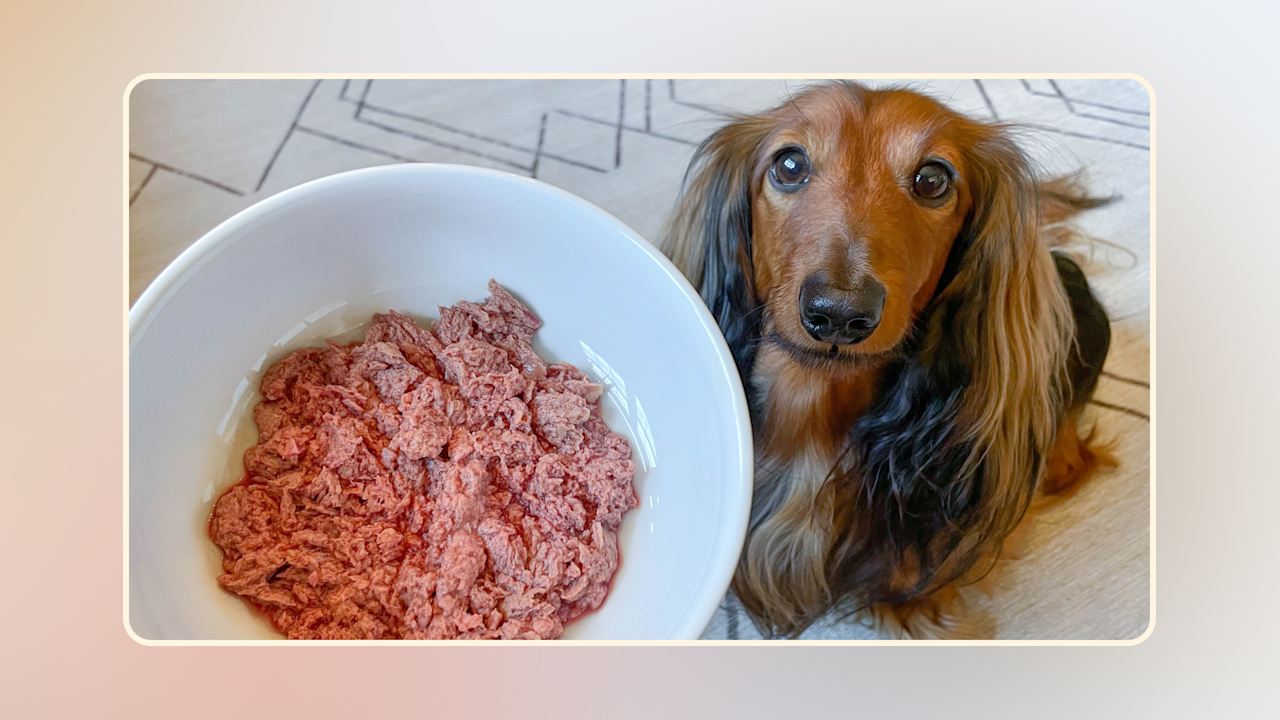
Credit: wefeedraw.com
Additional Allergy Management Strategies
Managing a dog’s allergies involves more than just choosing the right food. Many dogs benefit from extra care and support. These additional strategies help ease symptoms and improve overall comfort. Focus on supplements and controlling environmental triggers to boost your dog's health.
Supplements That Help
Certain supplements can reduce inflammation and support skin health. Omega-3 fatty acids are popular for soothing itchy skin. They help reduce redness and dryness caused by allergies.
Probiotics improve digestion and strengthen the immune system. A healthy gut can lower allergic reactions. Vitamin E supports the skin’s barrier, protecting against irritants.
- Fish oil for omega-3 fatty acids
- Probiotic powders or capsules
- Vitamin E supplements
Always check with your vet before adding supplements to your dog's diet. Proper dosages and combinations matter for safety and effectiveness.
Environmental Allergy Controls
Allergy symptoms often worsen due to environmental factors. Keeping your dog’s surroundings clean helps limit exposure to allergens.
- Regularly wash your dog's bedding in hot water
- Vacuum your home often to remove dust and pollen
- Use air purifiers to reduce airborne allergens
- Keep your dog indoors during high pollen days
- Trim grass and avoid areas with heavy weed growth
Bathing your dog with hypoallergenic shampoos removes irritants from their coat. Use gentle products designed for sensitive skin.

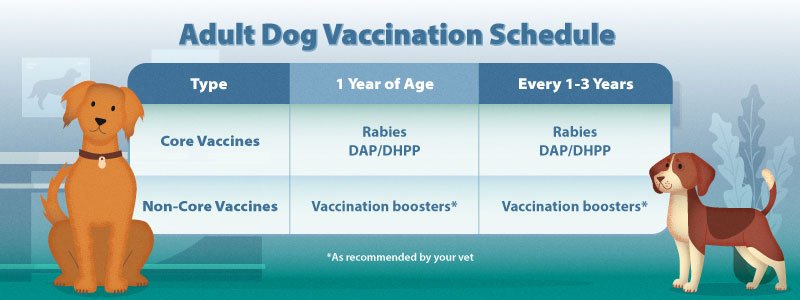
Credit: bramaleaanimalhospital.ca
Frequently Asked Questions
What Ingredients Should I Avoid In Dog Food For Allergies?
Avoid common allergens like wheat, soy, corn, and dairy. Also, watch out for artificial preservatives and fillers. These ingredients often trigger allergic reactions in sensitive dogs. Opt for limited-ingredient or hypoallergenic formulas to minimize exposure to allergens and keep your dog healthy.
How Do I Choose The Best Hypoallergenic Dog Food?
Look for foods labeled hypoallergenic or limited-ingredient. They contain novel proteins like duck or venison and avoid common allergens. Check for grain-free options if your dog is sensitive to grains. Always consult your vet before switching to ensure it suits your dog’s allergy needs.
Can Grain-free Dog Food Help With Allergies?
Yes, grain-free dog food can help if your dog is allergic to grains. It eliminates wheat, corn, and soy, common allergy triggers. However, not all allergies are grain-related. Consult your vet to confirm if a grain-free diet is right for your dog.
How Long Does It Take To See Allergy Improvements?
Allergy improvements typically show within 4 to 6 weeks of changing food. Consistency is key during this period. Monitor your dog’s skin, coat, and digestion for positive changes. If no improvement occurs, consult your vet for alternative options or testing.
Conclusion
Choosing the right dog food helps ease allergy symptoms. Foods with limited ingredients often work best. Avoid common allergens like wheat, soy, and corn. High-quality proteins support your dog’s health and skin. Always check labels carefully before buying any food.
Consult your vet to tailor the diet to your dog. Remember, patience is key during diet changes. A happy dog starts with proper nutrition and care. Keep watching your dog’s reaction to new foods closely. This approach improves comfort and overall well-being over time.