When you take your furry friend for their vaccinations, you’re doing your best to keep them healthy and protected. However, you might notice that after the visit to the vet, your dog seems a bit less enthusiastic, limping or showing signs of leg pain.
This can be concerning, and you’re probably wondering what you can do to help your beloved pet feel better quickly. Understanding how to treat dog leg pain after vaccination is crucial for ensuring your dog’s comfort and well-being. By reading on, you'll discover simple, effective ways to ease your dog's discomfort, helping them bounce back to their usual playful self.
Whether you’re a first-time dog owner or a seasoned pet parent, knowing how to care for your dog post-vaccination can make all the difference in their recovery. Stay with us to learn valuable tips that will put both your mind and your dog’s paws at ease.
Credit: pethelpful.com
Causes Of Leg Pain After Vaccination
Leg pain after your dog receives a vaccination can be concerning. Understanding the causes helps you respond quickly and effectively. It’s important to recognize what’s normal and when you should seek veterinary advice.
Common Side Effects
After vaccination, your dog might show typical side effects like mild soreness or stiffness in the leg. This discomfort usually lasts for a day or two and goes away on its own. Have you noticed your dog limping slightly or favoring the leg? This can be a sign of general inflammation as the body reacts to the vaccine.
Other common signs include slight lethargy or decreased appetite. These symptoms mean the immune system is working, but they shouldn’t last long. If your dog’s leg pain persists beyond 48 hours, it may need further attention.
Injection Site Reactions
Sometimes the leg pain comes directly from the injection site. You might see redness, swelling, or a small lump where the needle went in. This reaction can cause your dog to lick or chew the area, which may worsen the irritation.
In my experience, a warm compress applied gently to the site can ease your dog’s discomfort. Keep the area clean and avoid letting your dog scratch it. Watch out for signs of infection, such as heat or pus, which require a vet’s care.
Allergic Responses
Though rare, allergic reactions to vaccines can cause more serious leg pain. Symptoms might include swelling that spreads beyond the injection site or your dog appearing very uncomfortable. Have you seen sudden limping combined with hives or difficulty breathing?
If so, this could indicate an allergic reaction needing immediate veterinary attention. Quick action can prevent complications. Always monitor your dog closely for several hours after vaccination, especially if it’s their first time receiving that specific vaccine.
Recognizing Symptoms In Your Dog
Recognizing symptoms in your dog after vaccination helps catch leg pain early. Dogs cannot tell us when they hurt. Observing changes closely ensures timely care. Watch for signs that indicate discomfort or unusual behavior.
Signs Of Discomfort
- Limping or favoring one leg
- Swelling or redness near the injection site
- Whining or yelping when the leg is touched
- Reluctance to walk or run
- Stiffness in movement, especially after rest
Behavioral Changes
- Less interest in playing or exercising
- Seeking more rest than usual
- Hiding or avoiding contact
- Changes in appetite or drinking habits
- Increased irritability or aggression
When To Seek Veterinary Care
Contact your vet if leg pain lasts more than 48 hours. Immediate care is needed if swelling worsens or your dog cannot walk. Sudden fever or loss of appetite also requires prompt attention. Early treatment prevents complications and aids quick recovery.
Home Care For Leg Pain
Home care plays a key role in easing your dog's leg pain after vaccination. It helps reduce discomfort and supports healing naturally. Simple actions at home can make your dog feel more comfortable and speed up recovery.
Rest And Restricted Movement
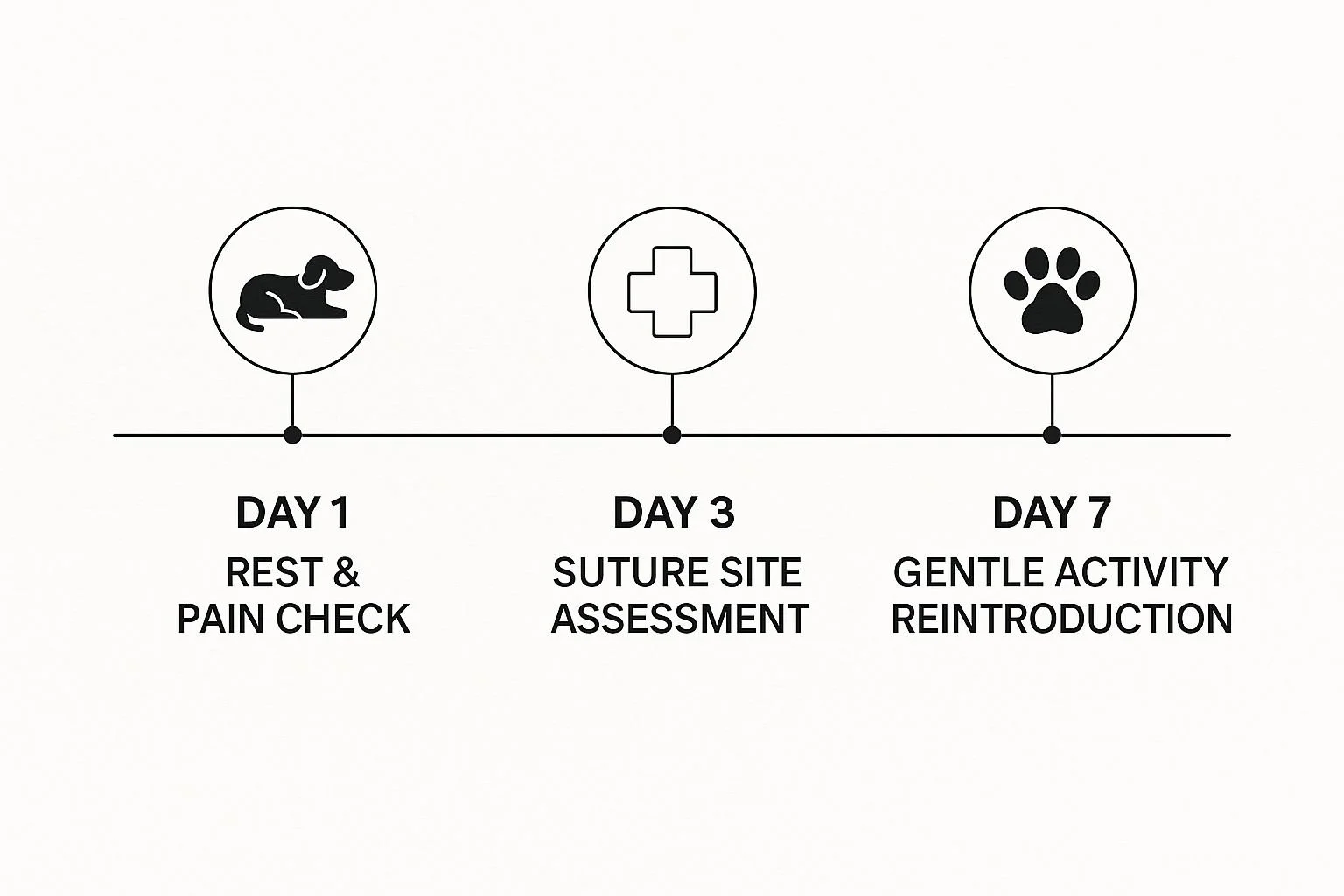
Rest is essential for healing. Limit your dog's activity for a few days. Avoid running, jumping, or long walks. Provide a quiet, comfortable space where your dog can relax. Keep other pets away to prevent rough play. This helps reduce stress on the sore leg and lowers pain.
Cold And Warm Compresses
Cold compresses reduce swelling and numb pain. Apply a cold pack wrapped in a towel to the leg for 10 to 15 minutes. Do this several times a day during the first 48 hours. After swelling goes down, switch to warm compresses. Warmth improves blood flow and relaxes muscles. Use a warm cloth for 10 to 15 minutes, two to three times daily.
Gentle Massage Techniques
Massage can relieve pain and improve circulation. Use soft, slow strokes around the leg, avoiding the injection site. Start from the top of the leg and move downwards. Watch your dog’s reaction closely; stop if they show discomfort. Gentle massage helps reduce stiffness and promotes relaxation.
Credit: www.carecredit.com
Pain Relief Options
Managing dog leg pain after vaccination helps your pet recover faster. Choosing the right pain relief option soothes discomfort and supports healing. Understanding available remedies guides you to safe and effective care.
Over-the-counter Remedies
Some mild pain relievers designed for dogs can ease leg pain. Always check the label for dog-specific products. Avoid human medications unless approved by a vet.
- Use non-steroidal anti-inflammatory drugs (NSAIDs) made for dogs.
- Apply cold compresses to reduce swelling and numb pain.
- Keep your dog calm and limit movement to prevent more pain.
Veterinary Prescribed Medications
Your vet may prescribe stronger medications for severe pain. These drugs target inflammation and discomfort safely. Follow the dosage and schedule exactly as directed.
- Prescription NSAIDs tailored for your dog’s needs.
- Muscle relaxants to ease stiffness around the injection site.
- Short-term use of pain relievers for quick relief.
Natural Supplements
Natural options support joint health and reduce inflammation gently. They work best alongside other treatments. Consult your vet before starting supplements.
- Glucosamine and chondroitin to repair cartilage.
- Omega-3 fatty acids to fight inflammation.
- Turmeric for its natural anti-inflammatory properties.
Preventing Future Pain
Preventing future leg pain after vaccination helps keep your dog comfortable and healthy. Taking simple steps before and after vaccination reduces the chance of pain. Focus on safe vaccination methods, careful observation, and good joint care. These habits support your dog's well-being.
Proper Vaccination Techniques
Vaccines should be given by trained professionals to avoid injury. The injection site must be clean and muscles relaxed. Using the correct needle size helps reduce pain. Gentle handling during the shot lowers stress and discomfort. Proper technique protects muscles and joints from damage.
Post-vaccination Monitoring
Watch your dog closely after vaccination for signs of pain or swelling. Check the injection site daily for redness or lumps. Note any limping, favoring one leg, or unusual behavior. Early detection allows quick action and care. Contact a vet if pain or swelling worsens or lasts more than a few days.
Maintaining Overall Joint Health
Strong joints help your dog recover faster and avoid pain. Feed a balanced diet rich in omega fatty acids and antioxidants. Regular, gentle exercise keeps muscles and joints flexible. Avoid hard surfaces and rough play after vaccination. Supplements like glucosamine may support joint health. Consult your vet before adding supplements to the diet.
Credit: www.simonvetsurgical.com
Frequently Asked Questions
What Causes Dog Leg Pain After Vaccination?
Dog leg pain after vaccination is usually due to mild inflammation or muscle soreness. The injection site may swell or cause temporary discomfort. This reaction is common and typically resolves within a few days without treatment.
How Can I Relieve My Dog's Leg Pain Post-vaccination?
You can relieve your dog's leg pain by applying a cold compress to the injection site. Ensure your dog rests and avoids strenuous activity. If pain persists, consult your vet for appropriate pain relief options.
When Should I Worry About My Dog’s Leg Pain After Vaccination?
Seek veterinary help if your dog's leg pain worsens, swelling increases, or if there is limping beyond a few days. Also, watch for signs of allergic reactions like difficulty breathing or excessive swelling.
Can Exercise Worsen My Dog’s Leg Pain After Vaccination?
Yes, vigorous exercise can worsen post-vaccination leg pain. Limit your dog’s activity for 24-48 hours after vaccination to allow healing and reduce discomfort.
Conclusion
Treating your dog’s leg pain after vaccination requires patience and care. Watch your pet closely for signs of discomfort or swelling. Offer rest and gentle support to help ease the pain. Use recommended pain relief methods only under vet guidance.
Quick action can prevent the pain from getting worse. Remember, your vet is the best source for advice and treatment. Keeping your dog comfortable helps them heal faster and stay happy. Simple care steps make a big difference in recovery.
Stay calm, observant, and ready to help your furry friend.