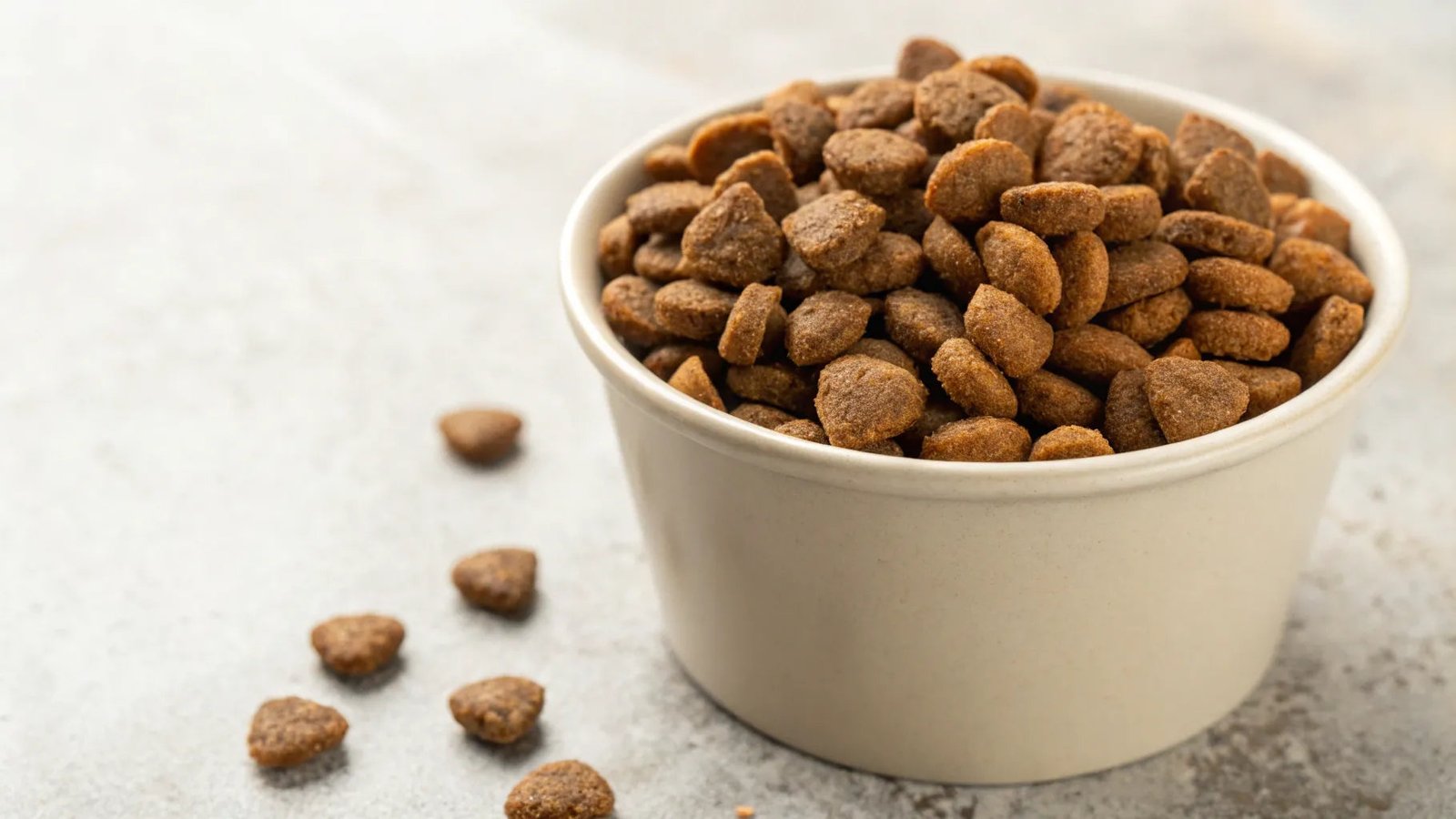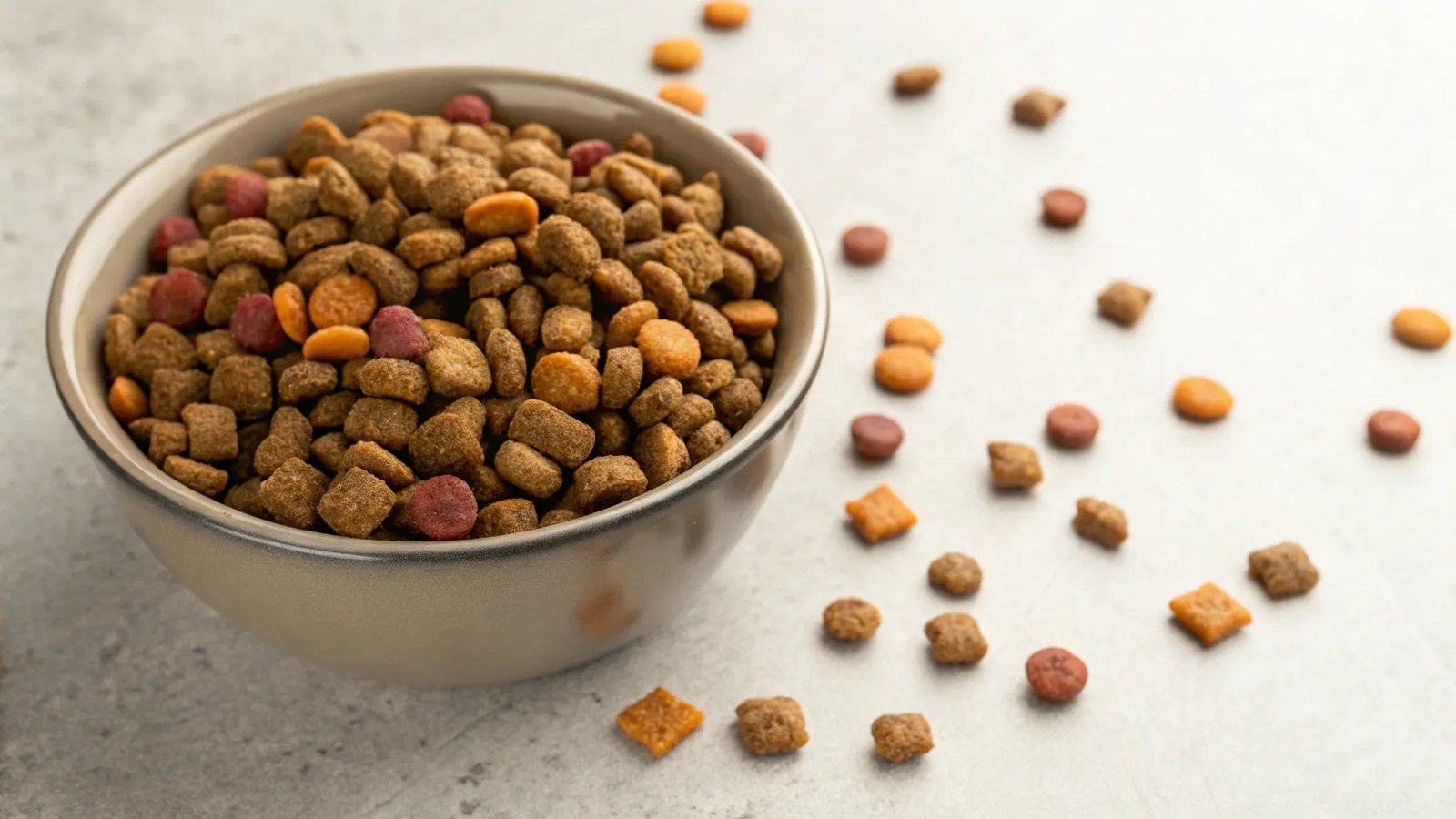
Have you ever opened a bag of dog food and wondered if it's still good for your furry friend? You're not alone.
Ensuring your pet's food is safe and nutritious is crucial for their health and happiness. Bad dog food can lead to upset stomachs or, worse, long-term health issues. But how can you tell if the food has gone bad? We'll uncover the signs that will help you make sure your dog's meals are fresh and safe.
By the end, you'll feel confident in your ability to protect your pet from spoiled food, ensuring they lead a healthy and joyful life. So, let's dive in and keep your pup's tail wagging!
Smell And Odor
Smell and odor are often the first clues that your dog’s food might have gone bad. Your nose can detect subtle changes that eyes might miss. Paying close attention to these signals can protect your pet from eating spoiled food and falling ill.
Rancid Or Sour Smell
Have you ever noticed a sharp, unpleasant scent when opening your dog’s food bag? That rancid or sour smell usually means fats in the food have gone bad. This happens when oils oxidize, especially in wet or fatty foods.
If the food smells like stale nuts or sour milk, it’s a clear red flag. Feeding your dog rancid food can cause digestive upset or worse. Trust your nose—if it smells off, don’t feed it to your pet.
Unusual Or Strong Odors
Sometimes dog food can develop strange or overpowering smells that aren’t typical. These could be chemical-like, metallic, or even moldy odors. Such smells often indicate contamination or spoilage beyond normal expiration.
Have you ever opened a bag and felt hit by a strong, unfamiliar scent? That’s a sign to inspect the food carefully or discard it. Your dog’s health depends on fresh, safe food, so don’t ignore these unusual odors.
Appearance Changes
Changes in the appearance of dog food can signal spoilage or contamination. Paying attention to how the food looks helps keep your dog safe. Fresh dog food usually has a consistent color, texture, and shape. Any shifts can mean the food is no longer good to eat.
Discoloration
Fresh dog food maintains its original color. Dark spots, fading, or unusual shades suggest spoilage. Discoloration often results from exposure to air or moisture. Avoid feeding discolored food to your pet.
Mold Or Fungal Growth
White, green, or black fuzzy patches indicate mold. Mold grows in moist or warm conditions. Eating moldy food can harm your dog’s health. Always discard food with visible mold or fungal growth.
Clumping Or Texture Changes
Good dog food has a dry and crumbly texture. Clumps or sticky areas show moisture has affected it. Texture changes may also mean the food is old or contaminated. Avoid feeding dog food that feels different than usual.
Packaging Issues
Packaging plays a key role in keeping dog food fresh and safe. Problems with packaging can signal that the food inside might be spoiled or contaminated. Checking the condition of the package helps protect your dog’s health. Watch for any visible damage or unusual signs on the bags. These often mean the food could be bad or unsafe to feed your pet.
Damaged Or Swollen Bags
Look closely at the dog food bag. Tears, holes, or broken seals let air and moisture inside. This can cause mold growth or spoilage. Swollen or puffed-up bags often mean bacteria or gas is inside. This is a clear sign the food is no longer fresh. Avoid feeding your dog from any damaged or swollen packages. The risk of illness is too high.
Expired Or Missing Dates
Always check the expiration date printed on the package. Expired dog food loses nutrients and may spoil. Feeding expired food can upset your dog’s stomach or cause illness. Sometimes, packages lack a clear date or it is hard to read. If you cannot confirm the freshness date, do not use the food. Freshness dates help ensure your dog eats safe and healthy meals.
Credit: www.houndsy.com
Taste And Palatability
Taste and palatability play a big role in your dog’s willingness to eat their food. Dogs have strong preferences for flavors and textures. When dog food goes bad, these qualities often change. This can cause your pet to refuse the food or eat less than usual.
Understanding these changes helps spot bad dog food early. It protects your dog from eating something harmful or spoiled. Watch your dog’s reactions closely to detect any issues.
Reluctance To Eat
Your dog may suddenly avoid their usual meals. A healthy dog usually eats eagerly. If they show hesitation or walk away from the bowl, the food might be off.
Signs include:
- Sniffing and then backing away
- Eating less than normal
- Picking at food without finishing
Reluctance often means the taste or smell has changed. This can happen if the food is stale or contaminated.
Unusual Taste Or Texture
Bad dog food can taste strange or feel different in the mouth. Dogs dislike food that is too dry, soggy, or crumbly.
Changes to watch for:
- Grainy or powdery texture
- Sticky or slimy feeling
- Bitter or sour taste
Your dog may chew more or spit out the food. These are clear signs the palatability has dropped.
Health Reactions
Health reactions in dogs can signal that their food has gone bad. These reactions often appear quickly after eating spoiled food. Dogs may show signs that something is wrong with their diet. Observing these symptoms helps protect your dog's health and comfort.
Digestive Problems
Digestive issues are common signs of bad dog food. Dogs might vomit or have diarrhea soon after eating. Stomach upset may cause bloating or gas. Loss of appetite and lethargy can also appear. Watch for unusual drooling or discomfort after meals. These symptoms suggest the food is not safe.
Allergic Symptoms
Allergic reactions may happen with spoiled food. Dogs can develop itchy skin or redness. Excessive scratching or licking is a warning sign. Swelling around the face or paws may occur. Some dogs cough or sneeze after eating bad food. These signs mean the food could be contaminated or spoiled.

Credit: www.houndsy.com
Storage Tips
Storing your dog’s food correctly is key to keeping it fresh and safe for your furry friend. Poor storage can cause the food to spoil quickly, leading to bad odors, mold, or even health issues for your dog. Let’s look at some simple storage tips that can help you avoid these problems and keep your dog’s meals tasty and nutritious.
Proper Sealing
Always seal your dog food bag tightly after each use. Exposure to air speeds up spoilage and can attract pests. Using airtight containers or resealable bags works best to keep the food fresh longer.
I once left a bag of kibble loosely closed, and within days it smelled off and my dog refused to eat it. Since then, I use a clip and store the bag inside a container with a tight lid. This small step made a huge difference.
Ideal Temperature
Store dog food in a cool, dry place away from direct sunlight. Heat can cause fats in the food to go rancid faster, affecting taste and safety. A pantry or cupboard that stays between 50-70°F (10-21°C) is perfect.
Have you noticed your dog’s food gets clumpy or smells funny after sitting near a warm stove or heater? Moving it to a cooler spot can help maintain its quality.
Avoiding Moisture
Moisture is the enemy of dry dog food. Even small amounts can lead to mold growth and bacterial contamination. Keep the food container dry and avoid using wet scoops or hands when serving.
If you live in a humid area, consider using moisture absorbers in the storage container. It’s a simple way to keep moisture out and your dog’s food safe.
When To Dispose
Knowing when to dispose of dog food is crucial for your pet’s health. Spoiled food can cause illness or discomfort. Identifying the right time to throw out dog food helps keep your dog safe and happy. This section covers key signs and safe ways to dispose of bad dog food.
Critical Signs To Watch For
- Strong, sour, or rancid smell from the food
- Visible mold or discoloration on the food
- Food feels sticky, slimy, or unusually hard
- Expired date has passed, especially by weeks
- Unusual insects or larvae inside the bag
- Your dog refuses to eat the food or shows illness
Safe Disposal Methods
Dispose of bad dog food carefully to avoid attracting pests. Avoid throwing large amounts in open trash bins. Seal the food in a strong plastic bag before discarding.
- Use a sealed trash container with a tight lid
- Consider composting only if the food is natural and mold-free
- Do not flush dog food down the drain or toilet
- Contact local waste management for guidelines on pet food disposal
Credit: www.houndsy.com
Frequently Asked Questions
How Can I Tell If Dog Food Has Gone Bad?
Check for foul odor, mold, or discoloration in the dog food. Spoiled food may be clumpy or have a strange texture. If your dog refuses to eat, it might be a sign the food is bad.
What Are Common Signs Of Spoiled Dog Food?
Spoiled dog food often smells rancid, looks moldy, or changes color. It may also become sticky or clump together. Feeding bad food can cause your dog to vomit or have diarrhea.
Can Expired Dog Food Harm My Dog?
Yes, expired dog food can cause digestive issues and illness. Bacteria and mold grow in old food, which can make your dog sick. Always check expiration dates before feeding your pet.
How Should I Store Dog Food To Keep It Fresh?
Store dog food in a cool, dry place away from sunlight. Use airtight containers to prevent moisture and pests. Proper storage extends the food’s shelf life and keeps it safe for your dog.
Conclusion
Bad dog food can harm your pet’s health and happiness. Watch for strange smells, colors, or textures in the food. Check expiration dates and storage conditions carefully. Trust your dog’s reaction to the food too. Throw away any food that seems off or spoiled.
Keeping dog food fresh helps your pet stay strong. Simple checks can prevent serious health problems. Careful feeding shows your love and responsibility. Stay alert and protect your furry friend every day.