Are you struggling to figure out the right amount of dog food for your furry friend? You're not alone.
Many pet owners face the challenge of determining the perfect portion size to keep their dogs healthy and happy. Feeding your dog the right amount is crucial, as it directly impacts their well-being and longevity. You want to ensure they're getting enough nutrients without overfeeding, which can lead to obesity and other health issues.
In this guide, we'll break down how much dog food per day your dog needs based on their weight, helping you make informed decisions. Stay with us, and discover the key to a balanced diet for your beloved pet.
Daily Food Needs By Weight
Understanding your dog’s daily food needs by weight is essential for keeping them healthy and happy. Each dog requires a specific amount of calories based on their size, activity, and other factors. Feeding the right amount helps avoid underfeeding or overfeeding, both of which can lead to health issues.
Calculating Calories Per Pound
Start by figuring out how many calories your dog needs for each pound of body weight. Most adult dogs require about 30 calories per pound daily, but this number can change depending on their metabolism.
For example, a 20-pound dog might need around 600 calories each day. You can check your dog food’s label to see how many calories it contains per cup, then measure out the right amount.
Adjusting For Activity Level
Is your dog a couch potato or a ball of energy? Active dogs burn more calories and need extra food to fuel their adventures.
- Low activity: Reduce calories by about 20% compared to average needs.
- Moderate activity: Stick to the standard calorie recommendation.
- High activity: Add 20-50% more calories depending on intensity.
Think about your daily walk or playtime. Does your dog run around or mostly lounge? Adjusting food amounts based on this keeps your pup in prime shape.
Considering Age And Breed
Puppies and senior dogs have different nutritional needs than adult dogs. Puppies require more calories and nutrients to grow, while older dogs often need fewer calories to prevent weight gain.
Breed also matters. Large breeds like Great Danes have slower metabolisms and may eat less per pound than smaller breeds like Chihuahuas. Knowing your dog’s breed traits helps you tailor their diet more precisely.

Credit: truthaboutpetfood.com
Types Of Dog Food And Portions
Choosing the right type of dog food affects how much your dog should eat daily. Different foods have different calorie and nutrient levels. Portion sizes depend on the food type and your dog’s weight. Understanding these differences helps feed your dog the right amount. This section explains common dog food types and how to adjust portions.
Dry Kibble Vs. Wet Food
Dry kibble is popular and easy to store. It has more calories per cup than wet food. Dogs often eat less kibble by weight compared to wet food. Measure kibble carefully to avoid overfeeding.
Wet food contains more moisture, making it less calorie-dense. Dogs may need larger portions of wet food to meet energy needs. Wet food can be good for dogs that need more water in their diet.
Raw Diet Considerations
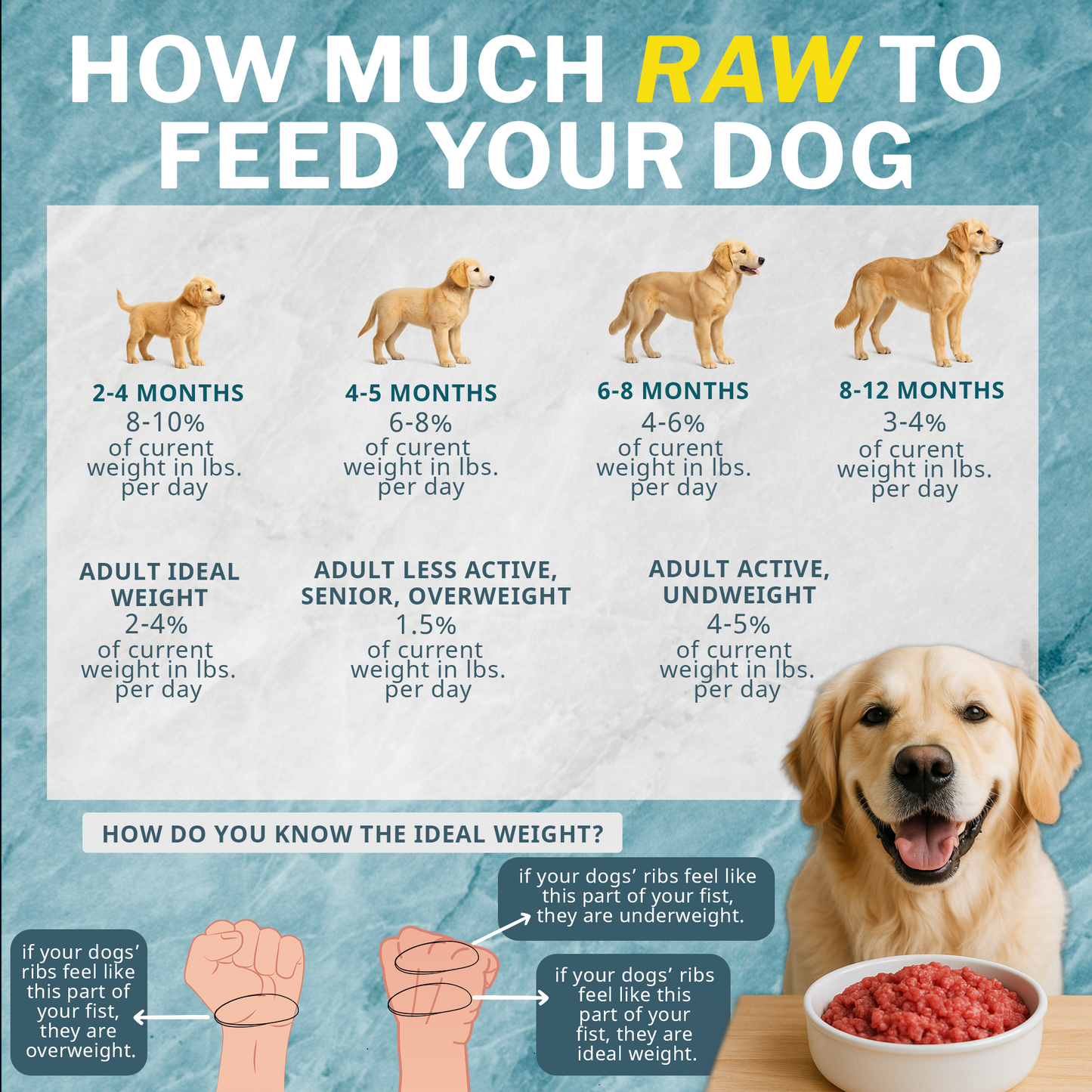
Raw diets include uncooked meat, bones, and organs. These diets are rich in protein and fat. Raw food often has higher calorie content per pound. Portion sizes vary based on ingredients and your dog's activity level.
Feeding raw requires care to ensure balanced nutrition. Consult a vet or nutritionist for exact portion sizes. Watch your dog’s weight and adjust amounts as needed.
Homemade Meals And Supplements
Homemade meals let you control ingredients and quality. Nutrient balance is key to avoid deficiencies. Portions depend on recipe calorie counts and dog’s weight.
Supplements may add vitamins or minerals missing from meals. Use supplements only if recommended by a vet. Track your dog’s weight and health to adjust portions correctly.
Feeding Guidelines For Different Weights
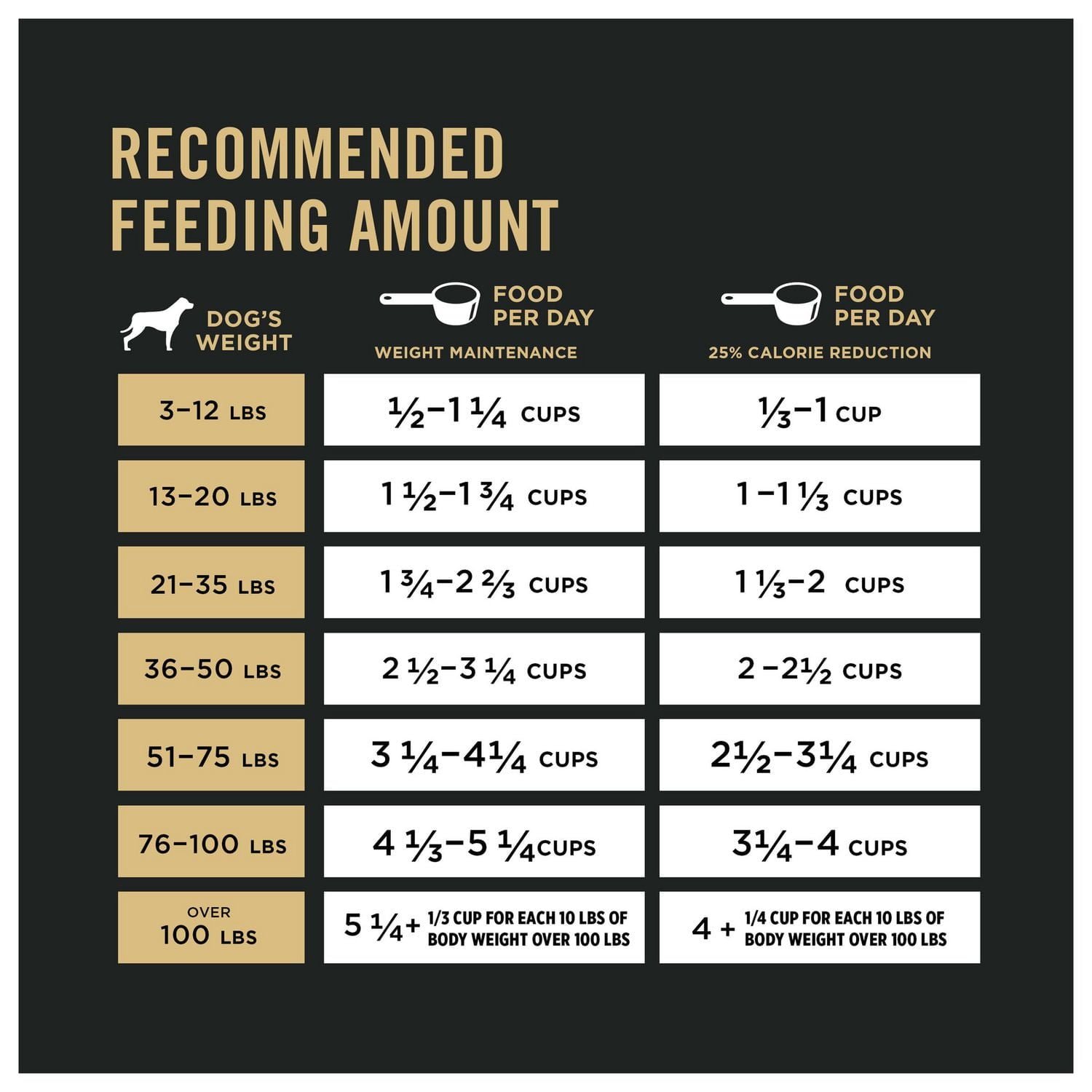
Knowing how much to feed your dog depends a lot on its weight. Different sized dogs need different amounts of food every day. Proper feeding helps keep your dog healthy and active. It also prevents overfeeding or underfeeding, which can cause health problems.
Feeding guidelines vary by weight categories. Below are clear recommendations for small, medium, and large dogs. Use these as a starting point and adjust based on your dog’s energy and health.
Small Dogs Under 20 Pounds
Small dogs need less food but high-quality nutrition. Their metabolism is faster, so they eat smaller meals more often.
- Daily food intake: about ¼ to 1 cup
- Feed two or three small meals per day
- Choose food rich in protein and fat
- Watch for weight changes and adjust portions
Medium Dogs 20 To 50 Pounds
Medium dogs require moderate amounts of food. Their activity level influences how much they eat daily.
- Daily food intake: about 1 to 2 ½ cups
- Feed one or two meals per day
- Balanced diet with protein, fat, and fiber
- Monitor weight to avoid overfeeding
Large Dogs Over 50 Pounds
Large dogs need more food but slower digestion. Quality food helps maintain strong bones and muscles.
- Daily food intake: about 2 ½ to 5 cups
- Feed two meals per day to ease digestion
- Include joint-support nutrients like glucosamine
- Adjust portions for activity and age changes

Credit: www.amazon.ca
Signs Of Overfeeding And Underfeeding
Knowing the signs of overfeeding and underfeeding your dog is crucial for maintaining their health. Feeding too much or too little can lead to serious issues that affect your dog's quality of life. Paying attention to these signs helps you adjust portions and keep your dog thriving.
Weight Gain And Obesity Risks
If your dog’s waistline is expanding or they seem lethargic, they might be eating too much. Excess weight puts strain on joints and increases the risk of diabetes and heart problems. Watch for a loss of visible waist definition or difficulty moving around; these are red flags.
On the flip side, a dog losing weight or appearing too thin can signal underfeeding. You might notice their ribs becoming more prominent or decreased muscle mass. Has your dog suddenly lost interest in playtime? It could be linked to insufficient food intake.
Nutrient Deficiency Symptoms
Overfeeding doesn’t just lead to weight gain; it can cause imbalances in your dog’s nutrients. Too many calories with poor nutrient balance might result in skin issues like dryness or hair loss. Pay close attention to your dog’s coat and skin condition—they often tell a story.
Underfeeding can cause nutrient shortages, leading to symptoms like weakness, dull fur, or even digestive problems. If your dog seems less energetic or has frequent stomach upsets, consider whether their food amount or quality is adequate. Are you confident their diet meets all their needs?
Behavioral Changes
Feeding amounts impact your dog’s behavior more than you might think. Overfed dogs can become sluggish or less interested in activities they used to enjoy. They might also beg more often, signaling an unhealthy relationship with food.
Underfed dogs may display irritability, restlessness, or constant searching for food. Have you noticed your dog acting more anxious or impatient? These changes can hint at hunger or nutritional stress. Adjusting meal sizes could help restore their usual calm and happiness.
Tips For Adjusting Food Amounts
Adjusting the amount of food your dog needs is key to keeping them healthy. Their weight, age, and activity level can change. So can their food needs. Watch for signs that your dog may need more or less food. Small changes can make a big difference in their health and happiness.
Monitoring Body Condition
Check your dog’s body condition often. Feel their ribs. You should feel them but not see them. Look at their waist from above. It should be visible but not too thin. Adjust food amounts if your dog gains or loses weight. Keep a record to track changes.
Seasonal Feeding Changes
Dogs may need more food in cold months. They burn more energy to stay warm. In hot months, they may eat less. Activity also changes by season. Increase food for active dogs in winter or summer. Reduce food if your dog is less active. Watch their weight closely during seasonal changes.
Consulting A Veterinarian
Talk to a veterinarian about your dog’s diet. They can help set the right food amount. They consider health issues and breed needs. Regular check-ups help catch problems early. Adjust feeding plans based on vet advice. A vet’s guidance ensures your dog stays fit and healthy.
Credit: ifeedraw.com
Frequently Asked Questions
How Much Dog Food Should I Feed Daily?
Feed your dog based on its weight and activity level. Generally, dogs eat 2-3% of their body weight daily. Adjust portions if your dog is more active or less active to maintain healthy weight.
Does Dog Food Amount Vary By Breed?
Yes, breed size affects food quantity. Larger breeds need more calories, while small breeds require less. Always check feeding guidelines specific to your dog’s breed for accurate portions.
Can Feeding Too Much Dog Food Harm My Dog?
Overfeeding can cause obesity and health problems. Excess weight stresses joints and organs. Always measure food carefully and consult a vet for proper feeding amounts.
How To Calculate Dog Food By Weight?
Multiply your dog’s weight by the recommended feeding percentage. For example, a 20-pound dog eating 3% daily needs 0. 6 pounds of food. Adjust based on your dog’s age and activity.
Conclusion
Feeding your dog the right amount keeps them healthy and happy. Watch your dog's weight and energy to adjust food needs. Remember, each dog is unique, so use weight as a guide. Regular check-ups help ensure your dog stays fit.
Good feeding habits support a long, active life for your pet. Keep it simple and consistent for best results.