Are you wondering just how much a cup of dog food really is? Whether you're a new pet parent trying to navigate the endless options or a seasoned dog lover aiming to optimize your furry friend's diet, understanding the right amount of food is crucial.
But it’s not just about the numbers. The amount you feed your dog can impact their health, happiness, and even your wallet. Imagine the peace of mind that comes with knowing you’re giving your pet the perfect portion every time.
Keep reading to discover the secrets behind measuring dog food accurately, and why getting it right can make a world of difference for both you and your beloved companion.

Credit: www.houndsy.com
Factors Influencing Dog Food Cost
The cost of a cup of dog food varies widely. Several factors affect how much you pay. Understanding these factors helps you make smarter choices for your pet’s diet and budget.
Dog food prices depend on what goes into the food, the brand, and how it is sold. Each factor plays a role in the final price you see on the shelf.
Ingredients Quality
High-quality ingredients usually raise the price. Real meat, fresh vegetables, and whole grains cost more. Fillers like corn or by-products are cheaper but less nutritious. Better ingredients improve your dog's health and energy.
Brand Reputation
Well-known brands often charge more for their products. They invest in research, safety, and marketing. New or generic brands may offer lower prices but less guarantee of quality. Trusted brands create loyalty and confidence.
Type Of Dog Food
Dry kibble is usually cheaper than wet or raw food. Wet food costs more because of moisture content and packaging. Raw or specialty diets, like grain-free or organic, tend to be the most expensive. Each type suits different dog needs and preferences.
Packaging And Serving Size
Large bags or bulk purchases lower the cost per cup. Smaller packages cost more per serving but offer convenience. Vacuum-sealed or resealable packaging can add to the price. Serving size affects how long the food lasts and its value.

Credit: shop.cashwise.com
Average Cost Per Cup By Dog Food Type
Understanding the average cost per cup of dog food helps pet owners budget better. Different types of dog food have varying prices due to ingredients and processing. Knowing these costs can guide you in choosing the right food for your dog and your wallet.
Dry Kibble
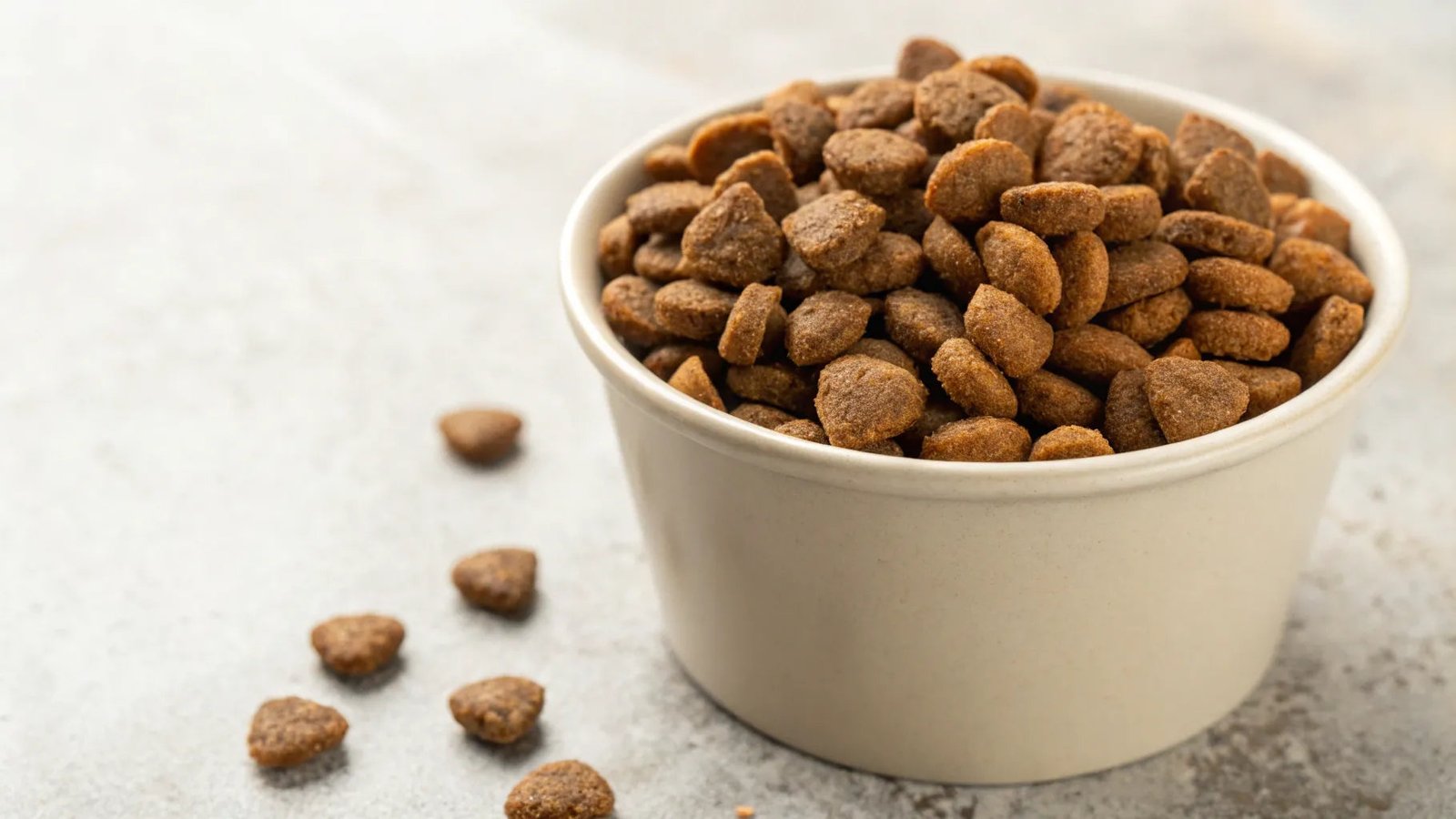
Dry kibble is the most common type of dog food. It usually costs between $0.10 and $0.50 per cup. The price depends on the brand and the quality of ingredients. Premium kibble with high-quality protein is often more expensive. Budget options are cheaper but may have lower nutritional value.
Canned Wet Food
Canned wet food tends to be pricier than dry kibble. It costs around $0.50 to $1.50 per cup. This food contains more moisture and often higher protein content. Wet food is easier for some dogs to eat, especially older dogs. The higher cost reflects the packaging and production process.
Raw And Freeze-dried Options
Raw and freeze-dried dog foods are usually the most expensive. Prices range from $1.00 to $3.00 per cup. These options aim to provide natural, minimally processed nutrition. They often use high-quality meats and organic ingredients. The cost covers careful handling and preservation methods.
Homemade Dog Food
Homemade dog food costs vary widely. Ingredients like meat, vegetables, and grains add up to $0.50 to $2.00 per cup. Making food at home allows control over quality and freshness. Costs depend on recipes and where you buy ingredients. Time and effort spent should also be considered.
Calculating Monthly Feeding Costs
Understanding how much you spend on dog food each month can help you manage your budget better and ensure your pet gets the right nutrition. Calculating monthly feeding costs is not just about the price per bag but also the amount your dog needs daily. This section breaks down the key factors to help you estimate those costs accurately.
Daily Feeding Amounts
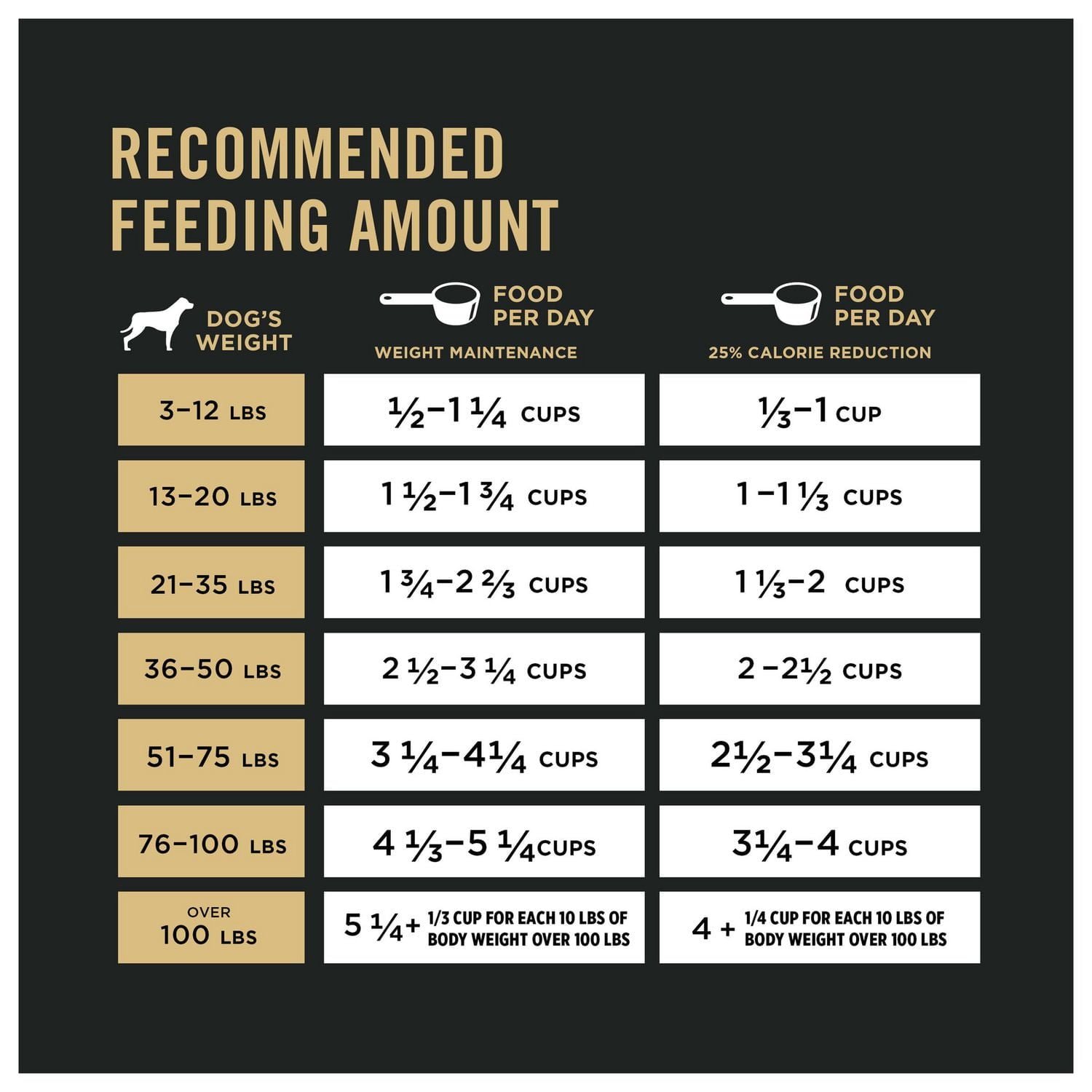
Start by figuring out how many cups of food your dog eats each day. Most dog food packages include feeding guidelines based on weight, but these are just starting points. Track your dog’s actual consumption for a week to get a realistic daily amount.
For example, if your dog eats 2 cups daily and your dog food bag contains 50 cups, you’ll use one bag every 25 days. This helps you estimate how many bags you need each month, making it easier to calculate total costs.
Dog Size And Breed Considerations
Different breeds and sizes require different feeding amounts. A small Chihuahua might need less than half a cup daily, while a large German Shepherd may require 4 cups or more. Breed also affects metabolism and energy needs, influencing how much food your dog needs.
Think about your dog’s breed and size carefully. If you have a mixed breed, use the size that most closely matches your dog’s weight. This ensures your feeding estimates won’t leave your dog hungry or cause overfeeding.
Adjusting For Activity Levels
Activity level changes how much food your dog needs. A highly active dog burns more calories and needs extra food, while a more sedentary dog requires less. Consider your dog’s daily routine when calculating feeding amounts.
If your dog enjoys long walks or playtime, increase the food by 10-20%. If your dog is mostly indoors and less active, decrease the amount slightly. Adjusting feeding amounts for activity helps maintain your dog’s healthy weight and can affect your monthly food budget.

Credit: www.houndsy.com
Tips To Save On Dog Food Expenses
Keeping your dog well-fed without breaking the bank can feel tricky. Yet, managing your dog food expenses smartly is possible with a few practical strategies. These tips help you stretch your budget while ensuring your furry friend gets the nutrition they need.
Buying In Bulk
Purchasing dog food in larger quantities often lowers the price per cup. Many pet stores and online retailers offer discounts for bulk orders. You might save more by buying a 30-pound bag instead of several smaller ones.
Just remember to check the expiration date and storage recommendations. Properly storing bulk food in airtight containers keeps it fresh longer. Have you tried splitting a bulk purchase with a friend who also has a dog? This can reduce upfront costs for both of you.
Using Coupons And Discounts
Coupons and discounts are an easy way to cut costs on dog food. Sign up for newsletters from your favorite pet food brands to get exclusive deals. Websites and apps dedicated to pet product savings often have printable or digital coupons you can use.
Don’t overlook loyalty programs at pet stores. They often reward repeat customers with discounts or points toward future purchases. How often do you check for sales before buying? A little patience can lead to significant savings.
Choosing Nutrient-dense Options
Feeding your dog nutrient-dense food means you can use smaller portions without sacrificing their health. These options might seem pricier upfront but can reduce the amount you feed daily. Look for formulas rich in protein and essential nutrients.
High-quality food supports your dog’s energy and overall well-being, potentially lowering vet bills in the long run. Have you compared the feeding guidelines on different brands? A food that satisfies your dog with less volume can be more cost-effective over time.
When To Splurge On Premium Dog Food
Choosing the right dog food matters for your pet’s health and happiness. Sometimes, spending more on premium dog food is worth it. Premium food often contains higher quality ingredients and balanced nutrition. It supports your dog's well-being in special situations. Knowing when to choose premium food can help your dog live a better life.
Special Dietary Needs
Dogs with special dietary needs benefit from premium food. These diets may include limited ingredients or added nutrients. Premium brands often cater to allergies or food sensitivities. They avoid fillers and artificial additives. This helps reduce stomach upset and skin problems. Feeding the right food supports your dog’s unique health requirements.
Puppies And Senior Dogs
Puppies need extra nutrients for growth and development. Premium puppy food provides essential vitamins and minerals. It helps build strong bones and muscles. Senior dogs require food that supports aging joints and organs. Premium senior formulas include supplements for joint health and digestion. Choosing premium food for these life stages promotes vitality and comfort.
Health Conditions
Dogs with health issues often need special nutrition. Premium dog food can target conditions like kidney disease, diabetes, or obesity. These foods have controlled protein, fat, and carbohydrate levels. They may include ingredients that boost the immune system. Consulting a vet about premium food can improve your dog’s condition and quality of life.
Frequently Asked Questions
How Much Does A Cup Of Dog Food Cost?
A cup of dog food typically costs between $0. 20 and $1. 00. Price varies by brand, quality, and ingredients. Premium brands with organic or specialty ingredients tend to be more expensive. Buying in bulk often reduces the cost per cup.
What Factors Affect Dog Food Price Per Cup?
Dog food price per cup depends on ingredient quality, brand reputation, and type. Grain-free or specialized formulas cost more. Packaging size and store location also influence prices. Higher protein or organic options usually have higher prices per serving.
How To Calculate Cost Per Cup Of Dog Food?
To find cost per cup, divide the total price by total cups in the package. For example, a $30 bag containing 100 cups costs $0. 30 per cup. This helps compare value between brands and sizes effectively.
Does Wet Dog Food Cost More Per Cup?
Yes, wet dog food usually costs more per cup than dry food. Wet food contains more moisture, so a cup weighs less in nutrients. Premium wet foods with natural ingredients tend to be pricier as well.
Conclusion
Knowing how much a cup of dog food costs helps you plan better. Prices vary by brand, quality, and ingredients. Choosing the right food matters for your dog’s health. Always check labels and compare prices before buying. Feeding your dog well doesn’t have to cost too much.
Small changes can make a big difference in cost and nutrition. Keep your dog happy and healthy with smart food choices. Simple steps lead to better care and saving money.