
Finding the right dog food can be a challenge, especially when you’re trying to avoid chicken or chicken by-products. If your furry friend has allergies or sensitivities, you know how important it is to choose the right diet.
You want to ensure they are happy, healthy, and full of energy. But with so many options out there, how do you know which ones are truly chicken-free? This guide will help you navigate the world of dog food and discover the best options that meet your needs.
Dive in to find out how you can provide your pet with a nutritious and chicken-free diet that they'll love. Your dog's health and happiness could depend on it!
Why Avoid Chicken In Dog Food
Choosing the right food for your dog is important. Many pet owners avoid chicken in dog food. The reasons include allergies, sensitivities, and concerns about chicken by-products. Understanding why chicken can be a problem helps make better choices.
Common Allergies And Sensitivities
Chicken is a common cause of allergies in dogs. Some dogs react to chicken protein with itching, redness, or digestive upset. These signs can include:
- Skin rashes or hot spots
- Excessive scratching
- Ear infections
- Vomiting or diarrhea
Food sensitivities may develop over time. Avoiding chicken helps reduce these reactions. Dogs with allergies often feel more comfortable on chicken-free diets.
Quality Concerns With Chicken By-products
Chicken by-products are less desirable ingredients. They include parts like feet, beaks, and internal organs. These parts have lower nutritional value than whole chicken meat.
By-products can contain fillers and low-quality protein. This may lead to poor digestion and nutrient absorption. Not all dog foods clearly list these ingredients, making it hard to know what your dog eats.
Choosing dog food without chicken by-products helps ensure better quality and nutrition. This can improve your dog's health and energy levels.
Key Ingredients To Look For
Choosing dog food without chicken or chicken by-products means you need to pay close attention to the ingredients list. You want to make sure your dog still gets the right nutrition without missing out on important proteins and vitamins. Knowing what ingredients to look for will help you find the best food that supports your dog's health and energy.
Alternative Protein Sources
Protein is vital for your dog's muscle health and overall well-being. Look for options like:
- Lamb:A great alternative that is easy to digest and rich in essential amino acids.
- Fish:Salmon or whitefish provide omega-3 fatty acids that support skin and coat health.
- Beef:Offers a solid protein punch and is commonly found in high-quality dog food.
- Turkey:Often a lean and nutritious substitute for chicken.
- Plant-based proteins:Ingredients like peas, lentils, and chickpeas add protein and fiber.
Have you noticed how some dogs react better to certain protein sources? Trying out these alternatives can help you discover what suits your dog best.
Essential Nutrients Without Chicken
Chicken often provides more than just protein; it also delivers important vitamins and minerals. So, what should you look for if your dog food lacks chicken?
- Omega fatty acids:Found in fish oils and flaxseed, these support brain function and reduce inflammation.
- Glucosamine and chondroitin:These help maintain joint health, especially important for active or older dogs.
- Vitamins A, D, and E:Crucial for vision, bone growth, and immune support. These can come from carrots, sweet potatoes, and leafy greens.
- Minerals like zinc and iron:Needed for energy and immune function, often sourced from red meats and some vegetables.
Does your dog’s current food provide a balanced mix of these nutrients? Checking labels for these essentials can make a big difference.
Top Dry Dog Foods Without Chicken
Choosing dry dog food without chicken or chicken by-products helps dogs with allergies or sensitivities. Many high-quality options exist that provide balanced nutrition without chicken. These foods use alternative protein sources like beef, fish, or lamb. This section highlights top dry dog foods without chicken to support your dog’s health.
Grain-free Options
Grain-free dry dog foods avoid common grains like wheat and corn. They often use vegetables or legumes as carbohydrate sources. These options suit dogs with grain allergies or digestion issues. Many grain-free formulas also exclude chicken and chicken by-products.
- Duck and sweet potato formula for sensitive stomachs
- Salmon and pea blend rich in omega fatty acids
- Lamb and lentil mix for balanced protein and fiber
- Venison and chickpea recipe with novel protein
Grain-free dog foods support healthy skin and coat. They reduce inflammation linked to grain allergies.
Budget-friendly Choices
Affordable dry dog foods without chicken still offer good nutrition. These choices use cost-effective protein sources like beef or fish meal. They maintain essential vitamins and minerals for daily energy and growth.
- Beef and rice formula with natural antioxidants
- Whitefish and barley blend for easy digestion
- Turkey and oatmeal recipe with added probiotics
- Salmon and brown rice mix supporting joint health
Budget-friendly foods keep dogs healthy without overspending. They provide quality protein without chicken ingredients.

Credit: www.amazon.in
Best Wet Dog Foods Free Of Chicken
Finding wet dog food without chicken or chicken by-products can be challenging. Many dogs have allergies or sensitivities to chicken. Choosing the right wet food ensures your dog gets proper nutrition without unwanted ingredients. There are several quality options available that focus on other protein sources and wholesome ingredients.
High-protein Canned Meals
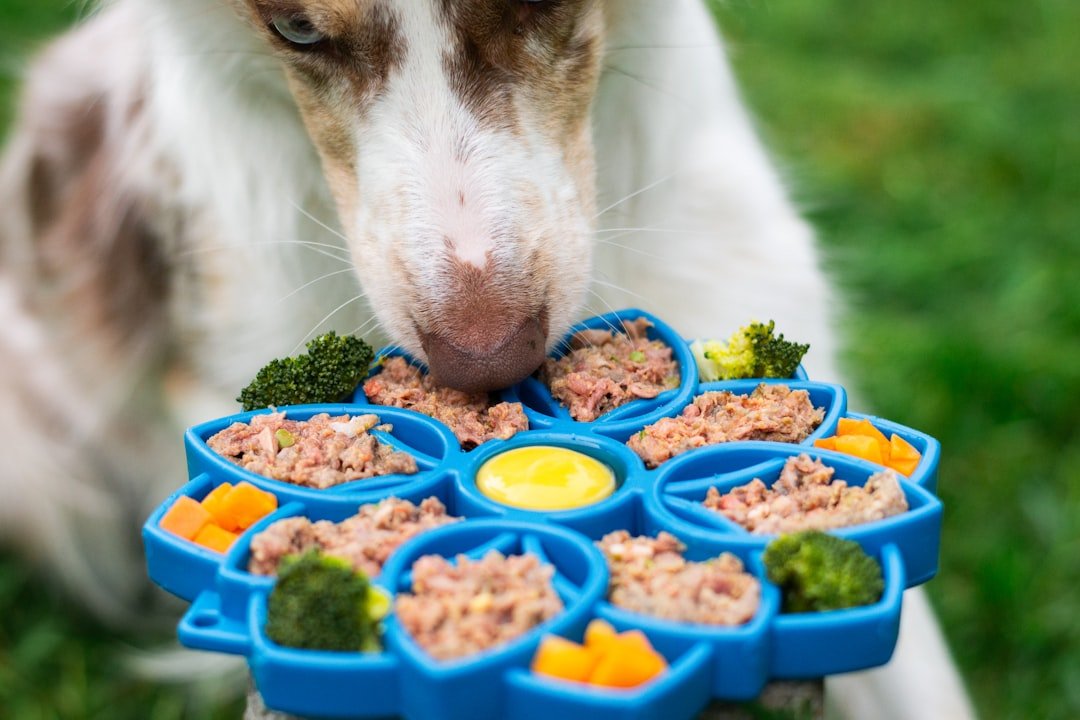
High-protein wet foods use alternatives like beef, lamb, turkey, or fish. These proteins support muscle health and energy. Canned meals often contain real meat chunks or pate, making them tasty and nutritious. Many brands offer grain-free or limited ingredient recipes. This helps dogs with sensitive stomachs or allergies. Look for meals with clear ingredient lists and no fillers.
Hydration And Nutrition Benefits
Wet dog food helps keep dogs hydrated. It contains 70-80% moisture, which supports kidney health. This is especially important for dogs that drink less water. Wet food also helps with digestion due to its softer texture. It provides essential vitamins and minerals for overall well-being. Feeding wet food can improve coat shine and energy levels. It’s a great choice for picky eaters too.
Specialty Diets Without Chicken
Finding dog food without chicken or chicken by-products can be a challenge, especially if your dog has allergies or sensitivities. Specialty diets without chicken focus on providing balanced nutrition while avoiding common allergens. These diets often use alternative protein sources to keep your dog healthy and happy.
Limited Ingredient Diets
Limited ingredient diets use just a few simple ingredients to reduce the chance of allergic reactions. These diets usually avoid chicken and chicken by-products by using proteins like lamb, fish, or venison. By cutting down on the number of ingredients, you can better pinpoint what might be bothering your dog.
Many pet owners find limited ingredient diets helpful when their dogs show signs of food intolerance. You might notice your dog’s itching or digestive issues improve after switching to these diets. Have you tried a limited ingredient diet yet to see how your dog responds?
Hypoallergenic Formulas
Hypoallergenic dog foods are designed for dogs with severe allergies or food sensitivities. They often use hydrolyzed proteins, which are broken down so the immune system doesn’t recognize them as allergens. This means even dogs with strong reactions to chicken can safely enjoy their meals.
These formulas usually exclude chicken and other common allergens like grains or dairy. If your dog has struggled with skin problems or digestive upset, hypoallergenic food might be worth considering. Could this be the solution your dog needs to feel better daily?
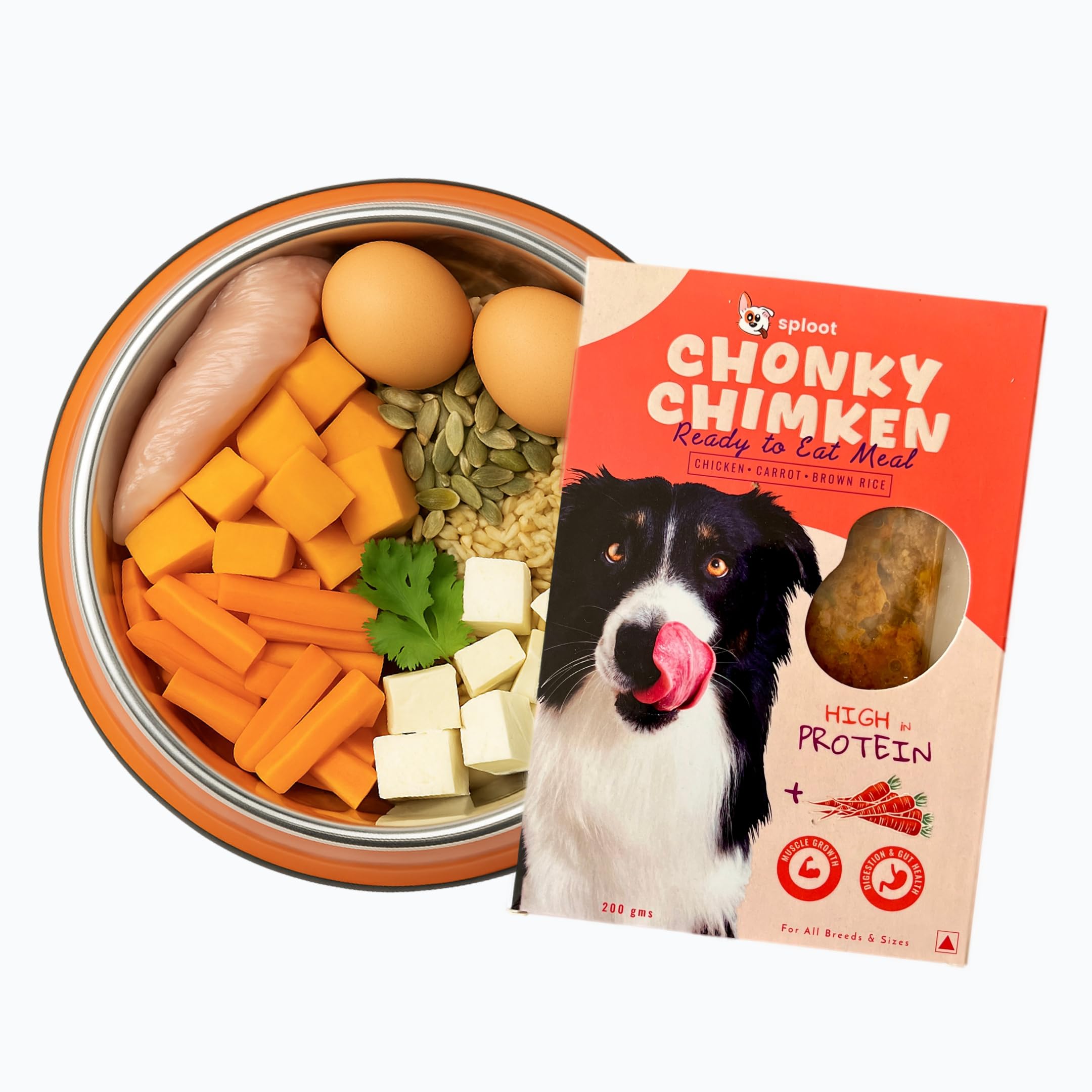
Credit: www.amazon.in
Tips For Transitioning Your Dog’s Diet
Changing your dog’s food needs care and patience. Sudden switches can upset their stomach and cause refusal to eat. Follow some simple tips to make this process smooth. Your dog will adjust better and stay healthy.
Gradual Food Changes
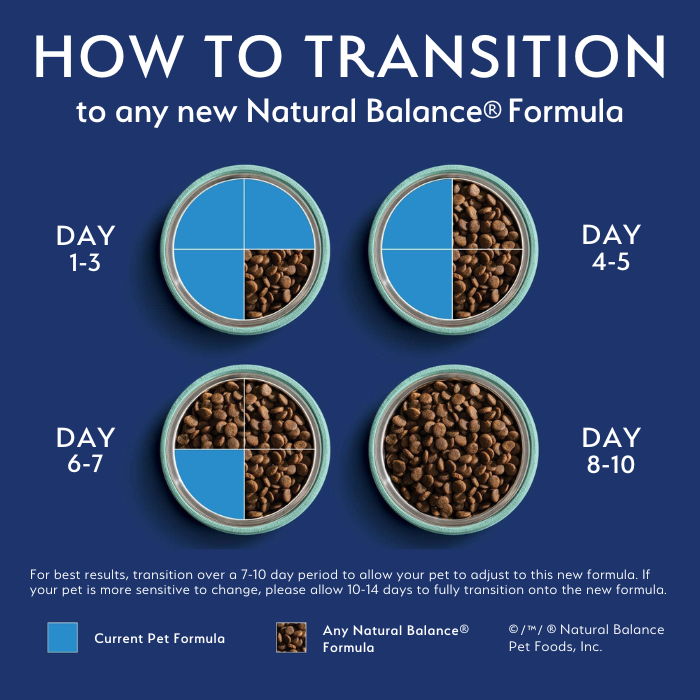
Start by mixing a small amount of the new food with the old one. Increase the new food portion slowly over 7 to 10 days. This helps your dog’s digestive system adapt without stress. Watch how your dog reacts to the new taste and texture. A slow change reduces the risk of digestive problems.
Monitoring For Reactions
Observe your dog closely during the transition. Check for signs like vomiting, diarrhea, or loss of appetite. Skin itching or excessive scratching may also appear. If any of these happen, pause the change and consult your vet. Keep a food diary to note any changes in behavior or health. This helps identify any food sensitivities early.
Where To Buy Chicken-free Dog Food
Finding dog food without chicken or chicken by-products can be simple. Many stores offer options suited for dogs with allergies or sensitivities. Knowing where to buy ensures you get the best quality products. Both online and local shops provide a variety of chicken-free dog foods.
Online Retailers
Online stores carry a wide range of chicken-free dog foods. You can compare brands and prices in one place. Many websites list detailed ingredient information. Customer reviews help you decide which food suits your dog. Subscription options can deliver food regularly to your door. Popular online platforms offer fast shipping and easy returns.
Local Pet Stores
Local pet shops often stock chicken-free dog food. You can speak with staff to get advice. Some stores specialize in natural or hypoallergenic foods. Seeing the product in person helps check quality and packaging. Local stores may have loyalty programs or discounts. Supporting local businesses helps your community.
Credit: www.businessinsider.com
Frequently Asked Questions
What Dog Foods Contain No Chicken Or Chicken By-products?
Several dog foods use alternative proteins like beef, lamb, or fish. Brands like Blue Buffalo, Wellness, and Natural Balance offer chicken-free formulas. These options suit dogs with chicken allergies or sensitivities. Always check ingredient labels to ensure no chicken or by-products are included.
Why Avoid Chicken In Dog Food?
Chicken can trigger allergies or digestive issues in some dogs. Avoiding chicken reduces the risk of adverse reactions. It also helps manage food sensitivities and improves overall health. Choosing chicken-free dog food benefits dogs with specific dietary needs or allergies.
Are Grain-free Dog Foods Free Of Chicken Ingredients?
Not always. Grain-free refers to no grains but may still contain chicken or by-products. Always read the ingredient list carefully. Some grain-free options use alternative proteins like fish or lamb. Confirm the protein source to avoid chicken entirely.
Can Dogs Get Enough Protein Without Chicken?
Yes, dogs can thrive on various protein sources. Beef, fish, lamb, turkey, and plant-based proteins provide essential amino acids. Balanced dog foods ensure adequate protein for healthy growth and energy. Choose formulas tailored to your dog’s dietary requirements.
Conclusion
Choosing dog food without chicken or chicken by-products helps avoid allergies and sensitivities. Many brands offer safe, nutritious options for dogs with special needs. Always read labels carefully to ensure the food meets your pet’s requirements. Consult your vet to find the best diet for your dog’s health.
Feeding the right food supports your dog's energy and happiness. A little care goes a long way in keeping your dog healthy and strong.