Have you ever wondered if wet dog food needs to be refrigerated? You're not alone.
Many pet owners find themselves puzzled by this question. After all, ensuring your furry friend's meals are stored correctly is crucial for their health and happiness. Imagine opening a can of wet dog food, only to be greeted by an unpleasant smell.
Not only is it wasteful, but it could also be harmful to your pet. You want the best for your dog, and understanding how to properly store their food is a key part of that. So, let's dive into the facts and uncover the truth about storing wet dog food. Your pet's well-being might just depend on it!
Why Refrigerate Wet Dog Food
Refrigerating wet dog food is essential for keeping it safe and fresh. It helps maintain the food's quality and protects your dog’s health. Leaving wet food out can cause problems quickly.
Bacterial Growth Risks
Wet dog food contains moisture, which bacteria love. At room temperature, bacteria multiply fast. This can cause food poisoning in dogs. Refrigeration slows down bacterial growth, keeping food safer for longer.
Preserving Nutrient Quality
Wet dog food has vitamins and nutrients that break down if left out. Heat and air cause nutrient loss. Keeping the food cold helps keep these nutrients intact. Your dog gets the full benefits from each meal.
Preventing Spoilage
Wet dog food spoils quickly without refrigeration. Signs include bad smell, color changes, and mold. Spoiled food can upset your dog’s stomach. Refrigerating prevents spoilage and extends the food’s shelf life.
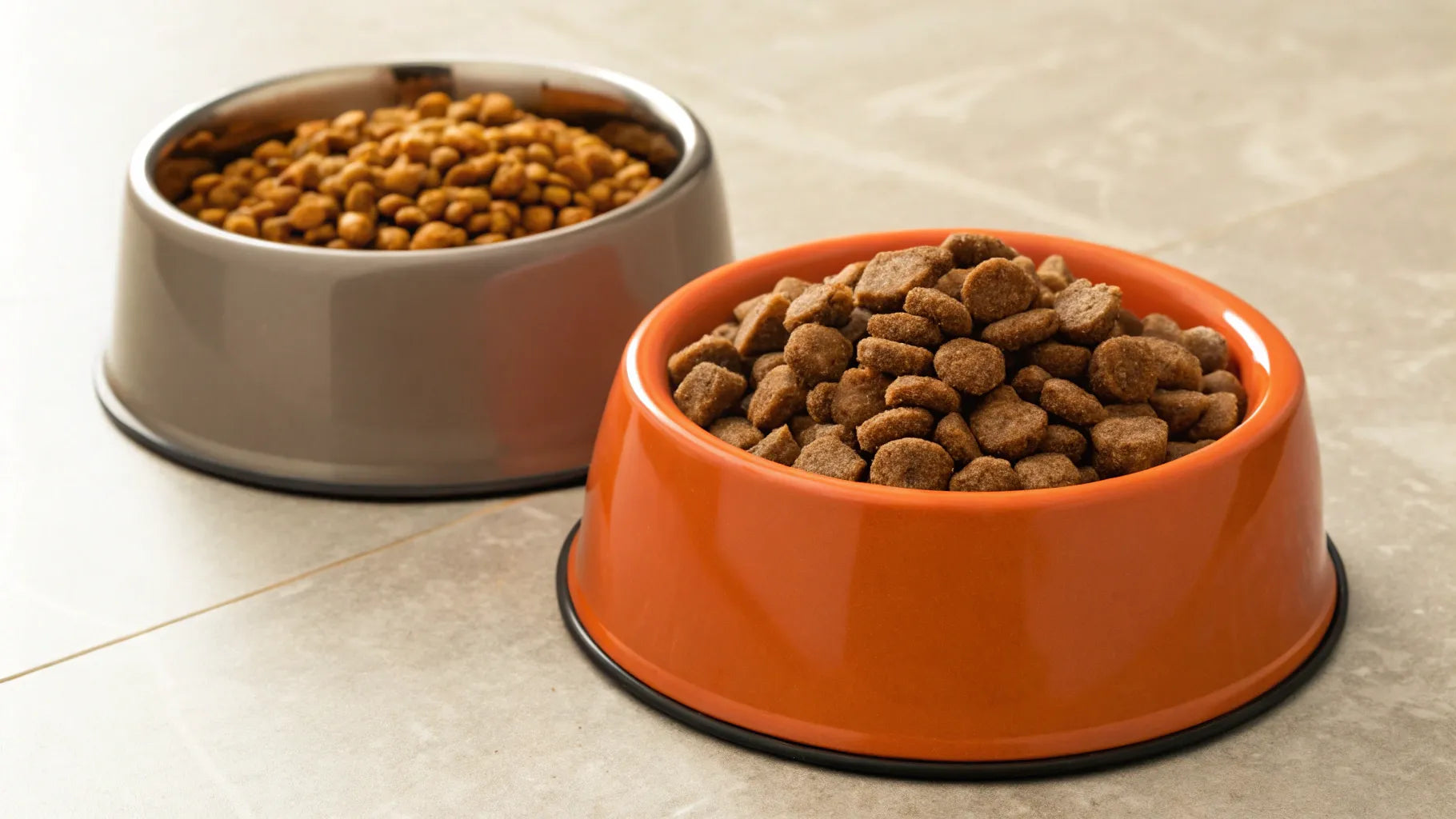
Credit: www.houndsy.com
When Refrigeration Is Necessary
Knowing when to refrigerate wet dog food helps keep your pet safe and healthy. Not all wet dog food needs refrigeration, but certain conditions make it necessary. Proper storage stops bacteria growth and keeps the food fresh longer.
Opened Cans And Pouches
Once you open a can or pouch, air touches the food. This starts bacteria growth quickly. Always refrigerate opened wet dog food to stop spoilage. Use a clean, airtight container or cover the original packaging tightly.
Portion Control And Storage
Dogs often eat less than a full can in one meal. Store leftover portions in the fridge to keep them fresh. Only leave out food for about 30 minutes at room temperature to avoid bacteria buildup.
Temperature Sensitivity
Wet dog food spoils faster in warm places. Heat speeds up bacteria and mold growth. Keep unopened cans in a cool, dry spot. Always refrigerate opened food to maintain safety and taste.
Safe Storage Practices
Keeping your dog's wet food fresh and safe requires more than just tossing the can in the fridge. Proper storage practices help prevent spoilage and protect your pet’s health. Let’s dive into some simple yet effective ways you can store wet dog food to maintain its quality and safety.
Use Airtight Containers
Once you open a can of wet dog food, exposure to air speeds up spoilage. Transferring the food into an airtight container slows down this process significantly. I learned this the hard way after noticing my dog’s food smelled off when left uncovered in the fridge.
Choose containers with a tight-sealing lid made from food-safe materials. Glass or BPA-free plastic containers work well. This not only keeps the food fresh but also prevents fridge odors from sneaking in.
Labeling And Dating Food
Have you ever forgotten when you opened a can of dog food? Labeling containers with the date opened helps you track freshness easily. This simple habit can prevent accidentally feeding spoiled food to your dog.
Use a waterproof marker or sticky labels to mark the date clearly. Ideally, wet dog food should be used within 3-5 days after opening. This way, you always know when it’s time to toss any leftovers.
Ideal Refrigerator Placement
Where you place the wet dog food in your fridge matters. Avoid the door shelves since temperature fluctuates frequently there. Instead, store it on the middle or bottom shelves where the temperature stays consistent.
Keeping the food away from raw meats and strong-smelling items also helps avoid cross-contamination and unwanted odors. Have you checked your fridge layout recently to see if your dog’s food is in the safest spot?
Alternatives To Refrigeration
Keeping wet dog food fresh without refrigeration can be challenging, but there are practical alternatives that work well, especially when you're on the go or facing limited fridge space. These options help maintain the food’s quality and safety, ensuring your pet enjoys every meal without risk. Let’s explore some easy and effective ways to store wet dog food without relying solely on a refrigerator.
Using Ice Packs
Ice packs are a simple way to keep wet dog food cool for several hours. You can place the opened can or container next to or on top of an ice pack inside an insulated lunch bag.
This method is great for short outings or visits to the park. Just be sure to replace or refreeze the ice packs regularly to maintain a safe temperature.
Short-term Storage Options
If refrigeration isn’t available, storing wet dog food in a cool, shaded area can slow down spoilage for a brief period. Using airtight containers helps reduce exposure to air and contaminants.
Another tip is to divide the food into smaller portions so you only open what your dog needs right away. This minimizes waste and keeps the rest fresher longer.
Travel-friendly Tips
Traveling with wet dog food means balancing convenience and freshness. Consider pre-portioning food into sealed containers or disposable packets before you leave.
Keep these packets in a cooler with ice packs or use insulated bags designed for pet food. This approach keeps your dog’s meals fresh without bulk or mess.
Have you tried any of these alternatives during your trips or busy days? What worked best for you and your furry friend?
Signs Of Spoiled Wet Dog Food
Knowing the signs of spoiled wet dog food is crucial to keep your furry friend safe and healthy. Spoiled food can cause digestive issues or worse, so it’s important to spot the warning signs early. Let’s look at how you can tell if wet dog food has gone bad before offering it to your pet.
Changes In Smell And Color
One of the first things you’ll notice when wet dog food spoils is a change in smell. Fresh wet food usually has a mild, meaty aroma, but spoiled food often smells sour, rancid, or off in some way.
The color can also shift from a vibrant, natural tone to something dull or grayish. If you see any unusual discoloration or a film on the surface, it’s a strong sign the food isn’t safe anymore.
Texture Variations
Texture changes are another clear indicator. Spoiled wet dog food may become slimy or excessively mushy compared to its usual consistency.
If the food feels sticky or sticky and looks watery, it’s best to discard it. These changes often mean bacteria have started to grow.
Behavioral Signs In Dogs
Your dog’s reaction can also tell you a lot about the food’s condition. If your dog sniffs the bowl and turns away or refuses to eat, it’s a red flag.
Watch for signs like drooling, vomiting, or diarrhea after eating wet food. These symptoms might mean the food was spoiled and harmful to your pet.

Credit: dogsauce.co
Common Mistakes To Avoid
Keeping your dog's wet food fresh and safe requires more than just popping it in the fridge. Many pet owners make simple mistakes that can spoil the food or even harm their furry friends. Avoiding these common errors will help you protect your dog’s health and save money by reducing food waste.
Leaving Food Out Too Long
Wet dog food can spoil quickly if left out at room temperature. Bacteria multiply fast, especially in warm conditions, which can cause stomach upset or worse for your dog.
How long do you usually leave your dog’s food before putting it away? Ideally, wet food should not sit out for more than two hours. If you’ve ever forgotten and noticed a strange smell or texture, that’s a clear sign it’s time to toss it.
Improper Sealing
Even if you refrigerate wet dog food, failing to seal it properly invites air and moisture, accelerating spoilage. Using the original can’s lid or plastic wrap isn’t always enough to keep food fresh.
Try airtight containers or specialized pet food covers to lock in freshness. You’ll notice your dog’s food stays tasty and safe longer, which means less waste and fewer trips to the store.
Mixing Old And New Food
It might seem convenient to add new wet food on top of leftovers, but this practice can contaminate the fresh portion. Old food may harbor bacteria or lose its nutritional value over time.
Instead, serve fresh food separately and discard leftovers that have been in the fridge for more than 24 hours. Your dog will enjoy a better meal, and you’ll prevent health risks that aren’t worth the savings.
Extending Shelf Life Safely
Extending the shelf life of wet dog food is essential for keeping your pet's meals fresh and safe. Proper storage slows bacterial growth and preserves nutrients. This helps avoid waste and keeps your dog healthy. Understanding how to store wet dog food correctly can save money and reduce mess. Using simple techniques can keep the food safe for longer periods.
Freezing Wet Dog Food
Freezing wet dog food is an effective way to extend its shelf life. Place the food in an airtight container or freezer-safe bag. Remove excess air to prevent freezer burn. Label the container with the date of freezing. Frozen wet dog food can last up to three months. Avoid freezing food in the original can, as it may damage the container.
Thawing Guidelines
Thaw frozen wet dog food in the refrigerator overnight. This keeps the food at a safe temperature. Avoid thawing at room temperature to prevent bacteria growth. Stir the food well after thawing. Serve only the amount your dog will eat in one meal. Discard any leftovers that remain uneaten for more than two hours.
Batch Preparation Tips
Prepare wet dog food in small batches to reduce waste. Divide large portions into meal-sized containers before freezing. This allows easy thawing of only what your dog needs. Use airtight containers to maintain freshness. Label each batch with the preparation date. Rotate older batches first to use food before expiration.

Credit: dogfoodsy.com
Frequently Asked Questions
Does Wet Dog Food Spoil Without Refrigeration?
Yes, wet dog food spoils quickly if left out. Bacteria grow fast at room temperature, causing spoilage and potential illness. Always refrigerate opened cans to keep the food fresh and safe for your dog.
How Long Can Wet Dog Food Stay Unrefrigerated?
Wet dog food can safely stay out for about 1-2 hours. After that, bacteria multiply rapidly, increasing health risks. Refrigerate any leftover food promptly to maintain freshness and prevent spoilage.
Can Unrefrigerated Wet Dog Food Harm My Dog?
Yes, unrefrigerated wet dog food can cause food poisoning. Harmful bacteria grow in warm conditions, leading to digestive issues or illness in dogs. Always store wet food in the refrigerator after opening.
Is Refrigeration Necessary For Opened Wet Dog Food?
Yes, refrigeration is essential for opened wet dog food. It slows bacterial growth and preserves nutrients. Keeping it cold extends the food’s shelf life and ensures your dog’s health and safety.
Conclusion
Wet dog food stays fresh longer when kept in the fridge. Leaving it out can cause bacteria to grow fast. Always seal the food tightly before storing. This helps keep your dog's meal safe and tasty. Feeding spoiled food can cause stomach problems.
So, store wet dog food properly every time. It protects your pet’s health and saves money. Simple steps make a big difference. Your dog will enjoy every meal without risk. Keep your furry friend happy and healthy.