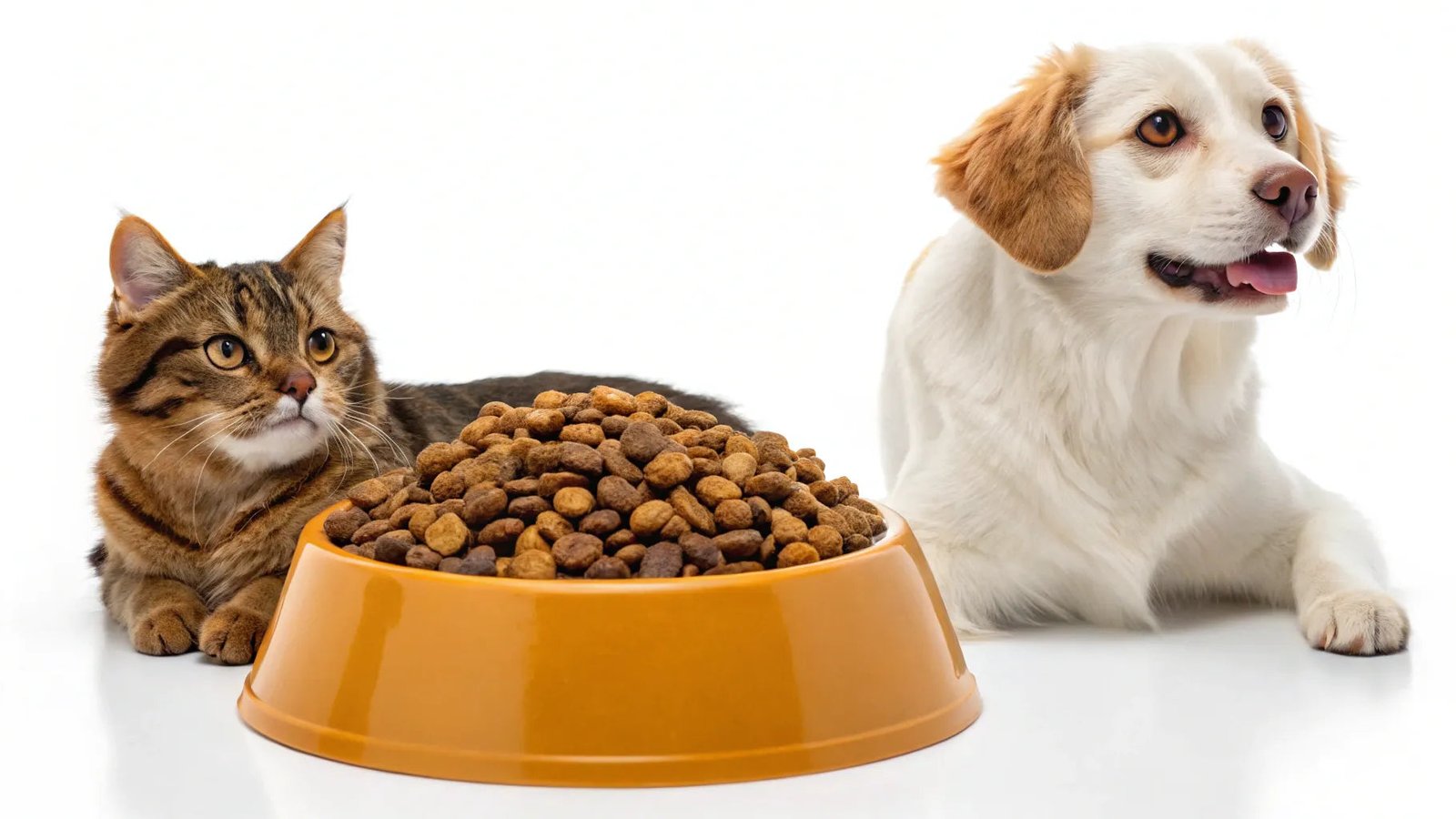
Have you ever wondered if there's a single dry food that caters to both your beloved cat and dog? You're not alone.
Many pet owners are on the hunt for a convenient solution that satisfies the nutritional needs of both furry friends. Imagine the simplicity of buying one bag of food that keeps both your cat and dog happy and healthy. But is it possible?
We'll explore whether such a versatile dry food exists, and what you should consider before making that purchase. Stick around, because you might just find the perfect answer to streamline your pet feeding routine!
Dry Food Basics
Understanding dry food basics helps pet owners choose the right option. Dry food is popular for cats and dogs because it is convenient, affordable, and easy to store. It has a long shelf life and helps keep pets’ teeth clean by reducing plaque.
Knowing the key differences in nutrition between cats and dogs is important before selecting dry food. Each species has unique dietary needs that must be met for good health. This section explains what dry pet food is and highlights the main nutritional differences.
What Is Dry Pet Food?
Dry pet food comes in small, crunchy pieces called kibble. It contains a mix of ingredients like meat, grains, vegetables, vitamins, and minerals. The food is cooked and then dried to remove moisture. This process helps preserve nutrients and prevent spoilage.
Dry food is easy to measure and store. It does not require refrigeration and can stay fresh for weeks after opening. Many pet owners prefer dry food for its convenience and cost-effectiveness.
Differences Between Cat And Dog Nutrition
Cats and dogs have different dietary needs. Cats are obligate carnivores. They need high protein and certain nutrients found only in meat, like taurine. Dogs are omnivores. They can eat both animal and plant-based foods.
Key differences include:
- Cats require more protein and fat than dogs.
- Cats need taurine, an amino acid dogs can produce themselves.
- Dogs digest carbohydrates better than cats.
- Cats need vitamin A from animal sources; dogs can convert it from plants.
Choosing a dry food that meets these needs ensures pets stay healthy and active.
Shared Dry Food Options
Feeding pets can be easier with shared dry food options. These products aim to meet the needs of both cats and dogs. Choosing one dry food type reduces shopping hassle and storage space. It also helps when pets eat in the same area. But not all dry foods suit both animals equally.
Pet owners must understand how shared dry food works. Cats need more protein and certain nutrients dogs do not. Dogs benefit from a balanced diet with a mix of ingredients. Finding food that fits both can save time and money. Yet, safety and nutrition must come first.
Can Cats And Dogs Eat The Same Dry Food?
Cats and dogs have different dietary needs. Cats are obligate carnivores. They require higher protein and taurine. Dogs are omnivores. They digest a wider range of foods. Some dry foods are made to fit both diets but may lack specific nutrients.
Shared dry food can work short term or for convenience. But long-term feeding may cause health issues for cats. Dogs usually tolerate cat food better than cats tolerate dog food. Always check ingredient lists and nutritional information. Consult a vet before switching to shared dry food.
Popular Brands Offering Dual-purpose Dry Food
- Hill’s Science Diet offers formulas for both cats and dogs with similar ingredient profiles.
- Blue Buffalo has options that balance nutrition for both species.
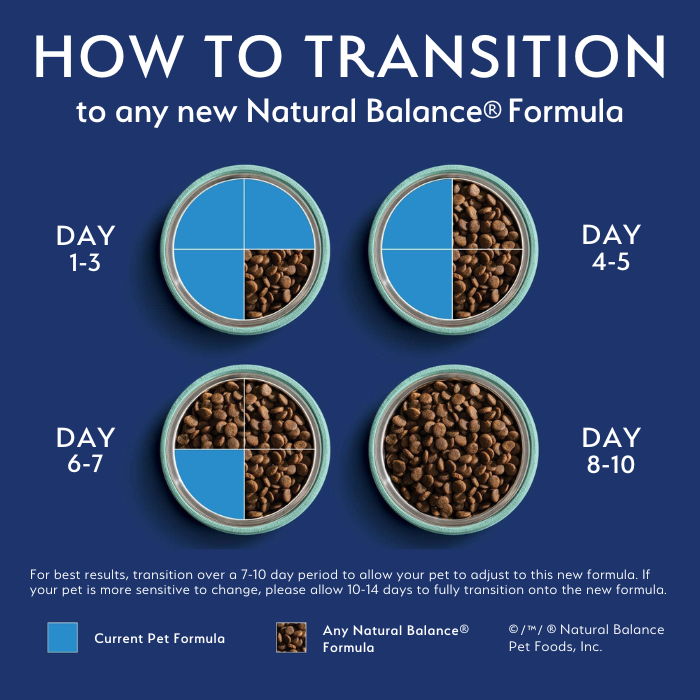
- Natural Balance provides limited ingredient diets suitable for pets with sensitivities.
- Wellness CORE creates grain-free recipes that appeal to cats and dogs alike.
These brands focus on quality ingredients and balanced nutrition. They aim to meet basic dietary needs for both animals. Checking the label for species-specific nutrients is important. Taste and texture can also vary between products.
Nutritional Needs For Cats And Dogs
Understanding the nutritional needs of cats and dogs is key when choosing the right dry food for them. Both animals have distinct dietary requirements that must be met to keep them healthy and energetic. Knowing these differences helps you decide if one dry food can truly serve both pets or if separate diets are necessary.
Protein Requirements
Dogs need a good amount of protein, but cats demand even more because they are obligate carnivores. Cats rely heavily on animal protein to support their muscle maintenance and overall health. While dogs can handle a mix of protein sources, cats require higher-quality animal proteins.
Think about your own pets’ energy levels and muscle tone. If your cat seems less active or your dog is losing muscle, protein intake might be the issue. Choosing a dry food with the right protein balance can make a big difference.
Essential Vitamins And Minerals
Both cats and dogs need essential vitamins and minerals, but the amounts and types vary. Dogs generally need more vitamins like A, D, and E, which support their immune system and skin health. Cats require certain minerals such as calcium and phosphorus in precise amounts for bone strength and metabolic functions.
Checking the label for these nutrients can help you avoid deficiencies. Have you ever noticed your pet’s coat getting dull or their activity dropping? These signs could point to vitamin or mineral gaps in their diet.
Taurine And Other Critical Nutrients For Cats
Taurine is a critical amino acid that cats must get from their food because they can’t produce enough on their own. It’s essential for heart health, vision, and reproduction. Dogs don’t have this strict taurine requirement, so many dog foods don’t contain enough for cats.
Feeding your cat a dog’s dry food lacking taurine can lead to serious health problems over time. Have you ever thought about how a nutrient that’s vital for one pet can be nearly irrelevant for another? This difference shows why one dry food might not fit both cats and dogs perfectly.

Credit: www.amazon.ca
Risks Of Feeding Shared Dry Food
Feeding your cat and dog the same dry food might seem like a convenient and cost-effective idea. However, this approach carries several risks that can affect your pets' health in unexpected ways. Understanding these risks helps you make better choices for both your furry friends.
Potential Health Issues For Cats
Cats have unique nutritional needs, especially when it comes to protein and certain vitamins like taurine. Dog food often lacks enough taurine, which can lead to serious heart and eye problems in cats.
Additionally, cat metabolism relies on higher protein and fat levels than dog food typically provides. Feeding your cat dog food regularly might cause malnutrition, resulting in weight loss and a dull coat.
Possible Problems For Dogs
Dog food usually contains nutrients tailored to canine digestion, but cat food often has too much protein and fat for dogs. If dogs eat cat food frequently, they might develop obesity or digestive upset.
Some ingredients in cat food, like higher fat content, can cause pancreatitis in dogs, a painful inflammation of the pancreas. It's important to avoid feeding dogs cat food or shared dry food not made specifically for them.
Long-term Effects To Consider
Feeding shared dry food over time can lead to chronic health problems in both cats and dogs. Nutritional imbalances may cause organ damage, weakened immune systems, and shorter lifespans.
Have you noticed changes in your pet’s energy or coat after switching foods? Paying attention to these signs can help you catch issues early and avoid long-term damage.
Tips For Choosing Dry Food
Choosing the right dry food for pets needs careful thought. Both cats and dogs have different nutritional needs. Picking a food that suits them both can be tricky. These tips help you make a smart choice. They focus on health and ease for your pets.
Reading Pet Food Labels
Labels tell you what is inside the food. Look for key ingredients like protein and fat. Check if the food meets standards set by pet health groups. Avoid foods with too many fillers or artificial additives. Ingredients are listed by amount, from most to least.
- Look for named meat sources, like chicken or beef
- Avoid vague terms like "meat by-products"
- Check for added vitamins and minerals
- Note the guaranteed analysis for nutrients
Consulting A Veterinarian
Ask your vet for advice on dry food choices. They know your pet’s health history well. Your vet can recommend foods that fit your pet’s health needs. Discuss any allergies or special diet needs. Regular check-ups help adjust food as your pet ages.
Balancing Convenience And Nutrition
Dry food offers easy storage and feeding. It lasts longer than wet food. Choose a brand that balances nutrition and convenience. Avoid overly processed options that lack essential nutrients. Pick foods with balanced proteins, fats, and carbs. Keep your pet’s preferences and health in mind.

Credit: petfoodshop.com
Alternatives To Shared Dry Food
Feeding cats and dogs the same dry food is not ideal due to their different nutritional needs. Many pet owners seek alternatives that ensure both pets get proper nutrition. Exploring other options can help you provide healthy meals without compromising your pets' health.
Separate Diet Plans
Each pet needs a diet designed for its species. Cats require more protein and taurine, while dogs need balanced nutrients for energy and growth. Feeding separate diets ensures each animal gets the right vitamins and minerals. It also prevents health problems caused by unsuitable food.
Separate diet plans can be simple to manage with labeled bowls and feeding times. This method respects the unique dietary needs of cats and dogs while keeping mealtime stress-free.
Mixing Wet And Dry Food
Combining wet and dry food can improve hydration and flavor variety. Wet food provides moisture important for cats, who naturally drink less water. Mixing wet with dry food can also make meals more enticing for picky eaters.
This approach allows flexibility and helps maintain a balanced diet. It supports dental health through dry kibble and offers extra nutrients through wet food.
Homemade Options
Preparing homemade meals lets you control every ingredient. You can tailor recipes to meet each pet’s dietary needs. Fresh meats, vegetables, and grains can be combined safely with veterinary advice.
Homemade food requires planning and knowledge to ensure nutritional balance. It is a rewarding way to provide fresh, wholesome meals that suit both cats and dogs.

Credit: petbarnkw.com
Frequently Asked Questions
Is There Dry Food Suitable For Both Cats And Dogs?
Yes, some dry foods are formulated for both cats and dogs. However, their nutritional needs differ. Always check labels for balanced nutrients.
Can I Feed Dog Dry Food To My Cat Safely?
Feeding dog dry food to cats isn’t recommended. Cats need taurine and specific nutrients not found in dog food.
What Ingredients Should I Look For In Mixed Pet Dry Food?
Look for high protein, essential amino acids, and balanced vitamins. Avoid fillers like excessive corn and artificial additives.
Are Mixed Dry Foods Cost-effective For Multi-pet Households?
Mixed dry foods can save money but may compromise pet health. Separate diets ensure each pet’s specific nutritional needs are met.
Conclusion
Finding one dry food for both cats and dogs is quite tricky. Cats and dogs have different needs. Their bodies use nutrients in distinct ways. A food good for dogs might not suit cats. Feeding the wrong food can cause health problems.
Choosing separate foods made for each animal works best. Always check labels carefully before buying pet food. Talk to your vet to get the right advice. Healthy pets need the right nutrition every day. Simple choices keep them happy and strong.