
Switching your dog's food can feel like a daunting task. You might wonder how long it will take for your furry friend to adjust to their new diet.
Your dog’s well-being is your top priority, and you want to ensure a smooth transition without any upset tummies or refusals to eat. The good news is, with the right approach, you can make this change seamless and stress-free. Dive into this guide to discover the secrets of a successful food switch, and learn how to keep your pup happy and healthy during the process.
Stick around, because understanding these insights will not only ease your worries but also strengthen the bond you share with your beloved pet.
Transition Period For Dog Food
Changing your dog’s food needs care and patience. The transition period helps your dog’s stomach adjust to the new diet. A slow change avoids stomach upset and encourages acceptance. Watch your dog closely during this time for any signs of discomfort or dislike.
Typical Adjustment Timeframe
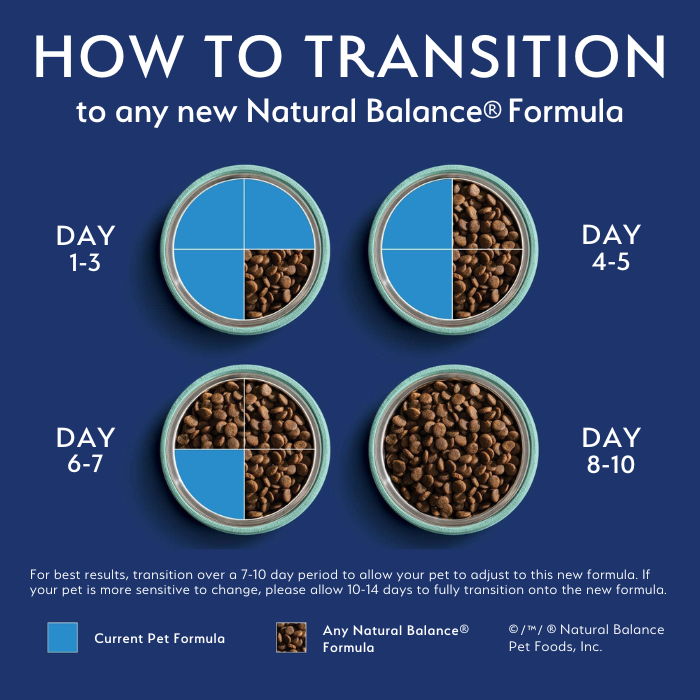
Most dogs take about 7 to 10 days to adjust to new food. Some may need only 3 to 5 days, especially if the new food is similar. Others might need up to two weeks if the food is very different. Gradually mix more new food with less old food each day. This helps your dog’s digestive system adapt smoothly.
Signs Of Food Acceptance
Your dog shows acceptance by eating eagerly and finishing meals. Look for a shiny coat and steady energy levels. Normal stools and no vomiting are good signs. A happy dog with no fuss at mealtime means the food suits them well. If your dog sniffs or refuses the food, it might need more time or a different option.
Common Digestive Issues
- Loose stools or diarrhea
- Vomiting or gagging
- Flatulence or bloating
- Loss of appetite or reluctance to eat
- Excessive drooling or licking lips
These symptoms often appear during the first days of the switch. Keep the transition slow to reduce these issues. If problems last more than a few days, consult a vet. Digestive upset usually improves once the dog fully adjusts.
Credit: www.embracepetinsurance.com
Factors Affecting Food Adjustment
Adjusting your dog to new food isn’t a one-size-fits-all process. Several factors influence how quickly your furry friend will accept and digest the new diet. Understanding these factors helps you manage expectations and tailor the transition to your dog’s unique needs.
Age And Breed Considerations
Puppies often adapt faster to new food because their digestive systems are still developing. Adult dogs might take longer, especially if they are used to a consistent diet. Large breeds can have different nutritional needs and sensitivities compared to small breeds, affecting how they respond to new food.
Have you noticed your older dog being picky or having stomach issues with new food? That’s common and requires a slower, more gradual introduction.
Previous Diet Influence
The type of food your dog ate before switching plays a big role. Dogs moving from dry kibble to wet food, or vice versa, may need extra time to adjust. If their previous diet was very rich or contained certain ingredients, a sudden change can upset their stomach.
Think about the last meal your dog loved or disliked. That can give clues about how to introduce the new food without causing stress or digestive problems.
Health Conditions Impact
Any existing health issues, like allergies, digestive disorders, or sensitivities, can slow down the adjustment process. Dogs with a sensitive stomach often need a special diet and a carefully controlled transition period. Consulting your vet before changing food is always a smart move if your dog has health concerns.
Have you ever tried changing your dog’s food only to see them get sick? It might be your dog’s health dictating the pace at which they can adapt.
Step-by-step Food Transition
Switching your dog to new food takes patience and careful planning. A step-by-step food transition helps avoid tummy troubles and makes the change smoother. It’s about gradually introducing the new food so your dog’s digestive system can adjust without stress.
Gradual Mixing Method
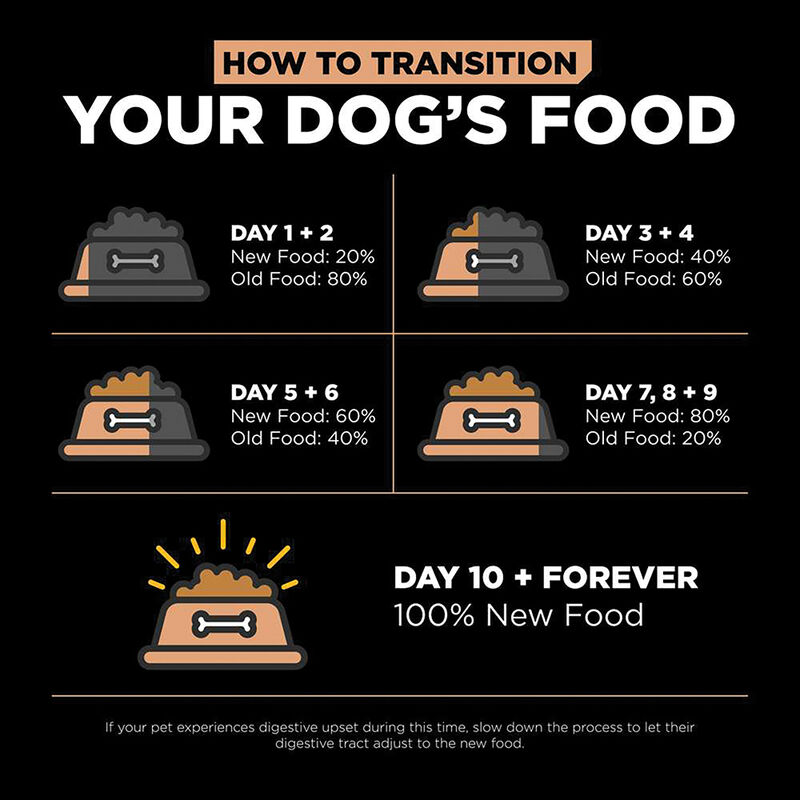
Start by mixing a small amount of the new food into your dog’s current meal. Try about 25% new food and 75% old food on day one. Over the next week, slowly increase the new food portion while decreasing the old food.
For example, on day four, aim for a 50-50 mix. By day seven, your dog should be eating mostly new food. This slow change helps avoid upset stomach or refusal to eat.
Monitoring Your Dog’s Reaction
Watch your dog closely during the transition. Look for signs like vomiting, diarrhea, or loss of appetite. These could mean the new food isn’t agreeing with them yet.
Also, pay attention to energy levels and overall mood. If your dog seems lethargic or unusually restless, take note. Keeping a simple daily log can help you track any changes clearly.
When To Slow Down Or Pause
If your dog shows digestive issues, slow down the transition. Stick with the current mix ratio for a few extra days until symptoms improve. Sometimes pausing the switch gives your dog’s system time to catch up.
Ask yourself: is it better to rush or take a few extra days for your dog’s comfort? Often, patience leads to a happier dog and fewer vet visits. Adjust the pace based on your dog’s unique needs, not a strict timeline.
Expert Tips For Smooth Change
Switching your dog’s food can be a delicate process. To help your furry friend adjust without upset tummies or refusal to eat, you need a plan that respects their needs and habits. These expert tips will guide you through a smooth transition that keeps your dog happy and healthy.
Choosing The Right New Food
Start by picking a food that matches your dog's age, breed, and health needs. Look for high-quality ingredients and avoid unnecessary fillers. If your dog has allergies or sensitivities, check the label carefully to avoid triggers.
Consider trying a sample or small bag first. This way, you can test if your dog likes the taste and if their digestion handles it well before committing to a large purchase. Have you noticed your dog favoring certain flavors or textures? Use those clues to guide your choice.
Maintaining Consistent Feeding Schedule
Dogs thrive on routine. Keep feeding times consistent to help your dog feel secure during the switch. Sudden changes in meal timing can add stress and confuse your pet’s digestive system.
Stick to the same feeding spots and bowls if possible. This familiarity eases anxiety. If your dog is hesitant to eat the new food, try mixing a small amount with their current food, gradually increasing the new food over 7 to 10 days.
Using Supplements And Additives
Sometimes adding supplements can make the transition easier. Probiotics support healthy digestion and reduce upset stomachs. Omega-3 fatty acids can improve coat health, making your dog feel better overall.
You can also add a little warm water or low-sodium broth to soften dry kibble, making it more appealing. Have you tried sprinkling a bit of grated cheese or a favorite treat on top? These small incentives often encourage reluctant eaters to try the new food.
When To Consult A Veterinarian
Switching your dog to a new food can sometimes lead to unexpected reactions. Knowing when to consult a veterinarian is crucial to keep your furry friend healthy and comfortable. If you notice anything unusual during the transition, don’t hesitate to seek professional advice.
Signs Of Allergic Reactions
Allergic reactions to new food can show up quickly. Watch out for itching, redness, or swelling around the face and paws. Your dog might also develop hives or have difficulty breathing, which is a serious sign that needs immediate veterinary attention.
Skin problems that won’t go away or get worse after changing food are a red flag. If your dog starts scratching excessively or has hair loss, it’s time to get a professional opinion.
Persistent Digestive Problems
It’s normal for your dog’s stomach to take a few days to adjust. But if vomiting, diarrhea, or constipation lasts more than a week, consult your vet. These symptoms can indicate intolerance or an underlying health issue.
Don’t ignore repeated digestive upset, especially if your dog seems lethargic or loses weight. A vet can help identify if the new food is the problem or if there’s something else going on.
Behavioral Changes Related To Diet
Noticeable changes in behavior can signal food-related distress. If your dog becomes unusually irritable, restless, or loses interest in playing, food might be the cause. Some dogs also show signs of anxiety or depression linked to discomfort or poor nutrition.
Pay attention if your dog starts refusing food or shows signs of pain when eating. These changes should prompt a visit to your vet to rule out food allergies or digestive disorders.
Credit: www.renspets.com
Credit: www.houndsy.com
Frequently Asked Questions
How Long Does It Take For Dogs To Adjust To New Food?
Most dogs take about 7 to 10 days to adjust to new food. Gradual transition helps prevent digestive upset and ensures better acceptance.
What Are Signs My Dog Is Adjusting To New Food?
Look for steady appetite, normal stools, and no vomiting or diarrhea. These signs indicate your dog is adapting well.
How Should I Transition My Dog To New Food?
Mix increasing amounts of new food with old food over 7-10 days. This gradual change minimizes digestive issues and stress.
Can Sudden Food Changes Harm My Dog’s Digestion?
Yes, sudden changes can cause diarrhea, vomiting, or loss of appetite. Always transition food gradually to avoid these problems.
Conclusion
Dogs usually take about one to two weeks to adjust to new food. Watch for signs like appetite changes or stomach upset. Gradually mixing old and new food helps with smooth transition. Patience is key during this period. Each dog is different, so some may need more time.
Keep a close eye on your pet’s health and behavior. Consult a vet if problems continue beyond two weeks. Changing food slowly supports your dog’s digestion and happiness. Stay consistent, and your dog will settle into the new diet soon.