Are you tired of finding your dog’s fur and muddy paws all over your furniture? You’re not alone.
Many pet owners struggle with keeping their furry friends off couches, chairs, and beds. But what if there was an easy way to protect your furniture without constant scolding or barriers? You might be wondering, “Is there a spray to keep dogs off furniture?
” you’ll discover how certain sprays work, whether they’re safe for your pet, and how to use them effectively. Keep reading to find the solution that can save your furniture—and your sanity.

Credit: www.amazon.com
Why Dogs Climb On Furniture
Dogs climbing on furniture is a common behavior many owners notice. Understanding why dogs do this helps to address the issue better. Dogs do not climb on furniture just to annoy owners. They have reasons tied to comfort, attention, and habits. Knowing these reasons can guide you toward better solutions.
Comfort And Warmth
Furniture offers a soft and warm place to rest. Dogs seek comfort just like humans do. Sofas and beds provide a cozy spot away from hard floors. Warmth from blankets or cushions attracts dogs, especially in cold weather. This makes furniture a natural choice for relaxation.
Seeking Attention
Dogs want to be close to their owners. Climbing on furniture helps them stay near people. Some dogs learn this behavior brings attention. They may get pet or talked to, which they enjoy. This attention keeps them coming back to the furniture.
Habit And Training Gaps
Many dogs climb furniture because they were never taught not to. Lack of clear rules can lead to this habit. Sometimes owners allow it at first and then change their mind. This confuses the dog and makes the behavior harder to stop. Consistent training helps prevent furniture climbing.
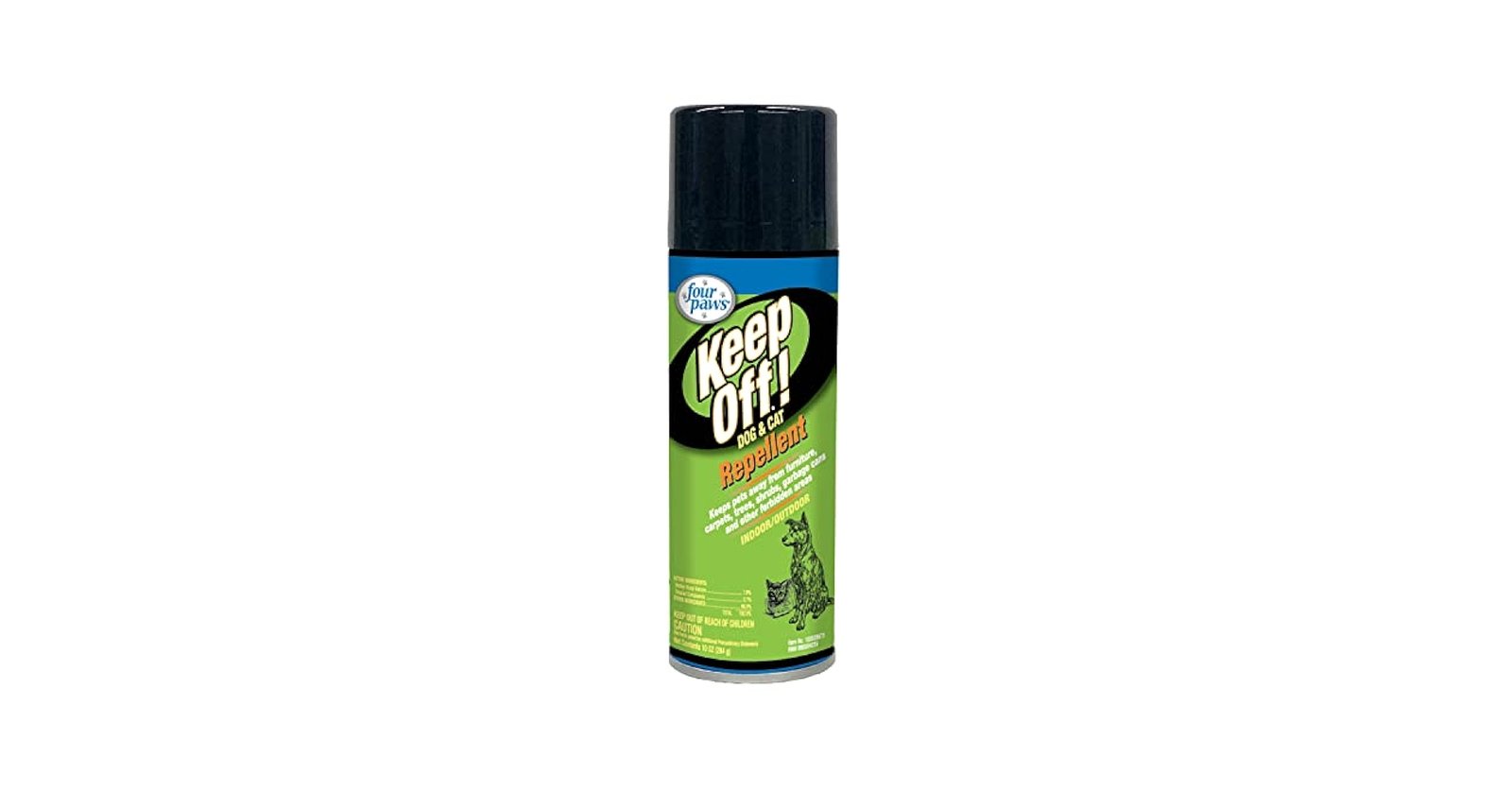
Credit: www.walmart.com
Types Of Sprays To Deter Dogs
Sprays designed to keep dogs off furniture come in different types. Each type works in a unique way to discourage pets from jumping on sofas or chairs. Choosing the right spray depends on your dog's behavior and sensitivity. Some sprays focus on taste, others on smell, and some can be made at home using simple ingredients.
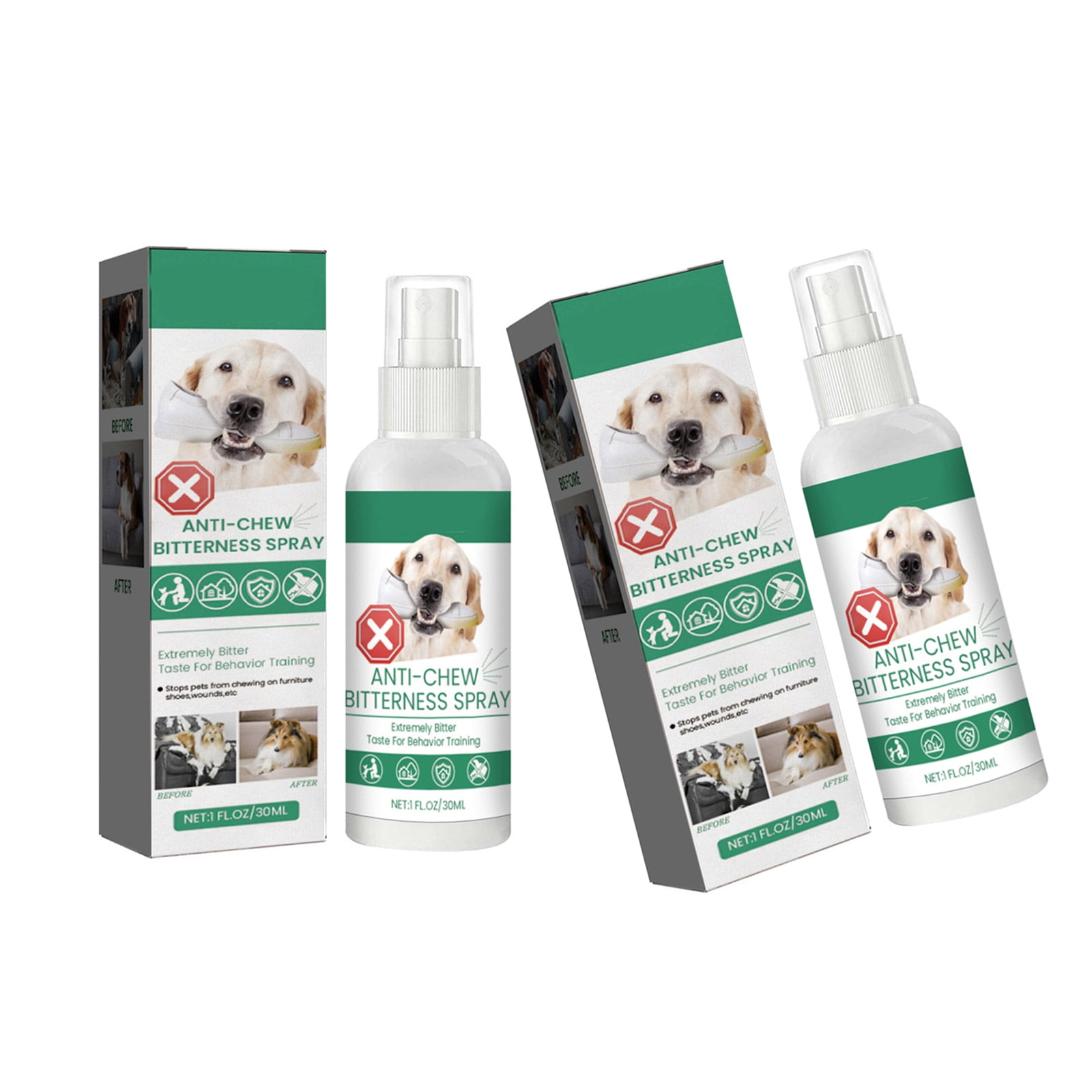
Bitter Taste Sprays
Bitter taste sprays create an unpleasant flavor on furniture surfaces. Dogs dislike the taste and learn to avoid those spots. These sprays are safe and non-toxic, making them pet-friendly. They can be applied directly to fabric or wood. Bitter sprays work best for dogs that chew or lick furniture.
Scent-based Repellents
Scent-based repellents use smells that dogs find unpleasant. Common scents include citrus, vinegar, or eucalyptus. These sprays do not harm pets but make the area unappealing. Dogs tend to avoid places sprayed with these odors. Scent repellents are ideal for dogs sensitive to strong smells.
Homemade Spray Options
Homemade sprays offer a budget-friendly way to deter dogs. Simple mixtures like water with vinegar or lemon juice can be effective. Essential oils like peppermint or citronella dilute well in water. Always test a small area before spraying furniture. Homemade sprays provide a natural alternative to store-bought options.
How Effective Are These Sprays
Sprays designed to keep dogs off furniture can vary in effectiveness. Their success depends on many factors. Understanding how these sprays work helps set the right expectations. Some sprays repel dogs with smell or taste. Others use gentle deterrents that dogs dislike. The impact can last a short or longer time. Sprays work best when used with other training methods.
Short-term Vs Long-term Results
Most sprays show quick effects. Dogs often avoid sprayed areas at first. This short-term success helps protect furniture immediately. Over time, dogs may get used to the spray's smell or taste. The effect can wear off, causing dogs to return. Long-term success requires regular reapplication. Consistency is key to maintaining results. Sprays alone might not stop unwanted behavior forever.
Dog Sensitivity Variations
Dogs react differently to sprays. Some dislike the scent and avoid treated spots. Others may ignore the spray completely. Factors like breed, age, and personality affect sensitivity. Puppies and sensitive dogs respond better. Stubborn dogs might need stronger or different sprays. Observing your dog’s reaction helps choose the right product. Tailoring the approach improves the chance of success.
Combining Sprays With Training
Sprays work best as part of a training plan. Use them alongside positive reinforcement. Reward your dog for staying off furniture. Teach alternative resting places like dog beds. Training helps dogs learn new habits. Sprays act as a reminder, not a sole solution. Consistent training and sprays together create lasting change.
Safety Considerations For Sprays
Choosing a spray to keep dogs off furniture requires careful thought about safety. Some sprays contain harsh chemicals that can harm pets or damage furniture. Ensuring the product is safe for your dog and your home is crucial. Understanding the ingredients and how to apply the spray helps prevent problems. Below are key safety points to consider before using any spray.
Non-toxic Ingredients
Always pick sprays with non-toxic ingredients. These sprays avoid harmful chemicals that can irritate your dog's skin or cause sickness. Natural ingredients like citrus, vinegar, or essential oils often work well. Check the label to confirm the spray is safe for pets. Avoid sprays with ammonia, bleach, or strong chemicals.
Avoiding Allergic Reactions
Watch for signs of allergies after applying the spray. Some dogs may react to certain ingredients. Symptoms include itching, redness, sneezing, or coughing. Test the spray on a small area first. Stop use immediately if your dog shows any discomfort. Consult a vet if unsure about allergies.
Proper Application Tips
- Spray only on furniture surfaces, not directly on your dog.
- Apply in a well-ventilated area to reduce fumes.
- Allow the spray to dry completely before letting your dog near.
- Reapply as directed, but do not overuse the product.
- Store sprays out of your pet’s reach.
Alternative Ways To Keep Dogs Off Furniture
Keeping dogs off furniture can be a challenge for many pet owners. Sprays might help, but there are other effective ways to protect your sofas and chairs. These alternatives focus on changing your dog's behavior and environment. They create a positive experience for your pet while preserving your furniture.
Training Techniques
Teaching your dog to stay off furniture starts with clear rules. Use commands like "off" and reward your dog when it obeys. Consistency is key. Repeat training sessions in short, frequent intervals. Avoid punishment; instead, use positive reinforcement. Praise and treats encourage good behavior. Training helps your dog understand boundaries without stress.
Providing Comfortable Alternatives
Dogs love soft, cozy spots. Offer a comfy bed or blanket in a quiet corner. Place it near family areas so your dog feels included. Choose beds with washable covers for easy cleaning. New spots attract your dog away from furniture. This alternative gives your pet a safe, special place to relax.
Using Physical Barriers
Barriers stop dogs before they jump on furniture. Use baby gates to block rooms or couch covers with textures dogs dislike. Furniture protectors or plastic mats deter dogs from climbing. Rearranging furniture to limit access helps too. Physical barriers work well with training and alternatives. They create a clear, physical limit your dog respects.
Choosing The Right Spray For Your Dog
Choosing the right spray for your dog helps protect your furniture and keeps your pet safe. Different sprays work better for different dogs. Some dogs may react to certain ingredients. Others may ignore the scent completely. Picking the right spray takes a bit of thought and care. Understanding your dog’s habits and needs is key to finding the best option.
Assessing Your Dog’s Behavior
Watch how your dog acts around furniture. Does your dog jump on couches out of habit or curiosity? Some dogs chew or scratch more than others. Notice what triggers this behavior. Is it boredom or anxiety? Knowing why your dog climbs on furniture helps choose the right spray. Some sprays use smells dogs dislike. Others create unpleasant tastes. Pick one that fits your dog’s habits and triggers.
Reading Product Labels
Check the label carefully before buying a spray. Look for safe, natural ingredients. Avoid sprays with harsh chemicals that can harm your dog. Note if the spray is for indoor or outdoor use. Some sprays may stain fabric or damage leather. Find out if the scent is strong or mild. A strong smell might bother you or your dog. Choose a spray that matches your home and pet’s needs.
Consulting Your Veterinarian
Ask your vet for advice on sprays. They know your dog’s health and sensitivities. Your vet can recommend safe options for allergic or sensitive dogs. Some sprays might not suit puppies or older dogs. Your vet can suggest alternatives if sprays are not suitable. Getting professional advice ensures your dog stays healthy and comfortable.

Credit: www.splinge.com
Frequently Asked Questions
What Types Of Sprays Keep Dogs Off Furniture?
Sprays with natural deterrents like citrus or vinegar repel dogs effectively. Commercial sprays often contain safe bittering agents dogs dislike. Choose a spray designed specifically for pets to avoid damage or harm.
Are Homemade Sprays Effective To Keep Dogs Off Furniture?
Yes, homemade sprays using vinegar, lemon, or essential oils can deter dogs. They are safe and inexpensive but may require frequent reapplication for best results.
Can Spray Alone Train Dogs To Avoid Furniture?
Spray helps deter dogs but works best combined with training. Reward good behavior and use commands alongside sprays for effective furniture avoidance.
Is Pet-safe Spray Harmful To Dogs Or Furniture?
Pet-safe sprays are non-toxic and generally safe for dogs and furniture. Always test a small furniture area first to ensure no staining or damage occurs.
Conclusion
Finding the right spray can help keep dogs off furniture. It’s important to choose a product that’s safe for pets. Always test the spray on a small area first. Consistency is key for training your dog. Spray regularly until your dog learns to stay away.
Combine sprays with other training techniques. Positive reinforcement works wonders. Reward your dog for good behavior. This creates a peaceful home environment. Happy pets and clean furniture? A win-win situation. Remember, patience is essential. Every dog learns at their own pace.
Keep trying, and soon your dog will understand. Your furniture stays safe!