Are you tired of feeling like your dog is in charge every time you go for a walk? Pulling on the leash can make walks stressful and exhausting for both you and your furry friend.
But what if you could turn those walks into calm, enjoyable moments? Learning how to train your dog not to pull on the leash will give you control, improve your dog’s behavior, and make every stroll something you both look forward to.
Keep reading, and you’ll discover simple, effective steps to change your dog’s pulling habits for good.

Credit: www.reddit.com
Why Dogs Pull On Leash
Dogs pulling on the leash is a common challenge for many owners. Understanding why dogs pull helps in training them better. Pulling can come from natural behaviors, lack of training, or outside distractions. Each reason plays a part in your dog’s walking habits.
Natural Instincts
Dogs have instincts that make them eager to explore. Their senses are strong, and they want to follow smells and sights. Pulling is a way to reach new places quickly. It is part of their nature to move toward interesting things.
Lack Of Training
Dogs need guidance on how to walk calmly on a leash. Without training, they do not learn to stay close to their owner. Pulling becomes a habit when no rules are set. Training helps dogs understand the right way to walk.
Distractions And Excitement
Outside, many things catch a dog’s attention. Other dogs, people, and noises make them excited. This excitement often causes them to pull harder. They want to get closer to the source of interest. Managing distractions is key to reducing pulling.

Credit: www.youtube.com
Choosing The Right Equipment
Choosing the right equipment is key to training your dog not to pull on the leash. The right tools help you control your dog safely. They also keep your dog comfortable. Using proper gear makes walks more enjoyable for both of you. This section covers different equipment options and their benefits.
Harness Vs Collar
A harness fits around your dog’s body. It spreads pressure evenly across the chest and back. This reduces strain on the neck and throat. A collar sits around the neck only. It can cause discomfort or injury if the dog pulls hard. Harnesses are better for dogs that pull a lot or have breathing issues. Collars are good for gentle walkers or short walks. Choose a harness with a front clip to discourage pulling.
Leash Types
Leashes come in various lengths and materials. A standard 4 to 6 feet leash offers good control. Longer leashes allow more freedom but less control. Materials like nylon are strong and light. Leather leashes are durable but heavier. Retractable leashes give dogs more space but can encourage pulling. Use a leash that matches your dog’s size and strength. A firm grip and good control help prevent pulling.
Benefits Of No-pull Tools
No-pull tools are designed to reduce pulling safely. They gently redirect your dog’s attention to you. These tools include no-pull harnesses and head halters. No-pull harnesses have front clips to steer your dog. Head halters control the dog’s head like a horse’s halter. They discourage pulling by guiding the head. These tools help teach your dog better leash manners. Use them along with positive training methods for best results.
Basic Training Principles
Training your dog not to pull on the leash starts with understanding some basic principles. These principles set the foundation for effective learning and a happier walking experience for both you and your dog. Sticking to these ideas helps you stay focused and make steady progress.
Consistency And Patience
Consistency is your best friend in training. Dogs learn through repetition, so use the same commands and rules every time you walk. If you let your dog pull sometimes but correct it other times, it will get confused.
Patience matters just as much as consistency. Training takes time, and some days will be better than others. Keep calm and don’t rush the process; your steady approach shows your dog what you expect.
Positive Reinforcement
Rewarding good behavior encourages your dog to repeat it. Use treats, praise, or a favorite toy to celebrate when your dog walks nicely without pulling. Positive reinforcement makes training fun and motivates your dog to listen.
Try to catch your dog in the act of walking calmly before giving a reward. This helps your dog understand exactly which behavior you want. Avoid punishment—it can create fear and make leash walking worse.
Timing Rewards
The moment you reward your dog is crucial. Giving a treat too late can confuse your dog about what you are rewarding. Aim to reward immediately after your dog stays by your side or stops pulling.
Think about how fast dogs learn compared to humans. You need to be quicker with your rewards than you might expect. This quick feedback loop strengthens the connection between walking calmly and getting a treat.
Step-by-step Training Methods
Training your dog not to pull on the leash takes patience and clear guidance. Breaking the process into manageable steps helps both you and your dog stay focused. Each technique builds on the last, making walking together a more enjoyable experience.
Teaching Loose Leash Walking
Start in a quiet space with minimal distractions. Hold the leash firmly but leave some slack so your dog can walk comfortably beside you.
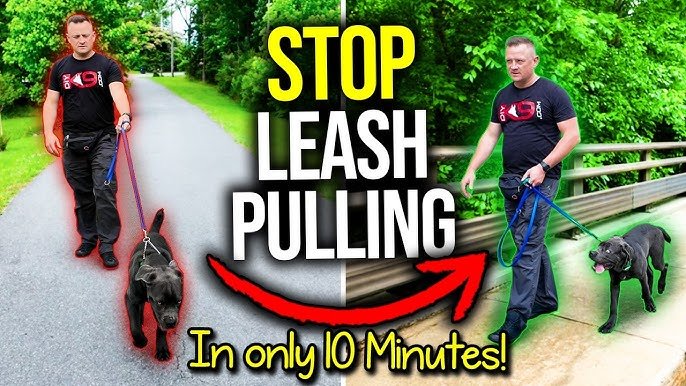
When your dog pulls, stop walking immediately. Wait until the leash slackens, then reward your dog with praise or a treat.
This teaches your dog that pulling stops the fun, while walking nicely keeps the walk going. How often do you reward good leash behavior during your walks?
Using The Stop-and-go Technique
This technique uses your movement to guide your dog’s behavior. Each time your dog pulls, freeze in place instead of moving forward.
Only start walking again when the leash is loose. This simple action makes your dog realize pulling delays the walk.
Keep your tone calm but encouraging. It’s a gentle way to train your dog to focus on you, rather than rushing ahead.
Changing Direction To Gain Attention
If your dog keeps pulling in one direction, change your path unexpectedly. Turn left, right, or even walk backward to catch your dog’s attention.
This sudden change surprises your dog and encourages them to watch your movements closely.
Try mixing this with treats or verbal praise when your dog follows your lead. How might your dog’s focus improve if you keep them guessing your next move?
Dealing With Common Challenges
Training your dog not to pull on the leash often comes with challenges. Dogs react differently to situations. Some get too excited, others get distracted easily, and some just refuse to listen. Understanding these common problems helps you stay patient and effective. Here are ways to handle these typical training hurdles.
Handling Excited Dogs
Excited dogs pull hard to explore and meet new things. They see a walk as playtime or adventure. Calm their energy before starting the walk. Use short training sessions to teach focus. Reward calm behavior with treats or praise. Stop walking if the dog pulls. Wait until the leash is loose to continue. This shows pulling does not lead to moving forward.
Managing Distractions
Distractions like other dogs, noises, or smells can break your dog’s focus. Choose quiet places for practice walks. Keep your dog close using a shorter leash. Use treats to keep attention on you. Call your dog’s name and reward eye contact. Gradually introduce distractions while maintaining control. Practice often in different locations to build good habits.
Overcoming Stubbornness
Some dogs resist training and pull out of habit. Be patient and consistent. Use clear commands like “heel” or “stop.” Keep training sessions short and regular. Avoid yelling or harsh punishments, which cause fear or confusion. Praise small improvements and stay calm. Use a harness designed to reduce pulling for better control. Consistency wins over stubbornness in the long run.

Credit: m.youtube.com
Advanced Tips For Lasting Results
Training your dog not to pull on the leash takes patience and consistency, but reaching lasting results means going beyond the basics. Advanced techniques can help solidify good walking habits and make every stroll more enjoyable for both you and your dog. Here are some practical tips that will take your training to the next level.
Increasing Walk Duration
Start by gradually making your walks longer. Short walks may not give your dog enough time to settle into good behavior. Extending the duration helps your dog practice staying calm and focused over time.
Try adding just five minutes to your usual walk each day. Observe if your dog maintains good leash manners as the walk gets longer. This builds endurance and reinforces the behavior you want to see.
Training In Different Environments
Dogs often behave differently depending on where they are. A dog that walks well in a quiet park might pull in a busy street. Training in a variety of settings helps your dog learn to stay calm and walk nicely no matter what distractions pop up.
Take your dog to places with different sights, sounds, and smells. Practice leash walking near other dogs, people, and traffic. This challenges your dog and strengthens their focus on you.
Regular Practice And Maintenance
Consistency is key to keeping leash training strong. Even after your dog stops pulling, keep practicing regularly to prevent old habits from returning. Short, frequent training sessions work best.
Use walks as training opportunities every day. Mix in commands like “heel” or “wait” and reward your dog for staying close. Ask yourself: how often do you refresh your dog’s training to keep those skills sharp?
Frequently Asked Questions
How Long Does Leash Training Usually Take?
Leash training time varies by dog and consistency. Most dogs learn leash manners within 2 to 4 weeks with daily practice. Patience and positive reinforcement speed up progress. Consistent training sessions of 10-15 minutes work best for effective results.
What Is The Best Leash Type To Prevent Pulling?
A front-clip harness or head halter is best to reduce pulling. These tools gently guide the dog’s direction without causing harm. Avoid retractable leashes, as they encourage pulling. Proper equipment paired with training improves control and comfort.
How Can I Stop My Dog From Pulling Quickly?
Stop walking when the dog pulls and wait calmly. Reward your dog with treats and praise when walking beside you. Use consistent commands like "heel" or "easy. " Short, frequent training sessions help dogs learn leash manners faster.
Can Positive Reinforcement Help Leash Training?
Yes, positive reinforcement is highly effective in leash training. Rewarding good behavior with treats, praise, or play encourages your dog to repeat it. Avoid punishment, as it may cause fear and confusion. Consistency and patience maximize training success.
Conclusion
Training your dog not to pull on the leash takes patience. Start with short, consistent training sessions. Reward your dog for calm behavior. Practice regularly in different environments. Consistency is key for success. Use positive reinforcement to encourage good behavior.
Gradually increase the difficulty as your dog improves. Remember, every dog learns at their own pace. Stay calm and patient throughout the process. Enjoy the journey of bonding with your dog. Happy walking awaits you both!