
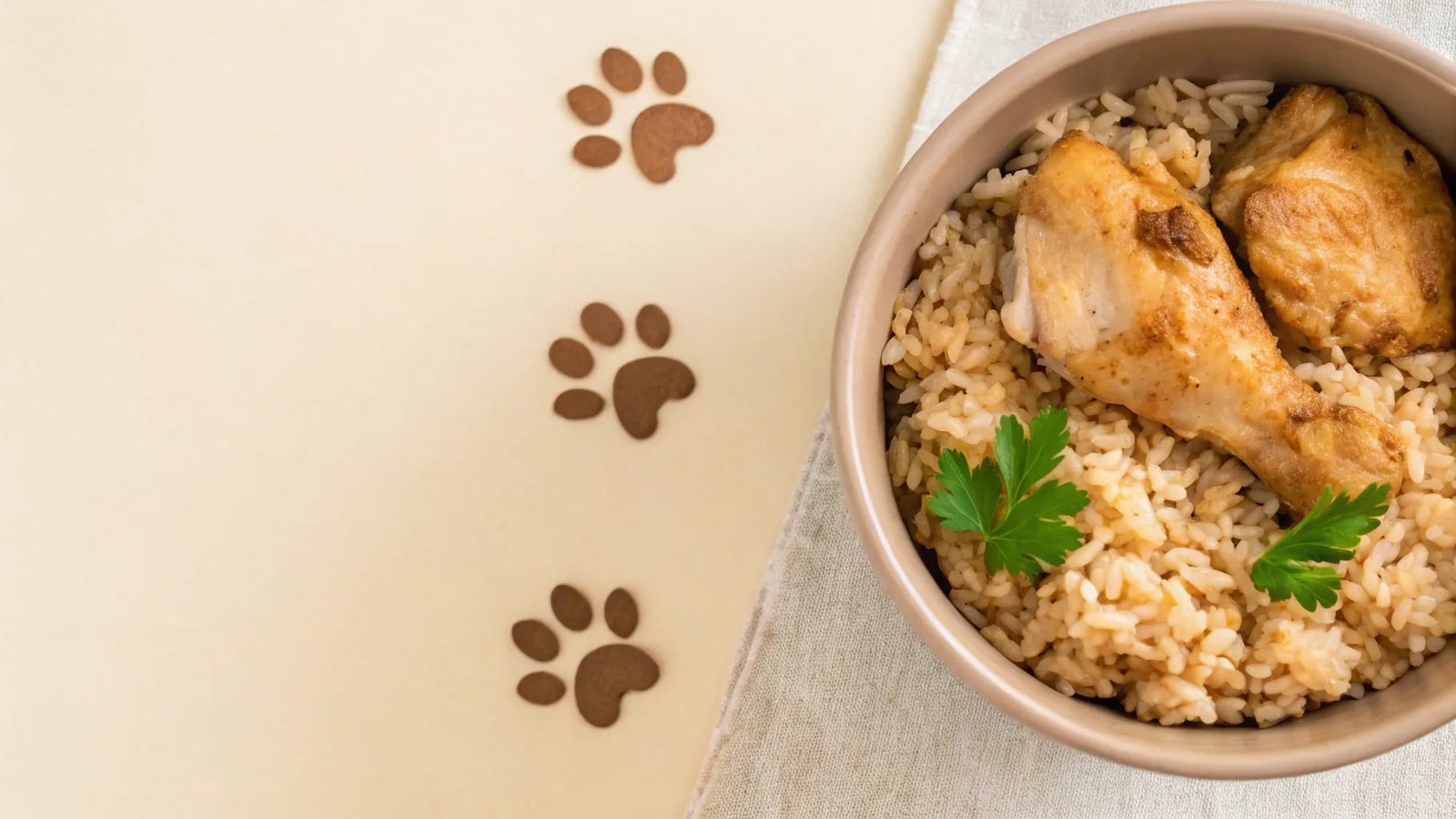
Are you unsure about how much chicken and rice to feed your dog? Getting the right portion is key to keeping your furry friend healthy and happy.
Too little might leave them hungry, and too much could cause discomfort or weight gain. You’ll discover simple guidelines to help you measure the perfect amount. By the end, you’ll feel confident about feeding your dog a balanced meal that supports their energy and wellbeing.
Keep reading to find out exactly what your dog needs!
Daily Calorie Needs
Understanding your dog’s daily calorie needs is key to feeding the right amount of chicken and rice. Every dog has unique energy demands based on size, age, and activity. Feeding too much can cause weight gain, while too little may lead to low energy. Knowing how many calories your dog requires helps maintain their health and vitality.
Factors Affecting Calorie Requirements
- Size and Weight:Larger dogs need more calories than smaller ones.
- Age:Puppies and young dogs burn more energy than older dogs.
- Activity Level:Active dogs require extra calories to fuel their movement.
- Health Conditions:Illness or special diets may change calorie needs.
- Metabolism:Some dogs naturally burn calories faster than others.
Calculating Your Dog’s Calorie Needs
First, find your dog’s ideal weight in pounds or kilograms. Use this formula to estimate daily calories:
| Formula | Description |
|---|---|
| Resting Energy Requirement (RER) = 70 × (weight in kg)0.75 | Calories needed at rest to maintain basic functions |
Next, multiply the RER by an activity factor:
- 1.2 for inactive or senior dogs
- 1.4–1.6 for average activity
- 1.8–2.0 for highly active or working dogs
Example: A 10 kg dog with moderate activity needs about 70 × 100.75= 394 calories × 1.5 = 591 calories daily.
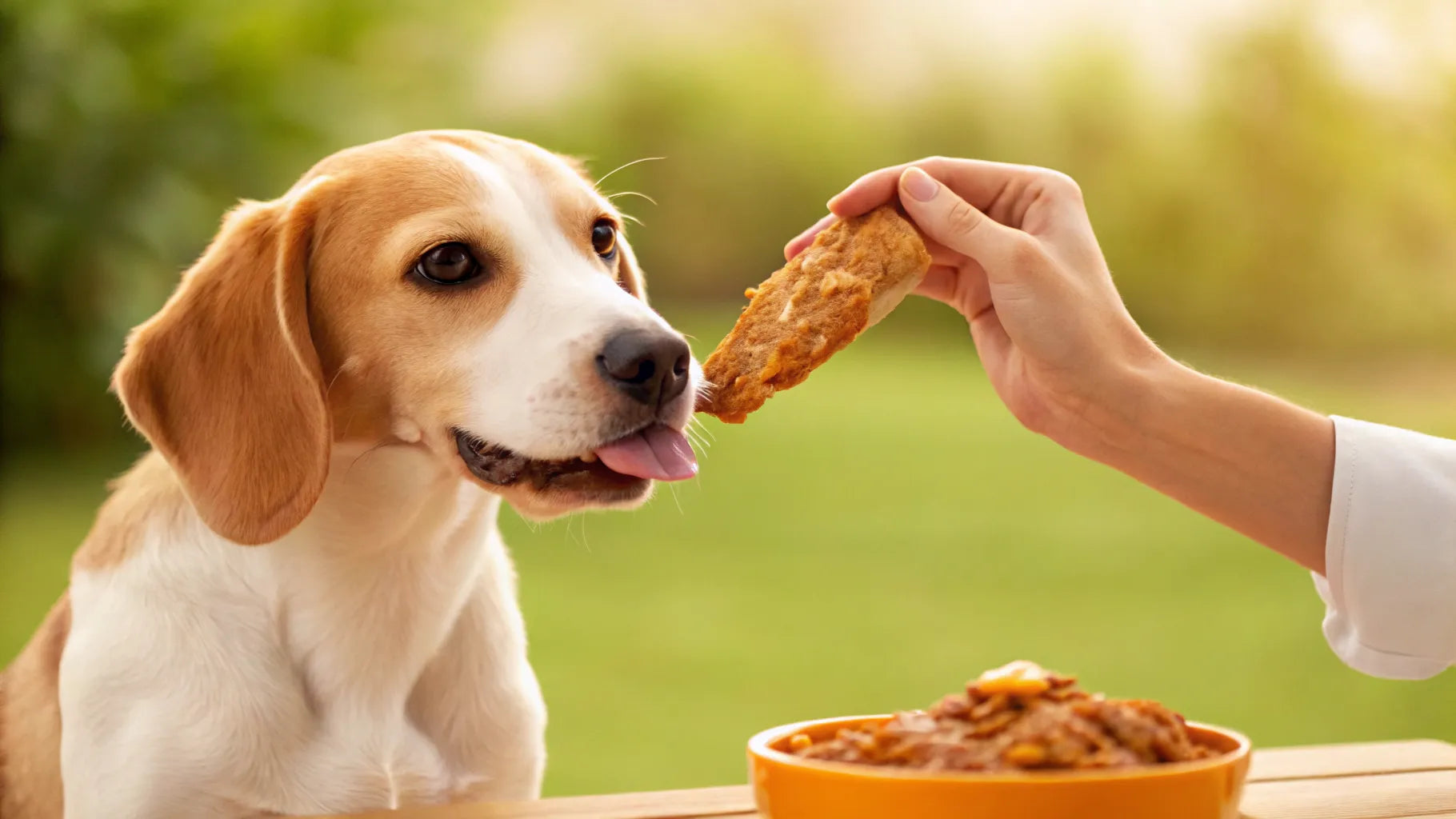
Use this calorie count to portion chicken and rice. Balance protein and carbs to meet energy needs without overfeeding.
Credit: www.houndsy.com
Nutritional Benefits Of Chicken And Rice
Chicken and rice is a popular meal choice for dogs, not just because it's easy to prepare but also due to its balanced nutritional profile. Understanding what each ingredient offers helps you decide the right portions for your furry friend. Let’s break down the key nutrients your dog gains from this simple yet effective meal.
Protein Sources In Chicken
Chicken provides high-quality protein that supports muscle growth and repair. It's rich in essential amino acids that your dog’s body cannot produce on its own. Including chicken in your dog’s diet can boost energy levels and maintain healthy skin and coat.
If you’ve ever noticed your dog’s enthusiasm at mealtime when you add chicken, it’s no surprise—protein is key to their vitality. But make sure to use plain, cooked chicken without seasoning or bones to keep it safe.
Carbohydrates From Rice
Rice is a great source of carbohydrates, which serve as your dog's main energy fuel. It’s easy to digest and gentle on the stomach, making it ideal during digestive upsets. White rice, in particular, is often recommended for dogs recovering from illness or diarrhea.
Have you observed how your dog bounces back quickly after a meal with rice? That’s the energy release at work. Balancing rice with protein ensures your dog gets steady energy without spikes or crashes.
Essential Nutrients And Vitamins
Chicken and rice together provide important vitamins and minerals like B vitamins, iron, and zinc. These support immune function, red blood cell production, and overall metabolism. Adding vegetables or supplements can further enhance these benefits.
Consider your dog’s specific health needs—some might require more vitamins or minerals, which means adjusting the meal or adding other ingredients. Paying attention to these details can make a big difference in your dog’s well-being.
Determining Portion Sizes
Determining the right portion sizes of chicken and rice for your dog is key to a healthy diet. Serving too much can cause weight gain. Too little might leave your dog hungry and lacking nutrients.
Portion sizes depend on various factors. These include your dog’s size, activity, age, and health. Understanding these helps you feed the correct amount for your dog’s needs.
Portion Guidelines By Dog Size
Small dogs need less food than larger breeds. A small dog may need about 1/4 to 1/3 cup of chicken and rice per meal. Medium dogs often require 1/2 to 1 cup. Large dogs might need 1 1/2 to 2 cups or more.
Consider dividing the daily amount into two or three meals. This helps with digestion and energy levels throughout the day.
Adjusting Portions For Activity Level
Active dogs burn more calories. They need larger portions to stay energized. Dogs with low activity or those who are mostly indoors need smaller portions to avoid weight gain.
Adjust portions based on your dog’s daily exercise. More playtime means more food. Less movement means less food.
Age And Health Considerations
Puppies require more calories for growth. They need frequent, smaller meals with balanced nutrition. Senior dogs may need fewer calories due to slower metabolism.
Health issues like allergies or digestive problems affect portion size and food choice. Consult your vet for specific guidance. Always monitor your dog’s weight and adjust portions as needed.

Credit: www.justfoodfordogs.com
Preparing Chicken And Rice Safely
Preparing chicken and rice safely is important for your dog's health. Proper cooking keeps nutrients intact and prevents illness. Use clean utensils and fresh ingredients every time. Avoid harmful substances that can upset your dog's stomach. Store leftovers correctly to keep food fresh and safe.
Cooking Methods To Retain Nutrients
Boiling chicken and rice is a simple way to keep nutrients. Use low heat and cook until fully done. Avoid frying or adding oil, as it can harm your dog. Steaming is another gentle method that preserves vitamins. Cut chicken into small pieces for even cooking.
Avoiding Harmful Additives
Do not add salt, spices, or seasoning to the food. Garlic and onions are toxic to dogs and must be avoided. Skip sauces and broths that contain preservatives or sugar. Use plain, fresh chicken and rice only. Always rinse rice before cooking to remove dirt.
Proper Storage And Serving
Cool cooked chicken and rice quickly before storing. Use airtight containers to keep food fresh. Refrigerate leftovers for no more than three days. Warm food slightly before serving, but do not microwave. Serve in clean bowls to avoid bacteria growth.
Signs Of Overfeeding Or Underfeeding
Knowing the signs of overfeeding or underfeeding your dog is crucial when you’re adjusting their chicken and rice portions. It’s easy to think more food equals better health, but too much or too little can cause real problems. Paying attention to these signs helps you find the right balance for your furry friend’s well-being.
Monitoring Weight And Energy
Keep a close eye on your dog’s weight. Sudden gains might mean you’re feeding too much chicken and rice, while noticeable weight loss could indicate underfeeding. Tracking weight weekly can reveal trends before they become serious issues.
Energy levels also tell a story. If your dog seems lethargic or less playful than usual, it might be a sign they’re not getting enough nutrients. On the other hand, hyperactivity or restlessness can sometimes be linked to overeating.
Behavioral Indicators
Watch how your dog behaves around mealtime. Constant begging or scavenging for food might mean they’re still hungry after their portion. Conversely, turning away from their bowl could suggest they’re full or feeling unwell.
Digestive issues like vomiting, diarrhea, or constipation can also signal feeding problems. These symptoms often show up when the balance of chicken and rice isn’t right, so don’t ignore changes in bathroom habits.
When To Consult A Vet
If you notice persistent weight changes, energy drops, or digestive problems, it’s time to talk to your vet. They can help you adjust your dog’s diet based on their specific needs and health status.
Never hesitate to seek professional advice if your dog’s behavior or health worries you. Early intervention can prevent complications and keep your dog happy and healthy.

Credit: www.houndsy.com
Incorporating Supplements And Variety
Feeding your dog chicken and rice can be a solid base for their meals, but it’s important to add supplements and variety to keep their diet balanced and exciting. Simply sticking to the same ingredients can leave your dog missing vital nutrients over time. Adding different foods and supplements not only improves nutrition but also keeps your dog interested in their meals.
Adding Vegetables And Fruits
Vegetables and fruits provide essential vitamins, minerals, and fiber that chicken and rice alone don’t offer. Safe options include carrots, green beans, pumpkin, blueberries, and apples (without seeds). You can steam or lightly cook veggies to make them easier for your dog to digest.
Have you noticed how your dog perks up when you mix in fresh veggies? It’s a simple way to add crunch and nutrients without extra calories. Avoid toxic foods like onions, grapes, and raisins to keep your dog safe.
Essential Supplements For Balance
Chicken and rice lack certain nutrients like calcium, omega-3 fatty acids, and some vitamins. You can add supplements such as fish oil, calcium powder, or a multivitamin specifically designed for dogs. These help fill nutritional gaps and support healthy skin, joints, and overall vitality.
Before adding supplements, consider consulting your vet to tailor the right mix for your dog’s age, size, and health condition. Too much or too little can cause imbalances, so precision matters.
Rotating Proteins For Health
Feeding only chicken can limit amino acid variety. Rotating proteins like turkey, beef, or fish ensures your dog gets a broader spectrum of nutrients. It also reduces the risk of food allergies developing over time.
Try switching proteins every few weeks and observe how your dog reacts. You might find your dog prefers certain meats or digests some better than others. This rotation keeps mealtime interesting and nutritionally richer.
Frequently Asked Questions
How Much Chicken And Rice To Feed A Dog Daily?
Feed your dog about 1/3 chicken and 2/3 rice by volume daily. Adjust portions based on your dog's size and activity level for balanced nutrition.
Can Chicken And Rice Replace Regular Dog Food?
Chicken and rice can be a temporary diet during digestion issues. For long-term feeding, a balanced commercial dog food is recommended.
Is Chicken And Rice Good For Dogs With Upset Stomachs?
Yes, chicken and rice are gentle on dogs' stomachs. They help soothe digestion and reduce diarrhea or vomiting symptoms effectively.
How To Prepare Chicken And Rice For My Dog?
Boil chicken without seasoning and cook plain white rice. Mix in proper portions and serve once cooled to avoid burns.
Conclusion
Determining the right chicken and rice portions is crucial for your dog. Maintain balance and monitor your dog's weight and energy. Adjust portions based on your pet's activity level and size. Observe any changes in behavior or digestion. Consult a vet if you're unsure about the right amounts.
A well-fed dog is a happy and healthy companion. Always prioritize nutrition and well-being. Their health depends on your choices. Keep their diet simple and nourishing. Your furry friend deserves the best care. Feed them with love and attention. They'll thank you with wagging tails and joy.