
Are you wondering how often you should bathe your dog during the cold winter months? It’s a question many pet owners face as the chilly weather sets in.
Bathing your dog too often can dry out their skin, but not bathing enough can leave them dirty and uncomfortable. Finding the right balance is key to keeping your furry friend healthy and happy this winter. You’ll discover simple tips and expert advice to help you decide the perfect bathing routine for your dog when temperatures drop.
Keep reading to learn how to protect your dog’s skin and coat while keeping them fresh all season long.
Bathing Frequency In Winter
Bathing your dog during winter requires a careful balance. Too frequent baths can dry out their skin, while too few might leave dirt and oils unchecked. Understanding the right bathing frequency helps keep your dog comfortable and healthy throughout the cold months.
Factors Affecting Bathing Needs
Several factors influence how often your dog needs a bath in winter. The environment plays a big role—if your dog spends a lot of time outside, they may get dirtier faster. Additionally, skin sensitivity tends to increase in colder, drier weather, which means bathing too often can cause irritation.
Think about your dog’s diet and overall health, too. Dogs with skin conditions might need special shampoos and less frequent baths. Have you noticed your dog scratching more during winter? That might be a sign to adjust bathing habits.
Breed And Coat Considerations
Different breeds and coat types need different care. Dogs with thick double coats, like Huskies or Malamutes, naturally repel dirt and water, so they usually require fewer baths. On the other hand, breeds with short or single coats might get dirty more quickly and need baths more often.
Long-haired dogs often benefit from regular brushing to reduce the need for bathing. Your dog’s coat type can guide you on when a bath is truly necessary rather than just a routine.
Activity Level Impact
How active your dog is during winter greatly affects their bathing schedule. Dogs who love rolling in the snow or playing outdoors might get wet and muddy, increasing the need for baths. In contrast, less active dogs who mostly stay indoors may only need occasional baths.
Ask yourself, does your dog come home smelling of wet earth or mud? That’s a clear sign that a bath is due. Adjusting bath frequency based on activity helps maintain cleanliness without overdoing it.
Choosing The Right Shampoo
Choosing the right shampoo for your dog during winter is essential to keep their skin and coat healthy. Cold weather can dry out your pet’s skin, so a gentle, nourishing shampoo can make a big difference. You want to pick a product that cleans effectively without stripping away natural oils that protect their coat.
Moisturizing Formulas
Moisturizing shampoos help prevent dryness and flakiness that often come with winter weather. Look for ingredients like oatmeal, aloe vera, or coconut oil, which soothe and hydrate your dog’s skin.
My dog once had a rough winter with itchy patches until I switched to a moisturizing shampoo. The improvement was noticeable within a week — less scratching and a shiny coat. Have you noticed your dog scratching more in winter? A moisturizing shampoo might be the answer.
Hypoallergenic Options
Some dogs have sensitive skin that reacts badly to common shampoo ingredients. Hypoallergenic shampoos avoid dyes, fragrances, and harsh chemicals to reduce the risk of irritation.
If your dog shows redness or discomfort after baths, trying a hypoallergenic formula can help soothe their skin. These shampoos are especially important if your dog suffers from allergies or skin conditions.
Avoiding Harsh Chemicals
Harsh chemicals like sulfates, parabens, and artificial fragrances can dry out and irritate your dog’s skin, especially in winter. Choosing shampoos without these ingredients helps maintain your dog’s natural skin barrier.
Check product labels carefully. Sometimes, shampoos marketed for pets still contain ingredients that can harm sensitive skin. Would you use a shampoo on yourself without knowing what’s inside? Your dog deserves the same care.
Winter Bathing Tips
Bathing your dog in winter requires special care to keep them comfortable and healthy. Cold weather can make bath time tricky, but with the right approach, you can protect your furry friend from chills and skin issues. Paying attention to water temperature, drying methods, and warmth after the bath makes all the difference.
Water Temperature Guidelines
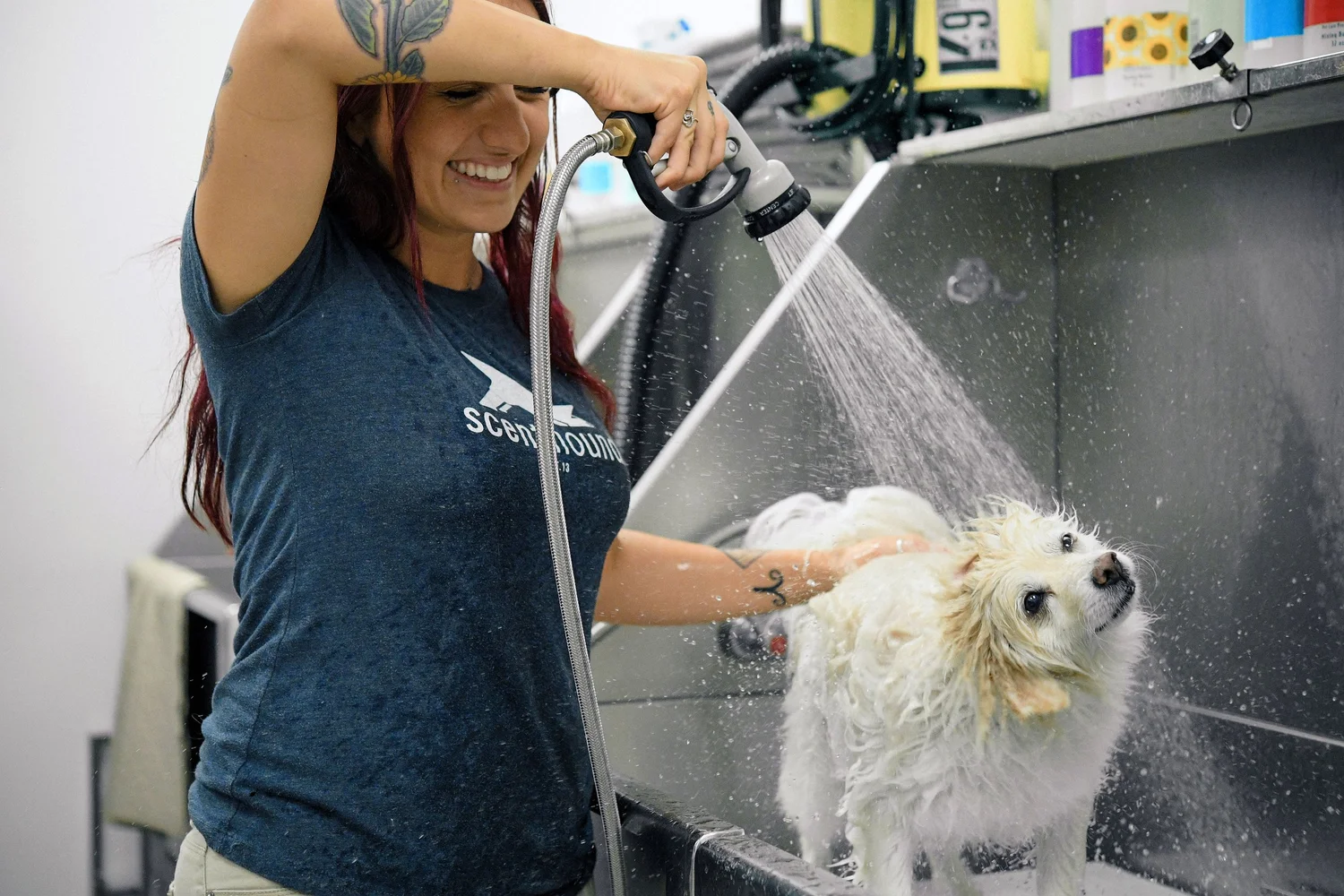
Use lukewarm water—not too hot, not too cold. Water that's too cold can shock your dog's system and make them uncomfortable. Too hot can dry out their skin and cause irritation.
Check the water temperature with your wrist or elbow before starting. Aim for a gentle warmth, similar to what you'd use for a baby’s bath. This helps your dog relax and enjoy the process more.
Drying Techniques
After the bath, towel dry your dog thoroughly. Use a soft, absorbent towel and gently press rather than rub to avoid tangling fur or irritating skin. If your dog tolerates it, a blow dryer on a low, warm setting can speed drying.
Keep the dryer moving and don’t hold it too close to the skin to prevent burns. Drying quickly helps prevent your dog from getting cold, especially if the air is chilly. Have multiple towels ready—wet fur takes longer to dry than you think.
Keeping Your Dog Warm
Once your dog is dry, keep them warm by wrapping them in a cozy blanket or putting on a dog sweater. Avoid letting them outside immediately after a bath; their body temperature needs time to stabilize.
Have a warm, draft-free spot ready for them to rest in. You might notice your dog shivering or curling up tighter—these signs mean they need extra warmth. Have you tried using a heating pad wrapped in a towel? It’s a gentle way to add extra comfort.

Credit: www.chewy.com
Skin And Coat Care In Cold Weather
Winter brings unique challenges for your dog's skin and coat. Cold air and indoor heating can dry out their skin, leading to itchiness and flaking. Paying attention to skin and coat care during colder months helps keep your dog comfortable and looking great.
Preventing Dry Skin
Dry skin is common in winter because cold air strips moisture away. You might notice your dog scratching more or small flakes on their fur. To prevent this, try limiting bath frequency and use lukewarm water instead of hot.
Also, avoid harsh shampoos that remove natural oils. Instead, pick gentle, moisturizing formulas designed for sensitive skin. Have you checked if your dog's environment is too dry? A humidifier can add needed moisture to the air.
Using Conditioners And Oils
After bathing, conditioners can restore moisture and soften your dog's coat. Look for conditioners with natural ingredients like oatmeal or aloe vera. These help calm irritated skin and leave fur silky.
Applying a few drops of natural oils—such as coconut or fish oil—can also improve coat health. Rub a small amount into your dog’s fur after drying. This simple step can reduce static and add shine without greasy buildup.
Nutrition For Healthy Fur
Your dog’s diet plays a big role in winter coat condition. Foods rich in omega-3 and omega-6 fatty acids support skin hydration and fur strength. You might add fish oil supplements or fatty fish like salmon to their meals.
Protein is also key for healthy fur growth. Consider high-quality dog food with balanced nutrients or discuss supplements with your vet. Have you noticed changes in your dog’s coat after adjusting their diet?
Alternatives To Frequent Baths
Bathing your dog too often in winter can dry out their skin and strip away essential oils. Luckily, you don’t have to rely solely on full baths to keep your dog clean and comfortable. There are several effective alternatives that help maintain your dog’s hygiene without the need for frequent water baths.
Spot Cleaning Methods
Spot cleaning is a quick way to tackle dirty paws, muddy spots, or smelly areas without a full bath. Use a damp cloth or pet-safe wipes to gently clean the affected parts. This saves time and reduces stress for dogs who dislike water, especially in chilly weather.
Try keeping a small towel and some dog-safe wipes by the door for after walks. Have you noticed how just wiping down the paws can prevent dirt from spreading inside your home?
Brushing Benefits
Regular brushing removes dirt, loose fur, and debris trapped in your dog’s coat. It also helps distribute natural oils that keep their skin healthy and shiny. Brushing can reduce the need for baths and keeps your dog looking fresh.
Brush your dog daily or several times a week, depending on their coat type. You’ll be surprised how much cleaner your dog stays with just a little extra grooming effort from you.
Using Dry Shampoo
Dry shampoo for dogs is a lifesaver during winter when baths are less frequent. These powders or sprays absorb oils and odors without water, leaving your dog smelling clean and feeling soft. Choose a dry shampoo that suits your dog’s coat and skin sensitivity.
Apply it according to the product instructions and brush through after application. Have you ever tried dry shampoo on your dog? It might just become your winter grooming staple.

Credit: www.reddit.com
When To Consult A Vet
Knowing when to consult a vet about your dog's bathing routine is important. Winter can cause dry skin and other issues that need expert care. Watching your dog closely helps catch problems early. Acting quickly can keep your dog comfortable and healthy.
Signs Of Skin Issues
Look for redness, flakes, or sores on your dog’s skin. Excessive scratching or biting shows discomfort. Patches of hair loss or scabs need attention. These signs may mean an infection or irritation. A vet can diagnose and treat skin problems properly.
Allergic Reactions
Allergies can cause itching and swelling. Your dog may lick paws or rub the face often. Hives or bumps might appear on the skin. Allergic reactions can worsen without treatment. A vet can help identify triggers and suggest safe bathing products.
Persistent Odors Or Irritations
Bad smells that don’t go away after bathing are a red flag. Constant irritation or redness might signal an underlying problem. These issues could be due to infections or other health concerns. A vet visit ensures the right diagnosis and care for your dog.
Credit: www.mygoldenretrieverpuppies.com
Frequently Asked Questions
How Often Should I Bathe My Dog During Winter?
Bathing your dog once every 4 to 6 weeks is ideal in winter. This prevents dry skin and keeps the coat healthy without over-drying.
Can Winter Baths Harm My Dog's Skin?
Yes, frequent baths in winter can strip natural oils. Use moisturizing shampoos and limit baths to protect your dog’s skin.
Should I Use Special Shampoo For Winter Dog Baths?
Yes, choose a moisturizing, gentle shampoo. It helps maintain skin hydration and protects against cold, dry winter air.
How Can I Keep My Dog Warm After A Winter Bath?
Dry your dog thoroughly with a towel and warm air dryer. Keep them indoors until fully dry to avoid chills.
Conclusion
Choosing the right bathing routine helps your dog stay healthy. In winter, less frequent baths are often best. Dry skin can be a problem in cold months. Use gentle dog shampoo to protect their skin. Always dry your dog thoroughly after a bath.
Consult your vet for specific advice tailored to your dog. Each dog is unique, so observe what works best. Keep your furry friend clean and comfortable, even in winter. Balance their hygiene needs with seasonal changes. A well-cared-for dog is a happy dog.
Enjoy winter with your pet!