
Leaving your dog home alone can be stressful—for both you and your furry friend. You want to make sure your dog feels safe, calm, and well-behaved while you’re away.
But how do you train your dog to stay alone without anxiety or trouble? You’ll discover simple, effective steps to help your dog feel comfortable and secure when left alone. Keep reading, and you’ll soon enjoy peace of mind knowing your dog is happy, even when you’re not around.
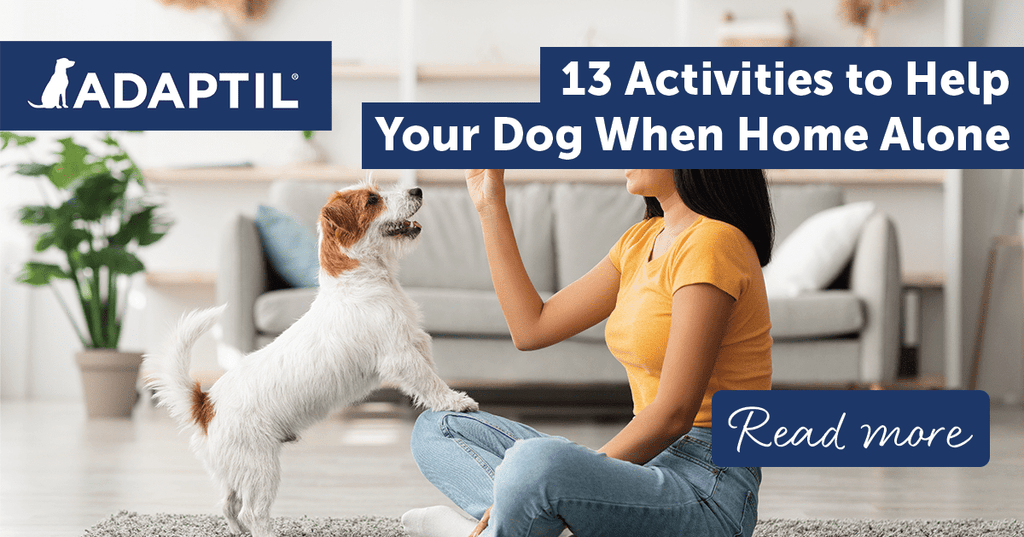
Credit: www.adaptil.co.uk
Preparing Your Dog For Alone Time
Preparing your dog for alone time builds trust and reduces stress. It helps your pet feel safe and calm when you are away. Start early to make the process smooth and positive. Each dog is different, so adapt the steps to fit your pet’s personality and needs.
Assessing Your Dog’s Readiness
Watch your dog’s behavior closely. Signs like calmness and independence show readiness. Pacing, barking, or chewing may mean anxiety. Try short absences first. Leave the room for a few minutes, then increase the time gradually. Notice how your dog reacts. A ready dog stays relaxed and quiet. If your dog shows stress, slow down the training.
Creating A Comfortable Space
Set up a safe, cozy area for your dog. Use a crate or a small room. Add soft bedding and favorite toys. Ensure the space has good light and ventilation. Avoid loud noises or distractions nearby. This area becomes a safe zone your dog trusts. Keep water accessible and remove anything harmful. A comfortable space lowers anxiety and encourages relaxation.
Establishing A Routine
Dogs love routines. Predictable schedules reduce worry. Feed your dog at the same times daily. Take regular walks before leaving. Play briefly to burn energy. Use a consistent goodbye ritual, like a calm pat. Return without big excitement to avoid stress. A steady routine helps your dog know what to expect. It builds confidence during alone time.
Training Steps To Build Independence
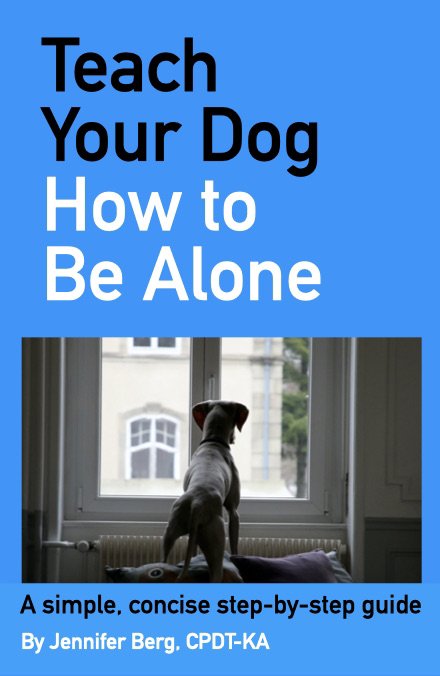
Building independence in your dog is key to leaving them home alone comfortably. Training should focus on gradual exposure to alone time. This helps reduce anxiety and teaches your dog that being alone is safe. Patience and consistency make the process smooth and effective.
Starting With Short Absences
Begin by leaving your dog alone for just a few minutes. Step outside the door, then come back quickly. Repeat this several times a day. This simple practice helps your dog get used to your absence. Keep these absences calm and quiet to avoid stress.
Using Positive Reinforcement
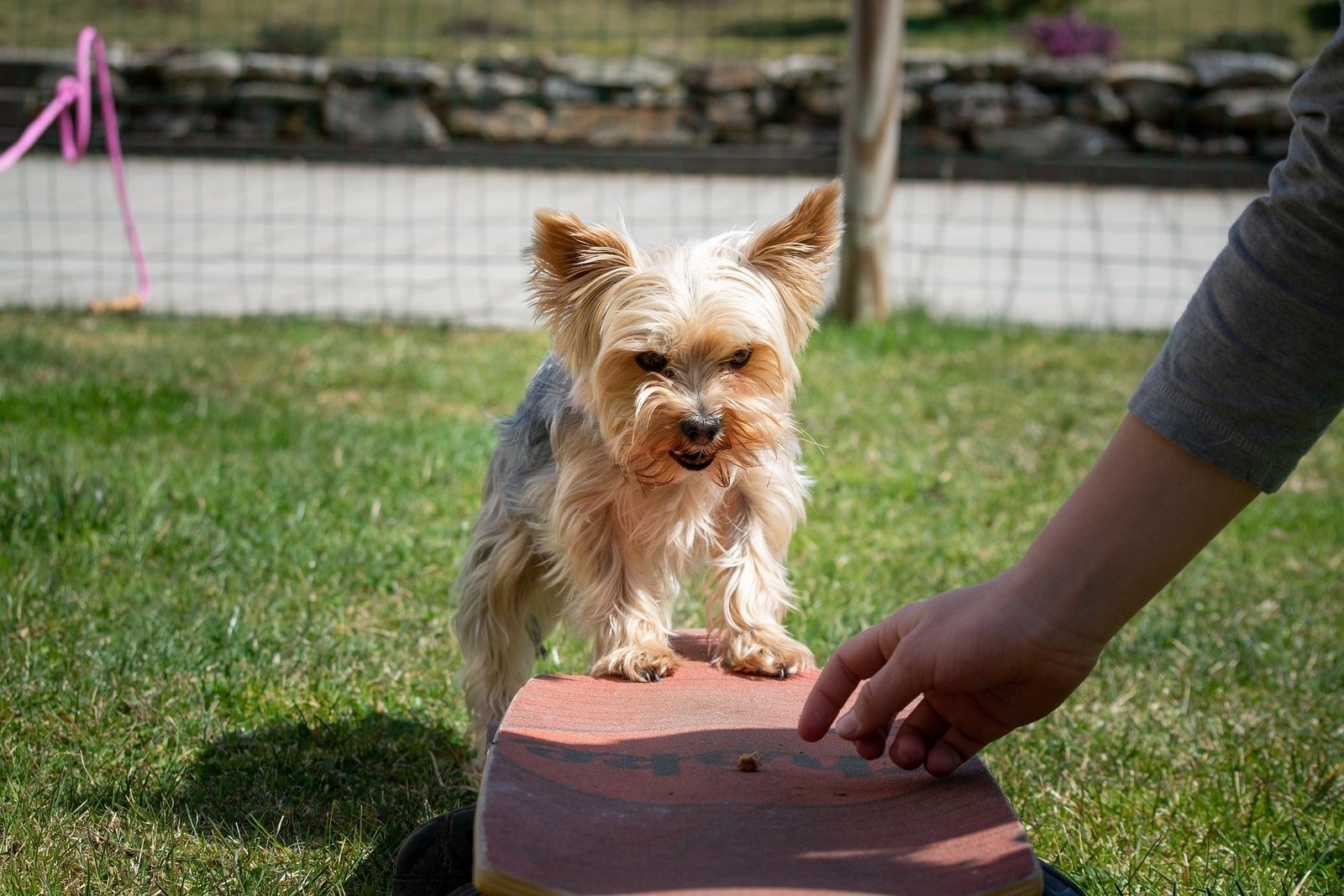
Reward your dog when they stay calm alone. Use treats, praise, or favorite toys as rewards. Positive reinforcement encourages good behavior. Avoid punishing your dog if they seem anxious. Instead, celebrate small successes to build confidence.
Gradually Increasing Alone Time
Slowly extend the time you leave your dog alone. Add a few minutes each day or every few days. Watch your dog’s reaction closely. If they stay relaxed, increase the time again. If they get anxious, reduce the time and try again later.
Managing Separation Anxiety
Managing separation anxiety is key to training your dog to stay home alone. Anxiety makes dogs feel scared or stressed when left alone. This can lead to destructive behavior or constant barking. Helping your dog feel calm and safe improves their comfort and your peace of mind.
Recognizing Anxiety Signs
Watch for signs showing your dog is anxious. These include:
- Excessive barking or howling
- Chewing or scratching doors and furniture
- Pacing or restlessness
- Drooling or panting more than usual
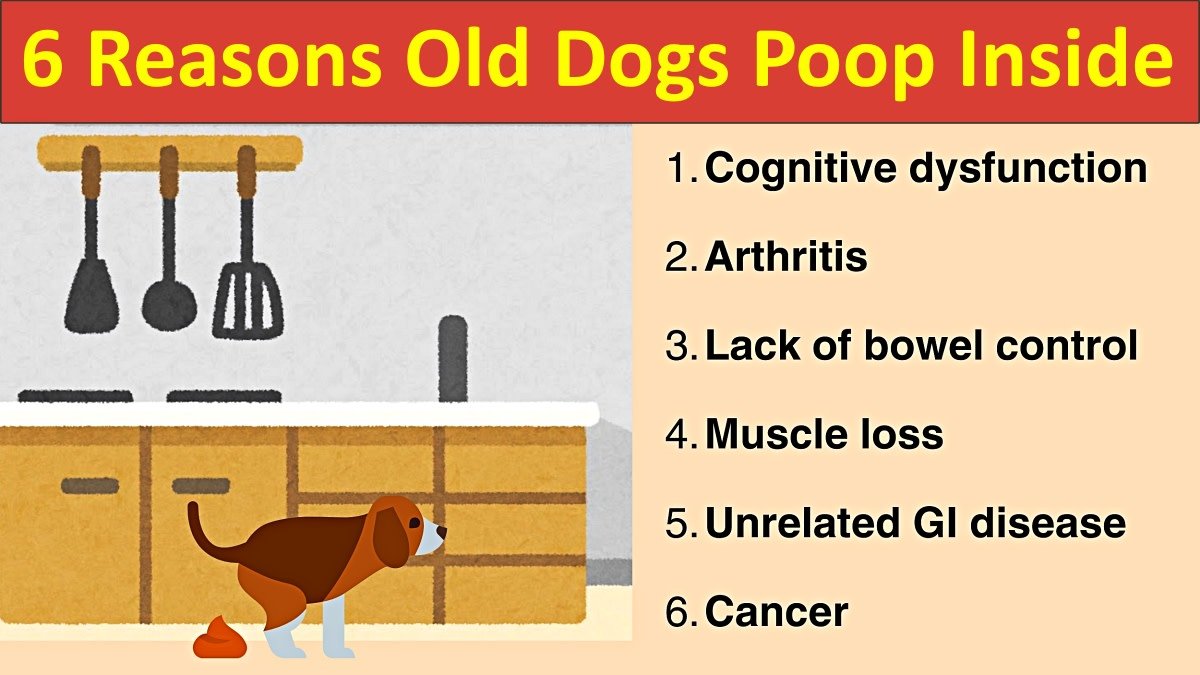
- Urinating or defecating inside the house
- Trying to escape the room or crate
Knowing these signs early helps you act quickly to calm your dog.
Calming Techniques And Tools
Use simple methods to reduce anxiety. Try these:
- Give your dog a favorite toy or chew treat
- Play soft music or white noise
- Use a calming vest or wrap for comfort
- Practice short alone times, then increase gradually
- Create a cozy space with bedding and water
- Leave a worn shirt with your scent nearby
Consistency and patience make these tools effective over time.
When To Seek Professional Help
Some dogs need extra support beyond home care. Contact a vet or trainer if your dog:
- Shows extreme panic or aggression
- Hurts themselves or others
- Does not improve despite calming efforts
- Has health problems that may worsen anxiety
Professionals can offer medication or special training plans. Early help prevents anxiety from getting worse.
Keeping Your Dog Engaged While Alone
Keeping your dog busy while alone helps reduce anxiety and boredom. Dogs need mental and physical activities to stay calm. Providing the right tools and environment makes alone time easier for your pet.
Interactive Toys And Puzzles
Interactive toys keep dogs focused and entertained. Puzzle feeders challenge their mind and reward with treats. Toys that move or make noise spark curiosity. Rotate toys often to maintain interest. These activities help dogs use energy in a positive way.
Background Noise And Comfort Items
Soft background noise soothes dogs and masks outside sounds. Leave a radio, TV, or white noise machine on low volume. Comfort items like a favorite blanket or toy provide security. Familiar smells help dogs feel safe and relaxed. These small touches reduce stress during alone time.
Exercise Before Leaving
Physical exercise tires dogs out and lowers restlessness. A walk or play session before leaving helps calm your dog. Tired dogs are more likely to rest and stay quiet. Exercise also boosts mood and reduces anxiety. Plan active time as part of your leaving routine.
Safety Tips For Leaving Your Dog Home Alone
Leaving your dog home alone requires careful preparation to ensure safety. Dogs can get anxious or curious, which might lead to accidents. Creating a secure and comfortable space helps your dog feel safe. Taking simple precautions lowers risks and protects your pet.
Securing The Environment
Remove items that your dog can chew or swallow. Block off areas that might be dangerous, like stairs or kitchens. Use baby gates or closed doors to limit access. Check electrical cords and keep them out of reach. Ensure windows and doors are locked to prevent escapes.
Food And Water Arrangements
Provide fresh water in a stable, spill-proof bowl. Give your dog enough food before you leave. Avoid leaving food out all day to prevent overeating. Use automatic feeders if needed, but test them first. Clean up any leftover food to avoid pests.
Emergency Preparedness
Leave your contact information and your vet’s number visible. Set up a trusted neighbor or friend to check on your dog. Keep a first aid kit handy for minor injuries. Make sure your dog wears an ID tag at all times. Prepare a list of emergency instructions for caregivers.

Credit: clichemag.com

Credit: eu.aqara.com
Frequently Asked Questions
How Long Can A Dog Stay Home Alone Safely?
Dogs can stay alone for up to four hours daily. Puppies and senior dogs need shorter durations. Gradually increase alone time to build comfort. Always provide water, toys, and a safe space to prevent anxiety or accidents.
What Are The Best Tips To Train A Dog Alone?
Start with short absences and reward calm behavior. Use crate training for security. Create a consistent routine for feeding and exercise. Avoid making a big deal when leaving or returning. Patience and positive reinforcement are key to success.
How To Prevent Separation Anxiety In Dogs?
Provide plenty of physical and mental exercise daily. Gradually increase alone time to build confidence. Use interactive toys and calming aids if needed. Avoid punishment for anxious behavior. Consult a vet or trainer for severe cases.
What Supplies Help Dogs When Left Home Alone?
Provide fresh water, comfortable bedding, and safe chew toys. Use puzzle feeders to keep your dog mentally engaged. Leave a piece of clothing with your scent for comfort. Consider a pet camera to monitor your dog remotely.
Conclusion
Training your dog to stay home alone takes patience. Start small. Gradually increase the time apart. Use treats and toys for comfort. Make home a safe and fun space. Consistency helps build trust and confidence. Monitor your dog's progress closely.
Celebrate small victories together. Stay calm and reassuring. A happy dog alone at home is possible. Your effort creates a peaceful environment. Both you and your dog will benefit. Remember, practice makes perfect. Keep practicing these techniques for the best results.
Enjoy the peace of mind with a well-trained pet.