
Have you ever found yourself wondering, "Why does my dog poop on my bed?" It’s confusing, frustrating, and honestly, a little upsetting.
Your bed is supposed to be a safe, clean space, not a surprise bathroom. But before you get angry or worried, there are reasons behind this strange behavior that you might not know. Understanding why your dog is doing this can help you fix the problem faster and keep your bed—and your relationship with your furry friend—happy and healthy.
Keep reading to uncover the surprising causes and simple solutions that can change this habit for good.
Common Causes Of Bed Pooping
Finding dog poop on your bed can be confusing and frustrating. Understanding why this happens is the first step to stopping it. There are several common causes behind this unusual behavior that relate to health, behavior, and emotional well-being.
Medical Issues To Consider
Sometimes, your dog’s bed pooping could be a sign of a medical problem. Digestive issues like diarrhea or infections can cause accidents in unusual places. If your dog suddenly starts pooping on the bed, a vet visit is a smart move to rule out illnesses.
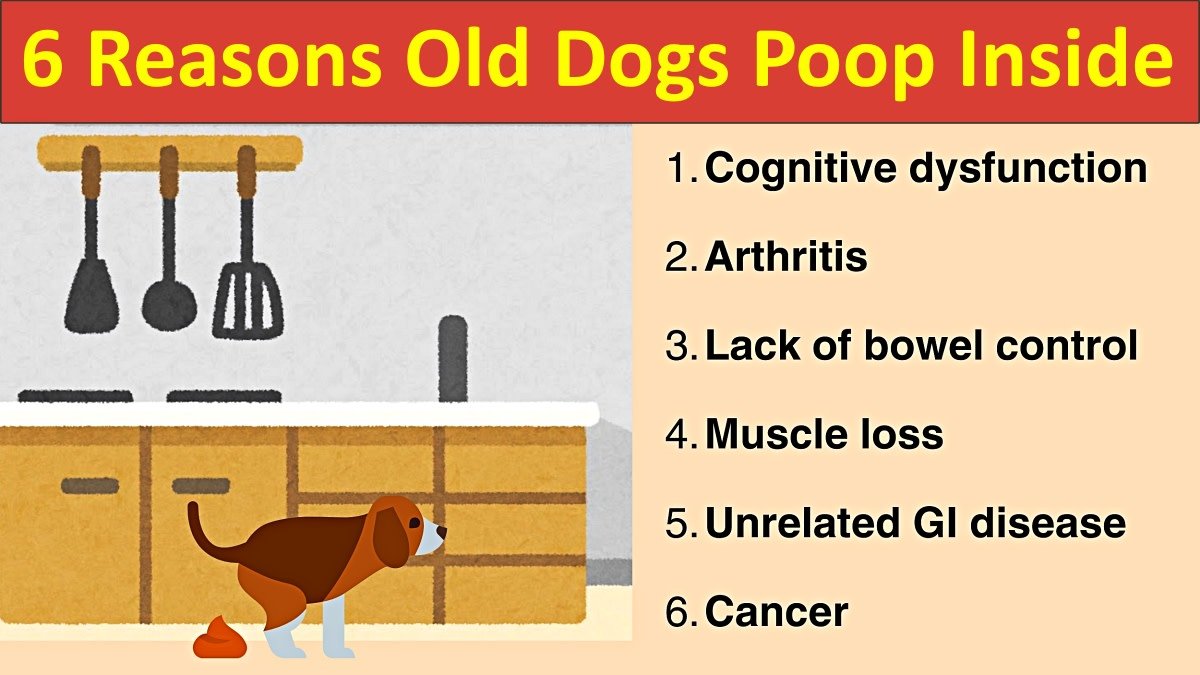
Older dogs might have trouble controlling their bowels due to age-related conditions. Conditions like inflammatory bowel disease or parasites can also lead to accidents. Noticing any other symptoms like vomiting or lethargy alongside bed pooping should prompt immediate medical attention.
Behavioral Triggers
Dogs communicate through their behavior, and pooping on the bed can be a message. It might be a way to mark their territory or get your attention. If your dog feels neglected or wants to assert dominance, this behavior can show up.
Sometimes changes in your routine or environment can confuse your dog. New furniture, guests, or changes in sleeping arrangements may trigger this unwanted habit. Have you noticed if the behavior started after a specific event?
Stress And Anxiety Factors
Stress can cause dogs to act out in unexpected ways, including pooping on your bed. Separation anxiety is a common trigger, especially if your dog is left alone for long periods. The bed might feel like a safe place, so they choose it during stressful moments.
Other anxiety triggers include loud noises, changes in household dynamics, or lack of exercise. Finding ways to reduce your dog’s stress, like daily walks or calming toys, can help prevent accidents. How does your dog behave in other stressful situations?
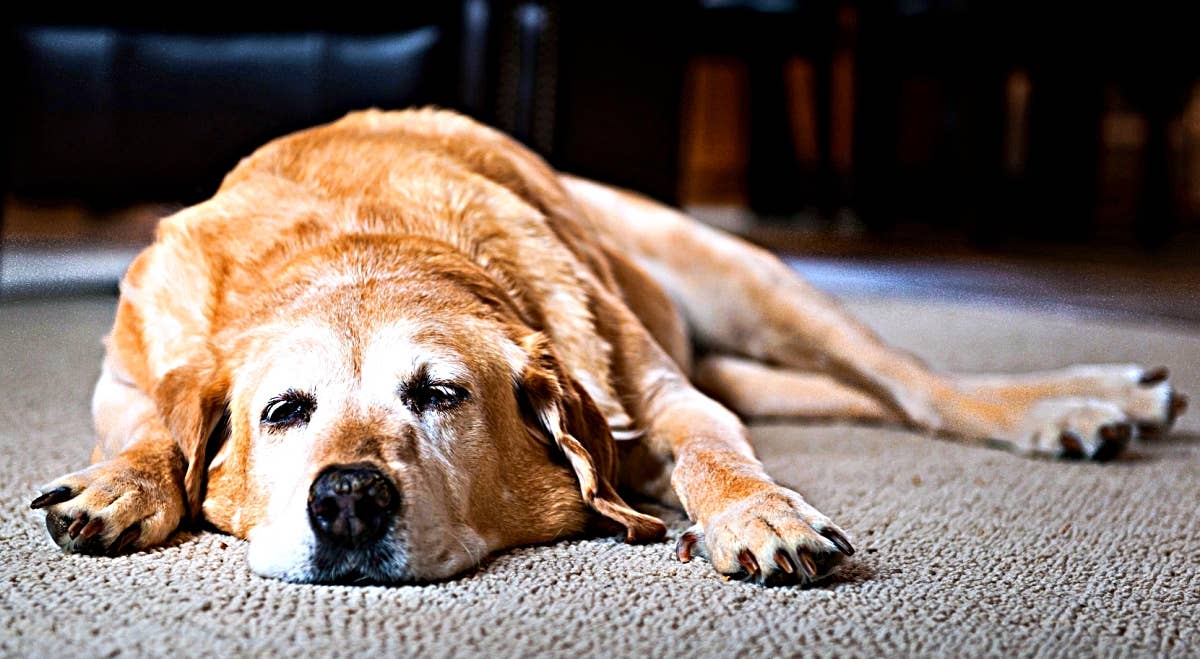
Credit: pethelpful.com
Environmental Influences
Environmental factors often play a big role in why your dog might choose your bed as their bathroom spot. Dogs are sensitive to changes around them, and even small shifts can cause stress or confusion that leads to accidents. Understanding these influences can help you address the root cause more effectively.
Changes In Routine
Has your daily schedule shifted recently? Dogs thrive on consistency, so when you alter feeding times, walks, or play sessions, your dog might feel unsettled. This disruption can make them anxious, leading to behaviors like pooping on your bed.
Think about a time you changed your routine—did your dog’s behavior change too? Sometimes, even a new work schedule or a change in who is home during the day can cause your dog to act out in unusual ways.
Unfamiliar Surroundings
Moving to a new house or even rearranging furniture can confuse your dog. They may not recognize the new layout, so they struggle to find their usual bathroom spots. Your bed, being a familiar and safe place, can become a substitute.
Have you noticed your dog acting differently after a trip or a visit to a friend’s home? Unfamiliar smells and sounds can increase their stress levels and disrupt their bathroom habits.
Lack Of Proper Bathroom Access
If your dog doesn’t have easy access to an appropriate bathroom area, accidents are more likely. This can happen if the outdoor space is hard to reach or if you’re not giving enough frequent potty breaks.
Ask yourself: Is your dog able to go outside whenever needed? If not, your dog may resort to indoor places that feel safe, like your bed. Providing clear and easy access to a designated bathroom spot is crucial.
Attention-seeking Behavior
Dogs are masters at using behavior to get your attention, especially when they feel ignored or lonely. Pooping on your bed is not just a strange habit; it can be a clear sign your dog wants you to notice them. This type of attention-seeking behavior often points to deeper emotional needs that your dog is trying to express.
How Dogs Communicate Needs
Dogs don’t speak words, but their actions speak volumes. When your dog poops on your bed, they might be signaling that they feel neglected or stressed. You might have noticed other signs too, like excessive barking or pawing at you when you’re busy.
Think about a time when your dog did something unusual to get your focus. Did you respond? If not, your dog may escalate behaviors to make sure you pay attention. Understanding these signals helps you respond better and avoid reinforcing unwanted actions.
Impact Of Negative Reinforcement
Punishing your dog for pooping on the bed can backfire. It might increase anxiety or make your dog act out more to get your attention. Instead of solving the problem, negative reactions often make dogs feel more insecure and desperate.
Imagine your dog is already feeling ignored and then gets scolded for trying to connect with you. This can create a confusing cycle where your dog’s attempts to communicate lead to punishment, which then fuels more attention-seeking behavior.
Try rewarding calm, positive behaviors instead. When your dog seeks attention appropriately, give them affection or playtime. This teaches your dog the best ways to get your focus without resorting to pooping on your bed.
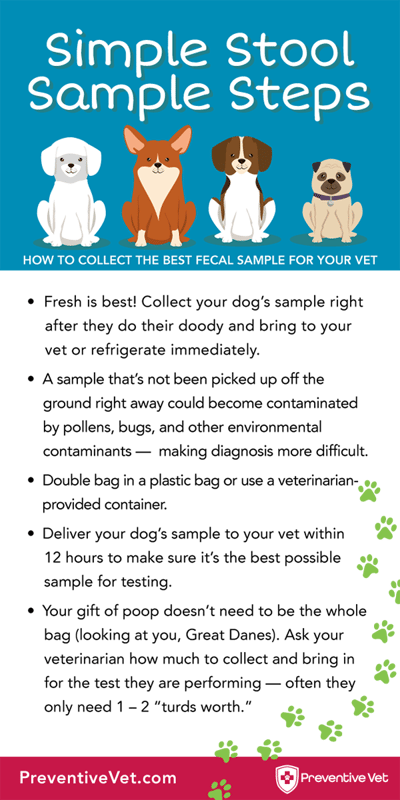
Credit: www.preventivevet.com
Training And Prevention Tips
Training your dog helps stop bed pooping. Prevention needs patience and clear actions. Dogs learn best with simple rules and steady routines. This section shows easy ways to train your dog. Follow these tips to keep your bed clean and happy.
Effective House Training Techniques
Start by setting a regular bathroom schedule. Take your dog out often, especially after meals or naps. Use consistent commands like “go potty” to signal bathroom time. Watch for signs your dog needs to go, such as sniffing or circling. Praise your dog immediately after they go outside. Clean accidents with enzyme cleaners to remove smells. Avoid punishment as it can cause fear or confusion.
Creating A Comfortable Bathroom Spot
Choose a quiet, easy-to-access place outdoors for bathroom breaks. Keep this spot clean and free from distractions. Use the same area each time to build habit. Bring your dog to this spot after meals and play. Make the area inviting with soft grass or a flat surface. This helps your dog feel safe and relaxed when going.
Using Positive Reinforcement
Reward your dog with treats and praise after they go in the right place. Use a happy voice and petting to encourage good behavior. Give rewards immediately to connect the action and praise. Avoid scolding for accidents; focus on good moments instead. Positive reinforcement builds trust and makes learning fun. Keep rewards small and consistent for best results.
When To Consult A Veterinarian
Noticing your dog pooping on your bed can signal more than bad behavior. It might indicate health problems that need urgent care. Knowing when to consult a veterinarian helps protect your dog’s well-being and prevents future accidents.
Signs Of Health Concerns
- Sudden changes in bathroom habits
- Visible discomfort or pain while pooping
- Diarrhea or loose stools lasting more than two days
- Blood or mucus in the stool
- Frequent licking of the anal area
- Loss of appetite or weight loss
- Unusual lethargy or weakness
These signs may indicate infections, digestive issues, or other medical conditions. Ignoring these symptoms can worsen your dog’s health.
Diagnostic Tests And Treatments
The veterinarian will perform a physical exam and ask about your dog’s habits. They might recommend tests such as:
- Fecal analysis to check for parasites or bacteria
- Blood tests to assess organ function
- X-rays or ultrasound for internal issues
Treatment depends on the diagnosis. It can include medication, dietary changes, or special care plans. Prompt veterinary attention ensures your dog recovers quickly and avoids repeated accidents on your bed.
Credit: bullybeds.com
Frequently Asked Questions
Why Does My Dog Poop On My Bed Suddenly?
Dogs may poop on beds due to stress, anxiety, or medical issues. Changes in routine or environment can cause this behavior. Consult a vet to rule out health problems. Address emotional triggers by providing comfort and consistent training.
Can Medical Problems Cause Dogs To Poop On Beds?
Yes, medical issues like digestive problems or incontinence can cause bed pooping. A vet checkup is essential to diagnose underlying health concerns. Treating medical conditions often resolves this unwanted behavior quickly and effectively.
How Can I Stop My Dog From Pooping On My Bed?
Identify and address the cause, such as anxiety or illness. Increase bathroom breaks and provide positive reinforcement for outdoor pooping. Clean accidents thoroughly with enzymatic cleaners to remove odors and prevent repeat incidents.
Is My Dog Marking Territory By Pooping On My Bed?
Dogs usually mark territory by urinating, not defecating. Pooping on the bed is more likely a sign of stress, confusion, or medical issues. Observe your dog’s behavior and consult a vet or trainer for guidance.
Conclusion
Understanding your dog's behavior takes time and patience. Identify triggers that lead to bed accidents. Consider stress, anxiety, or medical issues. Consult a vet if problems persist. Training helps reinforce positive habits. Clean accidents quickly to remove any scents. Establish a consistent routine for walks and play.
Your dog's comfort and well-being matter most. Stay calm and supportive during training. With care and attention, you can solve this issue. Enjoy a happier relationship with your furry friend. Your bed will remain a clean, cozy spot again.