Is your dog's constant barking in the kennel driving you up the wall? You're not alone.
Many pet owners struggle with this noisy challenge, but the good news is that there are effective ways to bring peace back to your home. Imagine a calm and quiet environment where your furry friend feels at ease, and you can finally relax without the incessant sound of barking.
We’ll dive into proven strategies to help you understand why your dog might be barking and how to effectively address it. Let's turn down the volume and boost the harmony between you and your canine companion. Read on to discover the secrets to a quieter, happier kennel experience.
Reasons Dogs Bark In Kennels
Dogs barking in kennels can be frustrating for both you and your furry friend. Understanding why your dog barks is the first step to calming them down. Barking is often a sign of something deeper going on, and knowing the reason helps you address the root cause effectively.
Separation Anxiety
Many dogs bark in their kennels because they feel anxious when left alone. They see your absence as a threat and try to call you back with persistent barking. If your dog follows you around constantly and panics when you leave, separation anxiety might be the cause.
Have you noticed your dog pacing or drooling excessively before barking? These signs often go hand in hand with anxiety. Helping your dog feel safe and secure can significantly reduce kennel barking.
Boredom And Lack Of Stimulation
Dogs are intelligent animals that need mental and physical activity. When stuck in a kennel with nothing to do, they might bark out of boredom. This behavior can be your dog’s way of expressing frustration and asking for engagement.
Think about your dog's daily routine—are they getting enough exercise and playtime? Adding puzzle toys or safe chew items to the kennel can keep them busy and quiet. How often do you rotate their toys to keep things interesting?
Fear And Stress
New environments, loud noises, or unfamiliar smells can make a dog feel scared or stressed in a kennel. Barking becomes a way to express discomfort or a cry for help. If your dog freezes or tries to hide, barking is their way of coping.
Observe your dog's body language closely—are their ears back or tail tucked? Creating a calm and cozy space inside the kennel can ease their fear. What small changes can you make to make the kennel feel like a safe haven?
Attention-seeking Behavior
Sometimes, barking is simply a way to get your attention. If your dog learns that barking leads to being let out or receiving treats, they might use it as a tool. This creates a cycle that can be hard to break if not addressed early.
Ask yourself: Do you respond immediately when your dog barks in the kennel? Timing your response carefully can teach your dog when it’s okay to bark and when it’s not. How can you reward quiet behavior instead of noisy demands?
Creating A Calm Kennel Environment
Creating a calm kennel environment helps reduce barking and stress for your dog. A peaceful space makes your dog feel safe and relaxed. Small changes in the kennel setup can have a big effect on your dog's behavior. Focus on comfort, quiet, and a good location for the kennel.
Choosing The Right Kennel Location
Place the kennel in a quiet area of your home. Avoid spots near loud appliances or busy doorways. Keep the kennel away from direct sunlight or cold drafts. A calm corner with less foot traffic works best. This helps your dog feel secure and less likely to bark.
Comfortable Bedding And Toys
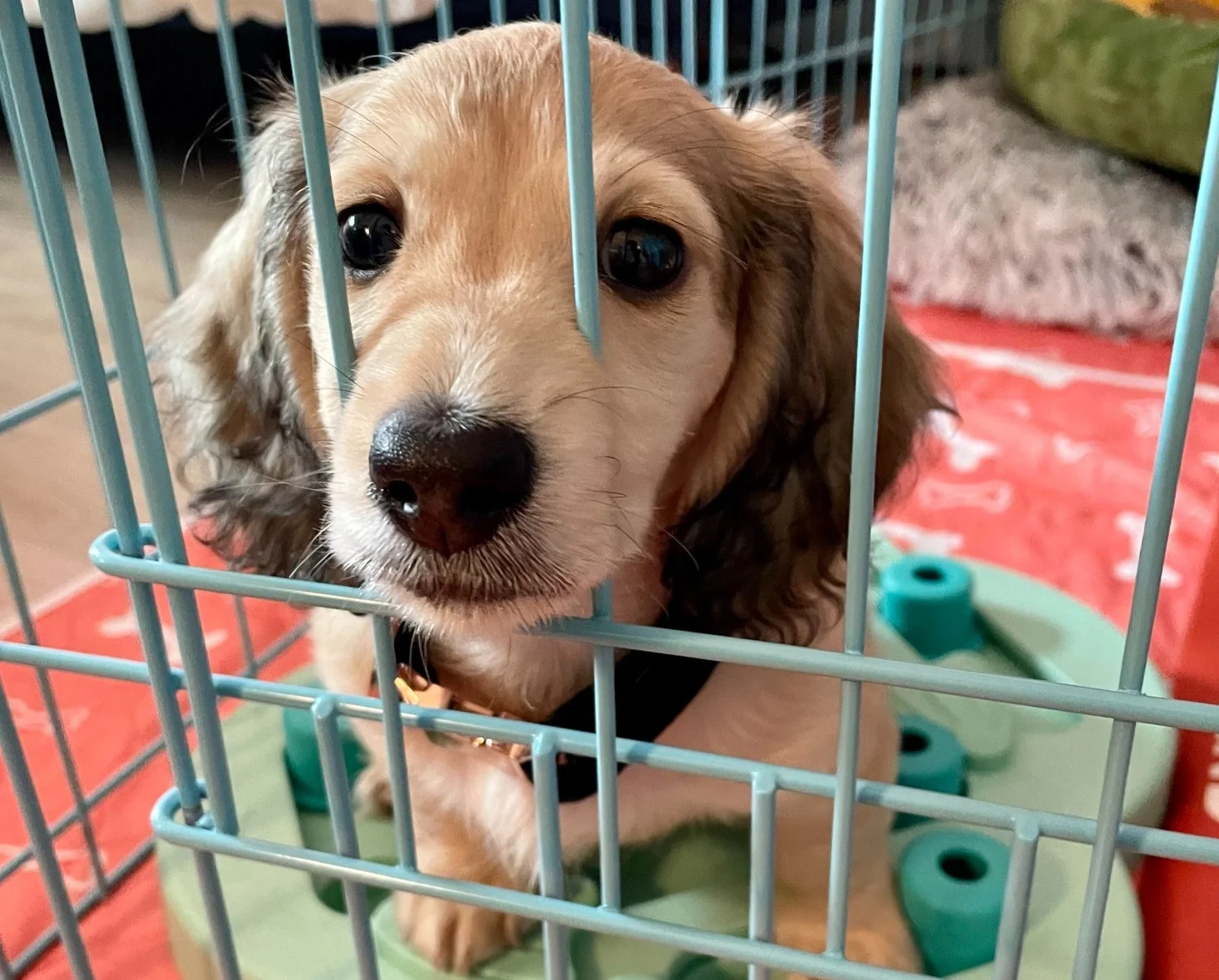
Provide soft bedding to make the kennel cozy. Use blankets or a dog bed that fits well inside. Add a few favorite toys to keep your dog entertained. Chew toys or puzzle toys can reduce boredom and anxiety. Comfortable surroundings calm your dog and lower barking.
Minimizing Noise And Distractions
Block out loud noises that trigger barking. Use white noise machines or soft music to mask sounds. Close windows to reduce outside noise like cars or other animals. Keep the kennel area free from sudden movements or distractions. A quiet space helps your dog stay calm and quiet.
Training Techniques To Reduce Barking
Reducing barking in a kennel takes patience and consistent training. You need techniques that calm your dog without causing stress. The right approach helps your dog feel secure and quiet inside their space.
Positive Reinforcement
Reward your dog when they stay calm and quiet in the kennel. Use treats, praise, or a favorite toy to encourage good behavior.
Catch your dog in the act of being quiet, then immediately give a reward. This helps them connect silence with positive outcomes.
Try to keep training sessions short but frequent. Dogs learn faster when rewards are consistent and timely.
Desensitization And Counter-conditioning
Gradually expose your dog to the things that trigger barking, but at a low level they can handle without reacting.
For example, if your dog barks at noises outside the kennel, play those sounds softly and reward calm behavior.
Slowly increase the intensity over days or weeks. This teaches your dog that these triggers are not threats.
Teaching The Quiet Command
Start by letting your dog bark once or twice, then say “quiet” in a calm but firm voice.
When your dog stops barking, even for a moment, immediately praise or give a treat.
Repeat this until your dog understands that “quiet” means to stop barking. This command gives you control and helps your dog feel guided.
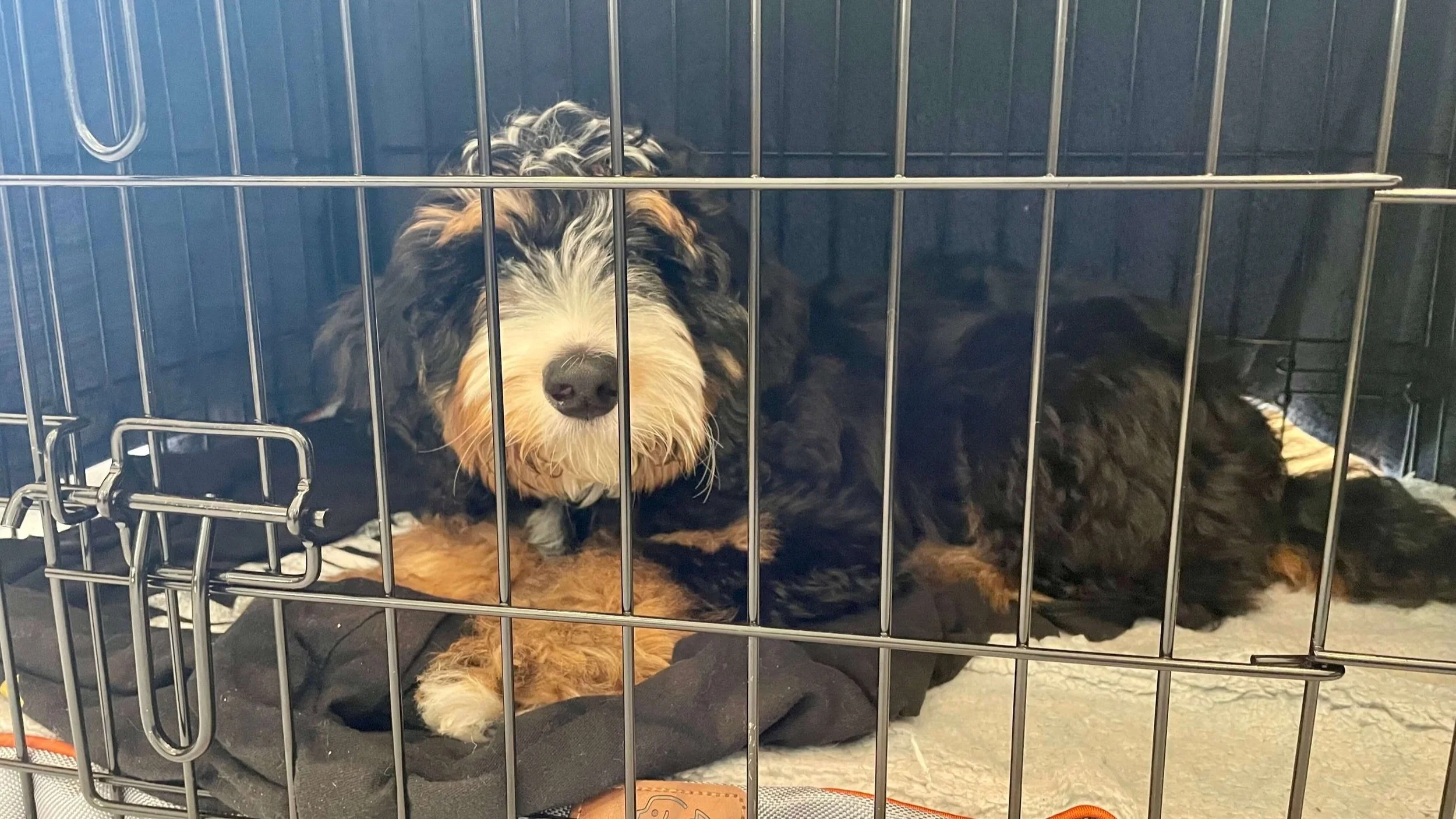
Credit: www.dogsavvylosangeles.com
Using Exercise And Mental Stimulation
Keeping your dog calm and quiet in their kennel often comes down to how much energy they have left to burn. Dogs that are full of energy tend to bark more, especially when confined. Using exercise and mental stimulation can reduce this barking by helping your dog feel more relaxed and satisfied.
Daily Physical Activity
Regular exercise tires your dog out in a healthy way. A tired dog is less likely to bark out of boredom or frustration. Aim to give your dog at least 30 minutes to an hour of physical activity every day.
This can include:
- Walking or jogging around the neighborhood
- Playing fetch in the yard or park
- Running through agility courses or obstacle challenges
Think about your own experience—when you’re physically worn out, you’re less likely to feel restless or noisy. Your dog feels the same way. Have you noticed how your dog behaves after a long walk?
Interactive Toys And Puzzles
Exercise isn’t just physical; mental challenges are equally important. Interactive toys and puzzles keep your dog’s brain busy, reducing the urge to bark for attention or from boredom.
Try toys that:
- Dispense treats when solved
- Require your dog to move pieces to get a reward
- Engage your dog in problem-solving activities
When my dog started using a treat puzzle, her barking in the kennel dropped significantly. She was focused on the game instead of feeling restless. What kinds of toys does your dog enjoy? Adding new puzzles regularly can keep things exciting and challenging.
Tools And Aids For Bark Control
Finding the right tools and aids to control your dog's barking in a kennel can make a huge difference in creating a calm environment. These aids work alongside your training efforts, helping to reduce stress and unwanted noise. Choosing the right support can improve your dog's comfort and your peace of mind.
Calming Collars And Sprays
Calming collars release natural scents like lavender or pheromones that help soothe your dog. These scents mimic the feeling of safety and can reduce anxiety that triggers barking. I once used a calming collar with my anxious Labrador, and the change was noticeable within days—he settled faster and barked less.
Sprays work similarly but can be applied to bedding or the kennel area. They offer a quick way to create a relaxing space, especially if your dog is new to the kennel. Try combining collars and sprays to maximize calmness.
White Noise Machines
White noise machines can mask sudden sounds that cause your dog to bark. They provide a consistent background noise that helps your dog feel less startled by outside distractions. If your dog barks at every little noise, a white noise machine might just be the simple fix you need.
Using a white noise machine in your dog's kennel can also mimic the comforting hum of household sounds. This creates a familiar atmosphere that reduces anxiety. Have you noticed how silence sometimes makes barking worse? Filling the space with gentle noise can change that dynamic.
Avoiding Shock Collars
Shock collars may seem like a quick solution but often cause fear and worsen barking problems. They can damage your dog's trust and lead to more anxiety. Instead, focus on positive tools that support your dog’s well-being.
Using aversive tools like shock collars often results in short-term silence but long-term behavioral issues. Your goal should be to help your dog feel safe and calm, not scared. What kind of relationship do you want to build with your dog during training?

Credit: sirusgreen.com
When To Seek Professional Help
Knowing when to seek professional help is key to managing your dog’s barking in a kennel. Some behaviors need expert attention to keep your pet calm and happy. Recognizing these signs early can prevent stress for both you and your dog.
Signs Of Severe Anxiety
Severe anxiety shows in repeated, loud barking that does not stop. Your dog may also:
- Pace or try to escape the kennel
- Show trembling or shaking
- Refuse to eat or drink
- Display destructive behavior inside the kennel
- Have excessive drooling or panting
These signs suggest your dog is very stressed and needs help beyond basic training.
Consulting A Trainer Or Veterinarian
Professional trainers can teach techniques to reduce barking and anxiety. They tailor advice to your dog’s needs and personality. Veterinarians check for medical issues that cause distress or barking.
Veterinary help is important if your dog shows physical signs of stress. Trainers and vets often work together for the best care. Early consultation improves your dog’s comfort and behavior in the kennel.
Credit: www.youtube.com
Frequently Asked Questions
How Can I Stop My Dog Barking In The Kennel?
Provide comfort, toys, and regular breaks. Use positive reinforcement to reward quiet behavior. Avoid leaving your dog alone for long periods.
Why Does My Dog Bark Excessively In The Kennel?
Dogs bark due to boredom, anxiety, or discomfort. Lack of exercise and social interaction can increase barking inside kennels.
What Are Effective Training Methods To Reduce Kennel Barking?
Use consistent commands, reward calmness, and ignore barking. Gradually increase kennel time to help your dog adjust.
Can Crate Size Affect My Dog's Barking In The Kennel?
Yes, an overcrowded or too-large crate can cause discomfort or anxiety. Choose the right size for your dog's comfort.
Conclusion
Stopping your dog from barking in the kennel takes time and patience. Use calm, gentle training every day. Give your dog comfort and clear signals. Avoid yelling or punishment; it can make barking worse. Create a safe, quiet space for your pet.
Remember, consistency helps your dog learn faster. Soon, the kennel will be a calm, happy place. Keep trying, and enjoy peaceful moments with your dog.