Training your dog to poop on a pad can save you time, protect your floors, and make life easier—especially if you live in an apartment or have a busy schedule. But getting your furry friend to use the pad consistently might seem tricky at first.
Don’t worry—you can teach your dog this important habit with the right steps. In this guide, you’ll discover simple and effective tips that make the process smooth for both you and your pet. Keep reading, and soon your dog will know exactly where to go when nature calls.
Choosing The Right Pad
Choosing the right pad is crucial for successful potty training with your dog. The right pad makes cleanup easier and encourages your dog to use it consistently. Let’s look at what to consider when picking the perfect pad for your furry friend.
Types Of Dog Pads
There are several types of dog pads available, each with its pros and cons. Some pads come with a plastic backing to prevent leaks, while others are made with biodegradable materials for eco-conscious owners.
- Regular Pads:Basic absorbent pads that are affordable and easy to find.
- Training Pads with Attractant:These have a scent to encourage your dog to use them.
- Washable Pads:Reusable and eco-friendly but require washing.
- Disposable Biodegradable Pads:Good for the environment and convenient for travel.
Think about your lifestyle and your dog’s habits. Would you prefer convenience or sustainability?
Size And Absorbency
Size matters when selecting a pad. A pad that’s too small can lead to accidents outside the pad, frustrating both you and your dog.
Absorbency is equally important. Higher absorbency pads can handle larger messes and reduce odors. For puppies or bigger dogs, opt for extra-large pads with strong absorbency to keep the area dry and clean.
Ask yourself: How often will you change the pad? Choosing a pad with the right absorbency can save you time and effort.
Placement Tips
Where you place the pad affects your dog’s willingness to use it. Choose a quiet, low-traffic area that your dog feels comfortable visiting.
Keep the pad consistent in its location to avoid confusing your dog. If you need to move it, do so gradually by shifting it just a few inches each day.
Consider placing a mat underneath to protect your floors and make cleanup even easier. Have you noticed how your dog behaves around certain rooms? Use that insight to pick the ideal spot.
Credit: greensafaris.com
Preparing Your Dog
Preparing your dog to use a potty pad takes patience and clear steps. Dogs need to feel comfortable and understand what is expected. This phase helps them adjust to a new habit. Start slow and be consistent.
Introducing The Pad
Place the potty pad in a quiet, accessible spot. Let your dog sniff and explore it. Avoid forcing your dog onto the pad. Use gentle encouragement and praise when your dog shows interest. Keep the area clean to make it inviting.
Establishing A Routine
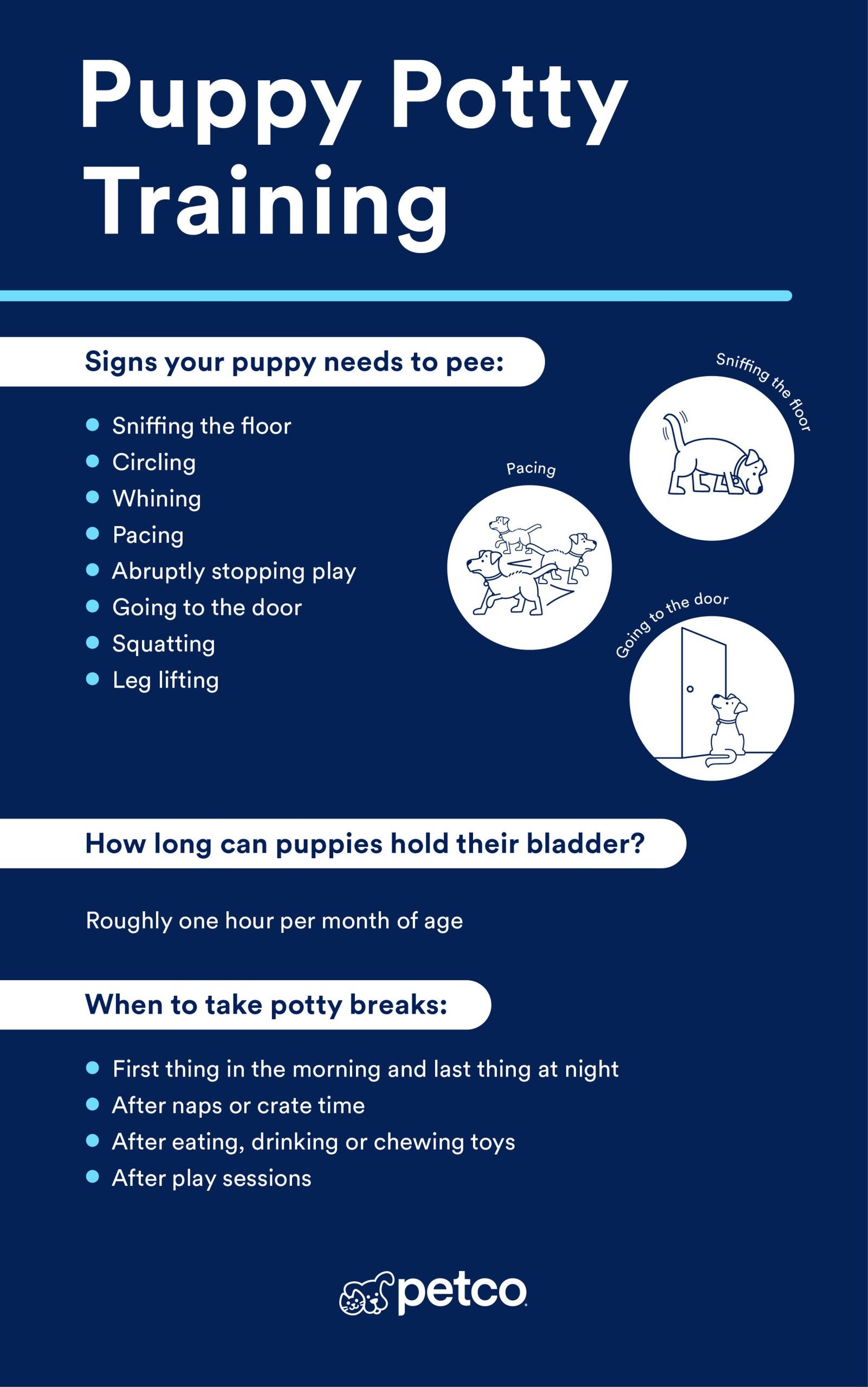
Set regular times for bathroom breaks near the pad. Watch for signs your dog needs to go, like sniffing or circling. Take your dog to the pad after meals and naps. Consistency helps your dog learn faster. Reward your dog with treats or praise after using the pad.
Using Commands
Choose a simple word or phrase like "go potty" or "use pad." Say the command clearly each time you bring your dog to the pad. Speak in a calm, encouraging tone. Repeat the command until your dog associates it with the action. Celebrate success with positive reinforcement.
Training Techniques
Training your dog to poop on a pad requires patience and a clear strategy. Using the right techniques can make the process smoother for both you and your pet. Let’s dive into some effective training techniques that help guide your dog toward success.
Positive Reinforcement
Rewarding your dog immediately after they use the pad encourages them to repeat the behavior. Use treats, praise, or playtime as a reward right after your dog poops on the pad.
One time, I noticed my dog hesitating, so I gave extra praise and a favorite treat the moment he finished on the pad. That small encouragement helped him understand what I wanted.
Have you tried pairing rewards with a consistent command or cue? This connection makes it easier for your dog to associate the pad with positive outcomes.
Supervision And Timing
Keep an eye on your dog, especially during times they usually need to go, like after meals or naps. This helps you catch signs that they’re about to poop and guide them to the pad quickly.
Set a schedule and take your dog to the pad regularly. Consistency builds a routine that your dog can follow naturally.
Think about how often your dog needs to go—are you matching the timing? Adjust your supervision to fit your dog’s unique habits.
Handling Accidents
Accidents are part of the learning process, so stay calm and avoid punishment. Instead, clean the area thoroughly to remove any lingering smells that might attract your dog back to the same spot.
If your dog has an accident, gently redirect them to the pad. This teaches them where you want them to go without causing fear or confusion.
Have you noticed patterns in when or where accidents happen? Identifying triggers can help you prevent future mistakes and improve your training approach.

Credit: aminpetshop.com
Maintaining Consistency
Maintaining consistency is key when training your dog to use a potty pad. Dogs thrive on routine. Consistent habits help them learn faster and reduce accidents. Sticking to a regular schedule and environment makes the process smoother for both you and your pet.
Regular Cleaning
Keep the potty pad clean and fresh. Change the pad frequently to avoid bad smells. A dirty pad can confuse your dog and cause them to avoid it. Use gentle cleaners that do not leave strong scents. This keeps the area inviting and hygienic.
Adjusting Pad Location
Place the pad in the same spot at first. Once your dog is comfortable, you can move it slowly. Shift the pad a few inches each day towards the desired final spot. Sudden moves may confuse your dog. Small steps help your dog adapt without stress.
Gradual Transitioning
Slowly reduce the number of pads if you want to change locations. Let your dog get used to the new spot before removing old pads. Praise your dog for using the pad correctly. Patience is important. A gradual approach builds confidence and success.
Troubleshooting Common Issues
Training your dog to use a potty pad can sometimes hit a few bumps. You might find your dog ignoring the pad, turning it into a chew toy, or suddenly stopping to use it after making progress. These issues can be frustrating, but understanding why they happen helps you fix them faster.
Ignoring The Pad
If your dog completely ignores the potty pad, it could be because the pad isn’t in a good spot. Dogs prefer quiet, low-traffic areas for bathroom breaks. Try moving the pad to a more secluded corner where your dog feels safe.
Also, check if the pad smells fresh. Dogs rely heavily on scent, so a dirty or old-smelling pad might turn them off. Replace the pad regularly and use a little bit of your dog’s urine on a new pad to attract them.
Ask yourself: Have you been consistent with taking your dog to the pad after meals or naps? Timing is key to building the habit. If you’ve been inconsistent, your dog might not connect the pad with bathroom breaks.
Chewing Or Playing With The Pad
Some dogs see the potty pad as a fun toy rather than a toilet. If your dog chews or plays with the pad, redirect their attention immediately. Offer a chew toy or engage them in a quick game to break the habit.
Using a sturdier, thicker pad can also help. Thin pads tear easily and invite chewing. You can even tape the pad down to prevent your dog from pulling it around.
Think about your dog’s energy levels. Are they getting enough exercise? Sometimes chewing is a sign of boredom or stress, so extra walks or playtime may reduce this behavior.
Regression Problems
Dogs can regress after making progress for many reasons like stress, changes in routine, or health issues. If your dog starts having accidents off the pad, first rule out any medical problems by consulting your vet.
Next, revisit your training routine. Go back to supervising your dog closely and reward them immediately when they use the pad correctly. Consistency will help them regain the habit.
Have there been recent changes at home? New pets, visitors, or changes in schedule can confuse your dog. Patience and gentle encouragement will rebuild their confidence with the pad.

Credit: primdog.ie
Frequently Asked Questions
How Long Does It Take To Train A Dog To Use A Pad?
Training time varies but usually takes 1 to 3 weeks. Consistency and positive reinforcement speed up the process. Puppies may need more time than adult dogs. Patience and regular schedule help your dog learn faster.
What Type Of Pad Is Best For Dog Training?
Choose absorbent, leak-proof pads with a scent attractant. Size should fit your dog comfortably. Disposable or washable pads are both effective. Quality pads reduce mess and encourage proper use.
How Often Should I Change The Dog’s Potty Pad?
Change the potty pad immediately after your dog uses it. Frequent changes keep the area clean and odor-free. Regular replacement prevents accidents and encourages consistent use. Clean surroundings promote good potty habits.
Can All Dog Breeds Learn To Use A Potty Pad?
Yes, all breeds can learn with proper training and patience. Smaller breeds adapt faster due to smaller bladder capacity. Larger breeds may need more space and time. Consistent routine and rewards work for every breed.
Conclusion
Training your dog to use a pad takes patience and consistency. Stick to a routine. Reward your dog for successful attempts. This builds positive habits. Ensure the pad is easily accessible. Choose a quiet spot for it. Avoid distractions around the pad area.
Be patient with setbacks. They are part of the learning process. Keep calm and stay supportive. Your dog will eventually learn. Celebrate each small success. This encourages both you and your pet. Consistency makes training successful. Your efforts will pay off.
Happy training!