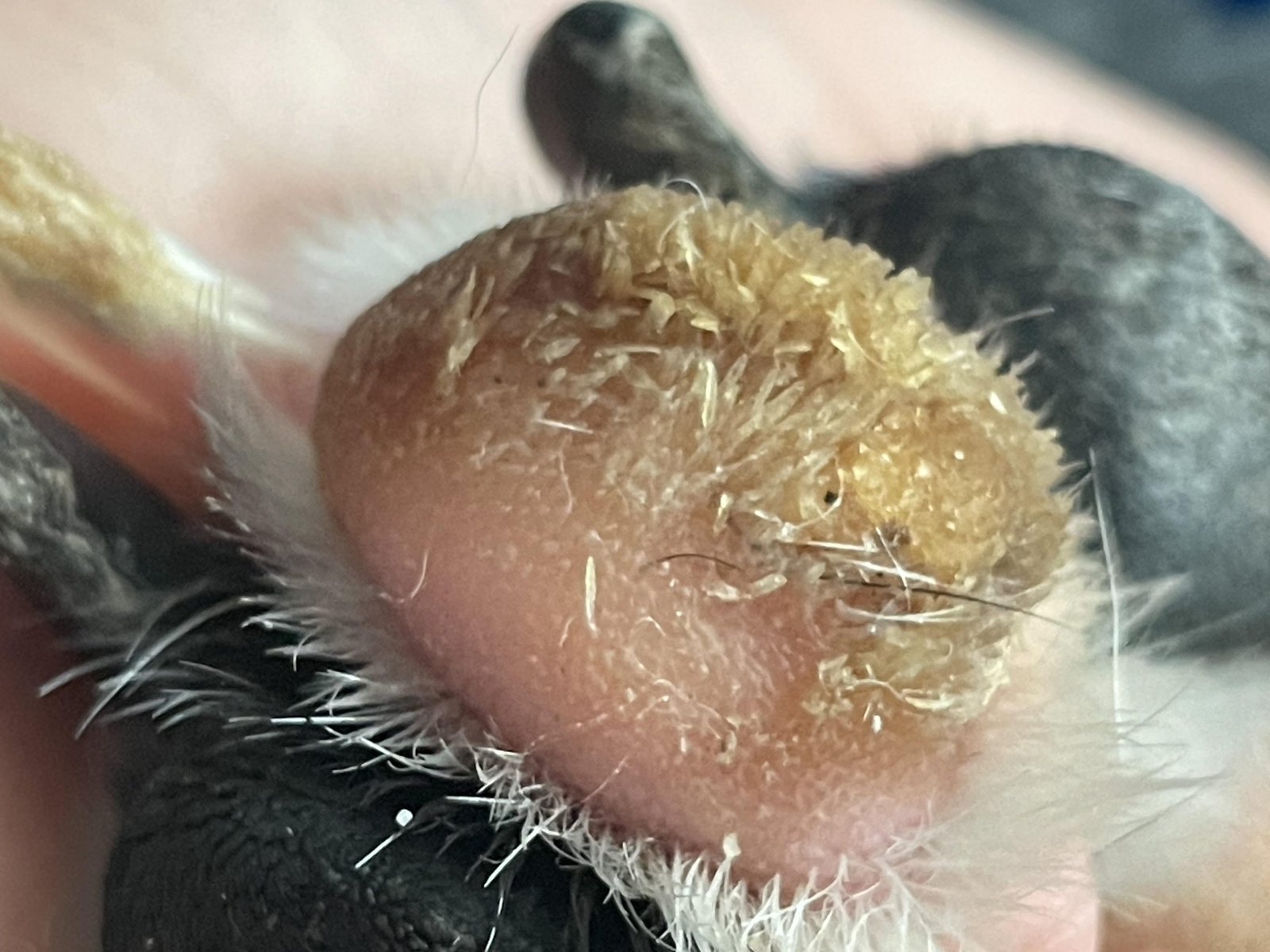
Have you ever looked down at your dog’s paws and wondered, "Why do my dog's paw pads look hairy?" It’s a common question that many pet owners don’t expect.
Those fuzzy paw pads might seem unusual, and you could be worried if it’s normal or a sign of something wrong. Understanding why your dog’s paw pads have hair can help you take better care of their comfort and health.
Keep reading to discover the surprising reasons behind those hairy paw pads and what you can do to keep your furry friend happy and healthy.
Hairy Paw Pads In Dogs
Dogs’ paw pads usually look tough and smooth. Some dog owners notice their pets’ paw pads seem hairy. This can cause concern or curiosity. Hairy paw pads are common in many dog breeds. Understanding the reason behind this helps care for your dog better.
Normal Paw Pad Appearance
Paw pads protect dogs’ feet from rough surfaces. They are usually thick and leathery. The pads are mostly hairless to provide good traction. The skin on paw pads is different from the rest of the body. It needs to be strong and resistant to wear.
Between the paw pads, you might see some hair. This hair helps protect the feet from cold or debris. The pads themselves stay free of hair for better grip and durability.
When Hair Grows On Paw Pads
Some dogs have hair growing on the edges or even over parts of their pads. This is more common in breeds with thick coats. Hair can cover the pads, making them look hairy.
Hair on paw pads can help with insulation in cold weather. It also cushions the feet when walking on rough ground. However, too much hair can trap dirt or cause slipping.
Trimming excess hair on paw pads helps keep your dog safe. It prevents slipping on smooth floors. It also reduces the chance of mats and debris buildup.

Credit: www.reddit.com
Common Causes Of Hairy Paw Pads
Noticing that your dog's paw pads look hairy can be surprising, especially if you haven't seen it before. This isn't always a sign of a problem but understanding why this happens can help you care better for your furry friend. Let's look at the common causes behind hairy paw pads and what they mean for your dog's health and comfort.
Breed Traits And Genetics
Some dog breeds naturally have hair growing on their paw pads. Breeds like Golden Retrievers, Huskies, and Samoyeds often show this trait due to their thick coats and genetics. This hair helps protect their feet from cold, rough terrain, or hot surfaces.
If your dog's breed is known for hairy paw pads, this is usually normal. However, regular trimming is important to prevent dirt buildup and slipping on smooth floors. Have you checked if your dog's breed tends to have this feature?
Seasonal Changes
Hair growth on paw pads can also change with the seasons. During colder months, dogs may grow more hair as natural insulation against the cold ground. This extra hair can make their pads look hairy, even if they don’t usually have much hair there.
In warmer months, this hair might thin out or even disappear. Keeping an eye on these changes can help you know when to trim and care for your dog's paws to keep them comfortable year-round.
Paw Pad Overgrowth
Sometimes, hair on the paw pads grows excessively, which can cause discomfort or hygiene issues. Overgrown hair can trap dirt, debris, and moisture, leading to infections or irritation. This is especially common if you don’t regularly groom your dog’s paws.
Trimming the hair between and on the pads can prevent slipping and make walks safer. Does your dog seem to slip on floors or lick their paws more often? These might be signs that paw pad hair overgrowth needs attention.
Health Issues Linked To Hairy Paw Pads
Hairy paw pads in dogs might seem unusual, but they can be a sign of underlying health concerns. Understanding these health issues can help you spot problems early and ensure your dog stays comfortable and healthy. Let's look at some common health problems linked to hairy paw pads and what they might mean for your furry friend.
Allergic Reactions
Allergies can cause changes in your dog's paw pads, including excess hair growth. This happens because your dog might lick or chew their paws more due to itching, which can stimulate hair growth. Have you noticed your dog scratching their paws often? It might be worth checking for potential allergens like certain foods, pollen, or cleaning products.
Infections And Irritations
Hairy paw pads can sometimes point to infections or irritations. Bacterial or fungal infections may cause inflammation that leads to abnormal hair growth around the pads. If your dog’s paws look swollen, red, or have an unusual odor, it’s a good idea to consult your vet quickly. These infections can become painful and worsen if untreated.
Hormonal Imbalances
Hormonal imbalances can affect your dog’s skin and hair, including the paw pads. Conditions like hypothyroidism or Cushing’s disease may lead to changes in hair texture and growth. If your dog’s paw pads suddenly look different and you notice other symptoms like weight changes or lethargy, ask your vet to check their hormone levels. Catching these issues early can improve your dog’s quality of life significantly.

Credit: www.reddit.com
Grooming Tips For Hairy Paw Pads
Hairy paw pads can be a bit tricky to manage, but with the right grooming routine, you can keep your dog’s feet healthy and comfortable. Overgrown hair between the paw pads can trap dirt and moisture, leading to irritation or infections. Taking good care of these hairy areas not only improves your dog's comfort but also helps you spot any issues early.
Trimming Hair Safely
Trimming the hair around your dog’s paw pads requires a gentle touch and the right tools. Use rounded-tip scissors or pet-safe clippers to avoid accidental cuts. Hold the paw firmly but gently, and trim small amounts at a time to prevent cutting the skin.
If your dog is nervous, try distracting them with treats or a favorite toy. Have someone help hold your dog steady if possible—it makes the process smoother and safer. Notice how trimming regularly prevents mats and keeps the pads exposed for better traction.
Cleaning And Care
Hairy paw pads tend to collect debris like dirt, leaves, and even small stones. After walks, check your dog’s paws and use a damp cloth or pet-safe wipes to clean between the pads. This simple habit reduces the risk of infections and keeps your dog comfortable.
Dry the paws thoroughly after cleaning, especially if your dog has been in wet conditions. Moisture trapped by hair can cause irritation or fungal infections. You might wonder—how often should you clean? Aim to check after every outdoor activity.
Products To Use And Avoid
Choose grooming products designed specifically for dogs to protect their sensitive skin. Mild shampoos and paw balms with natural ingredients like shea butter or coconut oil can soothe and moisturize. Avoid human products or harsh chemicals that can cause dryness or allergic reactions.
Watch out for products containing alcohol, fragrances, or artificial dyes. These can irritate your dog’s paw pads, especially when hair traps residue close to the skin. Have you ever noticed your dog licking their paws more after a grooming session? It could be a sign to switch products.
When To See A Vet
Noticing hairy paw pads on your dog can be normal, but changes may signal a problem. Knowing when to see a vet ensures your dog stays healthy and comfortable. Some signs require prompt attention to avoid complications.
Signs Of Discomfort Or Pain
Watch your dog’s behavior closely. Signs like limping, licking, or biting paws often mean pain. Swelling or redness around the paw pads also suggests discomfort. Your dog may avoid walking or seem restless. These signs need a vet’s evaluation quickly.
Persistent Changes In Paw Pads
Hairy paw pads that do not improve over weeks could indicate an issue. Thickening, cracking, or unusual color changes should not be ignored. If hair grows excessively or the pads feel rough and hard, seek veterinary advice. Persistent changes often require professional care to prevent infections or other problems.

Credit: www.scenthound.com
Frequently Asked Questions
Why Do My Dog’s Paw Pads Look Hairy?
Hairy paw pads are normal in many dog breeds. Hair grows around and sometimes between the pads, offering protection and insulation. This hair helps keep debris out and can prevent slipping on smooth surfaces.
Can Hairy Paw Pads Cause Health Problems?
Hairy paw pads are usually harmless but can trap dirt and moisture. This may lead to infections or irritation if not cleaned regularly. Regular grooming and inspection help maintain healthy paws and prevent issues.
How Often Should I Trim Hair On My Dog’s Paw Pads?
Trimming hairy paw pads every 4 to 6 weeks is ideal. This keeps the pads clean and prevents slipping. Always use pet-safe scissors and avoid cutting too close to avoid injury.
Does Hair On Paw Pads Affect My Dog’s Walking?
Hair on paw pads generally doesn’t affect walking. However, if hair grows too long, it might cause slipping or discomfort. Regular trimming ensures your dog walks comfortably and safely.
Conclusion
Understanding your dog's paw pads is important. Hairy pads can be natural. But sometimes, they point to health issues. Regular checks help keep your dog healthy. Trim excess hair to prevent dirt build-up. Consult a vet for unusual changes. A little attention goes a long way.
Happy paws mean a happy dog. Ensure comfort and health with simple care. Your furry friend will thank you. Always prioritize their well-being. Remember, healthy paws support active play. Keep them in top shape.