If your furry friend has been feeling under the weather and you're worried it might be botulism, you're in the right place. Botulism in dogs is rare but can be serious if not addressed promptly.
You want to do everything you can to help your pet recover swiftly and safely without leaving the comfort of your home. The good news is, there are practical steps you can take to support your dog's healing process. In this guide, you'll discover simple, effective home remedies and crucial tips to ensure your beloved companion bounces back to their playful self.
Keep reading to learn how you can make a significant difference in your dog's health and happiness right from your living room.
Recognizing Botulism Symptoms
Recognizing the symptoms of botulism in dogs early can make a huge difference in how quickly your furry friend recovers. This rare but serious condition affects the nervous system and can progress rapidly, so knowing what to look for is essential. Let’s break down the signs so you can act fast if you notice anything unusual in your dog’s behavior or health.
Early Signs To Watch
At first, botulism symptoms can be subtle and easy to miss. You might see weakness or lack of coordination, like your dog struggling to walk or stand.
Other early signs include drooling, dry mouth, or difficulty swallowing. If your dog suddenly seems tired or less responsive, don’t ignore it.
Have you noticed any changes in your dog’s eating or drinking habits? These could be early red flags that something is wrong.
Progression Of Symptoms
If botulism isn’t treated, symptoms can worsen quickly. Muscle weakness may spread from the face to the limbs, causing paralysis.
Your dog might also experience difficulty breathing as the muscles controlling respiration become affected. This stage can be life-threatening.
Watch for signs like a weak bark, droopy eyelids, or inability to hold the head up. These are signs that botulism is advancing and needs urgent attention.
When To Seek Veterinary Help
If you spot any early signs or notice symptoms getting worse, don’t hesitate to contact your vet immediately. Botulism can escalate fast, and professional treatment is critical.
Delaying care can lead to severe complications, including respiratory failure. Your vet can provide antitoxins, supportive care, and monitor your dog closely.
Have you ever faced a sudden health scare with your pet? Acting quickly could save your dog’s life in cases like botulism.
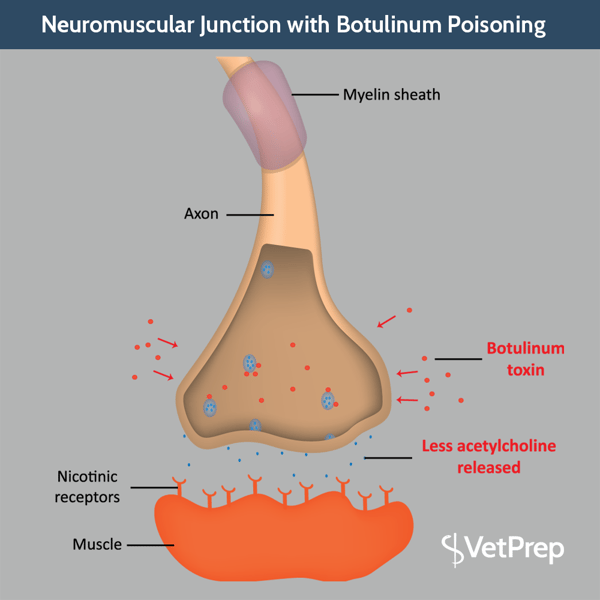
Credit: blog.vetprep.com
Immediate First Aid Steps
Spotting botulism symptoms in your dog can be frightening. Acting fast with the right first aid steps can make a big difference before you reach the vet. Here’s what to do immediately to help your dog stay safe and comfortable.
Ensuring Safe Breathing
Botulism affects your dog’s muscles, including those that control breathing. Watch closely for any signs of difficulty, such as shallow breaths, wheezing, or choking sounds. If your dog struggles to breathe, try to keep their airway clear by gently opening their mouth and removing any visible obstructions.
If your dog loses consciousness or has trouble breathing, call emergency services immediately. Can you stay calm enough to monitor your dog’s breathing while getting help? This focus could save your dog’s life.
Preventing Further Toxin Exposure
Identify and remove anything your dog might have ingested that could contain botulinum toxin. This includes spoiled food, garbage, or dead animals. Quickly securing the area stops your dog from taking in more toxin.
Wash your hands and avoid touching your dog’s saliva or vomit directly to prevent spreading the toxin to yourself or others. Have you checked your dog’s environment for hidden hazards before? This quick action helps keep both of you safe.
Keeping Your Dog Calm And Comfortable
Stress can worsen symptoms and make your dog’s condition unstable. Create a quiet, cozy space with soft bedding where your dog can rest undisturbed. Speak softly and avoid sudden movements to help reduce anxiety.
Offer water if your dog is alert enough to drink, but do not force fluids. Staying calm yourself sets the tone for your dog, making it easier for them to relax. How can your calm presence help ease your dog’s discomfort during this tough time?
Home Care Treatments
Home care treatments for botulism in dogs focus on easing symptoms and supporting recovery. These treatments help maintain your dog’s strength while the toxin leaves their system. Careful attention to hydration, nutrition, and supplements can make a big difference.
Hydration And Nutrition Support
Keeping your dog hydrated is crucial. Botulism can cause weakness and difficulty swallowing. Offer fresh water often in small amounts. Wet dog food or broth helps maintain nutrition and moisture. Feeding soft, easy-to-swallow meals reduces choking risks. Avoid forcing food or water if your dog resists.
Using Activated Charcoal Safely
Activated charcoal can absorb toxins in the stomach. It may help reduce the toxin’s effect if given early. Consult your vet before use. Use the correct dose based on your dog’s weight. Avoid giving charcoal with other medications. Monitor your dog for vomiting or diarrhea after administration.
Administering Supplements And Vitamins
Supplements can support nerve and muscle health during recovery. Vitamin B complex helps nerve repair. Vitamin C boosts the immune system. Omega-3 fatty acids reduce inflammation. Use only vet-approved supplements. Follow dosage instructions carefully. Never replace vet treatment with supplements alone.
Environmental Precautions
Taking care of environmental precautions is crucial when treating botulism in dogs at home. The bacteria that cause botulism thrive in certain conditions, so your role in managing your dog’s surroundings can make a big difference. Keeping your dog's environment safe helps stop the spread of toxins and supports their recovery.
Identifying And Removing Toxin Sources
Look closely around your home and yard for anything that could carry botulinum toxin. Rotten food, spoiled meat, or dead animals are common culprits. Even old cans or jars with bulging lids can hide dangerous bacteria.
Removing these items immediately is key. Don’t just toss them in the trash—seal them in plastic bags to prevent any spread. Have you checked all those hidden corners and behind appliances lately?
Sanitizing Your Dog’s Living Area
Cleanliness plays a huge role in keeping your dog safe. Use pet-safe disinfectants to wipe down floors, bedding, and toys regularly. Focus especially on places where your dog eats and rests.
Remember, thorough cleaning isn’t just about appearance; it’s about removing microscopic threats. Rinse surfaces well to avoid chemical residue that might irritate your dog’s skin or paws.
Preventing Recurrence
Think about what caused the problem first and change your routines to avoid it again. Store food properly in sealed containers and never leave scraps where your dog can reach them. Be mindful of outdoor hazards like stagnant water or trash heaps.
Could adjusting how you manage your dog’s environment stop future health scares? Regular checks and clean-ups are simple habits that protect your dog and give you peace of mind.
When Professional Care Is Necessary
Knowing when to seek professional care is crucial if your dog shows signs of botulism. Home treatments can only do so much, and some symptoms demand immediate attention to prevent serious complications. Recognizing these moments can save your pet’s life and reduce long-term health issues.
Signs That Require Immediate Vet Visit
Botulism can progress rapidly. If your dog suddenly shows weakness, difficulty swallowing, or trouble breathing, do not wait—head to the vet immediately.
- Muscle paralysis spreading quickly
- Excessive drooling or gagging
- Loss of coordination or inability to stand
- Respiratory distress or labored breathing
Ignoring these signs can lead to respiratory failure or other life-threatening problems. Ask yourself, how fast are your dog's symptoms worsening? If the answer is quickly, professional care is not just recommended—it’s essential.
Understanding Antitoxin Treatments
In severe cases, vets use antitoxins to neutralize the botulinum toxin in your dog's system. These treatments can stop the toxin from causing further damage but must be administered early.
Antitoxins are not a cure but a powerful tool to limit harm. They work best when combined with supportive care like IV fluids and respiratory support. Would you want to rely solely on home remedies when such specialized treatment exists?
Monitoring Recovery Progress
Even after initial treatment, your dog needs careful monitoring. Vets often keep them under observation to watch for complications and ensure they regain muscle strength.
Recovery from botulism can take weeks or even months. You should track changes daily, noting improvements or setbacks, and keep your vet informed. How often do you check your dog’s progress when they’re sick? Consistent monitoring makes a big difference.

Credit: www.four-paws.org

Credit: www.four-paws.org
Frequently Asked Questions
What Are The First Signs Of Botulism In Dogs?
Early signs include weakness, drooling, difficulty swallowing, and muscle paralysis. Immediate veterinary care is crucial to prevent severe complications and improve recovery chances.
Can Botulism In Dogs Be Treated At Home Safely?
Home treatment is risky and not recommended. Veterinary intervention is essential for proper diagnosis, antitoxin administration, and supportive care to ensure your dog’s safety.
How Long Does Botulism Recovery Take In Dogs?
Recovery varies but usually takes weeks to months. Supportive care, nutrition, and physical therapy help dogs regain strength gradually during this period.
What Should I Feed My Dog During Botulism Recovery?
Offer easily digestible, soft foods with high protein and nutrients. Consult your vet for a suitable diet plan to support healing and maintain energy levels.
Conclusion
Treating botulism in dogs at home requires quick and careful action. Always keep your dog calm and comfortable. Clean the area where your dog rests to prevent infections. Monitor your dog’s breathing and muscle strength closely. Offer plenty of fresh water and soft food.
Remember, home care supports recovery but does not replace a vet’s help. Seek professional advice if symptoms worsen or don’t improve. Early care can make a big difference. Stay patient and gentle with your dog during healing. Your care means a lot to your pet’s health.