If your furry friend has turned its metal crate into a personal chew toy, you're not alone. Many dog owners face this puzzling and frustrating behavior.
Not only can it damage the crate, but it can also pose a risk to your dog's health. You want to keep your pup safe and your investment intact, right? Imagine a peaceful home where your dog is calm, content, and free from the dangers of chewing on metal.
Picture the relief of knowing your beloved pet is no longer at risk of injury. In this guide, you'll discover practical tips and effective strategies to redirect your dog's attention and protect both your pet and your belongings. Stick with us, and let's transform this challenging behavior into a thing of the past.
Reasons Dogs Chew Metal Crates
Understanding why your dog chews on a metal crate is the first step to stopping this behavior. Dogs don’t just chew metal because they want to destroy your property. There are deeper reasons behind this habit that relate to their needs and emotions.
Boredom And Anxiety
Dogs left alone for long periods often chew on metal crates out of boredom or anxiety. Without enough mental or physical stimulation, they look for something to do. Chewing can become a way to relieve stress or pass the time.
If your dog spends hours in the crate with no toys or interaction, it’s natural they’ll find chewing as an outlet. Have you noticed if your dog chews more when you’re away or during thunderstorms? This might be a sign of anxiety.
Teething And Oral Discomfort
Puppies especially chew on metal crates because of teething pain. Their gums feel sore, and chewing helps ease that discomfort. Even adult dogs sometimes chew metal to soothe oral issues like gum irritation or dental problems.
Try checking your dog’s teeth regularly. If you see redness or swelling, it could explain why they focus on hard surfaces like metal. Offering chew toys designed for teething can redirect this urge in a healthy way.
Seeking Attention
Sometimes dogs chew metal crates to get your attention. If they learn that chewing makes you come running, even with a scold, they may keep doing it. It’s their way of saying, “Notice me!”
Think about how you respond when your dog chews the crate. Do you immediately jump up and talk or intervene? Changing your reaction can discourage this behavior. Instead, reward calm and quiet behavior when you check on them.
Credit: www.lillyandmax.com
Signs Your Dog Is Chewing Metal
Noticing that your dog is chewing on their metal crate can be worrying. It’s important to recognize the signs early so you can address the behavior before it causes harm. Dogs chew on metal for various reasons, such as boredom or anxiety, and spotting these signs helps you protect both your pet and your crate.
Visible Damage On Crate
One clear sign your dog is chewing metal is visible damage. Look for scratches, bite marks, or even bent bars on the crate. These damages are often rough and uneven, unlike normal wear and tear.
If you see tiny metal flakes or paint chips around the crate, it’s a strong indicator of chewing. This kind of damage can be dangerous for your dog if ingested, so it’s crucial to act quickly.
Behavioral Changes
Your dog’s behavior can tell you a lot about their chewing habits. If you notice them spending more time around the crate, pawing or licking the metal, this might be a red flag. These focused actions often mean they’re drawn to chewing.
Also, watch for any signs of frustration or restlessness when they’re near the crate. A dog that suddenly becomes obsessed with the crate may be trying to cope with stress or boredom through chewing.
Increased Restlessness
Does your dog pace or whine when inside or near the crate? Increased restlessness can be a sign that chewing is a coping mechanism. Dogs often chew on metal to release anxiety or excess energy.
Pay attention if your dog’s restlessness spikes during certain times, like when you leave the house. This pattern might suggest separation anxiety, which chewing helps them manage.
Safe Alternatives To Metal Crates
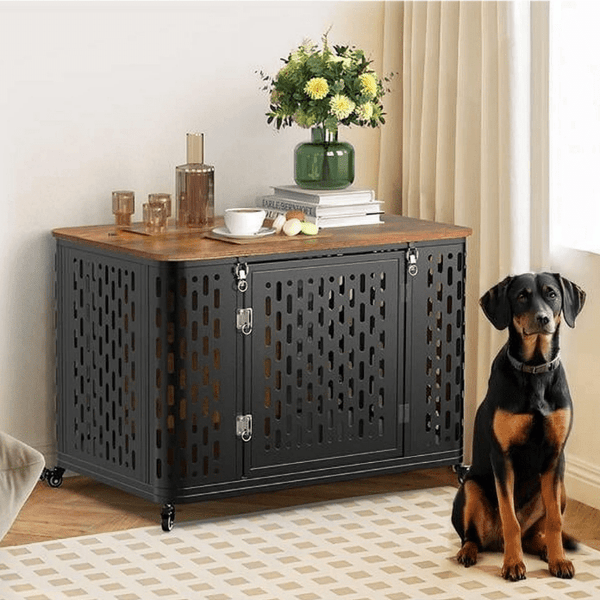
Metal crates can be tough on your dog's teeth and may even cause injury if they chew on the bars. Finding safe alternatives helps protect your pet while keeping their space secure and comfortable. Let's look at options that reduce chewing risks and create a cozier environment for your dog.
Plastic And Fabric Crates
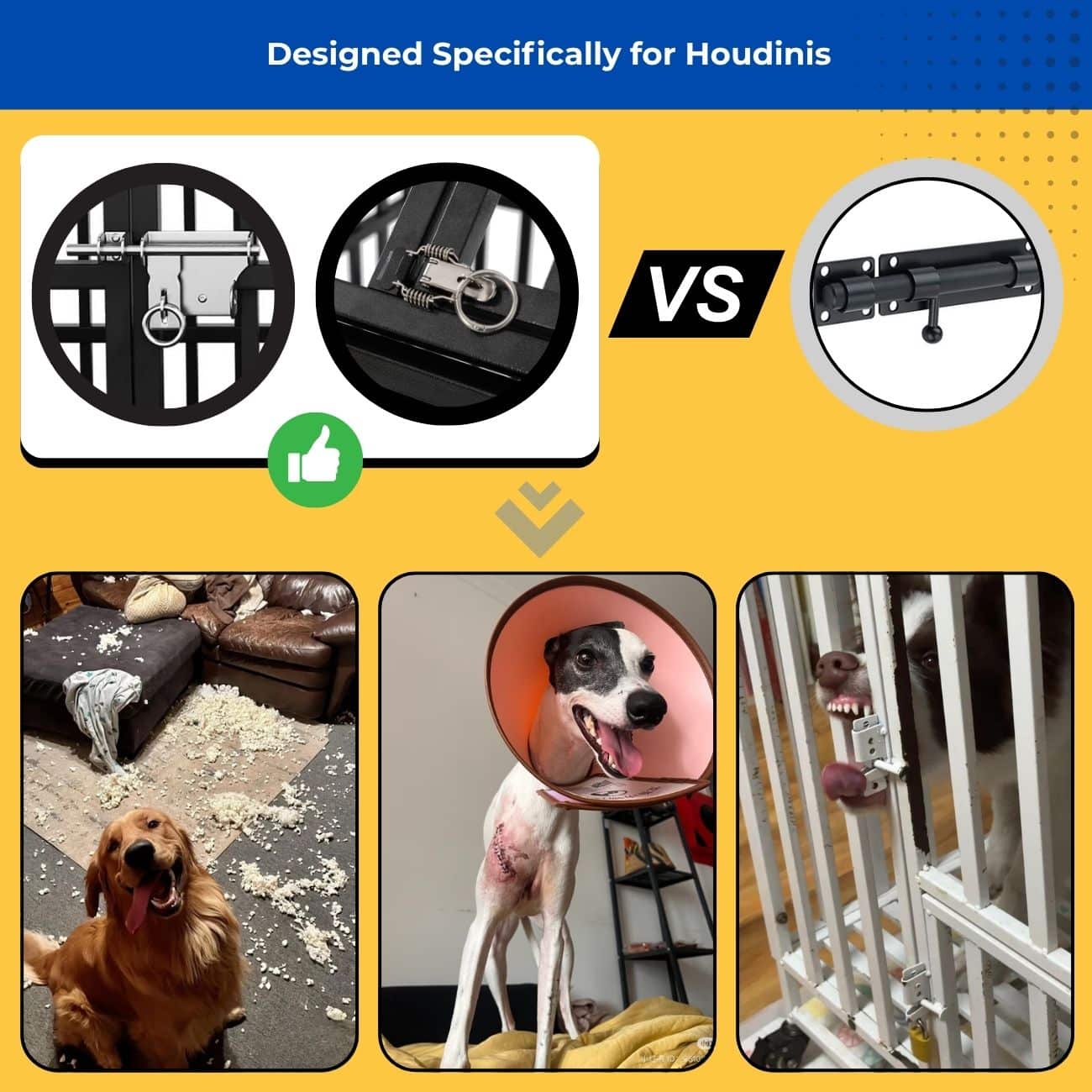
Plastic crates are a solid choice if your dog tends to chew metal. They are durable but without the hard edges that metal crates have. Many plastic crates come with ventilation holes and secure locking mechanisms, giving your dog safety without the temptation to chew.
Fabric crates, also called soft-sided crates, offer a lightweight and portable solution. They are made from tough materials like nylon that resist chewing better than you might expect. Plus, they provide a snug, den-like space that many dogs find comforting.
Have you noticed your dog relax more in a softer crate? Switching to plastic or fabric might not just protect their teeth but also reduce stress.
Crate Covers And Padding
Adding a crate cover or extra padding can discourage your dog from chewing metal bars. Covers soften the harshness of metal crates and create a more inviting space. Padding on the floor or sides can also protect your dog's teeth and paws from injury.
Try using chew-resistant fabrics or rubber mats designed for pet crates. These materials offer a barrier that is less appealing to chew on. You might find your dog shifts their focus away from the crate itself and onto their toys instead.
Have you tried layering different textures in your dog's crate? It can make a surprising difference in their comfort and behavior.
Training Techniques To Stop Chewing
Training your dog to stop chewing on a metal crate takes patience and clear techniques. Dogs often chew out of boredom or stress. Teaching them better habits helps protect your crate and keeps your dog safe. Use simple, consistent training steps to guide your dog away from chewing the metal bars. Focus on positive actions and offer choices to keep your dog engaged and calm.
Positive Reinforcement
Reward your dog for good behavior. Praise or give treats when your dog stays calm near the crate. This helps your dog learn that not chewing brings rewards. Avoid punishment, as it can increase stress and chewing. Instead, catch your dog being good and encourage that behavior.
Redirecting To Toys
Offer chew toys as a fun alternative to the metal crate. Choose toys that are safe and durable. When your dog starts chewing the crate, gently replace the metal with a toy. Praise your dog for chewing the toy instead. Keep a variety of toys nearby to keep your dog interested and busy.
Consistent Commands
Use simple commands like "No" or "Leave it" to stop chewing. Say the command firmly but calmly. Repeat the command every time your dog chews the crate. Be consistent in your tone and timing. This helps your dog understand what behavior you want. Pair commands with rewards to strengthen learning.
Using Deterrent Sprays And Products
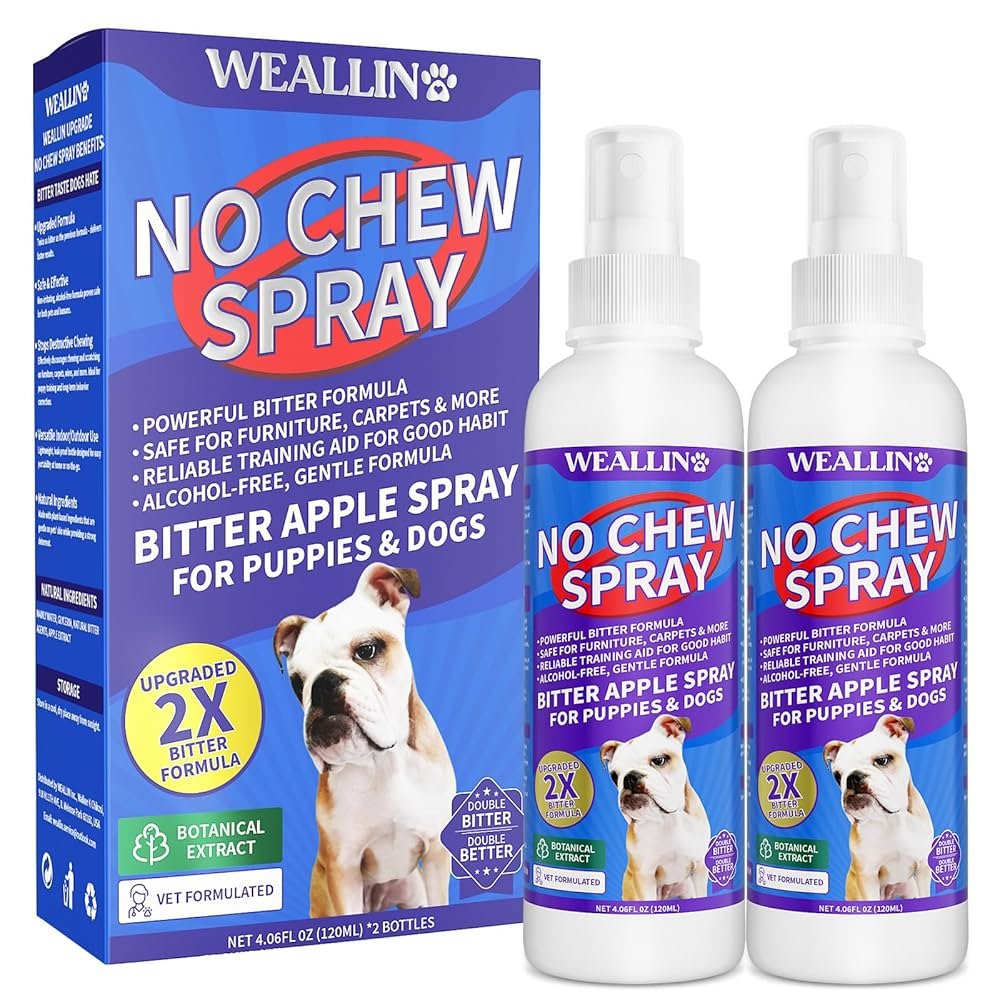
Using deterrent sprays and products helps protect your dog's metal crate from chewing. These sprays create an unpleasant taste or smell that discourages chewing. They work by making the crate less appealing without harming your pet. Applying these sprays regularly keeps your dog away from biting the metal bars.
Bitter Sprays
Bitter sprays have a sharp, unpleasant taste that dogs dislike. Spray the metal crate surfaces your dog chews most. The bitter taste stops your dog from biting again. These sprays are safe and non-toxic for pets. Reapply the spray often to maintain its effect. Monitor your dog's reaction to ensure it works well. Avoid spraying near your dog's eyes or nose.
Natural Repellents
Natural repellents use ingredients like citrus, vinegar, or essential oils. Dogs dislike these smells and avoid the treated area. Mix water with lemon juice or vinegar for a simple spray. Spray the crate lightly to prevent chewing. These repellents are gentle and safe for most dogs. Test a small area first to check for crate damage. Repeat application keeps the smell fresh and effective.
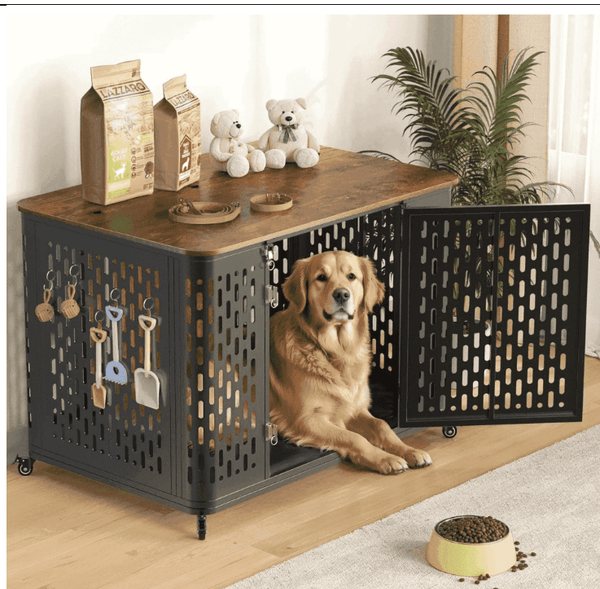
Credit: www.naipocare.com
Enhancing Mental And Physical Stimulation
Dogs often chew on metal crates out of boredom or stress. Enhancing your dog's mental and physical stimulation can reduce this behavior significantly. When your dog has enough exercise and engaging activities, they are less likely to seek destructive outlets like chewing on metal.
Regular Exercise
Exercise helps your dog burn off excess energy that might otherwise lead to crate chewing. Aim for at least 30 minutes of physical activity daily, such as walks, fetch, or running in a safe area.
Have you noticed how a tired dog is a well-behaved dog? Even simple activities like walking around your neighborhood can make a big difference. It’s not just about tiring them out but also about giving them a routine that feels fulfilling.
Interactive Toys
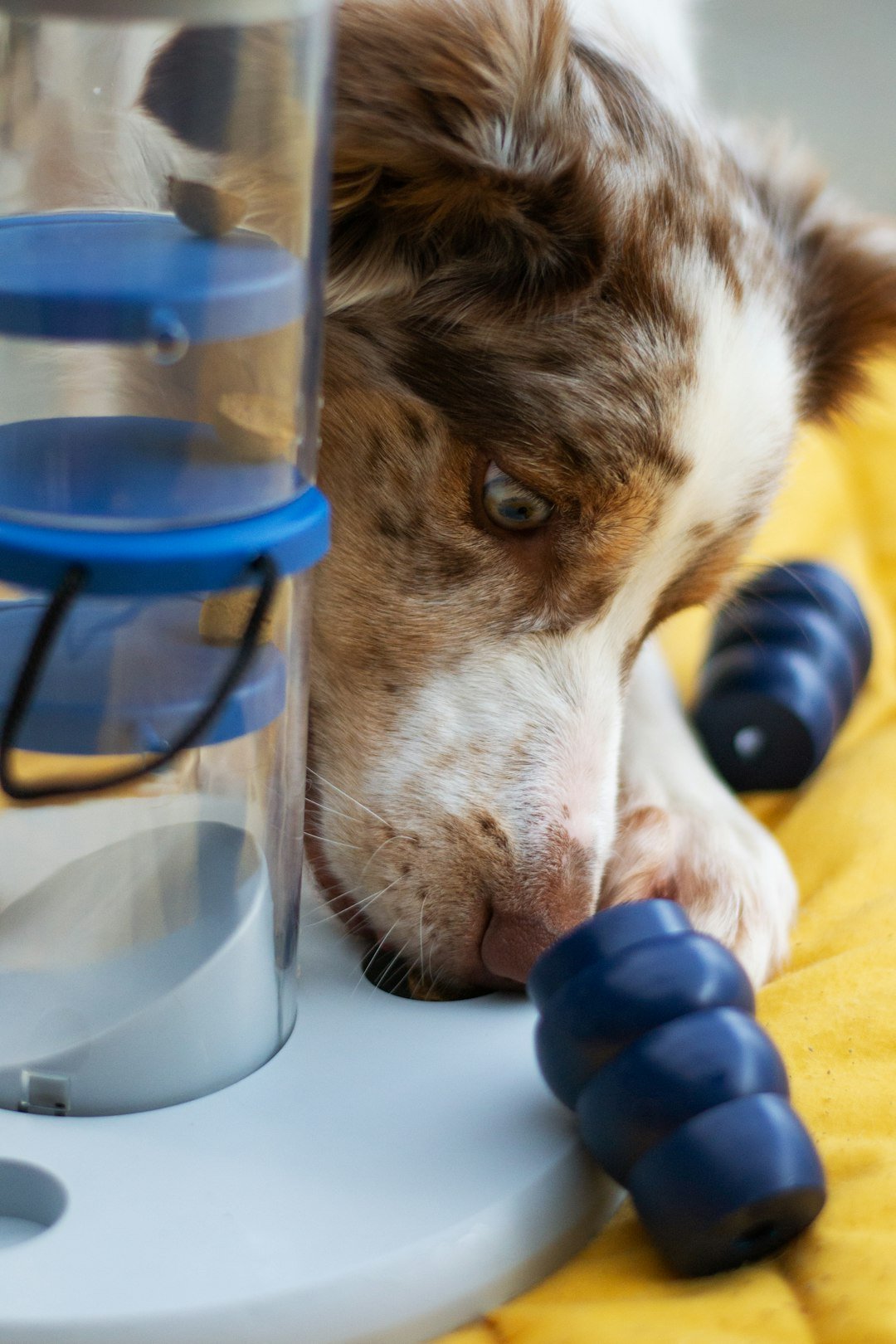
Interactive toys keep your dog busy and focused. Toys that dispense treats or require problem-solving can distract your dog from chewing on the crate.
- Try puzzle feeders that release kibble slowly.
- Use chew toys made from durable materials.
- Rotate toys regularly to keep your dog interested.
Have you tried hiding treats inside a Kong toy? It can keep your dog entertained for long periods and reduce anxiety-driven chewing.
Mental Challenges
Dogs need mental workouts just like physical ones. Teaching new tricks or commands stimulates their brain and can reduce boredom.
Try short training sessions throughout the day to engage your dog’s mind. Even simple commands like “sit,” “stay,” or “shake” can help redirect their focus away from the crate.
What new skills can you teach your dog today to keep their mind sharp and crate chewing at bay?
Creating A Comfortable Crate Environment
Creating a comfortable crate environment can make a huge difference in stopping your dog from chewing on the metal bars. A crate that feels like a safe, inviting space reduces anxiety and boredom, two common reasons dogs resort to chewing. Think about your own comfort—would you want to spend time in a cold, hard cage or a cozy little nook? Your dog feels the same way.
Soft Bedding
Adding soft bedding inside the crate turns it into a cozy retreat. Use a thick, washable dog bed or soft blankets that your dog likes. If your dog has a favorite towel or old shirt with your scent, placing it inside can add extra comfort and calmness.
Soft bedding also protects your dog's teeth from the cold metal floor, which may trigger chewing. Have you noticed how your dog avoids lying directly on hard surfaces at home? That’s a clue to make the crate inviting with cushioning.
Proper Crate Size
Ensure the crate is the right size—not too big, not too small. Your dog should be able to stand up, turn around, and lie down comfortably. A crate that’s too large might encourage your dog to use one corner as a bathroom, causing stress and unwanted behavior like chewing.
Watch how your dog behaves in the crate. If they pace or seem cramped, it’s time to adjust the size. Could the crate’s size be contributing to your dog's discomfort and chewing habit?
Calming Aids
Using calming aids can help your dog feel more secure and less anxious inside the crate. Items like a pheromone diffuser, calming sprays, or a chew-safe toy stuffed with treats can work wonders. These tools provide distraction and reduce nervous energy that often leads to chewing.
Try playing gentle music or leaving a ticking clock nearby to mimic comforting sounds. Have you tried these calming tricks to create a peaceful crate atmosphere? They might be the missing piece in your dog's crate training puzzle.

Credit: www.costway.ca
When To Seek Professional Help
Knowing when to seek professional help is crucial if your dog keeps chewing on their metal crate despite your efforts. Sometimes, the behavior signals deeper issues that need expert attention. Recognizing these signs early can save you frustration and protect your dog’s well-being.
Persistent Chewing Issues
If your dog continues chewing on the crate after you've tried various deterrents, it’s time to consider professional advice. Persistent chewing could mean the problem goes beyond boredom or simple habit. You might notice damage to the crate, or your dog might be injuring their teeth or gums.
Ask yourself: Have you tried different toys, crate covers, or training methods without success? If yes, a dog trainer or behaviorist can offer tailored strategies that address your dog’s specific needs.
Underlying Anxiety Problems
Chewing can be a symptom of anxiety, especially separation anxiety or stress related to confinement. If your dog whines, paws at the crate, or shows other signs of distress, the chewing might be their way to cope. Anxiety-driven chewing requires more than just physical barriers; it needs emotional support and behavior modification.
Consulting a canine behavior specialist can help you identify triggers and develop a calming plan. They may suggest techniques like desensitization, counter-conditioning, or even calming aids to ease your dog’s anxiety.
Veterinary Consultation
Sometimes, chewing can be linked to medical issues like dental pain or nutritional deficiencies. If your dog suddenly starts chewing excessively or shows signs of discomfort, a vet check is essential. They can rule out health problems that might be causing this behavior.
Your vet might also recommend supplements or treatments that help reduce your dog’s urge to chew. Don’t hesitate to schedule a consultation if you notice changes in your dog’s chewing patterns or overall health.
Frequently Asked Questions
Why Does My Dog Chew On Metal Crate Bars?
Dogs chew on metal crates due to boredom, anxiety, or teething discomfort. Chewing helps relieve stress and keeps them occupied. Providing toys and regular exercise can reduce this behavior and protect your dog’s teeth and health.
How Can I Stop My Dog From Chewing Metal Crate?
Use bitter sprays on crate bars to deter chewing. Increase exercise and mental stimulation to reduce boredom. Offering chew toys inside the crate also redirects their chewing habit effectively.
Are Metal Crate Covers Effective Against Chewing?
Yes, metal crate covers can block access to bars, preventing chewing. Covers also create a cozy den-like environment, reducing anxiety and destructive behavior. Ensure the cover is durable and safe for your dog.
Can Crate Training Reduce Chewing On Metal Bars?
Proper crate training builds comfort and reduces anxiety, which lowers chewing behavior. Gradually introduce the crate and reward calm behavior. Avoid forcing your dog inside to prevent stress-related chewing.
Conclusion
Stopping your dog from chewing on a metal crate takes patience and care. Offer safe chew toys to keep your dog busy. Use crate covers or padding to protect the metal bars. Praise your dog when they chew the right things.
Keep the crate clean and comfortable for your pet. Watch your dog closely and redirect chewing behavior quickly. With time and consistency, your dog will learn better habits. A calm and happy dog means less chewing on the crate. Keep trying, and your efforts will pay off soon.