
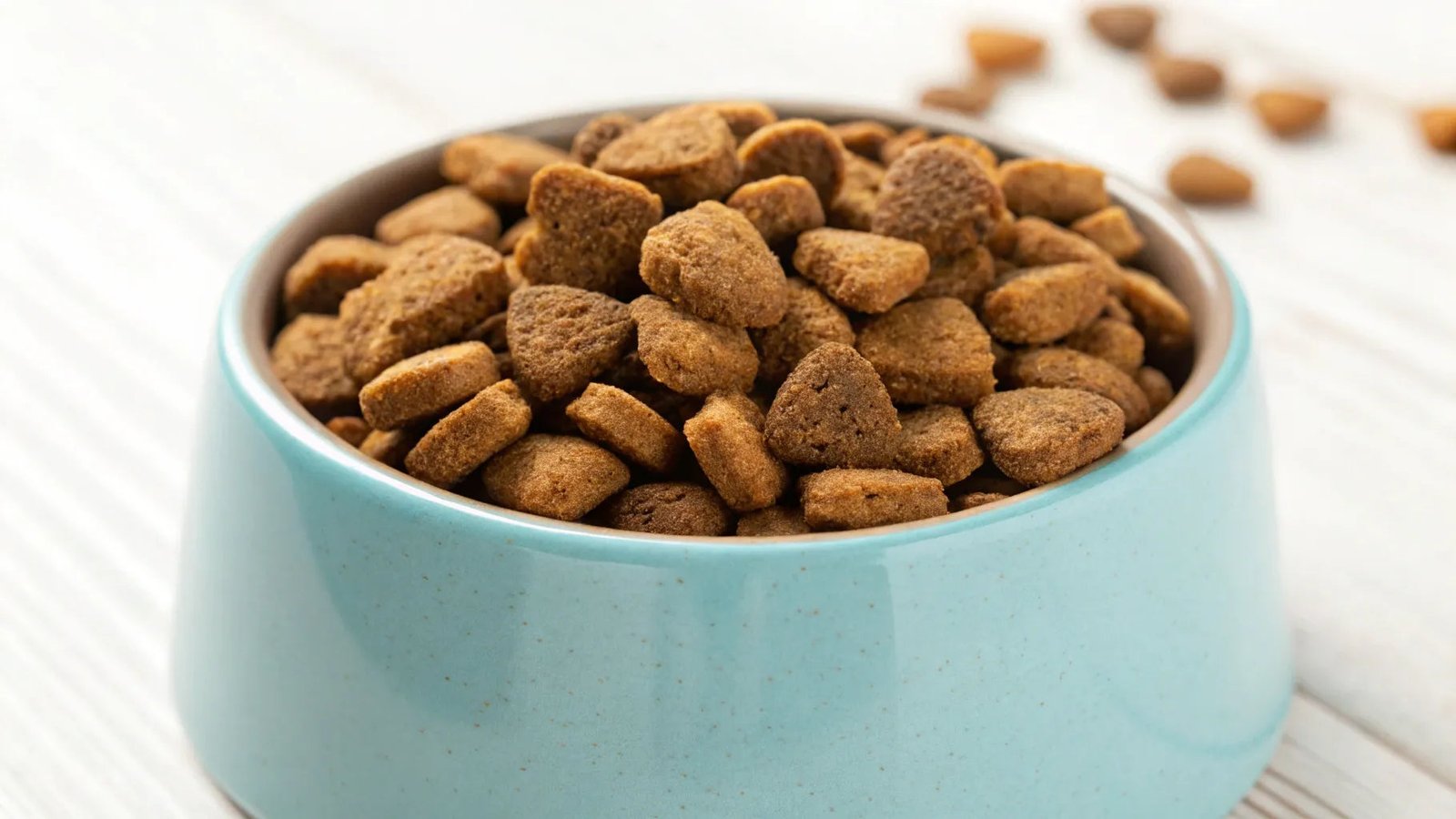
Ever wondered about the weight of a cup of dog food? You might be surprised to learn that this simple question holds a lot of importance for your furry friend's health.
Feeding your dog the right amount is crucial, and knowing how much a cup of dog food weighs can make a big difference. Whether you're trying to manage your dog's weight, ensure they're getting enough nutrients, or simply want to avoid overfeeding, this information is key.
Stick around, because understanding this can lead to a healthier, happier life for your pet. Curious to know more? Let’s dive into the details and see how this small piece of knowledge can transform your feeding routine.
Measuring Dog Food By Volume
Measuring dog food by volume is a common practice among pet owners. It helps control portions and ensures dogs get the right amount of nutrition. Using cups makes feeding easy and quick without needing a scale. Understanding how much a cup of dog food weighs depends on the measuring tool used and the food type.
Standard Cup Sizes
Most recipes and feeding guides use a standard cup size of 8 fluid ounces. This cup holds about 120 grams of dry dog food on average. However, this weight can change based on the food's shape and density. Dry kibble usually weighs less per cup than moist or chunky food. Knowing the standard cup size helps keep feeding consistent and accurate.
Variations In Measuring Cups
Not all measuring cups are the same size. Kitchen cups, coffee mugs, and pet food scoops vary widely. Some pet food scoops hold more than a standard cup, often 1.5 or 2 cups. Using different cups can lead to overfeeding or underfeeding. Always check the volume marked on your measuring cup to avoid confusion. Measuring tools should be clean and dry for accurate results.
Factors Affecting Dog Food Weight
Understanding the weight of a cup of dog food isn’t as simple as it seems. Several factors influence how much that cup actually weighs. Knowing these can help you measure your dog’s meals more accurately and avoid overfeeding or underfeeding.
Dry Vs. Wet Dog Food
Dry dog food, or kibble, is much lighter per cup than wet food. Wet food contains a high percentage of water, making it heavier and denser. For example, a cup of wet food can weigh almost twice as much as a cup of dry kibble.
Have you noticed how your dog’s bowl feels after serving wet food compared to dry? This difference affects not only the weight but also the calorie count. Adjusting portion sizes based on food type is essential for your dog’s health.
Kibble Size And Density
Not all dry foods are created equal. Kibble size and density vary between brands and recipes. Larger or denser kibble packs more weight into a cup than smaller, airier pieces.
Think about the last time you scooped kibble from different bags. The cup might look full, but the actual weight can differ significantly. This can impact how much your dog is really eating versus what you think they are eating.
Moisture Content
Moisture content directly affects the weight of dog food. Foods with higher moisture weigh more even if the volume stays the same. This is why wet foods are heavier per cup than dry foods.
Moisture also affects shelf life and nutritional density. When measuring your dog’s food, consider moisture to avoid accidentally feeding too many or too few calories.
Average Weight Of A Cup Of Dog Food
Understanding the average weight of a cup of dog food helps pet owners measure meals accurately. Dog food weight varies by type and brand. Measuring by volume alone can lead to feeding errors. Knowing the typical weight range for dry and wet food improves portion control.
Dry Kibble Weight Range
Dry dog food, or kibble, is lighter than wet food. A cup of dry kibble weighs between 90 and 120 grams. The weight depends on the kibble size and density. Smaller pieces tend to weigh less per cup. Larger, denser kibble can push the weight closer to 120 grams. Always check your dog food package for specific weight info.
Wet Food Weight Range
Wet dog food contains more moisture, so it weighs more per cup. A cup of wet food usually weighs between 225 and 280 grams. The texture and water content affect the weight. Canned foods with gravy or broth are heavier. Solid pâté styles weigh slightly less but still more than dry kibble. Accurate measuring is important for wet food to avoid overfeeding.

Credit: www.petsmart.ca
Why Accurate Measurement Matters
Measuring a cup of dog food correctly is more important than many pet owners realize. The weight of one cup can vary greatly depending on the type and brand of food. Accurate measurement ensures your dog receives the right amount of nutrients and calories every day. It also helps avoid common feeding mistakes that can harm your pet’s health.
Proper Nutrition
Dogs need balanced nutrition to stay healthy. Too little food means they miss vital vitamins and minerals. Too much food can cause weight gain and other issues. Precise measurement helps provide the right portion size. This supports growth, energy, and a strong immune system.
Preventing Overfeeding
Overfeeding is a leading cause of obesity in dogs. A cup of food can weigh differently based on density and ingredients. Without accurate measurement, it’s easy to give too much. Measuring by weight keeps portions consistent. This protects your dog from gaining unhealthy pounds.
Health Implications
Incorrect feeding amounts can lead to health problems. Overweight dogs face risks like diabetes, joint pain, and heart issues. Underfeeding can weaken muscles and lower energy. Accurate measurement supports your dog’s overall well-being. It helps maintain a healthy weight and prevents diet-related illnesses.
Tools For Precise Dog Food Measurement
Measuring dog food accurately helps keep your pet healthy. Precise tools make feeding simple and exact. Two main tools help measure dog food: measuring cups and food scales. Each tool offers unique advantages for pet owners.
Measuring Cups Vs. Food Scales
Measuring cups are common and easy to find. They come in various sizes and are simple to use. However, cups measure volume, not weight. Different dog foods have different densities. This means a cup of one food may weigh more or less than another.
Food scales measure weight directly. They give a precise amount in grams or ounces. Scales work well for all types of dog food, dry or wet. They reduce guesswork and ensure your dog gets the right portion every time.
Benefits Of Using A Scale
- Provides exact weight, not just volume
- Helps maintain your dog’s ideal weight
- Prevents overfeeding or underfeeding
- Works with all types of dog food
- Easy to clean and store
- Supports special diet plans
Using a food scale adds confidence to your feeding routine. It helps you control portions and care for your dog better. Measuring cups work for quick servings, but scales give accuracy that cups cannot match.
Credit: www.petsmart.ca
Tips For Feeding Your Dog Correct Portions
Feeding your dog the right portion size is key to keeping them healthy and happy. Too much food can lead to weight gain, while too little might leave them hungry or undernourished. Understanding how to measure and adjust portions will help you meet your dog’s unique needs.
Reading Feeding Guidelines
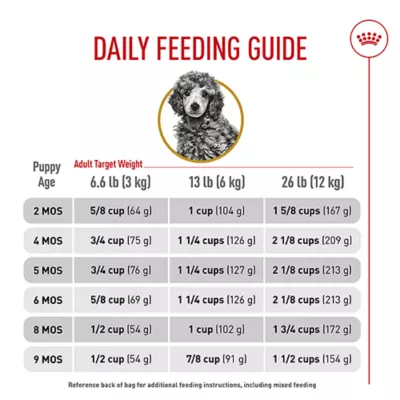
Start by checking the feeding guidelines on your dog food’s packaging. These usually suggest portion sizes based on your dog’s weight and age. Keep in mind these are general recommendations, not strict rules.
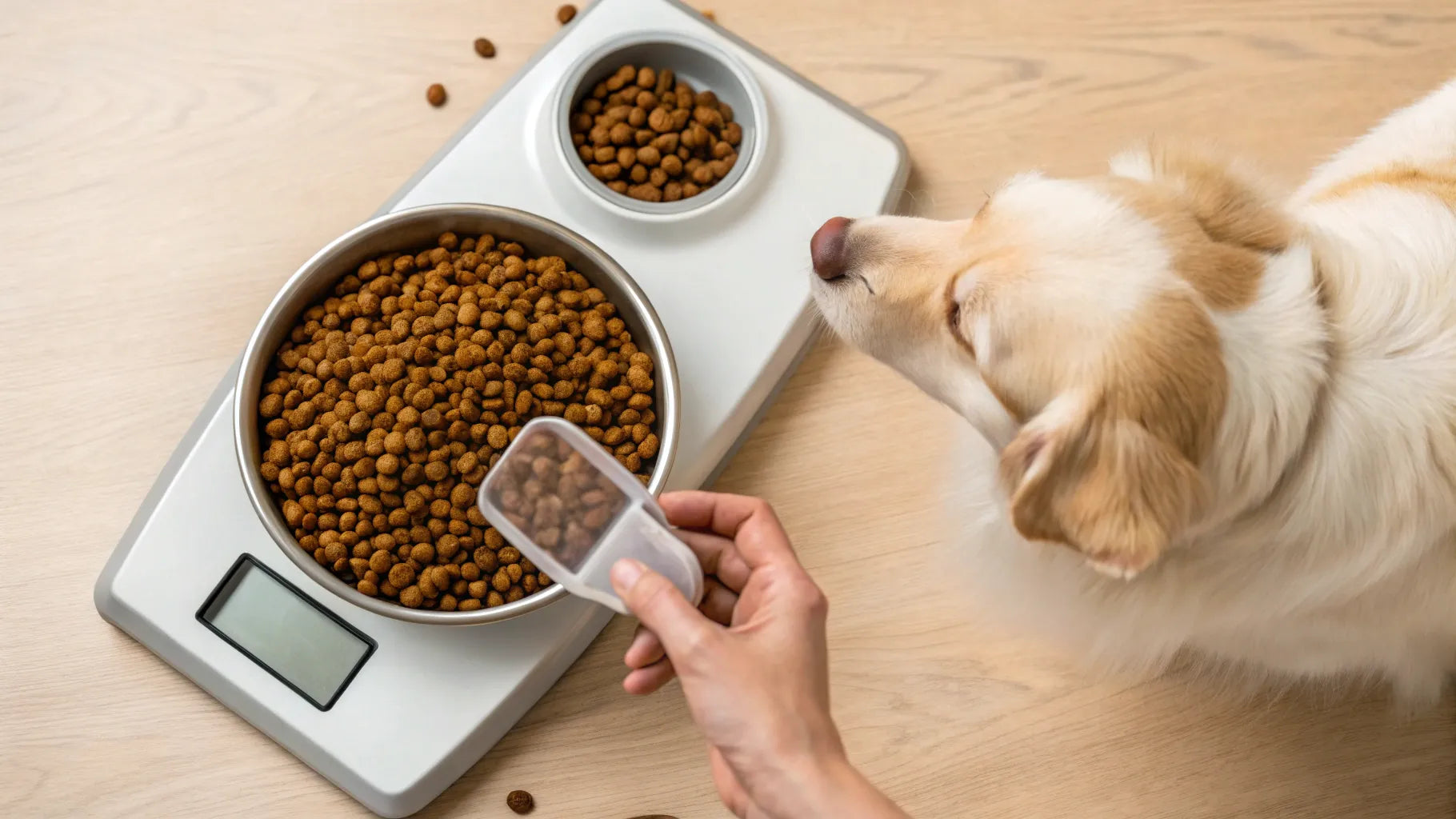
Use a kitchen scale or a measuring cup to get accurate portions. Measuring a “cup” of dog food can vary depending on the kibble size and density, so weighing it ensures consistency. Have you ever guessed your dog’s portion and ended up feeding too much or too little?
Adjusting Portions For Activity Level
Consider your dog’s daily activity when deciding how much to feed. A highly active dog burns more calories and may need larger portions. Conversely, a more sedentary dog requires less food to avoid gaining excess weight.
Observe your dog’s behavior and body condition regularly. If they seem lethargic or are gaining weight, tweak the portion size accordingly. Remember, portion control is not one-size-fits-all—it changes with your dog’s lifestyle.
Consulting Your Veterinarian
Your vet is the best resource for personalized feeding advice. They can help you determine the ideal portion based on your dog’s breed, health, and activity. Regular check-ups provide opportunities to adjust feeding plans as your dog ages or their needs change.
Don’t hesitate to ask about specific concerns like allergies or weight management. Have you talked to your vet about the right amount of food for your dog lately? Their input can make a big difference in your dog’s well-being.
Credit: www.houndsy.com
Frequently Asked Questions
How Much Does One Cup Of Dry Dog Food Weigh?
One cup of dry dog food typically weighs between 90 to 110 grams. The exact weight varies by brand and kibble size. Always check packaging for precise measurements to ensure accurate feeding and portion control for your dog’s health.
Does Wet Dog Food Weigh The Same As Dry Food?
No, wet dog food weighs more per cup than dry food due to its moisture content. One cup of wet food can weigh around 240 grams. This difference affects feeding portions, so always follow feeding guidelines specific to wet or dry food.
How To Measure Dog Food Accurately By Weight?
Use a kitchen scale for precise measurement of dog food. Measuring by weight is more accurate than volume. This helps ensure your dog gets the correct portion size, supporting their dietary needs and preventing overfeeding or underfeeding.
Why Does Dog Food Weight Vary Between Brands?
Dog food weight varies due to ingredient density and kibble size. Different formulas have different moisture and fat content, affecting weight. Always check the product label for exact weight per serving to feed your dog correctly.
Conclusion
Knowing how much a cup of dog food weighs helps feed your dog right. Different brands and types can weigh differently. Measuring by weight is more accurate than by volume. It keeps your dog healthy and happy. Always check the packaging for exact weight information.
This small step can make a big difference. Feeding the right amount avoids overfeeding or underfeeding. Your dog will thank you with good health and energy. Simple, clear, and careful feeding works best.