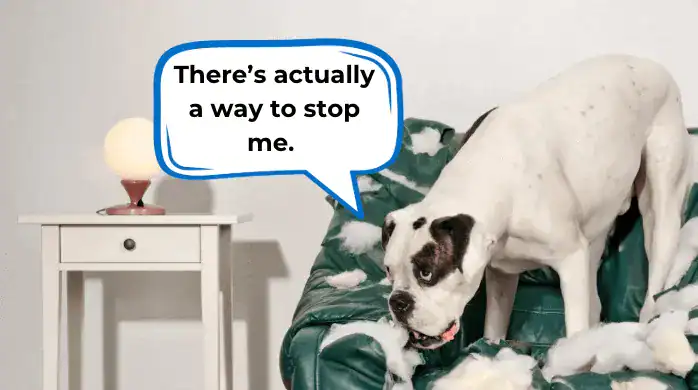
Are you tired of coming home to find your favorite shoes in shreds or your furniture legs looking like they've been through a wood chipper? You're not alone.
Many dog owners face the frustrating challenge of dealing with a canine companion who seems to have an insatiable urge to chew on everything in sight. But here's the good news: there are proven strategies to help curb this behavior.
Imagine a life where you can leave the house without worrying about what you'll find when you return. By understanding the reasons behind your dog's chewing habits and applying a few simple techniques, you can transform both your dog's behavior and your peace of mind. Stick with us, and we'll guide you through the steps to a chew-free home and a happier pup.
Credit: theonlinedogtrainer.com
Reasons Dogs Chew
Understanding why your dog chews on everything is key to stopping the behavior. Dogs chew for different reasons, and knowing what drives them can help you address the issue effectively. Let’s take a closer look at the common causes behind this habit.
Teething In Puppies
Puppies chew because their teeth are coming in, which can be uncomfortable or even painful. Chewing helps relieve this discomfort and strengthens their new teeth. If your puppy is chewing on furniture or shoes, it’s often a sign they need something safe to gnaw on instead.
Providing chew toys designed for teething can save your belongings and give your puppy the relief they need. Have you noticed your puppy favoring softer or rubbery toys during this stage? That’s a good clue to what works best.
Boredom And Anxiety
When dogs feel bored or anxious, chewing becomes a way to release pent-up energy or stress. If your dog is left alone for long hours or doesn’t get enough exercise, chewing might fill that gap. It’s their way of coping with feelings they can’t express otherwise.
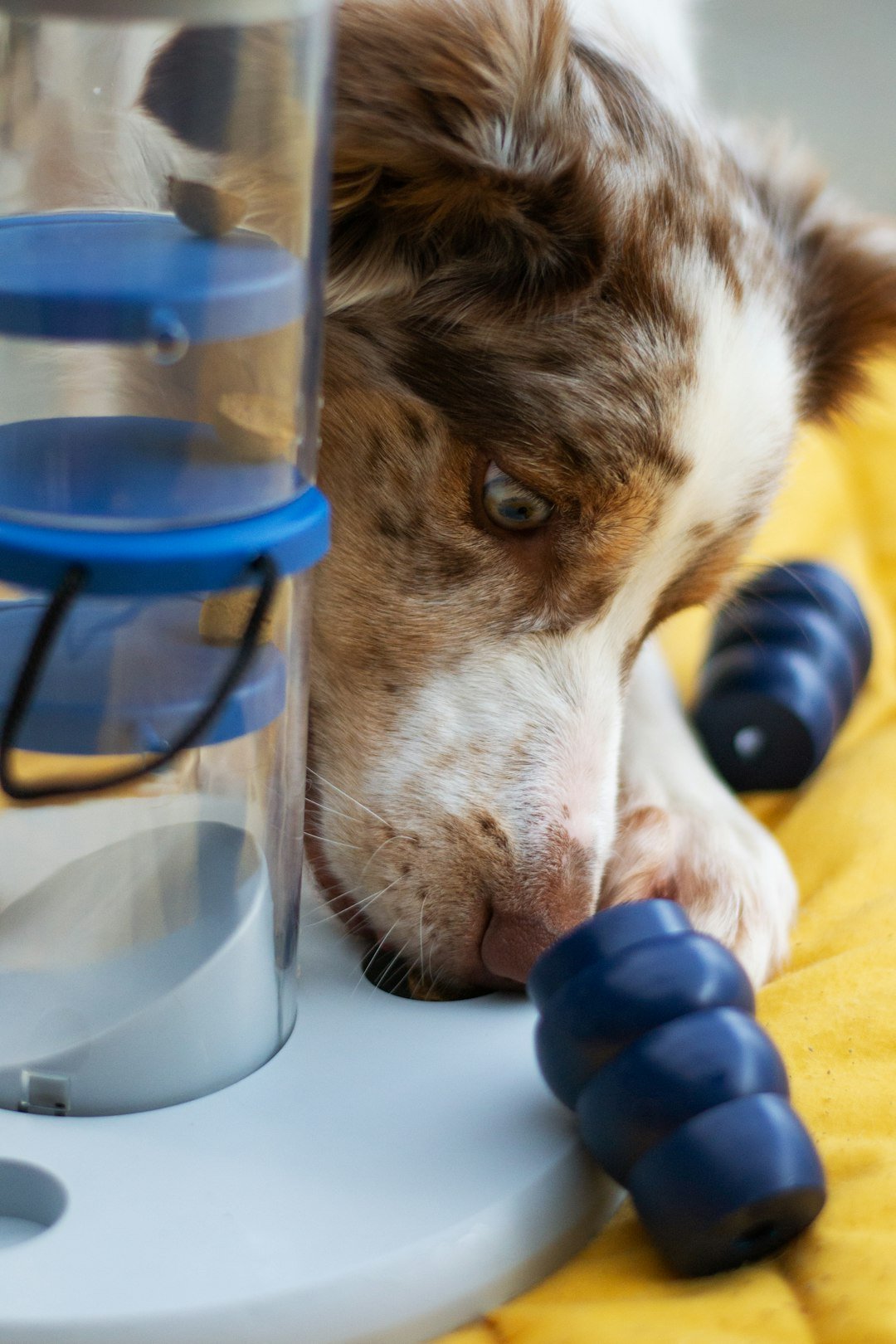
Ask yourself if your dog’s daily routine includes enough playtime and mental stimulation. Adding interactive toys or short training sessions can reduce chewing by keeping their minds busy. What activities does your dog enjoy that could replace destructive chewing?
Exploring The Environment
Dogs use their mouths to explore the world, especially when they are young or curious. Chewing helps them learn about new objects and surroundings. This natural behavior can sometimes lead to chewing items that aren’t meant to be chewed.
Observe what kinds of things your dog targets. Are they chewing on things with interesting smells or textures? Redirecting their curiosity towards appropriate toys can satisfy this urge while protecting your belongings.
Seeking Attention
Sometimes dogs chew simply because they want your attention. If chewing always gets a reaction from you, even a negative one, your dog might keep doing it to stay in the spotlight. Dogs quickly learn which behaviors get you to notice them.
Try to catch your dog chewing and calmly redirect them without giving too much attention. Praise them enthusiastically when they chew on their toys instead. How can you change your responses to discourage attention-seeking chewing?

Credit: m.youtube.com
Safe Chewing Alternatives
Finding safe chewing alternatives is key to protecting your belongings and keeping your dog happy. Instead of scolding, give your dog something designed to satisfy their chewing instincts. This helps redirect their energy and prevents destructive behavior.
Choosing Durable Toys
Durability matters when selecting toys. Look for ones made from tough rubber or nylon that can withstand heavy chewing without breaking apart. This keeps your dog safe from swallowing small pieces.
Brands like Kong and Nylabone offer toys that last longer and provide satisfying resistance. A durable toy also saves you money by lasting weeks instead of days.
Edible Chews
Edible chews keep your dog busy and also provide a tasty reward. Options like bully sticks, dental chews, or natural rawhide alternatives can satisfy their urge to chew while promoting dental health.
Always supervise your dog with edible chews to avoid choking hazards. Try different types to find what your dog enjoys most and rotates them regularly to keep interest high.
Rotating Toys For Interest
Dogs get bored with the same toys quickly. Rotate their toys every few days to keep them curious and engaged. This simple trick can prevent your dog from seeking out your shoes or furniture to chew.
Store some toys out of reach and swap them regularly. You’ll notice your dog getting excited about “new” toys again, reducing destructive chewing habits.
Training Techniques
Training your dog to stop chewing on everything requires patience and the right techniques. You need clear strategies that guide your dog’s behavior while encouraging good habits. Let’s look at some training techniques that work effectively to curb unwanted chewing.
Positive Reinforcement
Reward your dog immediately when they chew on their toys instead of your belongings. Use treats, praise, or affection to show them what behavior you want. This approach helps your dog understand the difference between acceptable and unacceptable chewing.
Try to catch your dog in the act and redirect praise when they choose the right item. Over time, your dog will associate good chewing habits with positive outcomes. Have you noticed how dogs quickly learn what earns them your attention?
Redirecting Behavior
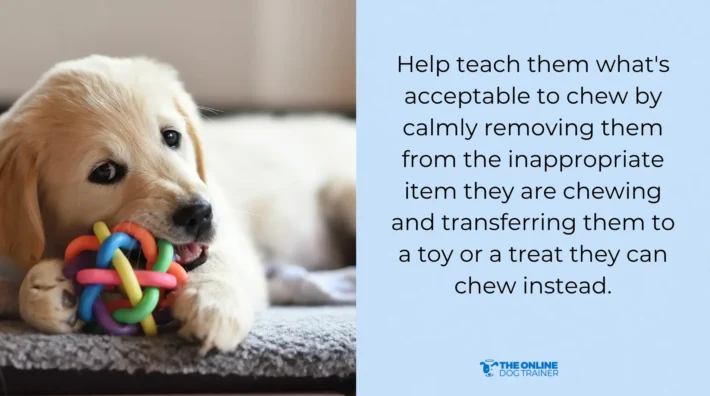
When you see your dog starting to chew something inappropriate, gently take the item away and give them a suitable chew toy. This helps them learn what is okay to chew without feeling punished. Redirection keeps the training positive and focused on teaching.
Keep a variety of chew toys handy to match your dog’s chewing preferences—some dogs like soft toys, others prefer hard bones. Changing toys occasionally can keep their interest high. What toys does your dog seem to enjoy the most?
Consistent Commands
Use simple, consistent commands like “No” or “Leave it” every time your dog chews something they shouldn’t. Consistency helps your dog connect the command with the behavior quickly. Make sure everyone in the household uses the same commands to avoid confusing your dog.
Practice these commands during calm moments as well as when your dog is chewing. This builds strong communication between you and your pet. How often do you reinforce commands during daily interactions with your dog?
Using Deterrent Sprays
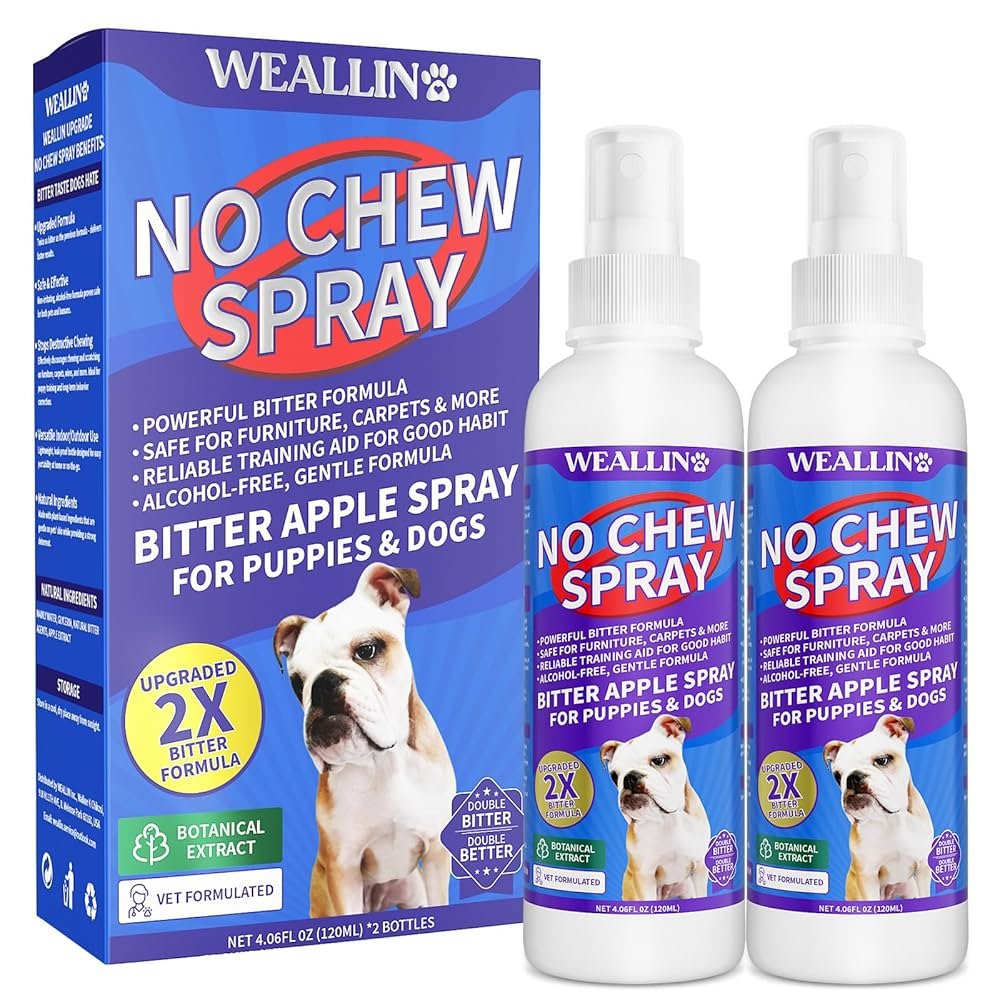
Deterrent sprays with safe, bitter tastes can discourage your dog from chewing on furniture or other off-limits items. Spray these on objects your dog targets frequently. This creates an unpleasant taste that helps reduce temptation.
Combine deterrent sprays with redirection to teach your dog what’s okay to chew. Always test the spray on a small area first to avoid damage. Have you tried deterrent sprays, and did they make a difference in your dog’s chewing habits?
Credit: theonlinedogtrainer.com
Environmental Management
Environmental management plays a key role in stopping dogs from chewing on everything. It means changing the surroundings to keep dogs safe and calm. A well-managed environment helps reduce unwanted chewing and protects your belongings.
Setting up the right space and habits makes a big difference. Dogs need clear boundaries and interesting things to do. This keeps them busy and less likely to chew on furniture or shoes.
Dog-proofing The Home
Remove items that dogs love to chew from floors and low shelves. Store shoes, books, and toys out of reach. Use baby gates to block off rooms with many tempting objects.
Cover electrical cords with plastic protectors. Keep trash cans inside cabinets or use lids that lock. This prevents accidents and keeps dogs safe.
Providing Adequate Exercise
Exercise burns energy and reduces stress, which lowers chewing behavior. Take dogs on daily walks to tire them out. Play fetch or run in a safe yard to keep them active.
Mental exercise also helps. Use puzzle toys and training games to challenge dogs’ minds. A tired dog chews less.
Creating A Safe Space
Give dogs a cozy spot where they feel secure. Use a crate or a quiet room with soft bedding. This safe space helps dogs relax and reduces anxiety.
Place chew toys in this area. Encourage dogs to use their toys instead of household items. Praise them when they chew the right things.
When To Seek Professional Help
Knowing when to seek professional help is key to stopping your dog from chewing everything. Some chewing behaviors need expert attention beyond home training. Professionals offer guidance tailored to your dog's unique needs. This section highlights signs to watch and who to contact for support.
Identifying Persistent Issues
Chewing that lasts more than a few weeks may signal a deeper problem. Watch for constant chewing despite providing toys and exercise. Look for damage to dangerous objects or self-harm from chewing. Anxiety, boredom, or medical issues can cause persistent chewing. Recognizing these signs helps decide when to get expert help.
Working With Trainers
Professional dog trainers teach better chewing habits through positive methods. Trainers observe your dog’s behavior and environment closely. They design plans using rewards and redirection to reduce chewing. Trainers also help improve obedience and reduce stress triggers. Their support often leads to faster, lasting improvements.
Consulting Veterinarians
Veterinarians check for health problems causing chewing urges. Dental pain, allergies, or neurological issues may increase chewing. A vet exam rules out physical causes before behavior training. Vets also suggest calming treatments or medications if needed. Early veterinary advice protects your dog’s health and comfort.
Frequently Asked Questions
How Can I Stop My Dog From Chewing Everything?
Provide plenty of chew toys and redirect chewing to them. Use positive reinforcement when your dog chews toys. Avoid punishment, as it can increase anxiety and chewing.
Why Do Dogs Chew On Household Items?
Dogs chew to explore, relieve boredom, or soothe teething pain. Lack of exercise or mental stimulation often leads to destructive chewing.
What Are The Best Chew Toys For Aggressive Chewers?
Durable rubber toys, nylon bones, and braided rope toys work well. Choose non-toxic, size-appropriate toys to ensure safety during chewing.
How Does Exercise Help Reduce Chewing Behavior?
Exercise burns excess energy, reducing boredom and anxiety. A tired dog is less likely to chew destructively around the house.
Conclusion
Stopping dogs from chewing everything takes patience and care. Provide plenty of toys to keep them busy. Teach them what is okay to chew and what is not. Praise good behavior often to encourage it. Watch your dog closely to catch chewing early.
Remember, chewing is natural, but training helps control it. Stay consistent and kind in your approach. Your dog will learn over time to chew the right things. Small steps lead to big changes. Keep trying—you and your dog can do this together.