Does your dog get overly excited or distracted by other dogs during walks? You’re not alone, and it can be frustrating when your furry friend can’t stay focused.
Imagine taking a peaceful walk where your dog calmly ignores other dogs and listens to you every step of the way. You’ll discover simple, effective steps to train your dog to stay calm and ignore distractions. Keep reading, because mastering this skill will make your walks more enjoyable and strengthen the bond between you and your dog.
Credit: theonlinedogtrainer.com
Why Dogs React To Others
Dogs often react strongly when they see other dogs. This behavior can confuse many pet owners. Understanding why dogs behave this way helps in training them better. Dogs use body language and sounds to communicate with each other. Sometimes, their reactions come from fear, excitement, or protectiveness.
Common Triggers
- Strange or unfamiliar dogs nearby
- Dogs moving quickly or barking loudly
- Close proximity without enough space
- Past negative experiences with other dogs
- High energy or excitement during walks
Behavioral Reasons
Dogs have natural instincts that influence their reactions. Some dogs protect their territory or owner. Others get nervous around new dogs. Some react to protect themselves from possible threats. Excitement can make dogs jump or bark at others. Training helps control these instincts and creates calm behavior.

Credit: zigzag.dog
Preparing For Training
Preparing your dog to ignore other dogs takes patience and planning. Setting up the right space and gathering proper tools can ease training. These steps help your dog focus and stay calm around distractions.
Choosing The Right Environment
Start training in a quiet, familiar place. This lowers stress for your dog. Avoid busy parks or crowded areas at first. A backyard or quiet street works well. Gradually add distractions as your dog improves. Keep the area safe and free from hazards. This helps your dog stay focused on you.
Gathering Necessary Tools
Use tools that support calm behavior. A sturdy leash and collar give control. Treats motivate your dog during training. Choose small, tasty treats your dog loves. A clicker can mark good behavior clearly. Bring water and a favorite toy for breaks. Prepare everything before you start training sessions.
Basic Commands To Master First
Teaching your dog to ignore other dogs starts with mastering some basic commands. These commands build a foundation for better control and focus. They help your dog listen to you even in distracting places. Consistent practice of these basics makes training easier and more effective.
Sit And Stay
The "Sit" command teaches your dog to pause and calm down. It is simple but powerful. Start by holding a treat above your dog’s nose. Move the treat back slowly over the head. Your dog will naturally sit. Say "Sit" clearly and give the treat as a reward.
"Stay" helps your dog remain in one place. This command is key for control near other dogs. After your dog sits, say "Stay" and hold your hand out like a stop sign. Step back slowly. If your dog stays, return and give a treat. Repeat until your dog stays longer each time.
Focus And Attention
Teaching focus means your dog looks at you despite distractions. Use a treat or toy to catch your dog’s eye. Say your dog’s name followed by "Look" or "Focus." Reward immediately when your dog makes eye contact. Practice in quiet places first, then try where dogs play.
Good focus helps your dog listen even when other dogs are nearby. It reduces pulling and barking. Training sessions should be short and fun. Always reward your dog for paying attention. This builds a strong habit of listening to you.

Credit: www.dogster.com
Techniques To Ignore Other Dogs
Training a dog to ignore other dogs takes patience and clear techniques. It helps your dog stay calm and focused. Consistent practice builds better behavior over time. Using the right methods makes the process smoother and more effective.
Desensitization Methods
Start by exposing your dog to other dogs at a distance. Keep the distance wide enough to avoid reactions. Gradually bring your dog closer as they stay calm. Repeat this often to reduce sensitivity. Use calm, steady tones to reassure your dog. This method helps your dog get used to others without stress.
Positive Reinforcement
Reward your dog for ignoring other dogs. Use treats, praise, or toys as rewards. Give rewards immediately when your dog looks away or stays calm. This strengthens good behavior and encourages repetition. Avoid punishment, which can increase anxiety. Positive reinforcement builds trust and motivation.
Using Distractions Effectively
Distract your dog with toys or commands during walks. Teach commands like "look" or "focus" to redirect attention. Offer a favorite toy to keep your dog engaged. Use distractions before your dog notices another dog. This helps shift their focus and prevents unwanted reactions.
Handling Setbacks
Handling setbacks is a key part of training your dog to ignore other dogs. Progress rarely follows a straight line, and you might face moments when your dog suddenly reacts despite previous calm behavior. Understanding how to manage these challenges helps keep your training on track and prevents frustration.
Common Challenges
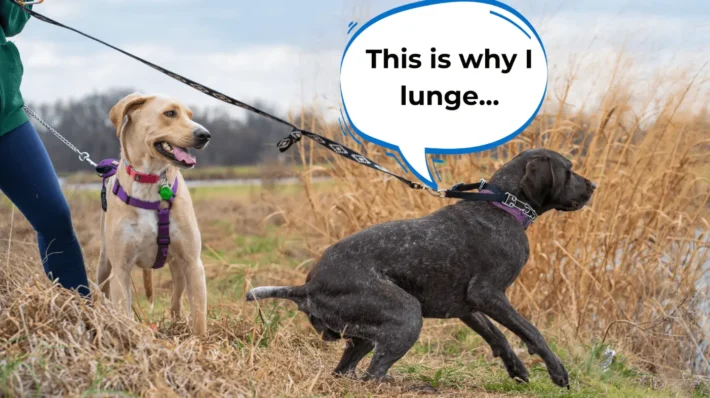
One common challenge is your dog becoming more reactive during certain times, such as when they're tired or overstimulated. You might notice your dog barking or lunging unexpectedly, even after weeks of good behavior.
Another challenge is inconsistency from people around you. Visitors or family members might unintentionally reward your dog's attention toward other dogs, making progress slower.
Have you ever felt like your dog just “forgets” what they’ve learned? This happens because training needs repetition and patience. Expect some backslides—it’s normal, not failure.
Staying Consistent
Consistency is your strongest tool against setbacks. Use the same commands, rewards, and routines every time you train. This clarity helps your dog understand what you expect.
Keep training sessions short but frequent. Doing a few minutes several times a day beats one long session. It keeps your dog engaged and reduces stress for both of you.
Don’t let occasional setbacks stop you. Instead, ask yourself: What changed? Was the environment different? Did you stay calm? Reflecting helps you adjust your approach and stay focused.
Advanced Training Tips
Training your dog to ignore other dogs takes patience and skill, especially as distractions grow stronger. Advanced training tips build on basic commands and help you maintain control in real-world situations. These strategies focus on sharpening your dog's focus and managing their environment effectively.
Leash Training Strategies
Leash training is essential for teaching your dog to stay calm around other dogs. Start by using a short leash to keep your dog close but comfortable. This gives you better control and helps your dog learn boundaries.
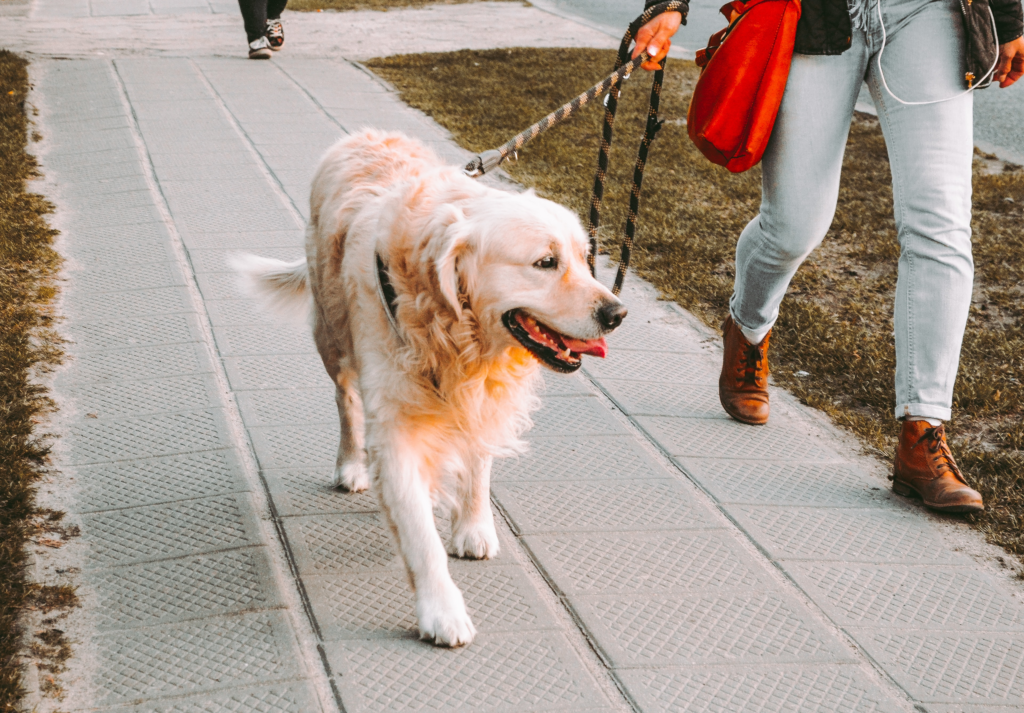
Practice loose-leash walking where your dog doesn't pull or lunge when spotting another dog. Reward them immediately for calm behavior with treats or praise. Over time, your dog will associate seeing other dogs with staying relaxed instead of reacting.
Try changing directions suddenly if your dog fixates on another dog. This unexpected move interrupts their focus and redirects it to you. Have you noticed how quickly your dog can shift attention when you take the lead?
Controlled Socialization
Controlled socialization means exposing your dog to other dogs in a safe, structured way. Arrange meetings with calm, well-behaved dogs in neutral spaces to reduce tension. Keep initial sessions short and positive.
Use a command like "look" or "focus" to get your dog's attention away from the other dog. Reward them for following commands instead of engaging. This builds impulse control and helps your dog ignore distractions.
Gradually increase the time and distance during these controlled interactions. Notice how your dog responds as you push boundaries gently. Could your dog learn to stay composed even in busy dog parks with this approach?
When To Seek Professional Help
Knowing when to ask for professional help can save you and your dog a lot of frustration. Sometimes, despite your best efforts, your dog’s reaction to other dogs might be too strong or complicated to handle alone. Recognizing the right moment to bring in an expert can make training more effective and keep everyone safe.
Recognizing Warning Signs
Not all dog behaviors are easy to manage on your own. If your dog shows intense aggression, like growling, snapping, or lunging uncontrollably at other dogs, it’s a clear sign you need help.
Watch for signs of anxiety too, such as trembling, excessive barking, or freezing. These behaviors can indicate deeper stress that might worsen without proper guidance.
Ask yourself: Is your dog’s reaction causing safety concerns for you, your dog, or others? If yes, it’s time to call in a professional.
Choosing A Trainer
Picking the right trainer is key to success. Look for someone with experience in behavior issues similar to your dog’s challenges, not just basic obedience.
Certified trainers or those recommended by veterinarians often have the skills needed for tough cases. Don’t hesitate to ask about their methods—positive reinforcement techniques are usually more effective and kinder to your dog.
Remember to watch how they interact with your dog during an initial meeting. Do they listen to your concerns? Do they explain their approach clearly? Trust and communication will make the process smoother for both of you.
Frequently Asked Questions
How Can I Train My Dog To Ignore Other Dogs?
Start with basic obedience commands like “sit” and “stay. ” Use positive reinforcement and reward calm behavior near other dogs. Gradually increase distance and distractions. Consistency and patience are key to success.
Why Does My Dog React To Other Dogs?
Dogs react due to excitement, fear, or territorial behavior. Understanding the cause helps tailor training. Observing triggers allows you to manage and modify your dog’s response effectively.
What Are Effective Tools To Help Ignore Other Dogs?
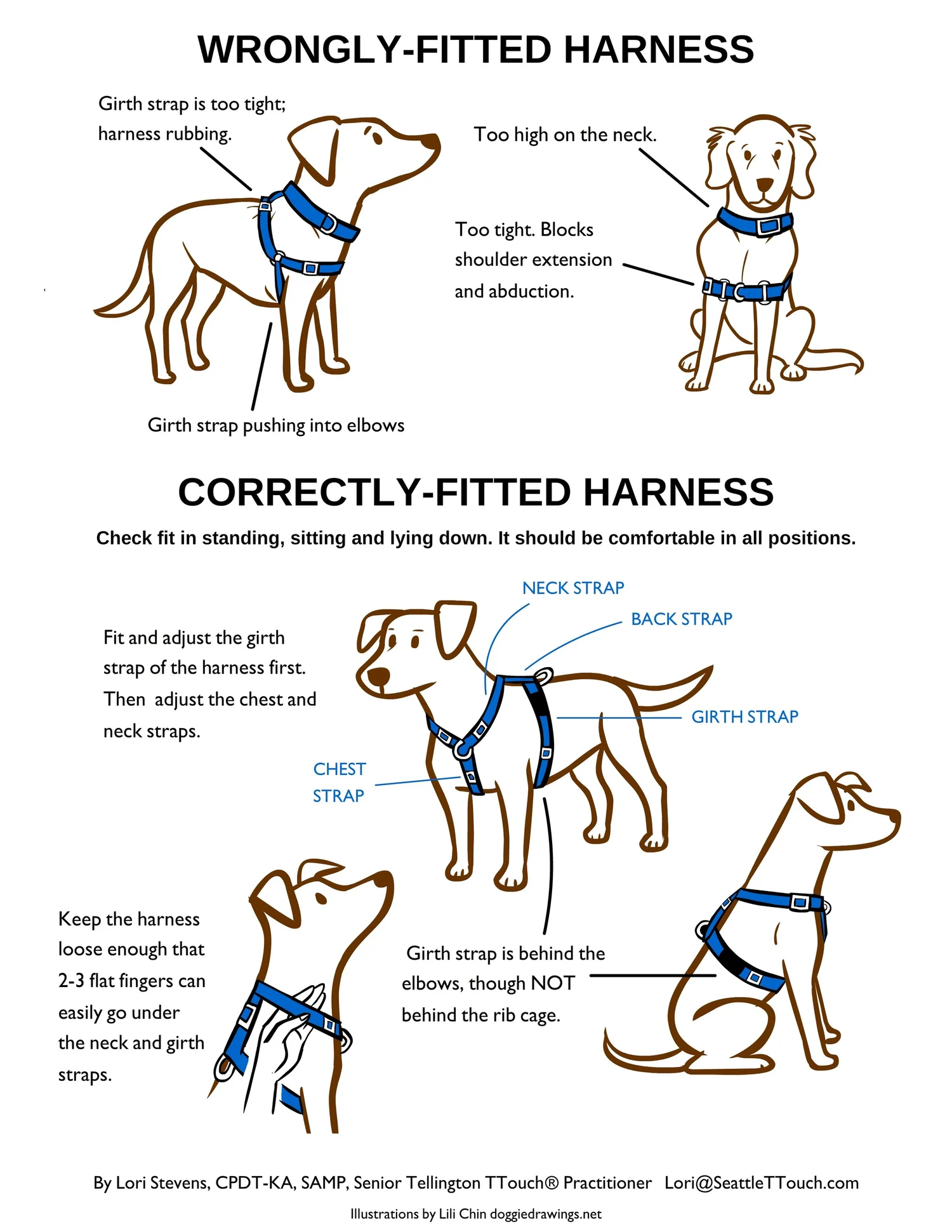
Use a leash, harness, and treats for control and motivation. Clickers or head halters can also aid focus. These tools help guide your dog’s attention during training sessions.
How Long Does It Take To Train Ignoring Other Dogs?
Training duration varies by dog’s temperament and consistency. Some dogs improve in weeks; others take months. Regular practice and patience speed up progress.
Conclusion
Training your dog to ignore other dogs takes patience and consistency. Reward good behavior with treats and praise. Practice regularly to build strong habits. Keep sessions short to maintain your dog's focus. Use a calm voice to guide your dog.
Over time, your dog will learn to stay calm. Remember, every dog learns at its own pace. Stay patient and encouraging. Celebrate small victories along the way. Soon, walks will be more enjoyable for both of you. Your efforts will pay off with a happier, more obedient dog.
Keep practicing and stay positive!