If your dog is feeling under the weather, you probably want to do everything you can to help them feel better—starting with their food. You might have heard that chicken and rice is a go-to meal for sick dogs, but how much should you actually feed your furry friend?
Too little won’t give them the energy they need, and too much could upset their stomach even more. You’ll discover the right amount of chicken and rice to give your dog when they’re sick, so you can help them recover faster and get back to their happy, playful self.
Keep reading—you’re about to learn simple, effective feeding tips that make a real difference.
Signs Your Dog Needs A Special Diet
Dogs can show signs that their regular food is not right for them. A special diet helps their body heal and feel better. Watching your dog closely helps you know when to change their food. Some signs mean your dog needs food that is gentle and easy to digest.
Common Illness Symptoms
- Vomiting or frequent gagging
- Diarrhea or soft stools
- Lack of appetite or refusing food
- Low energy and unusual tiredness
- Stomach bloating or pain
- Loose stools with mucus or blood
- Excessive thirst or dehydration
These symptoms often mean your dog’s stomach is upset. A bland diet can soothe their digestive system.
When To Switch To Chicken And Rice
Switch to chicken and rice if your dog shows illness signs. This diet is gentle on the stomach. It helps reduce nausea and diarrhea. Use boiled, skinless chicken and plain white rice.
Offer small portions to avoid overloading the stomach. Give frequent, light meals throughout the day. Stop the special diet once symptoms improve. Always check with a vet if symptoms last more than two days.
Benefits Of Chicken And Rice For Sick Dogs
Feeding your sick dog chicken and rice can offer several key benefits that support their recovery. This simple meal provides essential nutrition without overwhelming their sensitive system. Understanding these benefits helps you make informed choices about your dog’s diet during illness.
Easy Digestion
Chicken and rice are both gentle on your dog’s digestive system. Plain, cooked chicken is lean and free from fats that can irritate a sick stomach. White rice is bland and soft, making it easier for your dog to digest compared to more complex foods.
If your dog has diarrhea or vomiting, this combo can help reduce digestive stress. Have you noticed how quickly your dog’s appetite returns with simple meals? That’s often because their stomach feels less burdened.
Nutritional Support
Chicken provides high-quality protein, which is crucial for your dog’s healing and immune system. Rice adds carbohydrates that supply energy without adding heavy fats. Together, they offer a balanced source of nutrients during recovery.
Keeping your dog nourished is vital, especially when they’re not eating much. Have you thought about how protein helps rebuild tissues and fight infection? This makes chicken a smart choice when your dog is unwell.
Soothing Stomach Issues
This meal can calm upset stomachs and reduce inflammation in the gut. The bland nature of chicken and rice avoids triggering further irritation or nausea. It’s a safe fallback when your dog refuses their usual food.
Many pet owners find that feeding small, frequent portions of chicken and rice helps maintain hydration and comfort. Could adjusting feeding frequency make a difference in your dog’s recovery speed? It’s worth trying if your dog struggles with larger meals.
Determining The Right Amount To Feed
Determining the right amount of chicken and rice to feed a sick dog can feel tricky. You want to provide enough to support healing without overloading their stomach. Getting this balance right helps your dog feel better faster and avoids upsetting their digestion further.
Factors Influencing Portion Size
Every dog is unique, and several factors affect how much food they need. Age, breed, activity level, and the severity of their illness all play a role. For example, a small, elderly dog recovering from an upset stomach will need less food than an active young dog with mild symptoms.
Think about your dog’s usual appetite and energy. Have they been eating less lately? Are they drinking enough water? These clues guide how much to offer at each meal. You might start with smaller portions and adjust based on how your dog responds.
Calculating Daily Calories
Calories are the energy your dog needs to heal and stay strong. Sick dogs often need fewer calories than usual because they’re less active. However, they still require enough to maintain their body functions and immune system.
A simple way to estimate daily calories is using your dog’s ideal weight, not their current weight if they’ve lost a lot. Multiply their ideal weight in pounds by 30, then add 70. For example, a 20-pound dog needs about 670 calories per day (20 x 30 + 70 = 670).
Chicken and rice have different calorie counts per serving. Knowing this helps you portion correctly. Chicken breast has roughly 165 calories per 100 grams, while cooked white rice has about 130 calories per 100 grams. Combining these in the right ratio ensures balanced energy intake.
Adjusting Portions For Dog Size
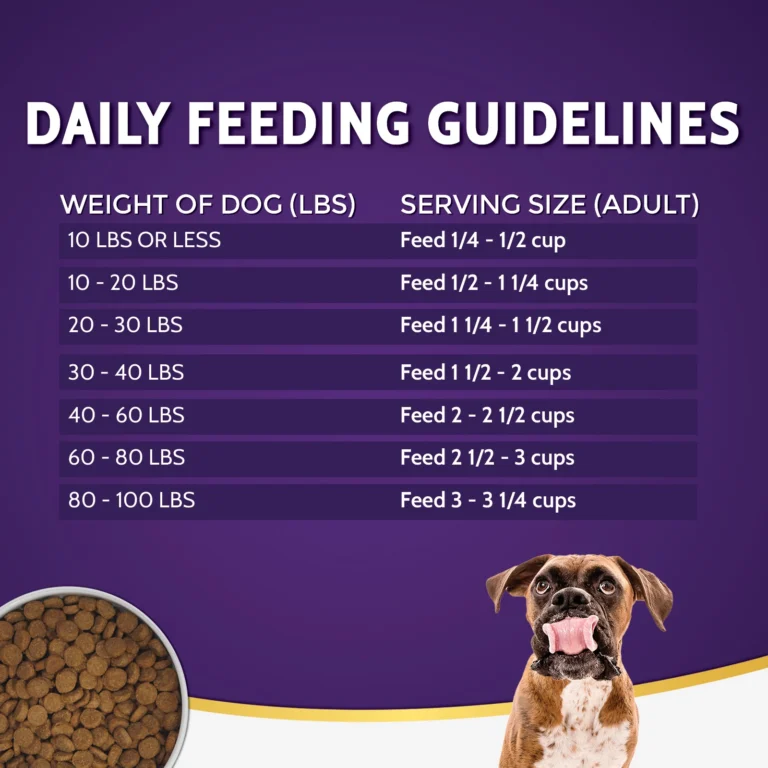
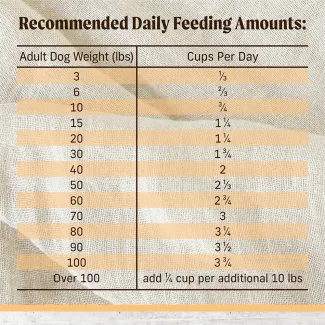
Size matters a lot when feeding your dog chicken and rice. Smaller dogs need much smaller servings than larger breeds. A Chihuahua may only need a few tablespoons per meal, while a Labrador could require several cups.
| Dog Size | Approximate Daily Portion | Chicken to Rice Ratio |
|---|---|---|
| Small (under 15 lbs) | 1/2 to 1 cup total | 1 part chicken : 2 parts rice |
| Medium (15-50 lbs) | 1.5 to 3 cups total | 1 part chicken : 1.5 parts rice |
| Large (over 50 lbs) | 3 to 5 cups total | 1 part chicken : 1 part rice |
Try feeding smaller, frequent meals rather than one large portion. This approach eases digestion and helps your dog absorb nutrients better. Watch your dog’s energy and stool quality to decide if you need to tweak portion sizes.
What signs will you look for to know if the portion size is just right? Hunger cues, energy levels, and stool consistency offer valuable feedback. Paying attention to these details can make a big difference in your dog’s recovery.
Credit: www.merrickpetcare.com
Preparing Chicken And Rice Safely
Preparing chicken and rice safely for a sick dog is important for their recovery. The right ingredients and cooking methods help avoid tummy troubles. This simple meal should be gentle on the stomach and easy to digest.
Choosing The Right Ingredients
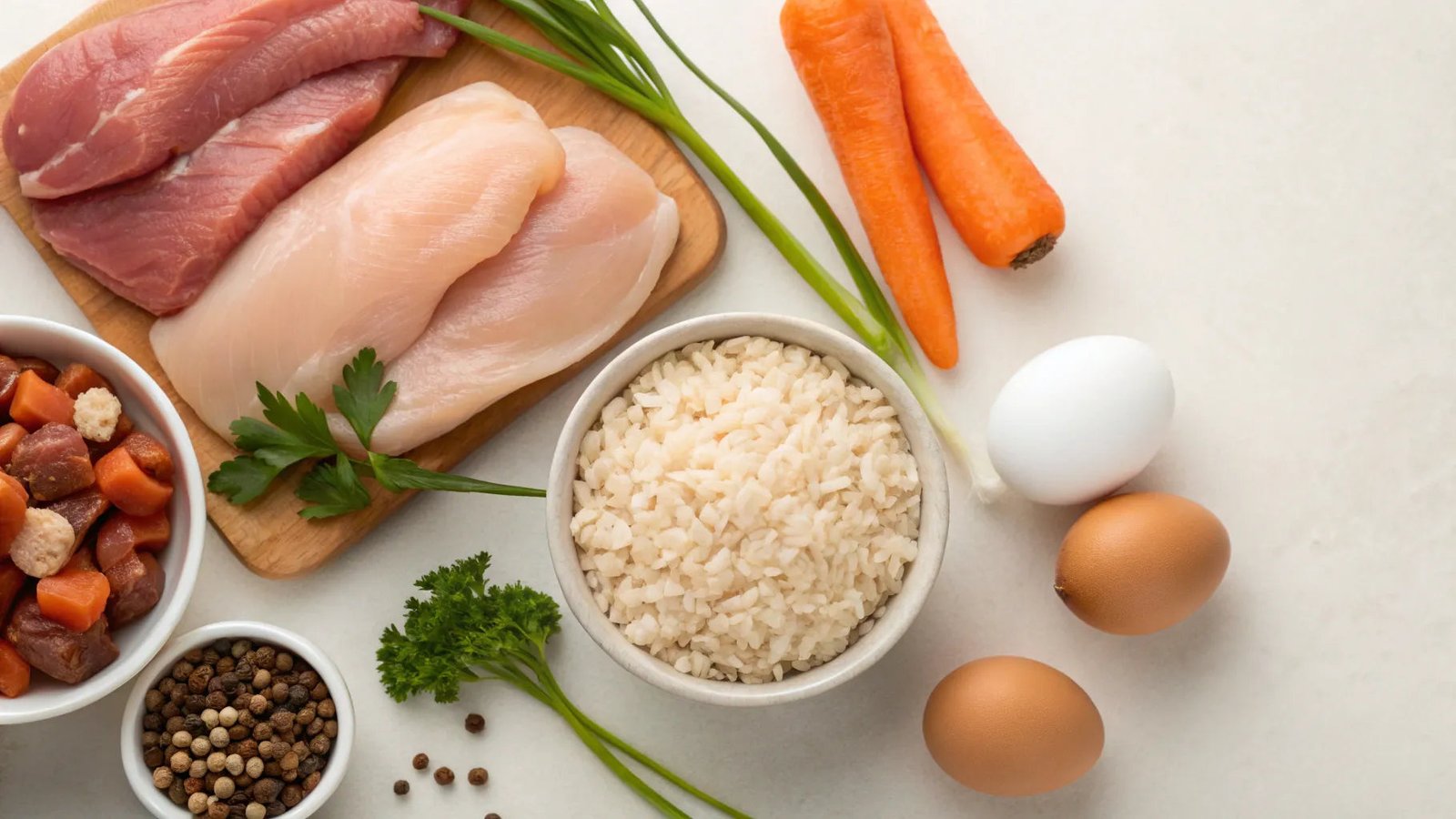
Pick plain, skinless chicken breast. It is low in fat and easy to digest. Use white rice, not brown rice. White rice is softer and less fibrous. Avoid any spices or seasoning. Fresh ingredients are best. Do not use leftovers with sauces or flavors.
Cooking Methods
Boil the chicken in water until fully cooked. Do not fry or bake with oil. Cook the rice in plain water until soft. Both chicken and rice should be tender. Cut chicken into small, bite-sized pieces. This helps your dog eat and digest the food easily.
Avoiding Harmful Additives
Never add salt, garlic, or onion powder. These can be toxic to dogs. Skip butter, oil, or sauces. These ingredients can upset your dog’s stomach. Do not use broth unless it is homemade and salt-free. Always serve the meal plain and fresh.
Feeding Schedule And Frequency
Feeding your sick dog the right amount of chicken and rice is only part of the equation. How often and when you feed your dog plays a crucial role in their recovery. Establishing a careful feeding schedule helps prevent stomach upset and ensures your dog gets the nutrients they need without overwhelming their digestive system.
Meal Timing For Recovery
Smaller, more frequent meals are better than one or two large ones. Try feeding your dog every 3 to 4 hours instead of the usual twice a day. This approach keeps their energy steady and reduces the chance of nausea or vomiting.
For example, instead of giving a full cup of chicken and rice at once, break it into four smaller portions spread throughout the day. This helps your dog’s stomach handle the food gently while still providing enough calories.
Monitoring Your Dog’s Response
Watch closely how your dog reacts to the new feeding schedule. Are they keeping the food down? Are their energy levels improving? Tracking these signs helps you adjust portions or timing as needed.
If your dog vomits or has diarrhea after a meal, consider waiting a little longer before the next feeding or reducing the portion size. Your dog’s response is your best guide—don’t ignore subtle changes in behavior or appetite.
When To Gradually Return To Regular Food
Once your dog shows consistent improvement—no vomiting, steady appetite, and normal energy—you can start mixing in their regular dog food. Begin with small amounts, like 25% regular food mixed with 75% chicken and rice.
Increase the regular food slowly over several days. This gradual return helps avoid shocking your dog’s digestive system. How fast you transition depends on your dog’s recovery speed, so stay patient and flexible.

Credit: www.justfoodfordogs.com
When To Consult Your Veterinarian
Knowing when to consult your veterinarian is crucial if your dog is sick. Feeding chicken and rice can help, but it is not always enough. Some health issues need professional care and special treatment. Watching your dog closely helps you decide when to seek help.
Signs Of Worsening Condition
- Persistent vomiting or diarrhea lasting more than 24 hours
- Refusal to eat or drink for over a day
- Weakness or difficulty standing and walking
- Rapid breathing or coughing
- Blood in vomit or stool
- Swollen abdomen or signs of pain
These signs mean your dog needs immediate veterinary attention.
Dietary Restrictions For Specific Illnesses
Some illnesses require strict diet changes beyond chicken and rice. Dogs with kidney problems need low-protein diets. Dogs with diabetes may need controlled carbohydrates. Dogs with food allergies must avoid certain ingredients. Always follow your vet’s diet advice for your dog’s illness.
Supplementing The Diet
Chicken and rice alone may lack essential nutrients. Your vet might suggest supplements like vitamins or probiotics. These can support digestion and boost immunity. Avoid adding human spices or oils to your dog’s food. Supplements should be given under veterinary guidance only.

Credit: www.justfoodfordogs.com
Frequently Asked Questions
How Much Chicken Should I Feed My Sick Dog?
Feed your sick dog about one cup of cooked chicken per 10 pounds of body weight. Use skinless, boneless chicken to aid digestion and avoid spices.
What Is The Ideal Rice Portion For A Sick Dog?
Provide half a cup of plain, cooked white rice for every cup of chicken. Rice helps soothe the dog's upset stomach and adds easy-to-digest carbs.
How Often Should I Feed Chicken And Rice To A Sick Dog?
Feed small meals 3 to 4 times daily. This keeps the dog's stomach calm and helps maintain energy levels during recovery.
Can I Add Other Ingredients To Chicken And Rice For Sick Dogs?
Avoid adding seasonings, oils, or vegetables. Plain chicken and rice are best to prevent further stomach upset and ensure proper digestion.
Conclusion
Feeding a sick dog requires care and attention. Chicken and rice offer a simple, gentle meal. Always start with small portions. Observe your dog's response. Adjust the amount as needed. Consistency is key for recovery. Consult your vet for specific guidance.
Each dog is unique. Their needs can vary. Focus on gradual improvement. Monitor their hydration levels too. Keep meals bland and easy to digest. This approach supports healing. Your patience and love matter most. By following these steps, you help your dog regain strength.
A thoughtful diet aids their recovery journey.