
Wondering how much food your 50-pound dog really needs? Feeding your dog the right amount is key to keeping them healthy, happy, and full of energy.
Too much or too little can lead to problems you don’t want. You’ll discover simple, clear guidelines that make feeding your dog easy and stress-free. Keep reading to find out exactly how to fuel your furry friend the right way every day.
Daily Calorie Needs
Knowing your dog's daily calorie needs helps keep them healthy and happy. Calories fuel your dog's body for activities and growth. Feeding the right amount prevents weight problems. Dogs that weigh around 50 pounds have specific calorie requirements. These depend on many factors like age, activity, and health. Understanding these needs helps you plan daily meals better.
Factors Affecting Calorie Requirements
Several things change how many calories a 50-pound dog needs each day. These include:
- Age:Puppies need more calories for growth than older dogs.
- Activity Level:Active dogs burn more calories than those less active.
- Health Status:Illness or certain conditions can raise or lower calorie needs.
- Breed:Some breeds have faster metabolisms than others.
- Spaying/Neutering:This can reduce calorie requirements slightly.
Each dog's calorie needs vary based on these factors. Regular vet check-ups help adjust food amounts.
Calculating Calories For A 50 Pound Dog
Calculating daily calories starts with a formula based on weight. A simple way uses Resting Energy Requirement (RER):
| Formula | Explanation |
|---|---|
| RER = 70 × (weight in kg)^0.75 | Base calories needed at rest |
For a 50-pound dog (about 22.7 kg), calculate RER first:
- RER = 70 × (22.7)^0.75 ≈ 70 × 11.2 ≈ 784 calories
Next, multiply by a factor based on activity:
- Neutered adult: RER × 1.6
- Active adult: RER × 2.0
- Weight loss: RER × 1.0
Example for a moderately active 50-pound dog:
- Daily calories = 784 × 1.8 ≈ 1411 calories
This estimate guides daily feeding amounts. Adjust if your dog gains or loses weight.
Credit: www.houndsy.com
Choosing The Right Food
Choosing the right food for your 50-pound dog is crucial for their health and energy. The right diet supports their weight, keeps their coat shiny, and fuels their daily activities. But with so many options available, how do you decide which one fits your dog’s needs best?
Types Of Dog Food
There are several types of dog food to consider, each with its own benefits. Dry kibble is popular because it’s easy to store and helps keep teeth clean. Wet food offers higher moisture content, which is great for hydration and can be more appetizing.
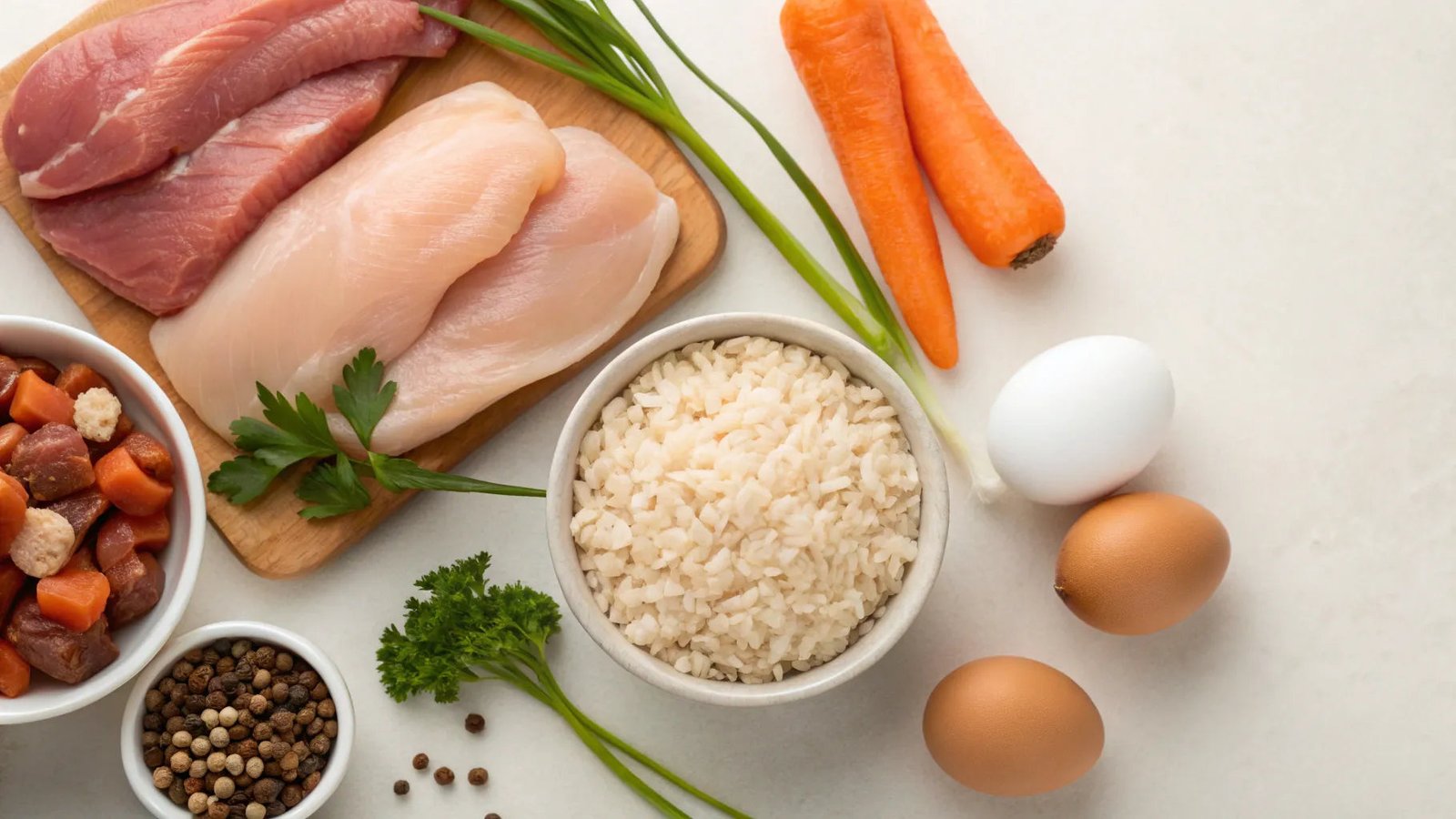
Raw and homemade diets are gaining attention, but they require careful preparation to ensure balanced nutrition. You might want to try a combination of types to see what your dog prefers and tolerates well. What kind of texture does your dog enjoy most?
Reading Dog Food Labels
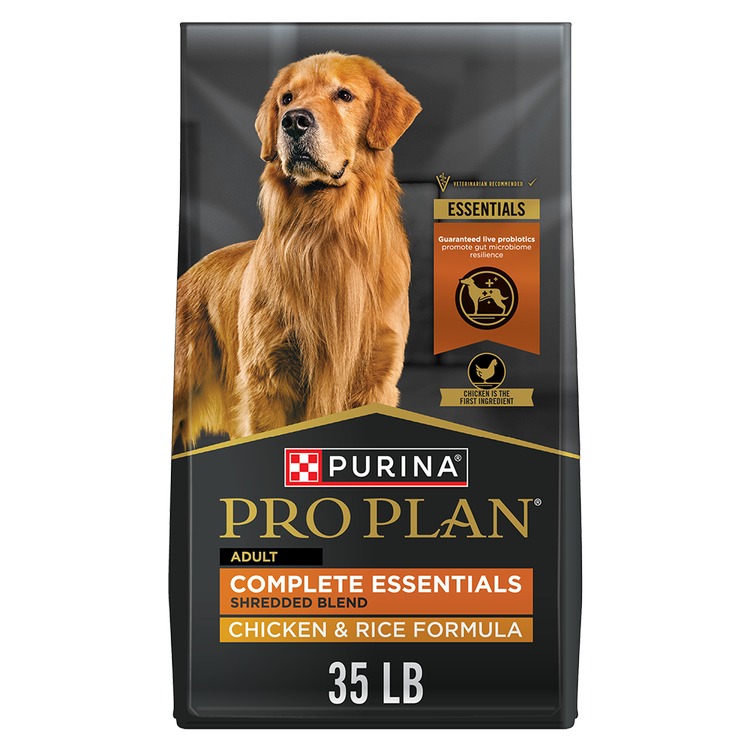
Labels contain important clues about the quality and suitability of dog food. Look for specific protein sources like chicken, beef, or fish listed as the first ingredient. Avoid vague terms like “meat meal” or “animal by-products” if possible.
Check the guaranteed analysis for protein, fat, and fiber percentages to match your dog’s energy needs. Also, watch out for fillers like corn or wheat, which add little nutritional value. Does your dog need extra nutrients like omega fatty acids or glucosamine? Labels will help you identify these additions.
Portion Sizes By Food Type
Portion sizes for a 50-pound dog vary by the type of food you choose. Each food type has different moisture and nutrient content. This affects how much you should feed daily. Understanding these differences helps keep your dog healthy and happy.
Dry Kibble Portions
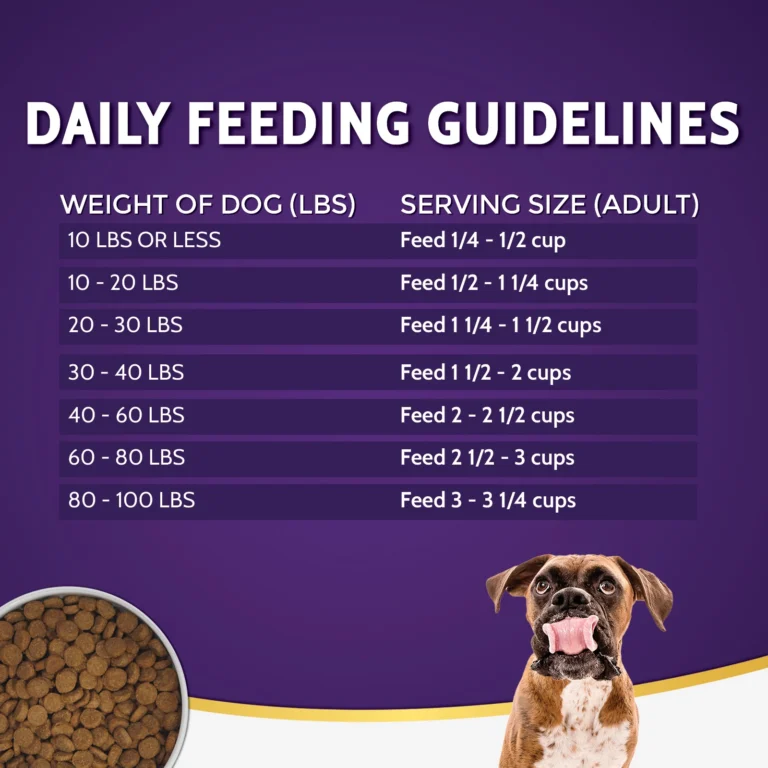
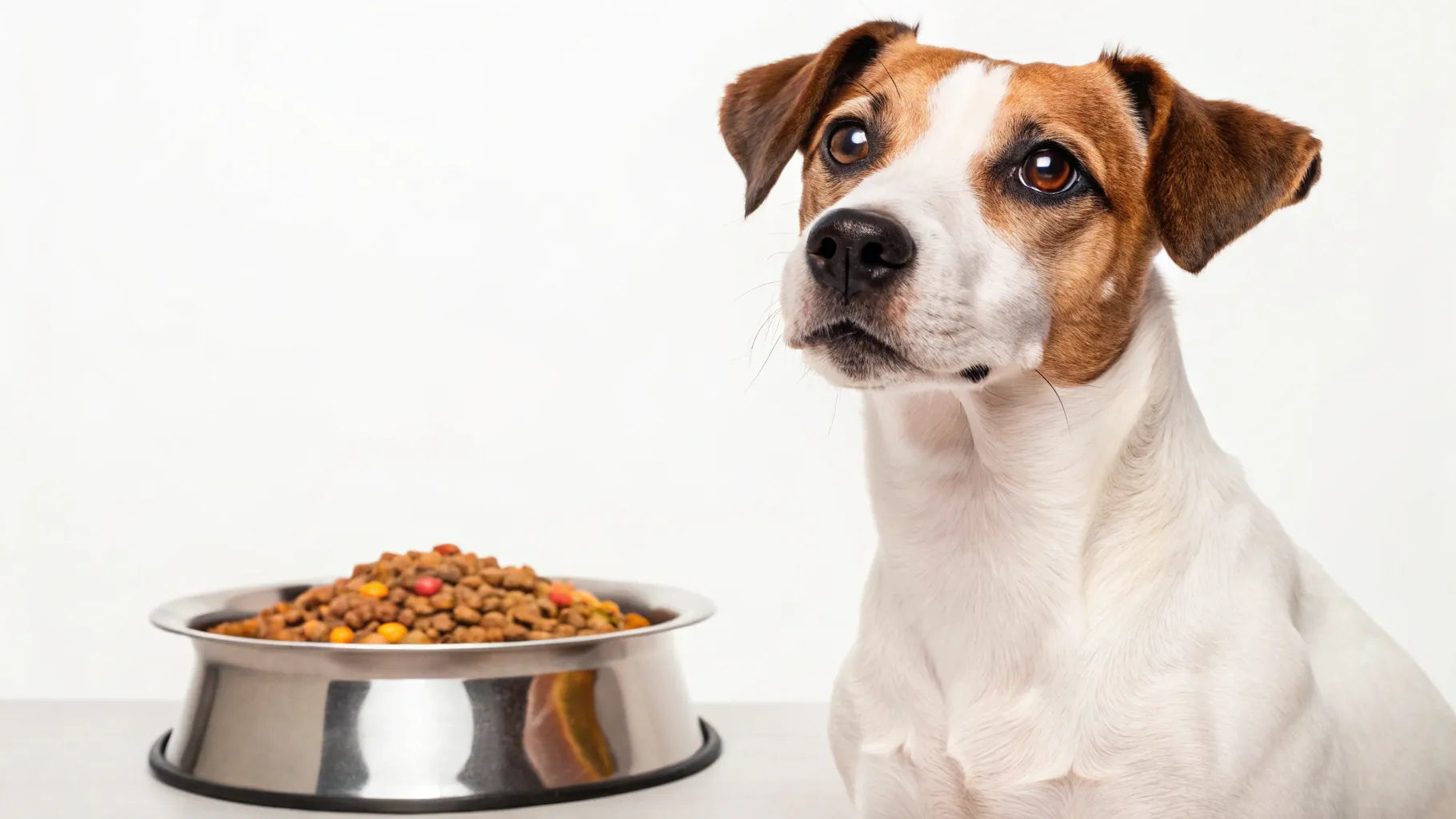
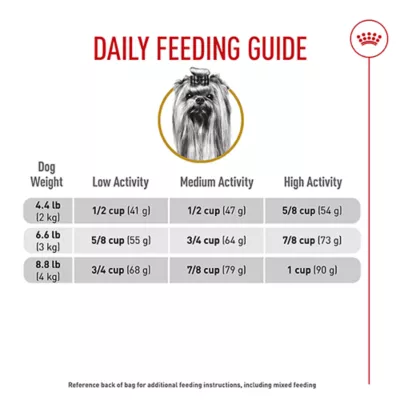
Dry kibble is easy to measure and store. For a 50-pound dog, the daily amount usually ranges between 2 to 3 cups. Check the package for specific feeding guidelines. Adjust portions based on your dog’s activity level and age. Too much kibble can cause weight gain. Too little can lead to nutrient gaps.
Wet Food Portions
Wet food contains more moisture, so dogs eat more by weight but fewer calories. A 50-pound dog needs about 1.5 to 2 cans or trays daily. Always check the label for calorie content. Wet food is good for hydration but can spoil faster once opened. Feed in two or more meals to keep it fresh and appealing.
Raw And Homemade Diets
Raw and homemade diets vary widely in calories and nutrients. Portion sizes depend on the recipe and ingredients. Generally, feed about 2% to 3% of your dog’s body weight daily. For a 50-pound dog, this means 1 to 1.5 pounds of food. Divide meals into two servings. Consult a vet to ensure balanced nutrition and safe handling.
Credit: www.petsmart.com
Feeding Frequency And Schedule
Feeding frequency and schedule play a big role in a dog’s health. A well-planned routine helps maintain energy and supports digestion. Dogs thrive on consistency, so setting regular meal times is key. The right schedule depends on the dog’s age and activity level.
Puppies Vs Adult Dogs
Puppies need more frequent meals to fuel their growth. They usually eat 3 to 4 times a day. This keeps their energy steady and helps with nutrient absorption.
Adult dogs do well with 2 meals a day. Feeding twice helps control hunger and supports metabolism. Avoid free feeding, which can lead to overeating and weight gain.
Adjusting Meals For Activity Level
Active dogs burn more calories and need extra food. Increase meal portions or add a small snack after exercise. Less active dogs need smaller meals to avoid weight gain.
Watch your dog’s weight and energy. Adjust feeding amounts based on their daily routine and activity changes. A balanced feeding schedule supports a healthy lifestyle.
Signs Of Overfeeding And Underfeeding
Knowing the signs of overfeeding and underfeeding helps keep your 50-pound dog healthy. Feeding the right amount is key to good health and happiness. Watch for clear signals from your dog’s body and behavior. These signs show if your dog’s food amount needs adjustment.
Weight Gain And Loss
Weight changes are the easiest signs to spot. Overfeeding often causes steady weight gain. Your dog may look rounder or have a thicker waist. Excess weight can lead to health problems like joint pain or diabetes.
Underfeeding leads to weight loss. Your dog may look thin, with ribs showing clearly. Lack of enough food can cause muscle loss and low energy. Regularly check your dog’s weight to catch these signs early.
Behavioral Changes
Feeding issues affect how your dog acts. Overfed dogs might become less active or sleep more. They could show less interest in play or walks. Sometimes, they may beg for food even after eating enough.
Underfed dogs often seem restless or anxious. They may bark more or search for food. Lack of food can cause irritability and lack of focus. Notice your dog’s mood and activity to spot feeding problems.
Tips For Managing Your Dog’s Weight
Managing your dog’s weight is key to their health and happiness. A healthy weight helps avoid joint problems and heart disease. Proper feeding combined with daily activity keeps your dog fit and energetic.
Regular Exercise
Exercise burns calories and builds muscle. Walk your dog daily for at least 30 minutes. Play fetch or tug-of-war to keep them active. Change activities to prevent boredom. Exercise also strengthens the bond between you and your dog.
Healthy Treat Alternatives
Choose low-calorie treats like baby carrots or apple slices. Avoid giving too many high-fat or sugary snacks. Use small pieces to control portions. Reward good behavior without overfeeding. Healthy treats support weight control and keep your dog happy.
Credit: www.purina.com
Frequently Asked Questions
How Many Cups Of Food For A 50-pound Dog Daily?
A 50-pound dog typically needs about 2. 5 to 3. 5 cups of dry dog food daily. The exact amount depends on their activity level, age, and metabolism. Always check the food packaging for specific feeding guidelines.
What Factors Affect Feeding Amounts For 50-pound Dogs?
Feeding amounts vary based on the dog’s age, activity level, metabolism, and health. Puppies, active dogs, or working breeds may need more food. Senior or less active dogs require less. Consult your vet for personalized advice.
Can Feeding Too Much Harm A 50-pound Dog?
Yes, overfeeding can cause obesity, joint problems, and heart issues in dogs. It reduces lifespan and overall health. Monitor portion sizes and body condition regularly to keep your dog healthy and fit.
How Often Should I Feed My 50-pound Dog Daily?
Most adult 50-pound dogs do well with two meals per day. Puppies may need three to four smaller meals. Regular feeding times help maintain digestion and energy levels. Avoid free-feeding to prevent overeating.
Conclusion
Feeding your 50-pound dog correctly is crucial for their health. Proper nutrition supports energy, growth, and overall well-being. Adjust portions based on age, activity, and health needs. Check with your vet for personalized advice. Monitor your dog's weight and adjust food accordingly.
Always provide fresh water. Keep an eye on treat amounts; they add calories. A balanced diet leads to a happy, healthy dog. Regular check-ups ensure nutritional needs are met. Understanding your dog's unique requirements is key. Feed wisely for a joyful, energetic companion.
Remember, a well-fed dog is a happy dog.