You want your dog to be safe and comfortable when wearing a harness. But how tight should a harness be on a dog to get it just right?
Too loose, and your dog might slip out. Too tight, and it could cause discomfort or even harm. Finding the perfect fit is easier than you think—and it makes a big difference in your dog’s happiness and safety. Keep reading to learn the simple steps you can take to ensure your dog’s harness fits perfectly every time.
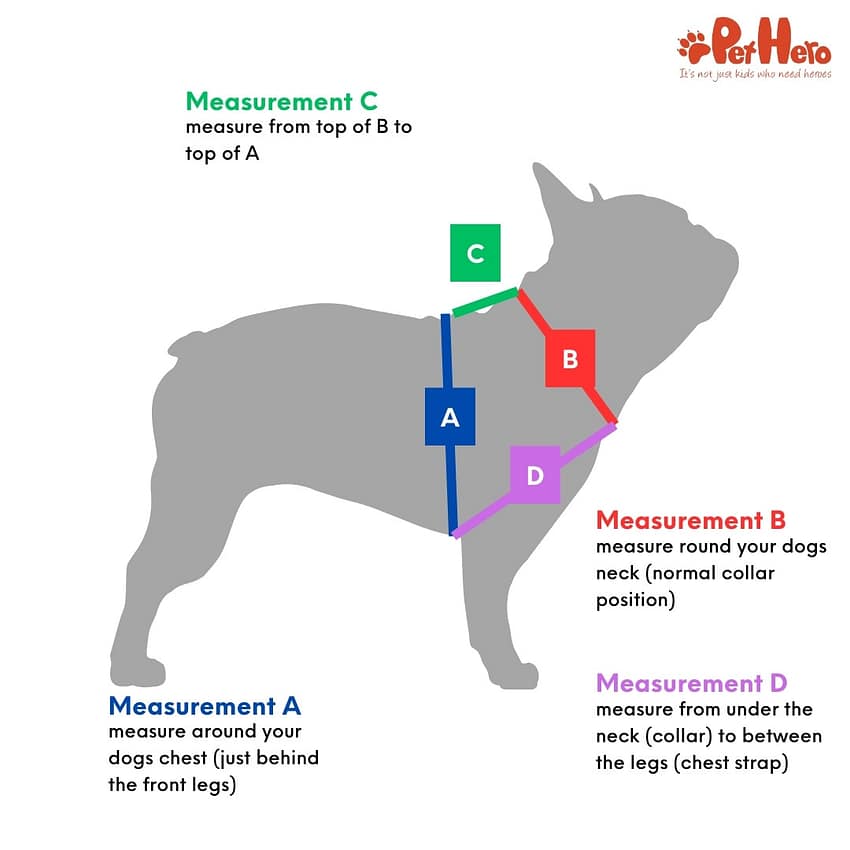
Credit: pethero.co.za
Choosing The Right Harness
Choosing the right harness for your dog is important for safety and comfort. A well-fitted harness helps control your dog without causing pain or restricting movement. It also prevents pulling and reduces stress on the neck. Picking the correct harness depends on your dog’s size, behavior, and activity level. Understanding different types, materials, and sizing can guide you to the best choice for your furry friend.
Types Of Dog Harnesses
There are several types of harnesses, each serving different needs:
- Back-clip harness:The leash attaches on the back. Good for small or calm dogs.
- Front-clip harness:The leash clips at the front. Helps reduce pulling during walks.
- Dual-clip harness:Offers both front and back leash attachments for flexibility.
- Step-in harness:Easy to put on. Your dog steps into it like a vest.
- Vest harness:Covers more body area, providing extra comfort and control.
Materials And Comfort
Comfort depends on the harness material and design. Soft, padded harnesses reduce chafing and irritation. Look for breathable fabrics that keep your dog cool. Lightweight materials avoid extra weight on small dogs. Adjustable straps help fit the harness snugly without tight spots. Avoid harnesses with rough edges or stiff parts that may hurt your dog’s skin.
Sizing Guidelines
Correct size ensures the harness fits well and stays in place. Measure your dog’s chest and neck with a soft tape measure. The harness should be snug but not tight. You should fit two fingers between the harness and your dog’s body. Too loose means your dog can slip out. Too tight can cause discomfort and restrict breathing. Check the size chart provided by the manufacturer for best fit.
Signs Of A Proper Fit
Knowing the signs of a proper fit helps keep your dog safe and comfortable. A well-fitted harness supports your dog’s movements without causing pain. It prevents slipping out or rubbing the skin. Checking for these signs ensures the harness works as it should.
Checking For Snugness
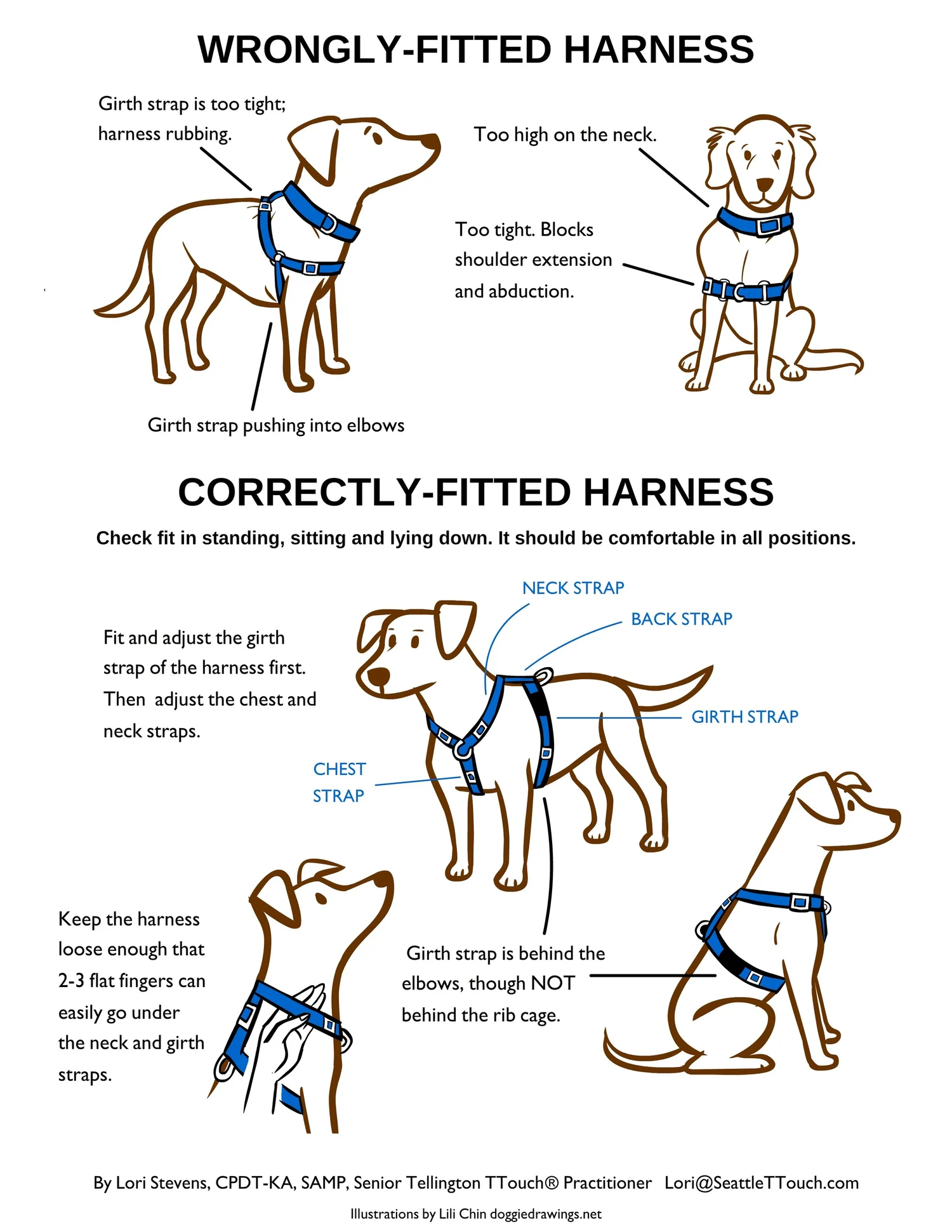
The harness should feel snug but not tight. You can fit two fingers between the harness and your dog’s body. Too loose, and the dog might escape. Too tight, and it can restrict breathing or cause discomfort. Snugness means security and comfort.
Allowing Room For Movement
Your dog needs space to move naturally. The harness must not stop your dog from walking, running, or jumping. It should not pull on the skin or fur. A proper fit lets your dog move easily without slipping or chafing.
Avoiding Chafing And Discomfort
Check for any red marks or sore spots after walks. The harness should not rub or pinch the skin. Soft padding or smooth edges help prevent irritation. Adjust straps to avoid tight spots and keep your dog happy.
Measuring Your Dog
Getting the right harness fit starts with accurate measurements of your dog’s body. Without these, you risk buying a harness that’s too tight or too loose, leading to discomfort or even injury. Measuring your dog properly ensures you choose a harness that keeps them safe and comfortable during walks.
Neck And Chest Measurements
The two key areas to measure are your dog’s neck and chest. The neck measurement goes around the base where the collar normally sits. This spot is crucial because a harness that’s too tight here can choke your dog or cause skin irritation.
Next, measure the chest right behind the front legs, where the harness will wrap around. This is often the widest part of your dog’s torso. A harness that fits well here will prevent slipping or rubbing during movement.
Think about your own pet: I once rushed to buy a harness without measuring, and it ended up pinching my dog’s shoulder. Since then, I always take these two measurements first.
Using A Tape Measure Correctly
Use a soft, flexible tape measure for the most accurate results. Avoid stiff rulers or metal tape measures that can’t curve around your dog’s body.
Wrap the tape snugly but not tight, leaving enough room to slip a finger between the tape and your dog’s skin. This ensures the harness won’t be too restrictive while still being secure.
If your dog is wiggly, enlist a helper to keep them steady. Measure twice to double-check your numbers. Small errors can make a big difference in fit.
- Measure at the right spots: base of neck and widest part of chest
- Keep the tape snug but not tight
- Double-check measurements for accuracy
Have you measured your dog’s neck and chest before buying a harness? If not, try it and notice how much better the fit can be.

Credit: resources.integricare.ca
Adjusting The Harness
Adjusting the harness properly is key to your dog's comfort and safety. A harness that is too tight can cause chafing or restrict movement, while one that is too loose might let your dog slip out. Taking time to adjust it correctly ensures your dog feels secure and you have better control during walks.
Strap Adjustment Tips
Start by loosening all straps before placing the harness on your dog. Once on, tighten the straps gradually, checking the fit frequently.
- Make sure you can slide two fingers comfortably between the harness and your dog’s body. This is a simple way to gauge if it’s snug but not too tight.
- Adjust straps evenly on both sides to keep the harness balanced and prevent it from twisting.
- Pay special attention to areas around the chest and under the legs, where tightness can cause discomfort.
Have you noticed your dog pulling more or seeming uncomfortable? It might be time to revisit these adjustments.
Securing Buckles Safely
Once you’ve adjusted the straps, make sure all buckles click securely into place. A loose buckle can undo your careful adjustments and create a safety risk.
- Test each buckle by giving it a gentle tug to ensure it’s locked.
- Check for any cracks or damage on plastic buckles regularly and replace worn parts immediately.
- If your harness has metal clips, inspect them for rust or bending that could weaken their hold.
Do you double-check the buckles before every walk? It’s a small step that can prevent big problems.
Common Fit Mistakes
Finding the right harness fit for your dog is important. Common mistakes can cause discomfort or safety issues. Many owners either tighten the harness too much or leave it too loose. Both errors affect your dog's comfort and control during walks.
Too Tight Risks
A harness that is too tight can hurt your dog's skin and muscles. It may cause chafing, bruises, or restrict breathing. Dogs might feel pain or stress, making walks unpleasant. Tight harnesses can also limit your dog's movement, leading to joint problems over time.
Too Loose Problems
A loose harness can slip off or cause your dog to escape. It may shift during walks, causing discomfort or skin irritation. Loose harnesses reduce your control, increasing the risk of accidents. Dogs might get tangled or catch the harness on objects, leading to injuries.
Special Considerations
Knowing how tight a harness should be on your dog is essential, but some situations require extra attention. Special considerations come into play with puppies, growing dogs, and those with unique body shapes. Understanding these can help you keep your dog safe and comfortable.
Puppies And Growing Dogs
Puppies and growing dogs need harnesses that adjust as they develop. A harness that fits perfectly today might become too tight in just a few weeks. You should check the fit regularly, at least once every two weeks, to avoid restricting movement or causing discomfort.
Look for harnesses with adjustable straps or multiple sizing options. If you notice any redness, chafing, or reluctance to wear the harness, it may be too tight. Remember, a snug harness should allow you to fit two fingers between the harness and your puppy’s body.
Have you ever struggled to find the right balance between snug and loose on a fast-growing pup? It’s a common challenge that requires patience and frequent adjustments.
Dogs With Unique Body Shapes
Some dogs, like those with deep chests, short legs, or wide shoulders, don’t fit standard harness sizes well. A harness that is too tight in one area can cause discomfort or even injury. For these dogs, custom-fit or specialty harnesses might be the best solution.
Measure your dog’s chest, neck, and girth carefully before purchasing a harness. Look for designs that distribute pressure evenly and avoid sensitive areas. Sometimes, trying different styles—such as step-in versus overhead harnesses—can help you find what works best.
Think about your dog’s unique shape. Does the harness stay in place without sliding or pinching? If not, it might be time to explore options tailored to their body type.
Testing The Fit In Action
Testing the fit of a dog harness goes beyond just measuring. You need to see how it works during real movement. This step helps ensure the harness is comfortable and safe for your dog. Watch closely for any signs of tightness or looseness while your dog walks or runs.
Walking And Running Checks
Start with a short walk in a quiet area. Notice if the harness stays in place or slips. It should not pinch or rub the skin. During running, check if the harness restricts your dog's natural movement. The straps should hold firmly but allow easy leg motion. Adjust if you see chafing or if the harness shifts too much.
Observing Behavior Changes
Watch your dog's behavior carefully. Look for signs of discomfort like scratching or biting the harness. Pay attention to reluctance in walking or sudden stops. A well-fitted harness lets your dog move freely without stress. Any changes in mood or activity level can signal poor fit. Make changes until your dog acts happy and relaxed wearing the harness.

Credit: www.baileyandcoco.com
Frequently Asked Questions
How Tight Should A Dog Harness Fit?
A dog harness should fit snugly but not too tight. You should fit two fingers between the harness and your dog's body. This ensures comfort and prevents chafing or escape.
Can A Harness Be Too Loose For Dogs?
Yes, a loose harness can cause discomfort and increase escape risk. It may rub the skin and cause chafing. Proper fit is essential for safety and control.
How Do I Check If The Harness Fits Well?
Check the harness fit by sliding two fingers under the straps. The harness should be secure but not restrict movement or breathing. Adjust straps as needed for comfort.
Why Is Proper Harness Fit Important For Dogs?
A proper fit prevents injuries, discomfort, and escape. It ensures better control during walks and protects your dog’s skin. A well-fitted harness improves safety and your dog’s overall experience.
Conclusion
Finding the right harness fit keeps your dog safe and comfortable. A snug fit ensures control without causing discomfort. Check for two fingers' space under the harness. This helps your dog move freely. Always observe your dog’s behavior. Adjust if needed for better comfort.
A correctly fitted harness means happier walks. You and your dog will enjoy the outdoors more. A perfect fit prevents pulling and potential harm. Regularly check the harness for wear and tear. Replace when necessary. With the right fit, your dog stays secure and content.
Enjoy every walk with peace of mind.