
If you have a dog that needs a muzzle for safety or training, making one at home can be a smart and quick solution. You might feel unsure about where to start or worry about finding the right materials.
Don’t worry—this guide will walk you through simple steps to create a comfortable, effective muzzle that fits your dog perfectly. By the end, you’ll have the confidence to protect your furry friend and others, without spending a fortune or waiting for delivery.
Keep reading to learn how easy it can be to make a homemade muzzle that works.
Choosing The Right Materials
Choosing the right materials for a homemade dog muzzle is key to making sure your pet stays safe and comfortable. The fabric you pick and the tools you use will affect how well the muzzle fits and how your dog reacts to wearing it. It’s not just about durability—comfort and safety must be your top priorities.
Safe And Comfortable Fabrics
Look for soft, breathable fabrics like cotton or nylon mesh that won’t irritate your dog’s skin. These materials allow airflow, helping your dog stay cool even on hot days. Avoid stiff or rough fabrics that can chafe or cause discomfort during use.
Think about your dog’s size and fur type. A small dog with sensitive skin might need a lighter, softer fabric, while a larger dog might require something sturdier but still gentle. Have you checked if the fabric stretches enough to fit snugly but not too tight?
Tools You Will Need
- Measuring tape to get accurate dimensions of your dog’s snout and head
- Scissors sharp enough to cut through thick fabric without fraying
- Sewing needle and strong thread or a sewing machine for durable stitching
- Velcro strips or adjustable straps for easy fastening and a secure fit
- Optional: padding material to add comfort around pressure points
Having these tools ready makes the process smoother and ensures your muzzle holds up well over time.
Avoiding Harmful Components
Keep away from materials with toxic dyes, chemicals, or small detachable parts that your dog could swallow. Plastic bits might break, and metal parts can rust or pinch the skin.
Check every piece before sewing it together. Could any sharp edges or loose threads hurt your dog? Your dog’s safety depends on your careful choice and inspection of all components.
Measuring Your Dog
Measuring your dog accurately is the foundation of creating a homemade muzzle that fits comfortably and safely. Without the right measurements, even the best materials won’t make a good muzzle. Taking precise measurements ensures your dog can breathe, pant, and drink while wearing the muzzle.
Key Measurements To Take
Start by measuring the circumference of your dog’s snout just below the eyes. This is where the muzzle will wrap around, so it needs to be snug but not tight.
Next, measure the length from the tip of the nose to just below the eyes. This length defines how far the muzzle will extend without restricting mouth movement.
Don’t forget to measure the circumference of the neck, where the muzzle strap will sit. A secure fit here prevents the muzzle from slipping off.
| Measurement | How to Measure | Why It Matters |
|---|---|---|
| Snout Circumference | Wrap a soft tape measure around just below the eyes | Ensures muzzle fits comfortably without choking |
| Snout Length | Measure from nose tip to below the eyes | Prevents muzzle from restricting mouth movement |
| Neck Circumference | Measure where the muzzle strap will go | Keeps muzzle securely in place |
Tips For Accurate Sizing
Use a flexible tape measure or a piece of string you can mark and then measure with a ruler. Hard rulers won’t contour to your dog’s face and can give incorrect numbers.
Take measurements when your dog is calm and standing still. An excited or moving dog can make the tape shift, leading to errors.
Measure twice to be sure. Even a small mistake can make the muzzle uncomfortable or unsafe.
Consider your dog’s fur—thick or long fur might add extra bulk. Measure closely against the skin to avoid adding extra space.
Have you ever bought something that just didn’t fit right? Measuring your dog carefully now saves you frustration and keeps your pet safe later.
Simple Muzzle Designs
Simple muzzle designs are a great way to create a safe and comfortable fit for your dog without spending a lot of money. They allow you to customize the muzzle to suit your dog’s size and behavior, ensuring it works well in different situations. Let’s look at three popular types of homemade muzzles that you can easily make at home.
Fabric Muzzle
Fabric muzzles are soft, lightweight, and easy to make with materials like old t-shirts or sturdy cotton cloth. You can cut the fabric into strips and sew or tie them into a muzzle shape that fits snugly around your dog’s snout and head.
These muzzles provide gentle restraint and are good for short periods, such as vet visits or grooming. Make sure the fabric doesn’t restrict your dog’s breathing or panting, as this can cause discomfort or stress.
Mesh And Wire Options
Using mesh or wire gives your dog more airflow and prevents them from biting, making these muzzles ideal for active dogs. A simple wire cage shape can be crafted from soft but strong wire, padded with fabric or foam to avoid hurting your dog’s nose.
Mesh muzzles can be made by stitching a breathable, tough netting material into a cone shape, secured with straps around the dog’s head. This design keeps your dog’s mouth safely contained while allowing them to pant and drink water.
Leather Straps
Leather straps offer durability and a classic look. You can cut strips of leather and fasten them with rivets or strong stitches to create a muzzle that is both sturdy and adjustable.
Leather is gentle on your dog’s skin but strong enough to prevent biting. It’s important to smooth the edges and regularly check for wear and tear to keep your dog comfortable and safe.

Credit: www.muzzletrainingandtips.com.au
Step-by-step Construction
Creating a homemade muzzle for your dog can be straightforward and effective if you follow clear steps. Each phase of the construction ensures the muzzle is safe, comfortable, and functional. Let’s break down the process so you can build a muzzle that suits your dog’s needs perfectly.
Cutting Materials
Start by gathering the materials: durable fabric like nylon or leather, soft padding, and sturdy straps. Measure your dog’s snout carefully to avoid discomfort or tightness. Cut the fabric into strips and panels that will form the main body of the muzzle, keeping extra length for adjustments.
Use sharp scissors to get clean edges, which prevent fraying and make assembly easier. Pay attention to symmetry—both sides should mirror each other to fit snugly. Have you checked if your dog’s snout measurement allows enough breathing space?
Assembling The Pieces
Lay out your cut pieces on a flat surface before sewing or gluing. Attach the padding to the inner side of the fabric panels for added comfort. Secure the edges with strong stitches, focusing on areas that will bear the most pressure.
Connecting the panels to form the muzzle shape is key. Use reinforced stitching or heavy-duty glue to keep everything in place. Remember, durability is crucial if your dog tends to pull or chew.
Adding Fasteners And Adjustments
Choose adjustable fasteners like Velcro straps, buckles, or snaps. These allow you to fine-tune the fit and easily put the muzzle on or take it off. Attach the fasteners securely at points that won’t irritate your dog’s skin.
Test the muzzle’s fit on your dog and observe their reaction. Can your dog pant and drink water comfortably? Adjust the straps if needed to balance security and comfort. Adding a quick-release feature can enhance safety during unexpected situations.
Fitting The Muzzle Safely
Fitting a homemade muzzle properly is essential for your dog’s safety and comfort. A muzzle that is too tight can cause pain or injury, while one that’s too loose might slip off or fail to protect. Paying close attention to how the muzzle sits on your dog’s face helps prevent stress and ensures it serves its purpose effectively.
Checking Comfort And Security
Start by observing your dog’s reaction after putting the muzzle on. Is your dog panting easily or trying to paw it off? These signs can indicate discomfort or poor fit.
Make sure your dog can still open its mouth slightly and breathe without difficulty. Dogs need to pant to cool down, so if the muzzle restricts this, it’s not safe.
Look for any rubbing or chafing spots after wearing the muzzle for a few minutes. Adding soft padding at pressure points can help prevent irritation and make your dog more willing to wear it.
Adjusting Straps Properly
The straps should be snug but not tight enough to pinch the skin. You want to secure the muzzle so it doesn’t move around, but your dog must feel comfortable.
Check that the straps sit flat against your dog’s fur without twisting. Twisted straps can cause uneven pressure and discomfort.
- Use adjustable buckles or Velcro to fine-tune the fit.
- Test the fit by gently trying to slide the muzzle off; it should stay in place but not feel like a chokehold.
- Remember to recheck the fit regularly, especially if your dog is still growing or has thick fur.
Have you noticed how a well-fitted muzzle changes your dog’s behavior? When your dog feels secure and comfortable, the muzzle becomes less of a battle and more of a tool you both trust.

Credit: www.youtube.com
Introducing The Muzzle To Your Dog
Introducing a muzzle to your dog requires patience and care to ensure they feel safe and comfortable. The goal is to make the muzzle a positive part of their experience, rather than something scary or restrictive. This process can strengthen your bond and help your dog adjust smoothly to wearing the muzzle.
Positive Reinforcement Techniques
Start by letting your dog see and sniff the muzzle without putting it on. Reward them immediately with treats and praise to create a happy association.
Next, gently touch the muzzle to your dog’s nose and offer a treat. Repeat this several times until your dog is relaxed and curious, not fearful.
- Give treats when your dog willingly approaches the muzzle.
- Use calm, encouraging words to keep your dog at ease.
- Keep sessions short and enjoyable to build trust.
Have you noticed how your dog responds to new things? Using treats and calm encouragement can turn a scary item into a favorite toy.
Gradual Wearing Sessions
Once your dog is comfortable around the muzzle, try placing it on for just a few seconds. Immediately reward your dog with treats and affection.
Slowly increase the time your dog wears the muzzle, but always watch for signs of stress. If your dog seems uncomfortable, shorten the session and try again later.
| Duration | Action | Reward |
|---|---|---|
| 5 seconds | Put muzzle on gently | Favorite treat + praise |
| 15 seconds | Keep muzzle on while petting | Extra treat + calm words |
| 1 minute | Walk around with muzzle | Playtime or walk reward |
How long does your dog usually take to get used to something new? Observing their pace helps you adjust the sessions and keep the experience positive.
Maintenance And Care
Proper maintenance and care keep your dog’s homemade muzzle safe and comfortable. Regular attention prevents damage and keeps it clean. This helps your dog wear it without discomfort or risk of injury.
Cleaning The Muzzle
Wash the muzzle after each use to remove dirt and saliva. Use mild soap and warm water. Avoid harsh chemicals that can irritate your dog’s skin.
Rinse thoroughly to remove all soap. Let the muzzle air dry completely before storing. Avoid direct sunlight to prevent material damage.
Inspecting For Wear And Tear
Check the muzzle regularly for signs of damage. Look for frayed edges, broken straps, or loose stitching.
Examine metal parts for rust or bending. Damaged parts can cause discomfort or break during use.
Replace or repair worn parts immediately to ensure safety. A well-maintained muzzle lasts longer and protects your dog better.
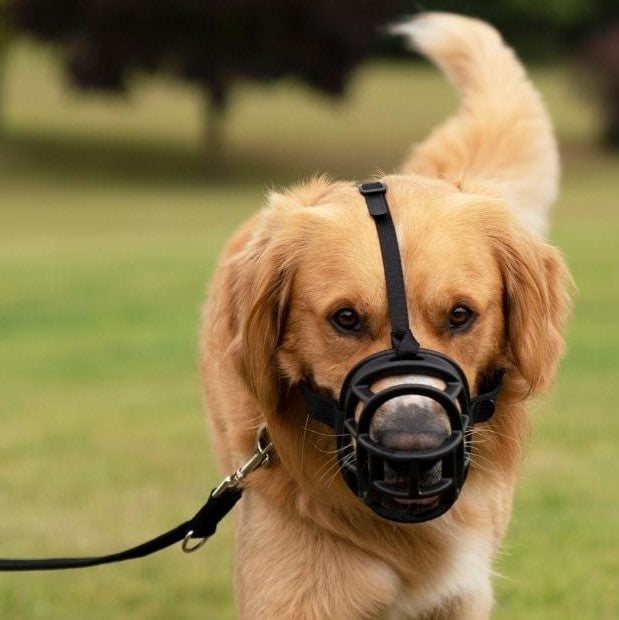
Credit: www.weknowpets.com.au
When To Avoid Homemade Muzzles
Making a homemade muzzle can be helpful in some cases. Still, there are times you should avoid using one. Safety and comfort matter most for your dog. A homemade muzzle might not work well for all dogs or situations.
Behavioral Concerns
Dogs with high anxiety or aggression need special care. A homemade muzzle might increase stress or cause harm. It can make your dog feel trapped or scared. Professional training and proper equipment are better choices. Muzzles alone do not fix behavior problems. Use them only as a last resort and under expert guidance.
Specific Dog Breeds
Some dog breeds have unique needs. Short-nosed breeds like Bulldogs or Pugs may struggle to breathe with a homemade muzzle. Large or strong breeds might break simple muzzles easily. Breeds with sensitive skin or medical issues need soft, well-fitted muzzles. Commercial muzzles made for specific breeds offer better safety and comfort.
Frequently Asked Questions
How Can I Safely Make A Muzzle For My Dog At Home?
Use soft, breathable materials like nylon or mesh for comfort. Ensure it fits snugly but allows panting and drinking. Avoid tight knots and sharp edges to prevent injury.
What Materials Are Best For Homemade Dog Muzzles?
Nylon straps, mesh fabric, and soft padding work well. These materials are lightweight, durable, and comfortable for dogs. Avoid rigid or heavy materials that can cause discomfort.
How Do I Measure My Dog For A Homemade Muzzle?
Measure around the snout’s widest part and the length from nose tip to behind the eyes. Proper measurements ensure a secure and comfortable fit without restricting breathing.
Can Homemade Muzzles Prevent Biting Effectively?
Yes, if designed correctly, homemade muzzles can prevent biting. They should restrict mouth opening but allow panting and drinking. Always supervise your dog while using any muzzle.
Conclusion
Creating a homemade muzzle for your dog is simple. It offers safety and peace of mind. Use materials you already have at home. Measure your dog's snout carefully. Ensure comfort and fit. Always supervise your dog when wearing the muzzle.
This DIY approach saves money. Plus, it helps in emergencies. Remember, a muzzle isn't for punishment. It's a tool for safety. Practice patience with your pet. Gradually introduce the muzzle. Your dog will adjust over time. Enjoy the benefits of a well-fitted, homemade muzzle.
Keep your pet safe and happy.