Creating a dedicated outdoor potty area for your dog on concrete might sound tricky, but it doesn’t have to be. If you’re tired of messes inside or struggling to train your dog where to go, this guide is for you.
You’ll learn simple, effective steps to build a clean, easy-to-maintain spot your dog will love. By the end, you’ll have a fresh solution that saves you time and keeps your home smelling great. Ready to make your outdoor space work for both you and your furry friend?
Let’s dive in.
Choosing The Right Spot
Choosing the right spot for your outdoor dog potty area on concrete is essential for both your dog's comfort and your convenience. The location affects how often your dog uses the area and how easy it is for you to maintain cleanliness. Careful thought about sun exposure, access, and surrounding activity can make a big difference in success.
Assessing Sun And Shade
Your dog’s potty area should have a good balance of sun and shade. Too much sun can make the concrete uncomfortably hot for your dog’s paws. Too much shade, especially in cooler climates, might leave the spot damp and smelly.
Think about how sunlight moves across your yard during the day. You want a place that warms up in the morning but cools down by afternoon. Have you noticed where your dog prefers to hang out during different times of the day? That can give you a clue.
Considering Accessibility
Pick a spot that your dog can reach easily from the house. If you have a small dog or senior pet, long distances or obstacles can discourage potty visits. Accessibility means more frequent and stress-free trips outside.
Also, consider your own ease of cleaning and maintenance. Is the spot near a water source for quick rinses? Can you reach it without dragging hoses or moving furniture? A well-placed potty area saves you time and effort every day.
Avoiding High Traffic Areas
Dogs can be sensitive to noise and activity around their potty spot. Avoid places near doorways, play areas, or busy walkways. Too much foot traffic can make your dog anxious or distracted during potty time.
Watch how your dog reacts to different parts of your yard. Does your pet avoid certain spots when kids are playing or guests arrive? Choosing a quiet corner can help your dog focus and feel secure.

Credit: www.youtube.com
Selecting Materials
Selecting the right materials is key to building a practical outdoor dog potty area on concrete. The materials must be durable, easy to clean, and comfortable for your dog. Choosing the correct components helps keep the area hygienic and odor-free. It also ensures your dog feels safe and happy using the space.
Types Of Potty Pads And Turf
Potty pads come in many varieties. Look for pads that absorb liquids well and dry quickly. Some pads have antimicrobial layers to reduce smells.
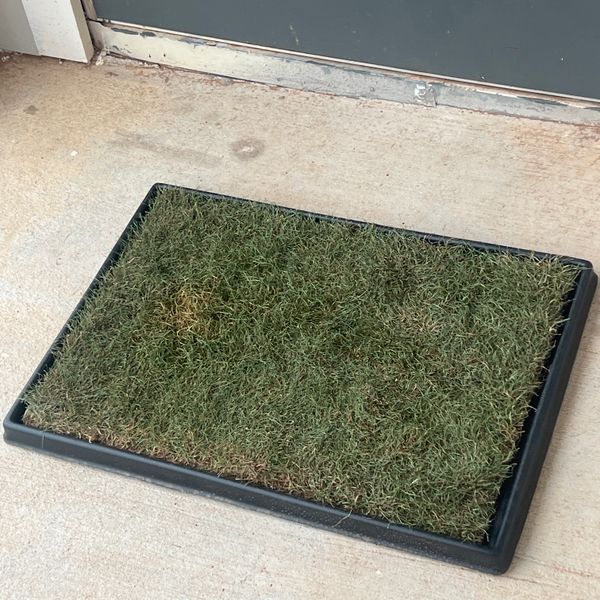
Artificial turf is a popular choice. It looks natural and drains water efficiently. Choose turf made for pets, with a soft texture and good drainage holes. This helps keep your dog’s paws clean.
- Disposable potty pads for easy cleanup
- Reusable potty pads with waterproof backing
- Pet-specific artificial turf with strong drainage
Drainage Solutions
Proper drainage is essential to avoid puddles and smells. Concrete does not absorb water, so add drainage options below the turf or pads.
Consider adding a layer of gravel or a drainage mat under the turf. This directs urine away and prevents pooling. Slope the concrete slightly to guide liquids toward a drain or garden area.
- Gravel base for natural drainage
- Drainage mats to channel liquids
- Sloped concrete surface for runoff
Cleaning Supplies
Keep cleaning supplies close to maintain hygiene. Use pet-safe cleaners to avoid harming your dog. Regular cleaning prevents stains and odors.
Equip the area with:
- Enzyme-based cleaners to break down urine
- Disinfectant sprays safe for pets
- Brushes or scrubbers for turf cleaning
- Disposable gloves and waste bags
Preparing The Concrete Surface
Preparing the concrete surface is a crucial step when building an outdoor dog potty area. The right preparation ensures safety, hygiene, and durability. Ignoring this can lead to slippery spots, poor drainage, and unpleasant odors that affect both you and your dog.
Cleaning And Sanitizing
Start by removing all dirt, debris, and any stains from the concrete. Use a stiff broom or a pressure washer to clean the surface thoroughly. After that, apply a pet-safe disinfectant to kill bacteria and prevent unpleasant smells.
Let the surface dry completely before moving on. Cleaning isn’t just about looks—it protects your pet from harmful germs. Have you ever noticed how a clean area makes your dog more comfortable and willing to use it?
Creating A Non-slip Base
Concrete can get slippery when wet, which poses a risk for your dog. To avoid this, add a textured coating or use anti-slip paint designed for outdoor use. Another option is to lay down rubber mats or artificial turf that provide grip and comfort.
Think about your dog’s safety—would you want them to slip every time they step outside? A non-slip surface encourages your dog to use the potty area confidently and keeps accidents away.
Installing Drainage Options
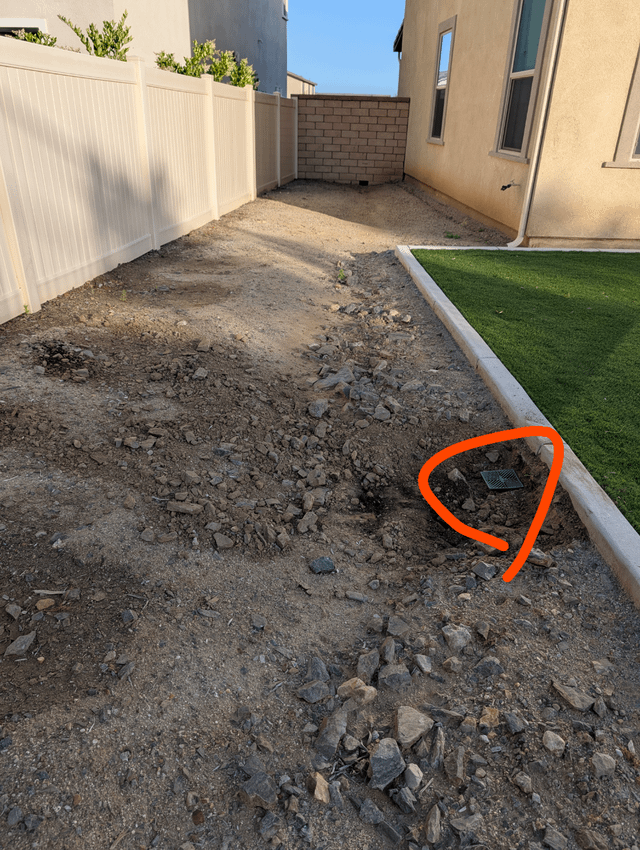
Proper drainage is key to keeping the area clean and odor-free. You can create small sloped sections on the concrete to guide urine toward a drain or install a grated drain system. Another idea is to add a layer of gravel or sand along the edges to absorb excess moisture.
Consider how water and waste will flow during heavy rain or frequent use. Efficient drainage helps maintain a fresh-smelling, dry space that both you and your dog will appreciate every day.
Building The Potty Area
Creating a dedicated outdoor potty area on concrete requires more than just clearing a space. You want a spot that feels natural and comfortable for your dog while being easy for you to maintain. Thoughtful planning during the building phase can make a big difference in how quickly your dog adapts and how well the area holds up over time.
Laying Turf Or Pads
Covering concrete with turf or potty pads transforms a hard surface into a dog-friendly spot. Artificial turf with a drainage system underneath works well because it lets urine flow through, keeping the surface dry and odor-free.
If you prefer something softer, potty pads offer a quick solution, especially for smaller dogs or temporary setups. Just make sure to replace them regularly to avoid unpleasant smells and mess.
Have you noticed your dog hesitates on new surfaces? Using familiar scents on the turf or pads can encourage quicker acceptance and regular use.
Installing Borders Or Fencing
Borders help define the potty area and keep your dog focused on that spot. You can choose low fencing, garden edging, or even decorative stones to create a clear boundary.
Fencing also keeps other pets or children out and prevents your dog from wandering off during potty time. When I added a small picket fence around my dog's potty patch, it reduced distractions significantly.
Think about your dog’s size and temperament when choosing the border height and materials to ensure it feels secure without being restrictive.
Adding Shade Or Shelter
Dogs avoid using potty spots that get too hot or cold. Adding shade with a simple canopy, umbrella, or planting a tree can make a huge difference in comfort.
In rainy or snowy seasons, a shelter protects both your dog and the area itself, preventing puddles and mud buildup. I’ve found that even a small, roofed structure encourages my dog to stick to the designated potty spot regardless of weather.
What kind of shelter would fit your yard and keep your dog comfortable year-round?
Training Your Dog
Training your dog to use the new outdoor potty area on concrete helps keep your yard clean. It also makes bathroom breaks easy and stress-free. Patience and consistency are key to success. Your dog will learn faster with clear signals and rewards.
Introducing The New Area
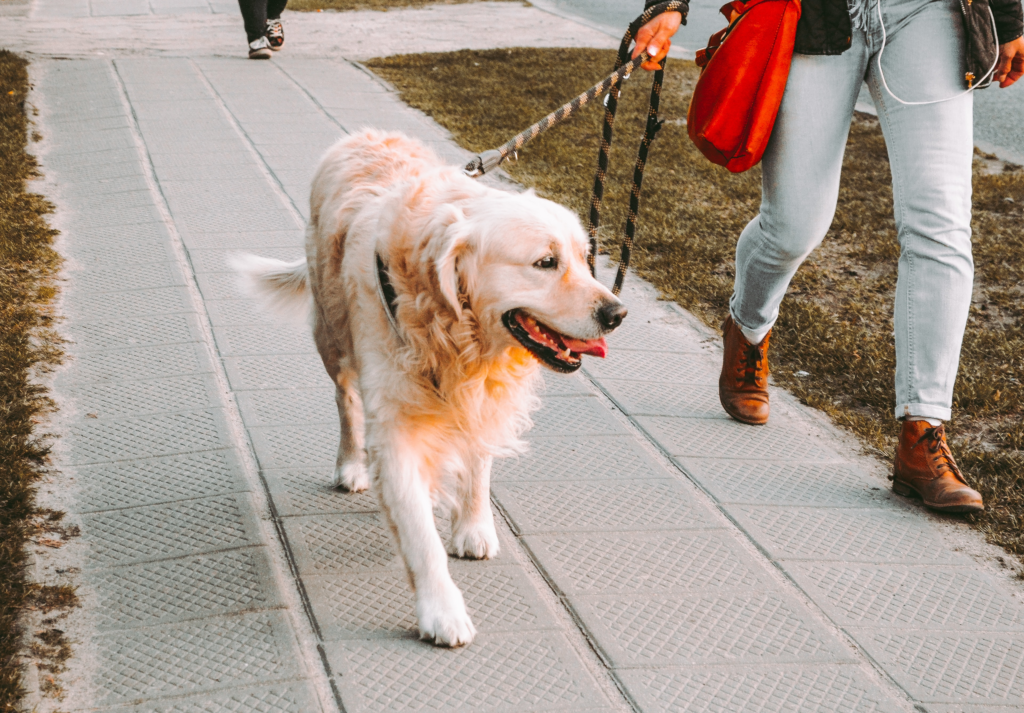
Start by showing your dog the potty area. Let them sniff and explore it calmly. Use a leash to guide them there during bathroom times. Stay close and watch for signs your dog needs to go. Praise your dog softly to create a positive feeling.
Using Positive Reinforcement
Reward your dog with treats or gentle petting after using the area. This helps your dog connect the space with good things. Speak in a happy tone to encourage them. Avoid punishment; it can cause fear or confusion. Keep rewards consistent to build trust.
Establishing A Routine
Take your dog to the potty area at the same times daily. Regular trips help your dog understand when to go. Morning, after meals, and before bedtime are good times. Stay patient if accidents happen; they are part of learning. Over time, your dog will use the area without reminders.

Credit: mrplantgeek.com
Maintenance Tips
Keeping your outdoor dog potty area clean and fresh is key for a healthy space. Regular care helps avoid bad smells and keeps your dog happy. Follow simple steps to maintain the area without much effort.
Regular Cleaning
Remove solid waste daily to keep the area hygienic. Use a hose to rinse the concrete and surrounding surfaces. Mild soap or pet-safe cleaner helps remove dirt and bacteria. Clean the area at least twice a week for best results. Dry the surface to prevent slippery spots and mold growth.
Replacing Pads Or Turf
Artificial turf or potty pads wear out over time. Check them often for damage or stains. Replace pads or turf every few months or when they look worn. This keeps the area comfortable and clean for your dog. Dispose of old materials properly to avoid odors and pests.
Preventing Odors
Use baking soda or pet odor neutralizers on the concrete and pads. Sprinkle these regularly to absorb smells. Ensure good drainage to avoid standing urine. Keep the area sunny or well-ventilated to help drying. This reduces bacteria growth and keeps the space fresh longer.
Credit: www.freshpatch.com
Frequently Asked Questions
How Do I Prepare Concrete For A Dog Potty Area?
Clean the concrete surface thoroughly. Remove dirt, debris, and stains. Ensure it is dry before installing any potty materials. This prevents odors and improves hygiene.
What Materials Work Best For Outdoor Dog Potty On Concrete?
Artificial turf, pea gravel, and drainage mats are ideal. These materials allow easy cleaning and proper drainage. They also prevent mess and keep the area odor-free.
How To Control Odor In A Concrete Dog Potty Area?
Use odor-neutralizing sprays or enzyme cleaners regularly. Ensure good drainage to avoid standing urine. Clean the area daily to maintain freshness and hygiene.
Can I Train My Dog To Use The Outdoor Potty Area?
Yes, use positive reinforcement and consistency. Lead your dog to the potty area after meals or walks. Reward them for successful use to encourage habits.
Conclusion
Creating an outdoor dog potty area on concrete is simple and useful. Choose the right materials and plan the space well. Keep the area clean and check it often. Your dog will have a safe spot outside to go. This small effort makes life easier for both of you.
Start building today and enjoy a cleaner yard tomorrow.