Training your dog with an electric fence can feel like a big challenge, but it doesn’t have to be. If you want to keep your furry friend safe and give them the freedom to roam, this method might be just what you need.
You may wonder how to make sure your dog understands the boundaries without feeling scared or confused. In this guide, you’ll discover simple, effective steps to train your dog using an electric fence with confidence and care. Ready to turn your yard into a safe space your dog won’t want to leave?
Let’s get started.

Credit: www.ebay.ca
Choosing The Right Electric Fence
Choosing the right electric fence is essential for effective dog training. The fence must suit your dog’s size, behavior, and your yard’s layout. A good choice ensures your dog stays safe and learns boundaries quickly.
Types Of Electric Fences
- In-ground fences:Wires are buried underground around the yard perimeter.
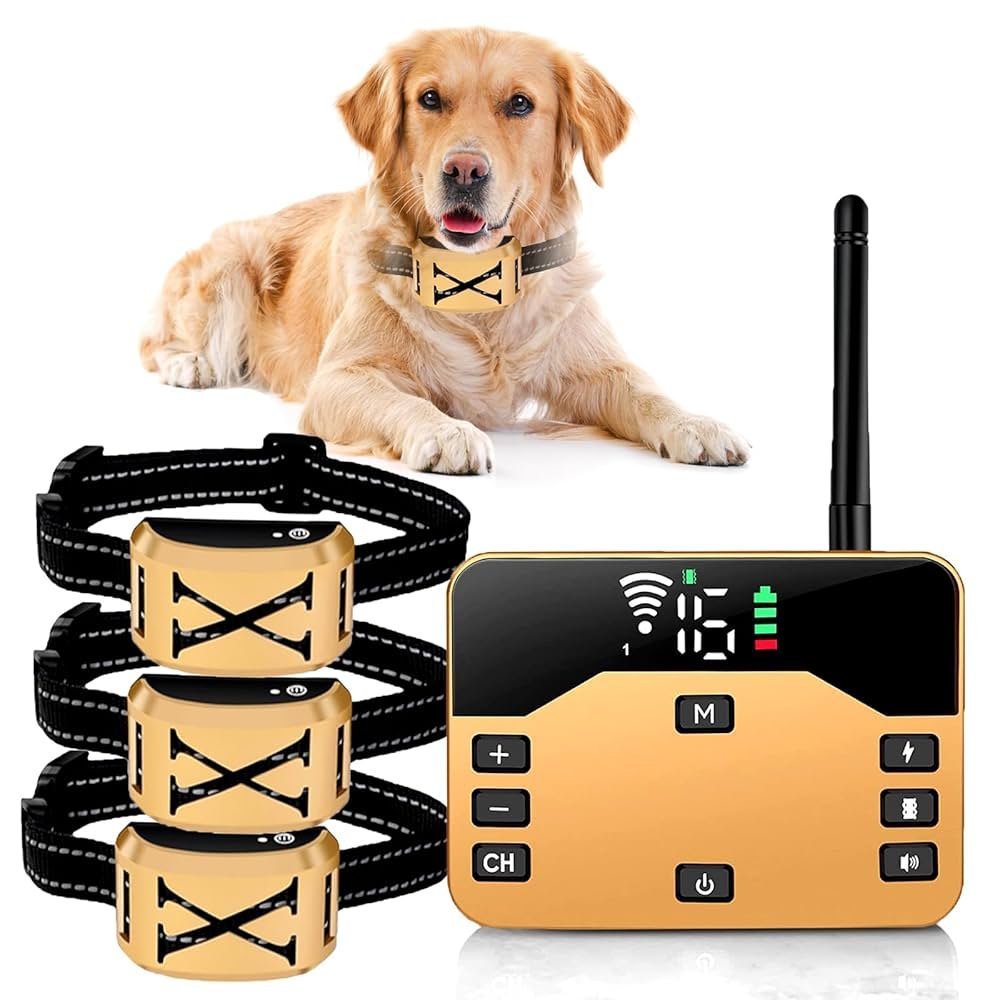
- Wireless fences:A central unit sends signals to a receiver collar.
- Portable fences:Temporary setups for travel or short-term use.
Each type offers different coverage and installation needs. Consider your yard size and flexibility requirements.
Key Features To Consider
- Adjustable shock levels:Allows control of stimulation strength.
- Range:Must cover your entire yard or desired area.
- Battery life:Long-lasting batteries reduce maintenance.
- Collar comfort:Lightweight and adjustable collars improve dog comfort.
- Training modes:Some systems offer warning tones before shocks.
Safety Standards And Certifications
Choose fences that meet recognized safety standards. Look for certifications from trusted organizations.
These ensure the system delivers safe stimulation and prevents harm to your dog. Check product manuals and labels carefully.
Preparing Your Dog For Training
Preparing your dog for training with an electric fence is key for success. The process needs patience and care. You must understand your dog’s personality and introduce the tools gently. Clear rules help your dog learn quickly. This stage builds trust and makes the training smooth.
Assessing Your Dog's Temperament
Watch how your dog reacts to new things. Some dogs are calm and easygoing. Others may be nervous or stubborn. Knowing your dog’s nature guides your training approach. Sensitive dogs need a softer introduction. Confident dogs may learn faster but still require patience.
Introducing The Collar
Let your dog wear the collar without activating it at first. This helps your dog get used to the feeling. Check for comfort and fit. Use treats and praise to create a positive link. Avoid surprises or sudden corrections during this phase.
Setting Expectations
Keep training sessions short and clear. Use simple commands your dog already knows. Reward good behavior immediately. Avoid punishment or harsh tones. Consistency and kindness set the right tone. Your dog will understand the boundaries faster.
Setting Up The Electric Fence System
Setting up an electric fence system properly is key to training your dog safely and effectively. It involves more than just placing wires around your yard—you need to carefully plan and execute each step to ensure the system works without causing stress to your pet. Let’s break down the essential parts of installation, testing, and adjusting the correction levels so you can feel confident about your setup.
Installing The Boundary Wire
Start by mapping out the area where you want your dog to stay. Use stakes or flags to mark the boundary line clearly before you begin laying the wire. This helps prevent mistakes and ensures you cover the right perimeter.
Run the boundary wire along the marked path, keeping it tight and secure. Avoid sharp turns or crossing wires, as these can interfere with the signal. Bury the wire a few inches underground or use wire clips to attach it to fences or other structures for stability.
Think about obstacles like trees or garden beds, and adjust the wire path accordingly. If you have a garden, you don’t want your dog to accidentally get shocked near delicate plants. Planning your wire layout thoughtfully prevents these issues and keeps your dog’s training on track.
Testing The System
Once the wire is installed, testing the system is crucial before introducing your dog to it. Use the transmitter’s test mode to check for signal consistency throughout the boundary. Walk along the wire line with a receiver collar to confirm the signal strength is steady and covers the entire area.
Look for weak spots or dead zones where the signal fades or cuts out. These areas can confuse your dog and undermine your training efforts. Fix any issues by tightening wires or adjusting the transmitter’s position to maintain a solid, continuous boundary.
Have you checked the batteries in your collar and transmitter? Low power can cause the system to malfunction. Regular maintenance checks can save you from surprises and keep the training process smooth.
Adjusting The Correction Levels
Every dog reacts differently to the correction stimulus, so customizing the intensity is important. Start with the lowest correction level and observe your dog’s reaction carefully. If your dog seems confused or frightened, lower the setting or give them more time to adjust.
If the correction is too mild, your dog may ignore the boundary. Increase the level gradually until your dog responds appropriately without showing signs of stress. It’s a delicate balance to maintain—too strong can harm trust, too weak can reduce effectiveness.
Remember, correction levels aren’t just about safety—they’re about communication. You want your dog to understand the boundary clearly, not just feel discomfort. What signals does your dog respond to best? Tailoring the correction to your dog’s temperament makes training more humane and successful.

Credit: advantia.com.au
Training Techniques For Success
Training a dog to respect an electric fence requires patience and clear communication. Using the right techniques helps your dog understand boundaries without fear. This section explains practical steps to teach your dog effectively.
Using Visual And Audible Cues
Dogs learn best with clear signals. Use flags or markers along the fence line. These act as visual reminders of the boundary. Pair these with a beep or warning sound from the collar. This helps your dog connect the signals to the boundary. Repeat this consistently during training sessions.
Positive Reinforcement Strategies
Reward your dog for staying inside the boundary. Use treats, praise, or petting to encourage good behavior. Avoid punishment to prevent fear or anxiety. Positive rewards build trust and make training enjoyable. Reward immediately after your dog responds to the cues.
Gradual Boundary Expansion
Start training with a small safe area. Let your dog explore and learn the limits. Slowly increase the boundary size as your dog becomes confident. This prevents confusion and reduces stress. Gradual expansion helps your dog adapt at its own pace.
Common Challenges And Solutions
Training a dog with an electric fence can bring challenges. Understanding common issues helps keep training smooth and safe. Each dog reacts differently to the fence and training. Patience and clear techniques solve most problems quickly.
Dealing With Fear Or Anxiety
Some dogs feel scared or anxious about the fence signals. Signs include trembling, hiding, or refusal to approach the boundary. Gradual introduction reduces fear. Use a leash to guide your dog near the fence slowly. Praise and reward calm behavior.
Keep training sessions short and positive. Avoid punishment or harsh tones. Comfort your dog and provide a safe space away from the fence. Over time, your dog will learn the boundary without stress.
Handling Fence Malfunctions
Electric fences can malfunction due to weather or wiring issues. Common problems include weak signals or no shock at all. Regularly check the fence wire for breaks or damage. Test the transmitter to ensure it is working.
Keep the fence area clear of tall grass or debris that may block the signal. Use a fence tester to spot weak spots. Fix issues quickly to maintain training consistency.
Preventing Boundary Breaches
Some dogs may try to cross the boundary despite warnings. This behavior risks their safety and training progress. Reinforce boundary limits with consistent commands and rewards.
- Use flags to mark the boundary visibly.
- Practice recall commands near the boundary.
- Supervise your dog during training phases.
- Increase correction levels gradually, if needed.
Clear boundaries and steady guidance help your dog respect limits.
Maintaining Your Electric Fence
Maintaining your electric fence is key to keeping your dog safe and ensuring the system works smoothly. A well-maintained fence avoids unexpected failures and keeps your dog confidently within the boundaries. Let’s look at practical steps you can take to keep your electric fence in top shape.
Regular System Checks
Check your electric fence regularly for any breaks or weak spots in the wire. Walk along the fence line at least once a week and look for fallen branches, weeds, or debris that might touch the wire and cause shorts.
Use a fence tester to measure the voltage along different sections. If the voltage drops below the recommended level, you’ll know where to focus your repair efforts. Have you noticed a part of your fence that seems less effective? That’s often where a hidden problem lies.
Battery And Collar Care
The collar battery is the heart of your dog’s electric fence system. Recharge or replace the battery regularly to avoid your dog roaming free due to a dead collar.
Inspect the collar for damage or corrosion, especially around the contacts that touch your dog’s neck. Clean these contacts gently with a soft cloth to ensure a good connection.
Remember, a well-functioning collar means consistent training and safety. How often have you checked your collar battery this month?
Seasonal Maintenance Tips
Different seasons bring different challenges for your electric fence. During rainy periods, check for water pooling near the fence charger or any signs of rust on metal parts.
In winter, snow and ice can cover wires and reduce effectiveness. Clear snow away and inspect for any damage caused by freezing temperatures.
Springtime is perfect for trimming back overgrown vegetation that might interfere with the fence line. Adjust your maintenance routine to fit the season and avoid surprises.
Legal And Ethical Considerations
Training a dog with an electric fence requires attention to legal and ethical issues. Owners must understand local laws and use humane methods. Respecting neighbors is also important to avoid conflicts and ensure safety for all.
Local Regulations On Electric Fences
Many areas have rules about installing electric fences. These rules may limit fence height, voltage, or placement. Check with local authorities before setting up a fence. Following regulations helps avoid fines and legal troubles.
Ensuring Humane Training Practices
Electric fences must not harm or scare dogs. Use the lowest effective correction level. Pair the fence with positive training techniques. Monitor the dog’s response and adjust as needed. Humane training builds trust and improves behavior.
Respecting Neighbor Boundaries
Neighbors may feel uneasy about electric fences near their property. Talk with neighbors before installation. Make sure the fence does not cross property lines. Keep the system well-maintained to prevent accidental shocks to people or pets.

Credit: blackgirlinadoggoneworld.substack.com
Frequently Asked Questions
How Does An Electric Fence Train Dogs?
An electric fence uses mild static correction to teach boundaries. When a dog nears the boundary, it receives a warning beep. If it continues, a gentle static correction follows. Over time, the dog learns to stay within the designated area, associating the beep with the boundary.
Are Electric Fences Safe For Dogs?
Yes, electric fences are safe for dogs when used correctly. The static correction is mild and designed to get the dog's attention, not to harm. Always follow the manufacturer's instructions and ensure your dog wears the collar properly. Regularly check the system's functionality for consistent results.
How Long To Train A Dog With An Electric Fence?
Training usually takes about two weeks. Begin with short, positive sessions to familiarize your dog with the boundaries. Gradually increase the time spent near the fence. Consistency and positive reinforcement are key. Every dog is different, so patience and regular practice will ensure success.
What Age Should Dogs Start Electric Fence Training?
Dogs can start training once they are at least six months old. At this age, they are mature enough to understand basic commands. Training younger puppies can be challenging as they may not fully comprehend the concept. Always consult with a veterinarian if unsure about starting training.
Conclusion
Training a dog with an electric fence takes time and patience. Start slow and be consistent every day. Reward your dog for good behavior near the boundary. Watch your dog carefully to avoid fear or stress. Use the fence as a tool, not a punishment.
Your dog will learn where to stay safely. Keep training sessions short and positive. Soon, your dog will enjoy more freedom outdoors. This method helps keep your dog safe and happy. Trust the process and stay calm throughout training.