If you want a loyal protector who watches over your home and family, training your German Shepherd as a guard dog is the way to go. But how do you turn this intelligent and strong breed into an effective guardian without causing problems?
You’re about to discover simple, clear steps that anyone can follow to build a confident and reliable guard dog. Keep reading to learn how to harness your dog’s natural instincts and make sure your home feels safer every day.
Choosing The Right German Shepherd
Choosing the right German Shepherd is the first key step for training a guard dog. Not every German Shepherd fits the role of a protector. Some dogs have traits that make them better suited for guarding. Others may need more time to develop the right skills. Understanding what to look for helps in selecting a dog that will respond well to training.
Traits For Guard Dogs
A good guard dog shows strong, natural instincts. Look for these traits:
- Alertness: Always aware of surroundings.
- Loyalty: Stays close and protective of family.
- Courage: Faces threats without fear.
- Confidence: Calm but ready to act.
- Trainability: Learns commands quickly and obeys well.
These traits form the base for effective guard dog training. They help the dog react correctly in different situations.
Age And Temperament Considerations
Age affects learning ability and behavior. Puppies learn new skills faster but need more time. Adult dogs may have habits that need adjusting. Temperament also matters a lot. A calm and stable dog adapts better to training routines.
Choose a dog with balanced energy. Too much excitement can cause problems. Too little energy may lead to laziness. Temperament testing before training can save time and effort later.
Basic Obedience Training
Basic obedience training is the foundation for transforming your German Shepherd into a reliable guard dog. Without mastering essential commands, your dog may struggle to respond appropriately in critical situations. Building this foundation requires clear communication and trust between you and your dog.
Essential Commands
Start by teaching your German Shepherd simple but vital commands like sit, stay, come, and heel. These commands establish control and help your dog understand your expectations.
Use short, clear words and consistent hand signals. Reward your dog immediately with treats or praise when they follow a command correctly. This positive reinforcement makes learning enjoyable and effective.
Have you noticed how dogs quickly pick up on your tone? Make sure your commands sound confident and calm. This helps your dog feel secure and more willing to obey.
Consistency And Patience
Consistency is key. Practice commands daily in different environments to help your German Shepherd generalize their training. Avoid changing words or signals, as this confuses your dog.
Patience is just as important. Training sessions should be short—about 10 to 15 minutes—to keep your dog's attention sharp. If your dog struggles with a command, take a step back and try again later instead of pushing too hard.
Have you ever felt frustrated when your dog doesn’t listen? Remember, training is a journey, not a race. Your calm persistence builds confidence in your dog and strengthens your bond.
Socialization Skills
Socialization skills are vital for training a German Shepherd as a guard dog. Proper socialization helps your dog stay calm and confident in different situations. It ensures your dog can tell the difference between normal and suspicious behavior. This skill keeps your dog focused and ready to protect without being overly aggressive.
Introducing To Different Environments
Expose your German Shepherd to many places early on. Parks, busy streets, quiet homes, and open fields all offer new sights and sounds. This exposure builds confidence and reduces fear of unknown surroundings. Change locations often to prevent your dog from getting too comfortable. Use calm commands and gentle praise to reinforce good behavior in each new place.
Handling Strangers And Other Animals
Teach your dog to stay alert but not aggressive around strangers. Invite friends or neighbors over for controlled visits. Let your dog observe without jumping or barking. Reward calm and friendly actions. Introduce other animals slowly and under supervision. This helps your dog learn respect and control. It also improves focus when guarding your home or property.

Credit: worldanimalfoundation.org
Advanced Guard Training Techniques
Advanced guard training techniques push your German Shepherd beyond basic obedience. These methods sharpen their natural protective instincts while maintaining control and discipline. Training at this level demands patience, consistency, and clear communication between you and your dog.
Bark On Command
Teaching your German Shepherd to bark on command gives you control over their vocal alert. Start by choosing a simple word or phrase like "Speak." Reward your dog immediately when they bark after hearing the command.
Once your dog reliably barks on cue, introduce a quiet command such as "Enough" or "Quiet." This way, you manage when your dog alerts and when they stop, preventing unnecessary noise. Have you noticed how controlling the bark can calm both your dog and your neighbors?
Controlled Aggression
Controlled aggression is essential for a guard dog—it means your dog can defend without losing control. Use a bite sleeve or tug toy to teach your dog to bite on command, but always pair this with an immediate release command like "Out."
Practice regularly in a safe environment, rewarding calm behavior right after the aggressive response. This teaches your dog to balance power with obedience, so they respond only when you say so. How confident are you in your dog’s ability to switch from protective to peaceful instantly?
Alertness And Patrolling
Encourage your German Shepherd to be vigilant by setting up patrol routines around your property. Walk with your dog on a loose leash, rewarding them for watching and reacting calmly to unusual sounds or movements.
Gradually increase the complexity by adding distractions like visitors or other animals. This builds your dog's confidence and sharpens their senses, making them a reliable alert system. Could your dog distinguish between a harmless passerby and a real threat?
Using Positive Reinforcement
Using positive reinforcement is key to training a German Shepherd as a guard dog. This training style builds trust and encourages good behavior. It helps your dog learn commands quickly and confidently. Positive reinforcement makes training sessions enjoyable for both you and your dog. It strengthens the bond between you and your German Shepherd.
Reward Systems
Reward systems motivate your dog to repeat good actions. Use treats that your dog loves and finds tasty. Praise your dog with a happy voice and petting. Toys and playtime also work well as rewards. Always give rewards right after the desired behavior. This helps your dog connect the action with the reward.
- Use small, soft treats for quick training.
- Offer verbal praise like “Good boy” or “Well done.”
- Give a favorite toy for longer training sessions.
- Play a quick game as a reward for obedience.
Avoiding Harsh Punishments
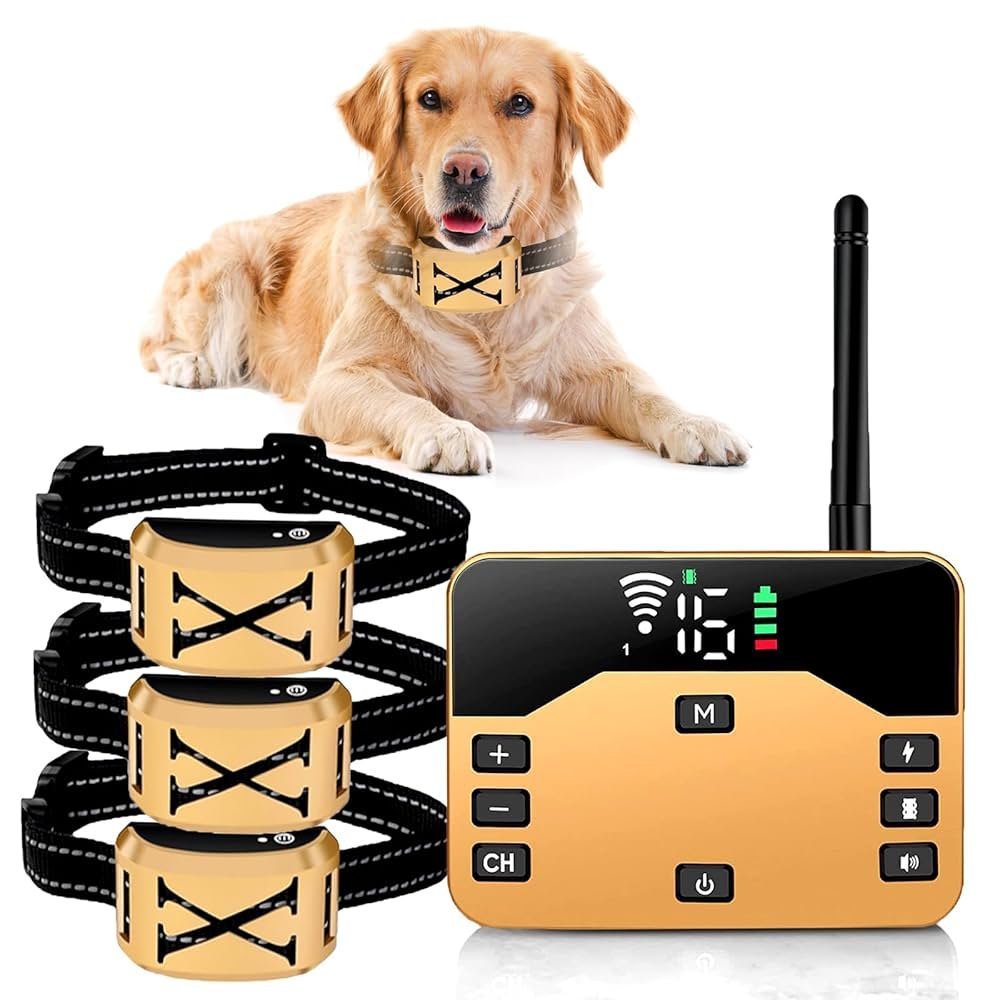
Harsh punishments can make your dog fearful or aggressive. Avoid yelling, hitting, or using shock collars. Negative actions harm the trust between you and your dog. Focus on redirecting bad behavior instead of punishing. Calmly guide your German Shepherd to the right behavior. Always stay patient and consistent during training sessions.

Credit: wustenbergerland.com
Safety Measures During Training
Training a German Shepherd as a guard dog requires careful attention to safety. Protecting both the trainer and the dog is essential. Proper safety measures help prevent injuries and build trust during training. Always prepare your environment and equipment before starting any session.
Protective Gear
Use the right protective gear to avoid accidents. Wear padded sleeves or bite suits to shield your arms and body. Gloves can protect your hands from scratches. Equip your dog with a sturdy collar and leash for control. Safety gear minimizes risks and helps the dog focus on tasks.
Supervised Training Sessions
Never train your German Shepherd alone. Always have a second person nearby to assist or watch. Supervision prevents dangerous situations and allows quick responses. Keep training areas clear of distractions and hazards. Controlled sessions help the dog learn commands safely and effectively.
Maintaining Guard Dog Skills
Maintaining your German Shepherd’s guard dog skills is essential for consistent protection. Training is not a one-time event. It requires regular practice and attention to keep your dog sharp and ready. Skills can fade without frequent reinforcement. You must keep drills and socialization ongoing. This helps your dog stay confident and responsive in different situations.
Regular Drills
Practice guard dog commands often. Short, frequent sessions work best. Use commands like “watch,” “stay,” and “alert.” Repetition helps your dog remember and react quickly. Include scenarios that mimic real situations. For example, practice with strangers approaching or noises at the door. Change the environment to keep your dog alert. Reward good behavior immediately to build positive habits.
- Use different locations for training
- Vary the time of day
- Include distractions like noises or other animals
- Keep sessions short and focused
- Always reward with treats or praise
Ongoing Socialization
Guard dogs must balance protection with control. Socialize your German Shepherd with people and animals regularly. This prevents unwanted aggression. Help your dog learn when to be calm and when to be alert. Introduce new environments slowly. Watch for signs of stress or fear. Positive social experiences support good behavior.
- Invite friends over for visits
- Walk your dog in busy parks
- Attend training classes or dog meetups
- Expose your dog to different sounds and sights
- Reward calm and friendly reactions

Credit: www.youtube.com
Frequently Asked Questions
How Long Does Training A German Shepherd Take?
Training a German Shepherd as a guard dog typically takes 3 to 6 months. Consistent daily sessions improve obedience and protection skills. Early socialization and positive reinforcement speed up learning. Regular practice ensures the dog responds reliably to commands and threats.
What Basic Commands Should A Guard Dog Know?
A guard dog should master commands like sit, stay, come, heel, and bark on command. These ensure control and obedience in various situations. Advanced commands include “attack” and “release” for security purposes. Proper command training ensures safety for both the dog and handler.
Can German Shepherds Protect Without Aggression?
Yes, German Shepherds can protect with controlled aggression. Training focuses on alertness and defense rather than unnecessary attacks. Proper socialization helps the dog distinguish between threats and normal situations. This balance ensures effective guarding without aggressive behavior.
How Important Is Socialization For Guard Training?
Socialization is crucial for guard training. It helps the dog differentiate between friend and foe. Well-socialized dogs remain calm around family and alert to strangers. Early exposure to people and environments builds confidence and reduces fear-based aggression.
Conclusion
Training a German Shepherd as a guard dog takes dedication. Consistent routines help build trust and obedience. Patience is key during this journey. Remember, positive reinforcement strengthens the bond. Always reward good behavior with treats or praise. Safety and security should remain your top priorities.
Keep training sessions short and engaging. This ensures your dog stays interested and eager. A well-trained German Shepherd can effectively protect your home. They are loyal and intelligent companions. With time, effort, and love, your dog becomes a reliable guardian.
Enjoy the process and cherish your canine friend.