Are you wondering if using pee pads is making your dog more likely to pee inside your home? You’re not alone.
Many dog owners struggle with house training and hope pee pads are the easy fix. But could these pads actually be encouraging your dog to choose indoor spots over going outside? Understanding how pee pads affect your dog’s behavior can save you time, frustration, and protect your floors.
Keep reading to discover the surprising truth about pee pads and whether they help or hurt your dog’s potty training.
How Pee Pads Work
Pee pads offer a convenient solution for indoor potty training, but understanding how they actually work is key to deciding if they're right for your dog. Their effectiveness depends largely on their design and how you use them in your home. Let's break down the main elements that make pee pads function as intended.
Material And Design
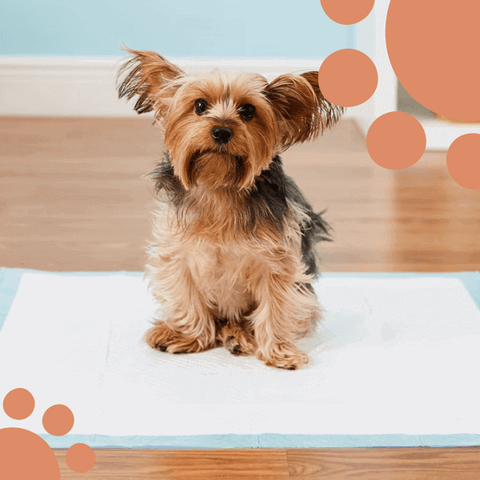
Pee pads are made from layers that absorb liquid quickly and lock in moisture to prevent leaks. The top layer is usually a soft, non-woven fabric that feels comfortable under your dog's paws. Beneath it, there’s an absorbent core made from materials like super-absorbent polymers and fluff pulp, which soak up urine efficiently.
Most pads also have a waterproof backing to protect your floors from any spills. Some designs include attractant scents that encourage dogs to use the pad, making training easier. Have you noticed how your dog reacts to the feel or smell of a new pad? That reaction can tell you if the pad suits your pet’s preferences.
Placement And Usage
Where you put the pee pad matters just as much as the pad itself. Dogs are creatures of habit, so placing the pad in a consistent, quiet spot helps them learn where to go. Avoid high-traffic or noisy areas that might distract or scare your dog away.
Using pee pads effectively means introducing your dog to the pad and rewarding them when they use it correctly. If you move the pad frequently, your dog might get confused about where to pee. Are you consistent enough in your placement to build a clear routine for your dog?
Also, consider your dog’s size and habits. Large breeds may need bigger or more absorbent pads, while smaller dogs might prefer a specific corner. Pay attention to your dog’s behavior and adjust placement and pad type as needed to support successful indoor potty habits.
Behavioral Impact On Dogs
Using pee pads can influence a dog's behavior in different ways. It shapes where and how dogs choose to relieve themselves. Understanding this impact helps decide if pee pads suit your dog’s needs.
Training Benefits
Pee pads offer a clear spot for dogs to pee. They help puppies learn a specific area indoors. This reduces accidents around the house. Dogs quickly link the pad with the right place to go. Pads also assist dogs during bad weather or when outside time is limited. They provide a safe, clean option that suits busy owners.
Potential Confusion
Some dogs may get mixed signals about where to pee. Pads inside can make dogs think indoor peeing is okay everywhere. It can slow the process of learning to go outside only. Dogs might visit the wrong spots if pads are moved or removed suddenly. Clear, consistent training is needed to avoid this confusion.
Common Misconceptions
Many dog owners worry that pee pads might make their pets pee inside the house more often. This fear comes from common beliefs about how dogs learn and behave. Understanding these beliefs helps clear up confusion about pee pads and indoor peeing. Let’s explore some common misconceptions.
Do Pee Pads Promote Indoor Peeing?
Some think pee pads teach dogs to always pee indoors. This is not true for most dogs. Pee pads are training tools, not bad habits. Dogs use pee pads when owners guide them well. Without proper training, dogs might get confused about where to pee. But pee pads alone do not cause indoor peeing.
Pee pads can help puppies or sick dogs who cannot go outside easily. They offer a safe spot to relieve themselves. Dogs learn boundaries when owners reward correct use of pads. Good training means dogs know when to use pads and when to go outside.
Separating Fact From Myth
- Myth:Pee pads make dogs prefer indoors only.
- Fact:Dogs follow training, not just pee pads.
- Myth:Pee pads confuse dogs about bathroom spots.
- Fact:Clear signals and routines prevent confusion.
- Myth:Pee pads cause more accidents inside.
- Fact:Accidents happen without consistent training.
Pee pads are tools. They do not decide dog behavior alone. Training, patience, and clear signals shape where dogs pee. Understanding these facts helps owners use pee pads wisely.

Credit: aminpetshop.com
Expert Opinions
Experts offer valuable insights into whether pee pads encourage dogs to urinate indoors. Their opinions help you understand the potential benefits and drawbacks from a professional standpoint. Let’s see what veterinarians and trainers have to say.
Veterinarian Insights
Many veterinarians recognize pee pads as a useful tool for puppies, elderly dogs, or pets recovering from surgery. They often recommend pads as a temporary solution rather than a permanent habit.
One vet shared that pee pads can prevent accidents during house training if used correctly. However, they warn that prolonged use might confuse dogs about where it’s appropriate to relieve themselves.
Veterinarians also highlight the importance of consistency. If you switch between outdoor walks and indoor pads frequently, your dog might struggle to learn the right spot.
Professional Trainer Views
Professional trainers often see pee pads as a double-edged sword. Some trainers believe pads can create a dependency, making it harder to transition dogs to outdoor potty habits.
However, trainers also stress that pads can be very effective for specific situations, such as apartment living or extreme weather conditions. They suggest clear boundaries and gradual training to avoid confusion.
- Use pads only during the initial training phase.
- Gradually move the pads closer to the door.
- Reward your dog for outdoor elimination to reinforce good habits.
Have you noticed any changes in your dog’s behavior when using pads? Sharing your experience might help others decide the best approach for their pets.
Alternatives To Pee Pads
Pee pads can sometimes lead to confusion for dogs about where they should relieve themselves. If you're worried about encouraging your dog to pee inside, there are practical alternatives that guide them toward better habits. These options help you manage your dog's needs without relying solely on pee pads.
Outdoor Training Tips
Taking your dog outside regularly is one of the most effective ways to prevent indoor accidents. Set a consistent schedule for bathroom breaks, especially after meals and naps.
Use clear verbal cues like "go potty" to signal what you expect. Reward your dog immediately after they pee outside to create a positive connection.
Be patient; some dogs need extra time to learn. If you notice your dog sniffing or circling inside, take them outside right away to avoid accidents.
Other Indoor Solutions
If going outside frequently isn’t possible, consider alternatives that reduce confusion. Use a designated indoor potty area with real grass patches or artificial turf designed for dogs.
These options provide a more natural surface than pee pads, helping your dog understand that this spot is for bathroom breaks. Regularly clean and maintain the area to keep it inviting.
Crate training can also help manage your dog’s bathroom habits. Dogs naturally avoid soiling their sleeping space, so a properly sized crate encourages them to hold it until taken outside.

Credit: www.amazon.com
Tips For Effective Pee Pad Training
Training a dog to use pee pads requires patience and clear guidance. Dogs learn best with steady habits and positive moments. This section shares key tips that help your dog understand where to pee.
Consistency And Routine
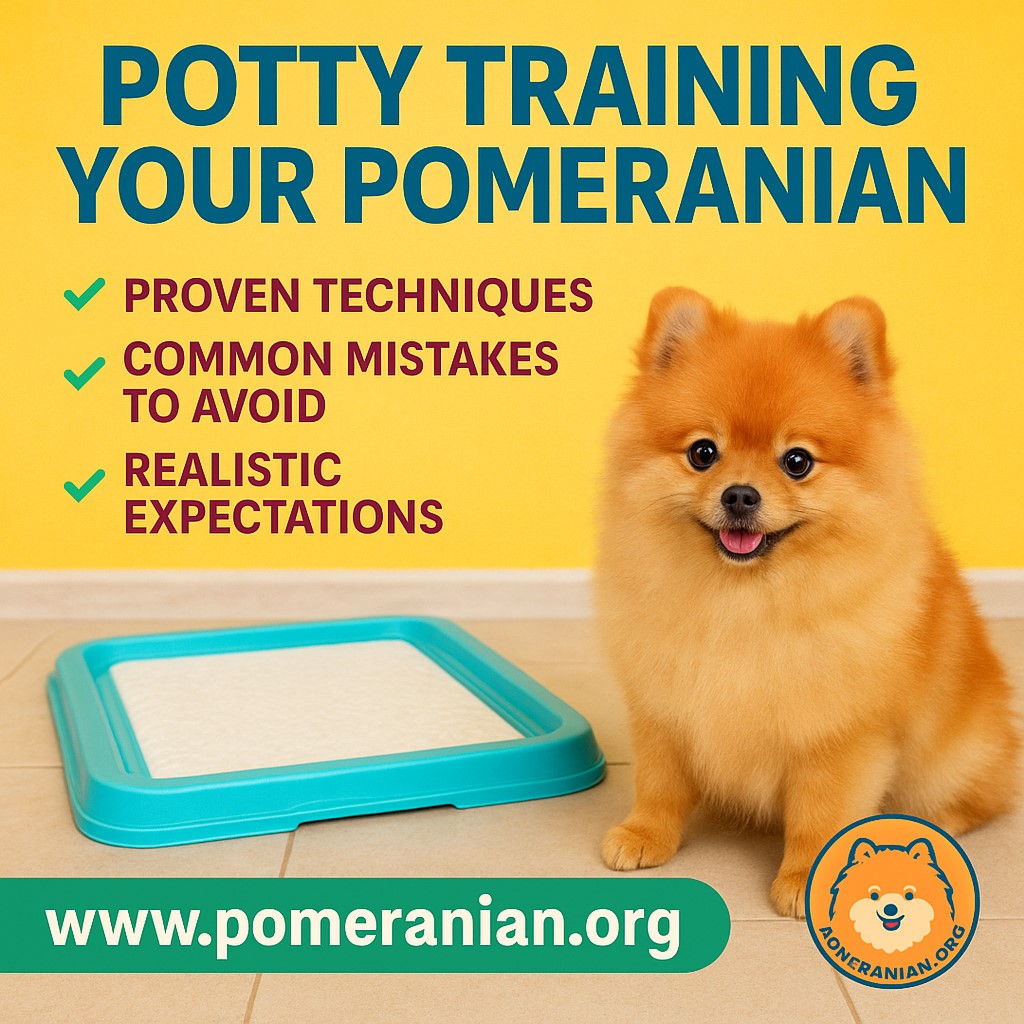
Set a fixed place for the pee pad. Always put the pad in the same spot to avoid confusion. Take your dog to the pad regularly, especially after meals and naps. Stick to a schedule so your dog knows when to go. This helps build a habit and reduces accidents.
Positive Reinforcement
Praise your dog immediately after it uses the pad correctly. Use gentle words and petting to show approval. Give small treats as rewards to make the experience pleasant. Avoid punishment if your dog makes mistakes. Encouragement helps your dog feel safe and learn faster.
Credit: pomeranian.org
Frequently Asked Questions
Do Pee Pads Make Dogs Prefer Indoor Urination?
Pee pads can encourage some dogs to pee indoors due to scent and comfort. However, consistent training helps dogs learn outdoor urination habits.
Can Pee Pads Delay House Training In Puppies?
Yes, relying on pee pads may slow outdoor house training. Puppies might confuse indoor pads with acceptable toilet spots.
How To Prevent Dogs From Peeing Outside Pee Pads?
To prevent accidents, train dogs to use designated areas. Reward outdoor peeing and gradually reduce pad usage over time.
Are Pee Pads Suitable For All Dog Breeds?
Pee pads work best for small breeds or indoor dogs. Larger breeds may require outdoor training for proper bathroom habits.
Conclusion
Pee pads can be helpful, but they might confuse dogs. Some dogs learn to pee inside because of them. Consistency is key in training. Choose what fits your lifestyle and your dog's needs. Pee pads work well for some owners.
For others, outdoor training is better. Every dog is different. Observe your dog's behavior. Adjust your training methods accordingly. Patience and understanding help in any method. Proper training leads to fewer accidents. Happy dogs make happy homes.