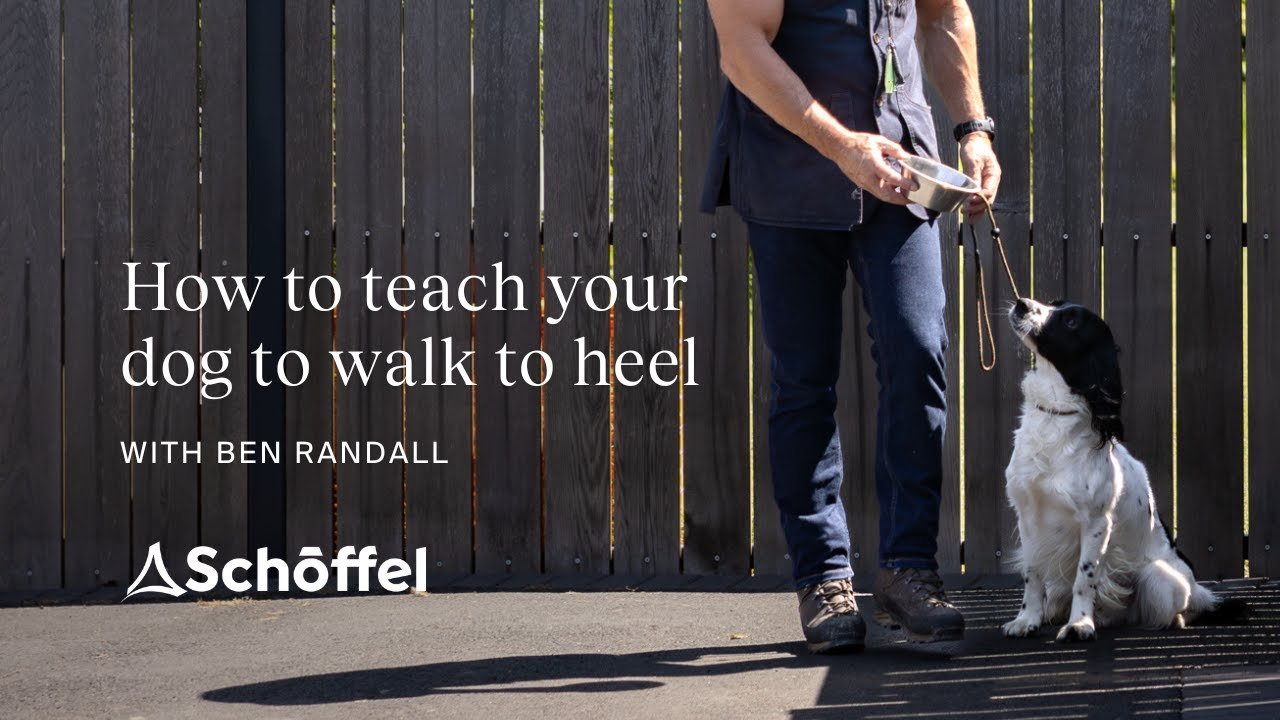
Imagine enjoying a peaceful walk with your dog, feeling the freedom of no leash between you. Sounds amazing, right?
But teaching your dog to walk without a leash takes more than just letting go. You need the right skills and techniques to keep your furry friend safe and by your side. You’ll discover simple, effective steps to train your dog to walk off-leash confidently.
Keep reading, because this could change the way you and your dog experience every walk together.

Credit: www.longoriahausdogtraining.com
Benefits Of Leash-free Walking
Walking a dog without a leash offers many benefits for both the dog and the owner. It creates a sense of freedom while keeping safety in mind. Training your dog to walk off-leash helps build trust and improves overall behavior. This practice also allows for more enjoyable and active outings. Here are some key benefits of leash-free walking.
Improved Dog Freedom
Leash-free walking gives dogs the chance to explore and move naturally. It allows them to run, sniff, and play without restrictions. This freedom reduces stress and boredom for dogs. They feel happier and more relaxed during walks. Dogs can follow their instincts safely, making the experience more fun.
Enhanced Bonding
Walking without a leash strengthens the bond between you and your dog. It requires good communication and trust. Your dog learns to listen and stay close even without physical control. This trust builds a stronger relationship and mutual respect. Spending quality time together deepens your connection.
Better Exercise Opportunities
Off-leash walking offers more physical activity than leash walking. Dogs can run faster and explore varied terrain. This extra movement improves their muscles and stamina. It also helps burn more energy, which reduces hyperactive behavior. Active dogs stay healthier and live longer with proper exercise.

Credit: www.amazon.com
Assessing Your Dog’s Readiness
Teaching a dog to walk without a leash takes patience and careful preparation. Not every dog is ready for this important step. It is crucial to assess your dog’s readiness to ensure safe and successful off-leash walks. This assessment helps prevent accidents and builds trust between you and your dog.
Evaluating Obedience Skills
Start by checking basic obedience commands. Your dog should respond well to "come," "sit," "stay," and "heel." These commands must be reliable in different environments. Practice in quiet places first, then add distractions. Consistent response shows your dog listens well. Without solid obedience, off-leash walking can be risky.
Temperament Considerations
Consider your dog’s personality. Some dogs are calm and focused, while others are easily distracted or nervous. A calm dog is easier to train off leash. Dogs with high prey drive or fear may struggle. Observe how your dog reacts to new places and noises. A confident and steady temperament is a good sign.
Safety Awareness
Safety is key for off-leash walking. Your dog must stay close and avoid dangers. Check if your dog understands boundaries and won’t run into traffic. Practice recall in safe, enclosed areas. Make sure your dog stays near you even with distractions. A dog aware of safety rules reduces risks during free walks.
Essential Training Tools
Training your dog to walk without a leash takes patience and the right tools. These tools make the process smoother and safer for both you and your furry friend. Having the essentials ready helps you stay confident and keeps your dog motivated throughout the training journey.
Using A Long Line
A long line gives your dog freedom while still allowing you control. It’s like a safety net that prevents sudden dashes or risky escapes. Choose a durable, tangle-free long line that is at least 15 to 30 feet long to give your dog enough space to explore safely.
In my experience, using a long line was the key to building trust. It gave my dog the chance to roam without feeling restricted, but I could step in whenever needed. Have you noticed your dog pulling hard on a regular leash? A long line can reduce that tension and help your dog learn to stay close voluntarily.
Positive Reinforcement Supplies
Positive reinforcement is the backbone of off-leash training. Treats, clickers, and favorite toys can motivate your dog to listen and stay near you. High-value treats that your dog doesn’t get often work best to keep their focus.
Keep these supplies handy and ready to reward good behavior immediately. Timing is everything. Have you tried using a clicker or a special word to mark the exact moment your dog does what you want? This makes the training clearer and more fun for your dog.
Safe Training Environments
Choosing the right place to practice is crucial. Start in a quiet, enclosed area where distractions are minimal and your dog feels secure. A fenced yard or a quiet park with few people and animals is perfect.
As your dog improves, slowly introduce more distractions and larger spaces. I noticed my dog stayed more focused when the training environment felt safe and familiar. Where do you feel most comfortable practicing with your dog? Pick that spot to build a strong foundation.

Credit: www.youtube.com
Step-by-step Training Process
Training a dog to walk without a leash takes patience and clear steps. Follow a simple process to ensure your dog listens and stays safe. Consistency helps build trust and good habits.
Establishing Reliable Recall
Start by teaching your dog to come when called. Use a clear, happy command like “come” or their name. Reward your dog with treats or praise every time they respond. Practice this indoors with few distractions. Make sure your dog sees coming back as a positive choice.
Practicing In Controlled Areas
Move training to a small, fenced area outside. Keep your dog on a long leash or line for safety. Call your dog often and reward them for returning quickly. Keep sessions short and fun to hold their attention. Repeat these exercises until your dog responds fast and happily.
Gradually Increasing Distractions
Add distractions slowly to test your dog’s focus. Use toys, people, or other animals at a distance. Keep your dog on a long leash and call them regularly. Praise or treat your dog for obeying despite distractions. This builds your dog’s confidence and reliability.
Transitioning To Off-leash
Choose a safe, quiet area to try off-leash walking. Let your dog explore but call them often. Use treats and praise when they come back. Watch your dog closely for signs of distraction or danger. Return to leash if your dog does not respond well. Increase off-leash time as your dog improves.
Common Challenges And Solutions
Training your dog to walk without a leash is rewarding but comes with its share of challenges. Knowing how to face these obstacles head-on can make the process smoother for both you and your furry friend. Let’s dive into some common issues you might encounter and practical ways to solve them.
Managing Distractions
Distractions like squirrels, other dogs, or loud noises can easily pull your dog’s attention away from you. Start training in a quiet, familiar area to help your dog focus better. Gradually add distractions, rewarding your dog each time they stay close and attentive.
Use high-value treats or favorite toys as motivation. If your dog breaks focus, calmly call them back without punishment. Have you noticed how a simple whistle or a unique word can sometimes be more effective than a command?
Handling Hesitation Or Fear
Some dogs hesitate to walk off-leash because they feel insecure or scared. Build their confidence by practicing in a secure, enclosed space where they can’t run away. Let them explore at their own pace while offering constant encouragement.
Never rush your dog; patience is key. If your dog freezes or backs away, try to understand what’s causing the fear. Could it be unfamiliar terrain or loud sounds? Addressing these specific triggers helps your dog feel safer and more willing to move forward.
Correcting Unwanted Behaviors
Pulling, darting off, or ignoring commands are common unwanted behaviors during off-leash walks. Consistency is crucial: always reward good behavior immediately and gently correct bad behavior right away. Avoid yelling; instead, use a firm and calm voice.
Implementing a recall game can improve your dog’s response. Call your dog, reward them for coming back, then release them to explore again. This back-and-forth builds trust and reinforces obedience without making training feel like a chore.
Safety Tips For Off-leash Walks
Training your dog to walk without a leash is rewarding but requires safety focus. Off-leash walks can be fun and freeing for your dog. Still, safety must be the top priority to avoid accidents and stress. Follow these safety tips to keep your dog safe and happy during off-leash time.
Choosing Safe Locations
Select places where off-leash walking is allowed and safe. Open fields, fenced dog parks, and quiet trails work well. Avoid busy roads, crowded parks, and areas with wildlife. Check the ground for hazards like sharp objects or holes. A safe environment helps your dog explore without danger.
Monitoring Dog’s Behavior
Watch your dog closely during off-leash walks. Look for signs of distraction or stress. Stay alert to other animals, people, or noises that may cause trouble. Keep your dog within sight at all times. Use commands to maintain control and bring your dog back if needed.
Legal Considerations
Know local laws about off-leash walking before letting your dog roam free. Some places require leashes by law for all dogs. Others allow off-leash walking in designated areas only. Fines or penalties may apply for breaking leash laws. Respect rules to avoid legal issues and keep your dog safe.
Maintaining Off-leash Training
Maintaining off-leash training requires consistent effort and attention. It’s not just about teaching your dog once but keeping those skills sharp over time. You want your dog to respond reliably, no matter where you are or what distractions pop up.
Regular Practice Sessions
Set aside time each day to practice off-leash commands. Short, frequent sessions work better than long, occasional ones. This keeps your dog’s focus strong without overwhelming them.
Try mixing up the routine by practicing in different parts of your yard or park. This helps your dog stay attentive and ready to obey anywhere. Have you noticed your dog’s attention drifting when you stop practicing regularly?
Reinforcing Commands
Keep rewarding your dog with treats, praise, or play when they follow commands off-leash. Positive reinforcement builds trust and encourages good behavior. It’s important to reward immediately to link the behavior with the reward clearly.
Occasionally, test your dog’s obedience by adding small distractions. This helps you see if they truly understand the commands or just respond when it’s easy. Have you tried using a favorite toy as a reward instead of treats?
Adjusting To New Environments
Take your dog to different locations to practice off-leash walking. New smells, sounds, and sights challenge your dog’s focus and obedience. Start in quiet places before moving to busier areas.
Each environment teaches your dog to listen regardless of distractions. Think about the last time you walked your dog in a crowded park—did they stay by your side? If not, that’s a sign to spend more time training in similar settings.
Frequently Asked Questions
How Long Does Leash Training Usually Take?
Leash training duration varies by dog breed and age. Consistent daily sessions of 10-15 minutes can show results in weeks. Patience and positive reinforcement speed progress.
What Commands Help Walk A Dog Off-leash?
Common commands include "come," "stay," and "heel. " Teaching these ensures your dog stays close and responsive without a leash. Practice regularly in distraction-free areas.
Is Off-leash Walking Safe For All Dogs?
Off-leash walking safety depends on obedience and environment. Not all dogs are suited, especially those with high prey drive or poor recall skills. Always assess risks first.
When Should I Start Off-leash Training?
Start off-leash training after mastering leash walking and basic commands. Puppies can begin with short sessions at 4-6 months old. Gradually increase freedom as control improves.
Conclusion
Training a dog to walk without a leash is rewarding. It builds trust and strengthens your bond. Start in a safe, enclosed area. Use positive reinforcement and stay patient. Gradually introduce distractions as your dog learns. Always prioritize safety and your dog's comfort.
Consistency is key to success. Celebrate small wins along the way. Enjoy the freedom and joy this brings to your walks. Remember, every dog learns at their own pace. Be patient and persistent. Happy training!